


Get the Most Out of Your Gear: Top Tips for Storing Your Camping Equipment
Are you looking to keep your camping equipment in top-notch condition? Look no further! This article has got you covered with the best tips for proper camping equipment storage. No more worries about damaged or worn-out gear, as we'll guide you through the steps to ensure your camping essentials remain in pristine condition for years to come. So, let's dive in and explore how to get the most out of your equipment by storing it correctly.Why Proper Camping Equipment Storage Matters
As an avid camper, you know that investing in high-quality camping gear is essential to a comfortable and enjoyable outdoor experience. Whether you're a seasoned pro or a beginner, it's crucial to understand the importance of proper camping equipment storage. In this section, we'll discuss two primary reasons why proper storage is critical: protecting your investment and ensuring the longevity of your gear.
Protect Your Investment
Camping gear can be expensive, and the last thing you want is to have to replace it prematurely due to damage caused by improper storage. When you take the time to store your equipment correctly, you're protecting the investment you made in your gear. This means you won't have to spend more money to replace items that could have been saved with proper storage.
One crucial aspect of protecting your investment is choosing the right storage location. Your gear should be stored in a cool, dry place away from direct sunlight. Exposure to sunlight and extreme temperature changes can cause damage to fabrics, plastics, and other materials used in camping gear. Additionally, storing your gear in a damp or humid environment can lead to mold, mildew, and other forms of damage.
Ensure the Longevity of Your Gear
Proper camping equipment storage is also essential for ensuring the longevity of your gear. By taking the time to store your gear correctly, you can extend its lifespan and get more use out of it over time.
One important aspect of ensuring the longevity of your gear is keeping it clean and dry. Before storing your equipment, be sure to clean it thoroughly and allow it to dry completely. This will help prevent mold and other forms of damage. You should also avoid storing your gear in a way that puts unnecessary stress on it. For example, sleeping bags and tents should be loosely packed to prevent compression that can damage the insulation and fabric.
By protecting your investment and ensuring the longevity of your gear, proper camping equipment storage is essential to any camping trip. Take the time to store your gear correctly, and you'll be rewarded with gear that lasts longer, performs better, and provides you with a more comfortable and enjoyable camping experience.
Tips for Proper Camping Equipment Storage
Proper storage of your camping gear can make the difference between a successful camping trip or a disaster. Not only does it help to preserve the quality of your equipment, but it also saves time and money in the long run. Here are some expert tips for storing your camping equipment:
Clean Your Gear Before Storing
Before storing your camping gear, make sure to clean it thoroughly. This helps to remove any dirt, debris, or bacteria that may have accumulated during your camping trip. Use a mild soap and water to clean your gear, and avoid using any harsh chemicals that may damage the fabric or materials. Once cleaned, make sure to dry your gear thoroughly before storing it.
Dry Your Gear Thoroughly
One of the most important things to remember when storing camping gear is to make sure it is completely dry. Any moisture left behind can lead to mold or mildew growth, which can ruin your gear. Hang your gear out to dry in a well-ventilated area or use a fan to speed up the drying process.
Store Your Gear in a Dry Place
When choosing a storage spot for your camping gear, make sure to select a dry place. Moisture and humidity can cause your gear to deteriorate quickly. If you are storing your gear in a garage or basement, make sure the area is well-ventilated, and use a dehumidifier if necessary.
Avoid Direct Sunlight
Direct sunlight can cause your camping gear to fade, become brittle, and lose its shape. When storing your gear, make sure to keep it away from direct sunlight. Use a cover or tarp to protect your gear from sun exposure.
Use Proper Containers for Your Gear
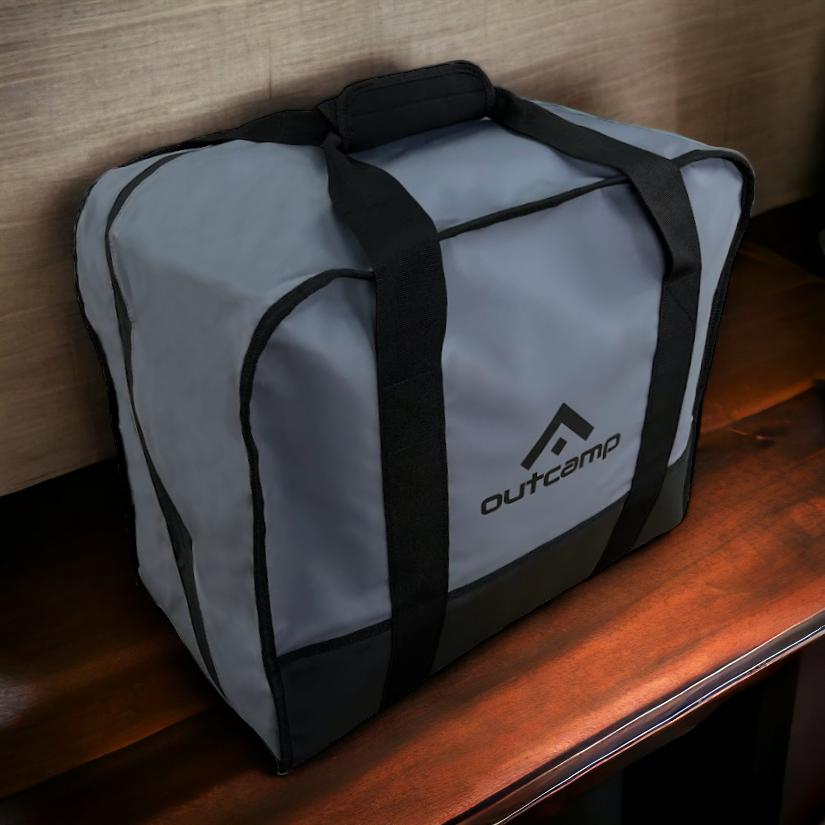
Invest in durable and weather-resistant containers to store your camping gear. Make sure the containers are large enough to hold your gear, but not too big that you overpack them. Label each container with the contents inside, so you know what is stored inside each one.
Don't Overpack Your Storage Containers
When packing your camping gear, avoid overpacking your storage containers. Overpacking can cause your gear to become compressed, which can damage it. Make sure to leave some room in each container, so your gear has enough space to breathe.
Special Considerations for Specific Camping Equipment
Camping is a fun and exciting way to spend time outdoors and connect with nature. But, in order to fully enjoy your trip, it’s important to properly store and care for your camping equipment. Here are some special considerations for specific camping equipment:
Tents
Tents are the cornerstone of any camping trip, providing shelter from the elements. When storing your tent, it’s important to clean and dry it thoroughly to prevent mold and mildew growth. You should also store your tent in a cool, dry place, preferably in a storage bag that allows for air circulation. Additionally, avoid storing your tent in direct sunlight as it can damage the fabric.
Sleeping Bags
A good night’s sleep is crucial when camping, and a comfortable sleeping bag is key to achieving that. When storing your sleeping bag, always make sure it is completely dry before packing it away. You should also avoid storing your sleeping bag in a stuff sack for extended periods of time as it can damage the insulation. Instead, use a large cotton storage bag that allows for air circulation.
Backpacks
Your backpack is your lifeline when camping, carrying all of your essentials for the trip. When storing your backpack, make sure it is completely empty and clean before packing it away. You should also loosen all straps and remove any detachable parts, such as the hipbelt, to prevent them from becoming misshapen over time. Finally, store your backpack in a cool, dry place to prevent mildew growth.
Stoves
Cooking over an open fire is a classic camping experience, but a reliable stove can make meal prep much easier. When storing your stove, make sure it is completely cool and all fuel has been removed before packing it away. You should also store your stove in a dry, secure location to prevent damage.
Cookware
Whether you’re cooking over an open fire or a stove, having the right cookware is crucial. When storing your cookware, make sure it is completely clean and dry before packing it away. You should also store your cookware in a dry location to prevent rusting.
Properly storing your camping equipment not only ensures it lasts longer but also makes your next camping trip more enjoyable. By following these special considerations for specific camping equipment, you can rest easy knowing your gear is in good condition and ready for your next adventure.
Conclusion
Proper storage of camping equipment is crucial if you want to keep it in good condition for longer and avoid the expense of having to replace it frequently. By following the tips outlined in this article, you can ensure that your gear remains clean, dry, and organized between trips. Remember to clean and dry your gear before storing it, use appropriate containers that provide protection from the elements, and store your gear in a cool and dry place.
Additionally, you can also invest in gear that is of high quality and designed to last, so you don't have to worry about replacing it frequently. By taking these steps, you can save money, time, and effort in the long run and get the most out of your camping equipment. So, go ahead and put these tips into practice and enjoy the great outdoors without any worries about your gear!




Leave a comment (all fields required)