


Hardening the Long Haul: Optimising Starlink Mini for Australian Transport and Rail Freight
The vast distances between Australia’s major capital cities are more than just a geographic reality; they are the high-consequence environment where the national supply chain is tested every single day. For the thousands of long-haul truck drivers navigating the Nullarbor, the Barkly, and the interior, the transition from the city fringe to the outback has historically meant a transition from total digital integration to a profound and often dangerous isolation. In the past, transport connectivity relied on patchy 4G/5G corridors and expensive, high-latency geostationary satellite systems that frequently failed in the abrasive dust or during intense weather events. In 2026, the baseline for logistics operations has fundamentally shifted. The arrival of the Starlink Mini has done more than just provide faster data; it has hardened the digital infrastructure of the Australian transport sector, providing the reliable backhaul needed for real-time fleet management, enhanced driver safety, and a significant improvement in interstate welfare.
Reliable, high-speed connectivity is no longer a luxury for a road train or a rail freight unit; it is a critical piece of operational infrastructure. When a driver can access real-time high-resolution weather models, coordinate with dispatch via high-definition video during a breakdown, and maintain a persistent link to emergency services in areas with zero mobile coverage, the operational risk of the "long haul" is significantly lightened. This article explores how the democratisation of low-Earth orbit satellite internet is closing the connectivity gap for Australia's transport workforce and the practical hardware required to maintain these vital links in the most challenging environments on earth. Standardising on a Starlink Mini for Australian transport ensures that the red dirt no longer dictates the quality of your supply chain oversight.
The Connectivity Gap in Australian Long-Haul Logistics
The geography of Australia is inherently hostile to terrestrial communications. While the major highway corridors between Sydney, Melbourne, and Brisbane have seen incremental improvements in mobile coverage, the vast majority of the inland freight network remains a "black spot" mosaic. For a logistics company managing a fleet of multi-trailer road trains, this connectivity gap represents a significant blind spot in their operational visibility. Without real-time data, site managers are forced to rely on estimated arrival times and delayed reporting, which can lead to cascading bottlenecks in intermodal hubs and distribution centres.
Overcoming the "Black Spot" Fatigue for Interstate Drivers
For the individual professional behind the wheel, the lack of connectivity is a primary driver of occupational fatigue and psychological distress. Long-haul driving is an isolated profession, often involving weeks away from family and social networks. In the past, the inability to reliably communicate with home during rest stops or transits through the interior created a cumulative sense of alienation. The "communal" rest stop models of the past are increasingly being supplemented by digital welfare models where drivers seek connection and escapism through their personal devices.
The Starlink Mini solves this latency and coverage issue by connecting directly to a constellation of satellites in low-Earth orbit. This provides ping times that rival urban NBN connections, allowing for natural, real-time video calls with loved ones from the most remote rest areas on the continent. By maintaining these high-fidelity bonds, drivers return home feeling less like visitors and more like present members of their households, reducing the "re-entry" stress that often occurs after a long haul. This digital lifeline is a critical piece of mental health infrastructure for the modern Australian driver.
Hardening the Supply Chain with Real-Time Fleet Visibility
Beyond driver welfare, the hardening of the data link is essential for the digitalization of the supply chain. In 2026, real-time fleet visibility is the standard for competitive logistics firms. This includes the streaming of live telematics from the truck’s engine management system, real-time GPS tracking for insurance and compliance purposes, and the ability to sync electronic work diaries (EWDs) without waiting for a signal. When a vehicle enters a cellular blackout zone, these critical data streams are interrupted, leading to potential compliance risks and a lack of data-driven site intelligence.
By utilising a Starlink Mini as a localized gateway on the vehicle cab, transport companies ensure that their supply chain data remains active 24/7. This allows for the immediate reporting of mechanical anomalies or transit delays, enabling dispatchers to proactively manage the logistics chain. This capability transforms a "blind" transit into a real-time "observe-and-act" operation, significantly increasing the ROI of the fleet and ensuring that the national supply chain remains resilient to the geographic challenges of the outback.
Optimising Starlink Mini for Australian Transport Operations
Hardware reliability in the Australian outback is a non-negotiable requirement. A Starlink Mini deployed on the roof of a heavy-duty road train or a service ute must withstand extreme thermal cycling, intense UV radiation, and the constant harmonic vibration of a large diesel engine. The standard plastic kickstand provided with the unit is insufficient for professional transport use; a professional-grade mounting and power system is required to ensure the link remains persistent through years of high-intensity service.
Mobile-First Mounting: Surviving the Vibrations of the Outback
The physical mounting of the Starlink Mini is the foundation of its performance in the transport sector. A dish that is vibrating or shifting due to engine harmonics or corrugated highway sections will struggle to maintain peak bandwidth and can eventually suffer from fatigue failure in the mounting bracket. For mobile transport operations, standardising on a ruggedised mounting solution is the first step in hardening the link.
The MagLock Pro Magnetic Vehicle Mount provides the necessary resilience for cab-top deployments. Utilising high-strength neodymium magnets with a protective polycarbonate shield, this mount ensures the Starlink Mini remains securely attached to the roof or tray of a service vehicle while providing a degree of shock absorption. For more permanent installs on bull bars or baseracks, the Starlink Mini Roof Rack Mount or Starlink Mini BullBar/Railing Mount offers a secure, zero-drill solution that maintains the WHS compliance of the vehicle. By positioning the dish at the highest possible point, you minimise obstructions and maximise the available bandwidth for your Starlink Mini for Australian transport data link.
Persistent Power: Standardising on 12V-24V DC Infrastructure
Power management for mobile connectivity is a game of reliability and protection. Relying on a vehicle’s starter battery to power a 24/7 communications hub is a risk, especially during overnight rest stops in remote areas. Furthermore, using a standard 240V inverter is inefficient, generating unnecessary heat and introducing another point of failure into the cab. Professional transport setups prioritise direct DC power to ensure the highest possible efficiency.
The Starlink Mini 12V to 30V Power Supply (Anderson Plug) allows for a direct, fused connection to the vehicle’s auxiliary battery system. This ensures that the connectivity hub doesn't drain the starter battery while the vehicle is stationary. For scenarios where the dish needs to remain active even when the vehicle is powered down for several days, the Starlink Mini Portable UPS Power Supply (7-10 Hours) provides the necessary redundancy. This unit can act as a buffer, charging from the vehicle’s alternator while providing a clean, stable 20V DC supply to the Starlink Mini. Standardising on professional-grade DC power components eliminates the risks associated with consumer-grade hardware and ensures that your link remains online as long as the wheels are turning.
"The true measure of a remote connectivity system in 2026 isn't just its peak speed, but its reliability in a high-consequence environment. For long-haul logistics, the data link is a safety-critical component; if the link fails, the visibility into the supply chain stops. Integrating Starlink Mini into the vehicle architecture is about more than bandwidth—it's about ensuring operational continuity."
Integrated Solutions for Rail Freight and Intermodal Hubs
While road transport is the most visible part of the Australian logistics chain, rail freight remains the backbone of interstate bulk haulage. The rail corridors across the Nullarbor and through the central interior pass through some of the most isolated regions on earth, where terrestrial radio links are virtually non-existent. Hardening the connectivity for rail freight operations is a complex technical challenge that requires a multi-layered approach to backhaul.
Hardening Remote Rail Siding Operations with Satellite Backhaul
Remote rail sidings are often the most vulnerable points in the rail logistics chain. These sidings are used for crossing trains and for the loading of bulk commodities, but they are frequently located hundreds of kilometres from the nearest town. Without reliable communications, siding staff and maintenance crews are isolated, making it difficult to coordinate safety alerts or report equipment failures. The lack of a high-speed data link also prevents the use of modern SCADA systems for monitoring the health of rail infrastructure.
By deploying the Starlink Mini at remote siding offices, rail operators can establish a high-bandwidth, low-latency bridge to the centralized control centre. This allows for real-time monitoring of crossing events and the immediate transmission of high-resolution imagery for infrastructure auditing. Utilising the Starlink Mini/Gen 3 Ethernet Adapter (4 Ports) ensures that critical safety telemetry is prioritised over secondary traffic, hardening the operational integrity of the rail corridor. This satellite backhaul is a game-changer for rail safety and efficiency in regional Australia.
Welfare at the Edge: Standardising Digital Infrastructure in Rest Areas
The welfare of transport workers at intermodal hubs and remote rest areas is a primary concern for the industry. Providing a "connected rest zone" where drivers and crews can access digital services is a major driver of retention and morale. However, providing site-wide Wi-Fi in these remote locations has historically been difficult due to the lack of fibre or reliable fixed-line backhaul.
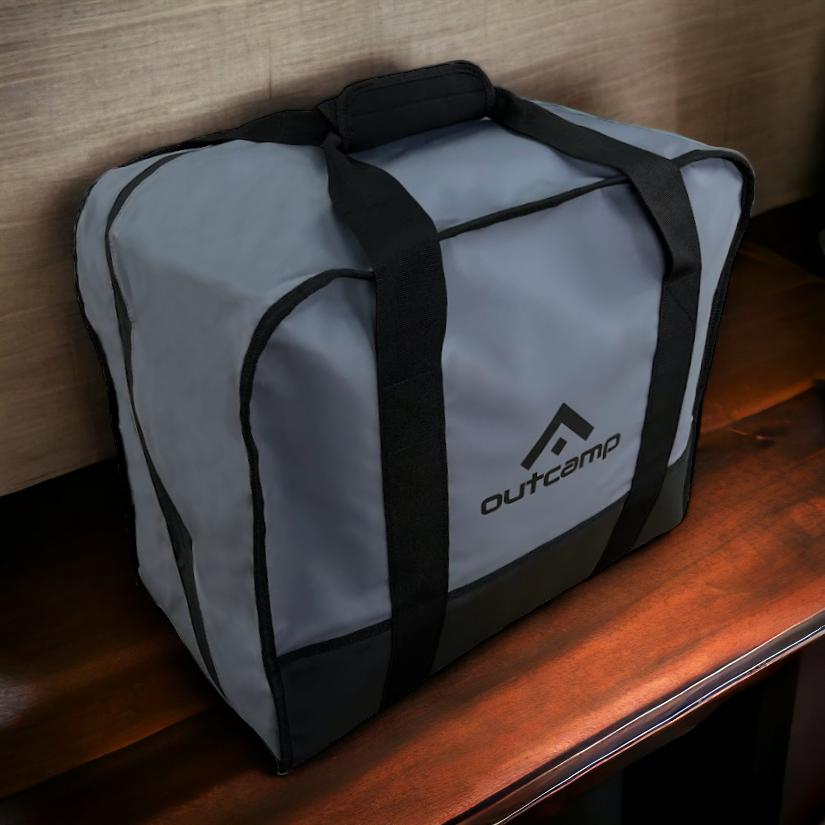
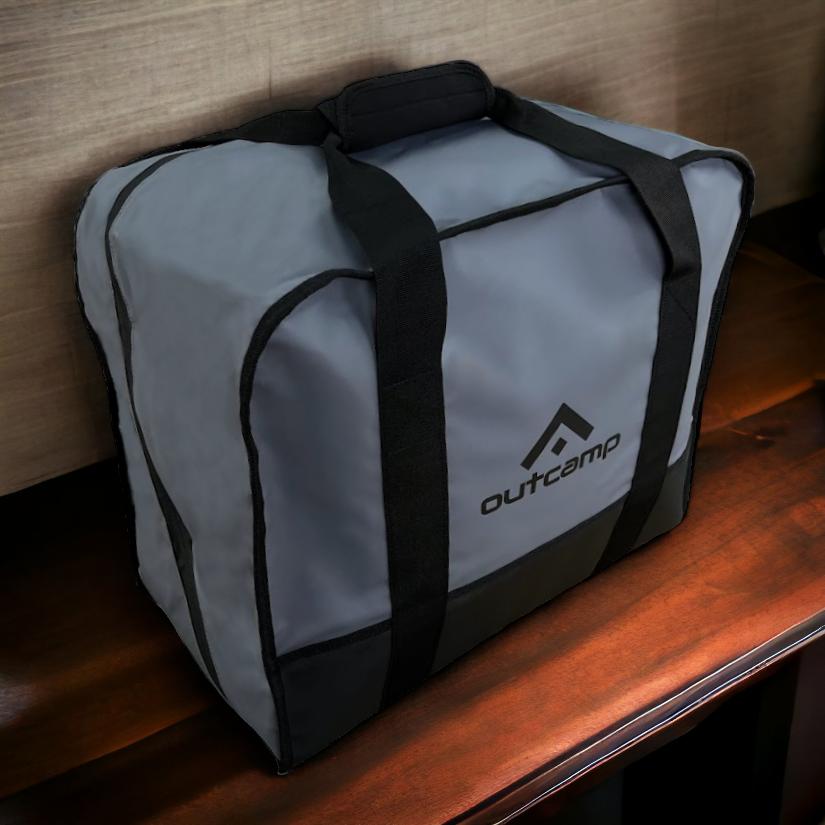
The Starlink Mini, protected by a Starlink Mini Hard Protective Travel Case, is the ideal solution for creating these portable welfare hubs. A site manager can deploy a connectivity kit in seconds, providing a private high-speed bubble for their crew. This independence allows for unrestricted access to mental health support, online training, and entertainment, reducing the stigma associated with seeking help in the field. By standardising on rugged, mobile hardware, transport firms can provide a consistent quality of life for their employees, no matter where the job takes them.
Frequently Asked Questions
Can the Starlink Mini handle the vibrations of a road train on corrugated tracks?
Yes, but the choice of mounting is critical. The high-strength neodymium magnets used in the MagLock Pro Magnetic Vehicle Mount are designed to provide a secure hold while offering a degree of shock absorption. For extreme conditions, we recommend utilizing a dedicated roof rack or rail mount to ensure the dish remains perfectly aligned.
How much power does the Starlink Mini draw in a 12V vehicle system?
The Starlink Mini is highly efficient, typically drawing between 25 and 40 watts during active use. Utilizing a high-quality DC power supply like the Starlink Mini 12V to 30V Power Supply (Anderson Plug) ensures that the voltage is correctly boosted to the required 20V DC without the inefficiencies and heat of an AC inverter.
Is the Starlink Mini suitable for use in heavy industrial and rail environments?
Yes, with the correct hardening. The unit is rated to IP67, making it resistant to dust and moisture. However, we recommend utilizing a Starlink Mini Dish Protector Shield to protect the phased-array surface from abrasive outback dust and the intense UV radiation found in regional Australia.
Conclusion
The digital transformation of the Australian transport and logistics industry is no longer hindered by the edge of the mobile corridor. The integration of the Starlink Mini into the heavy haulage and rail hardware stack has eliminated the primary bottleneck for remote connectivity, allowing for real-time fleet management, high-fidelity driver welfare, and enhanced safety on the road. By hardening the backhaul with professional satellite connectivity, logistics professionals can now navigate the interior with the confidence that their link to the world will remain active, regardless of the distance from the coast.
As we move further into 2026, the value of this connectivity will only grow. Whether you are managing a fleet of road trains for interstate freight or overseeing a rail corridor in the Top End, the Starlink Mini is the foundational tool that secures your logistics chain's place in the global digital economy. Explore the full range of [Starlink Mini Accessories](/collections/starlink-mini-accessories) and [Power Solutions](/collections/4x4-accessories) at Outcamp to ensure your long-haul frontiers remain hardened and connected. Stay safe, stay connected, and we’ll see you at the next roadhouse.




Leave a comment (all fields required)