


There is no sound more disheartening in the middle of a remote campsite than the persistent, high-pitched "beep" of a 12V fridge hitting its low-voltage cutout. It’s the sound of warm beer, spoiled steak, and a dual-battery system that’s seen better days. For the modern Australian overlander, the portable fridge is the heart of the setup, but it’s also the biggest power-hungry accessory in the rig.
Whether you're running a classic 40L chest or a modern 95L dual-zone monster, getting the most out of your cooling system requires more than just plugging it in and setting it to -2°C. In this guide, we’re looking at five practical, technical tips to maximise your fridge's efficiency, reduce its current draw, and ensure it survives the harsh conditions of a 2026 Australian touring season.
TL;DR: The Quick Win
Fridge efficiency is a battle of thermodynamics. To win, you need to prioritise airflow to the compressor, insulate the cabinet from the sun, and pre-cool everything before you leave home. By following these simple steps, you can reduce your battery consumption by up to 30%, giving you an extra day of runtime without needing to fire up the engine or a generator.
1. The Importance of Airflow and Ventilation
Most modern camping fridges use a compressor-based cooling system. For that compressor to work efficiently, it must shed the heat it extracts from the cabinet into the surrounding air. If your fridge is buried under swags, recovery boards, and camp chairs in the back of a dusty ute canopy, that heat has nowhere to go. The compressor has to work harder and run longer, which spikes your amp-hour consumption.
Ideally, you should leave at least 50mm of clear space around the fridge's ventilation vents. If you're building a custom drawer system, consider incorporating a "false back" or dedicated vent holes to allow hot air to escape. In high-heat conditions—like a 40°C afternoon in the Kimberley—stagnant air around the compressor is the single biggest cause of fridge failure and battery drain.
Pro Tip: Dust Management
Australian red dirt is the enemy of efficiency. Once every few months, use a can of compressed air or a soft brush to clean the dust from your fridge's compressor coils and fan. A layer of dust acts as insulation, trapping heat and forcing the motor to work overtime. It’s a five-minute job that can significantly extend the life of your unit.
2. Insulation Jackets and Shading
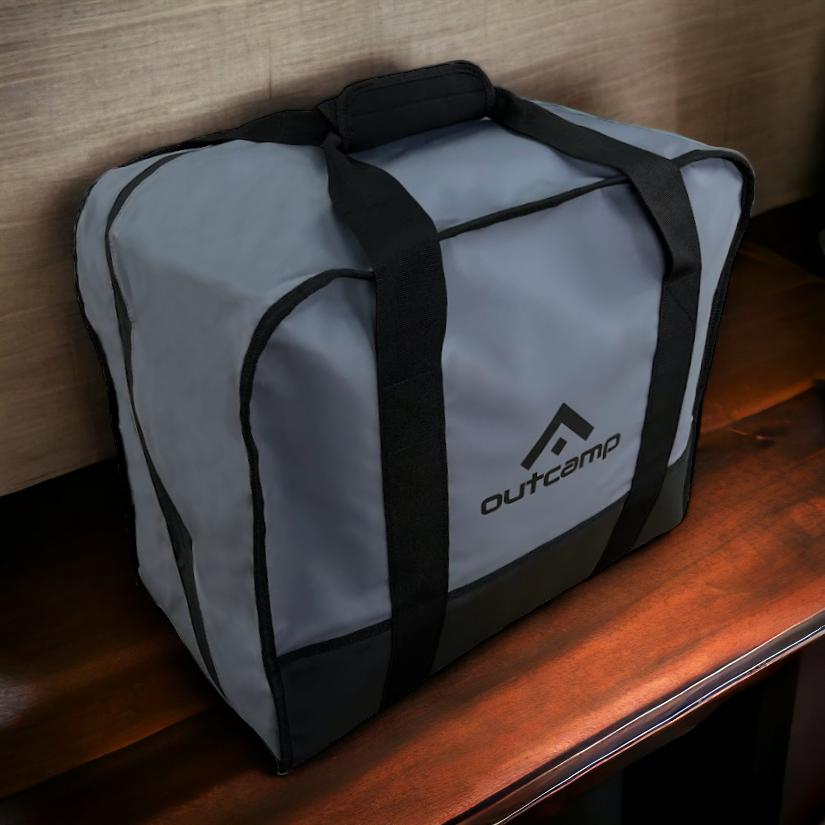
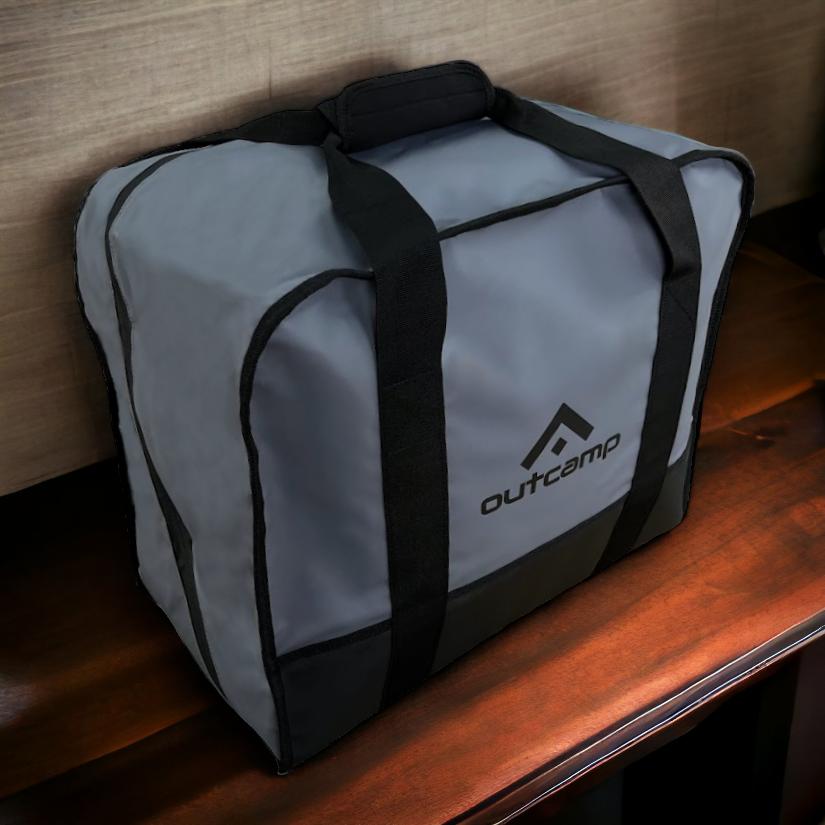
While most high-end fridges like Bushman or Dometic have decent internal insulation, they are still just plastic or metal boxes sitting in a hot vehicle. A dedicated insulation jacket is one of the best investments you can make. These covers add an extra layer of thermal resistance, helping the cabinet maintain its temperature even when the interior of your car hits 60°C while parked at a scenic lookout.
Beyond the jacket, physical shading is critical. If your fridge is exposed to direct sunlight through a window or on the back of an open tray, it will consume significantly more power. Use window shades, or better yet, position your vehicle so the fridge side is in the shade during the hottest part of the day. A simple reflective sunshade draped over the fridge while parked can make a massive difference to its duty cycle.
3. Smart Temperature Management
One of the most common mistakes campers make is setting the fridge too cold. For a standard fridge-only setup, a setting of 3°C to 4°C is perfect. Dropping it to 1°C might feel "safer," but the compressor will run significantly more often to maintain that temperature, with very little actual benefit to food preservation.
If you have a dual-zone unit, use the smaller compartment as the freezer and keep it as full as possible. Air doesn't hold cold well, but frozen water and food do. A full freezer acts as a "thermal battery," helping the unit maintain its temperature without the compressor needing to fire up as frequently.
The "Empty Space" Rule
An empty fridge is an inefficient fridge. Every time you open the lid, the cold air falls out and is replaced by warm air, which the fridge then has to cool down. If you're running low on food, fill the gaps with bottles of water or even empty cardboard boxes. This reduces the volume of air that needs to be cooled every time you grab a cold drink.
4. Battery Voltage Protection Settings
Almost every quality 12V fridge has an integrated battery protection system (often with "Low," "Medium," and "High" settings). This tells the fridge when to cut out to ensure there’s still enough juice in the battery to start your car. However, if you're running a dedicated auxiliary battery (lithium or AGM), the default "High" setting might be cutting the fridge off too early.
For most dual-battery systems, the "Medium" setting is the sweet spot. It protects the battery from deep discharge while allowing the fridge to run through the low-voltage periods typical of overnight camping. If you’ve upgraded to a lithium auxiliary battery, you can often use the "Low" setting, as lithium maintains a higher voltage for much longer than traditional lead-acid batteries.
5. Pre-Cooling and Packing Logic
The hardest work your fridge will ever do is cooling down from ambient temperature to 4°C. Don't waste your precious auxiliary battery capacity on this process. Plug your fridge into 240V at home 24 hours before you leave and get it down to temperature. Similarly, make sure all your food and drinks are already cold before they go into the camp fridge.
When packing, think about the "opening frequency." Place the items you need most often—like drinks or snacks—near the top or on one side, so you can grab them quickly without leaving the lid open for a minute while you rummage through the bacon and eggs. Every second the lid is open is power wasted.
Real-World Touring Tips
- Carry a Spare Fuse: Fridge plugs take a lot of vibration. A 10A or 15A blade fuse is cheap insurance against a warm fridge.
- Check Your Wiring: If your fridge is cutting out but your battery is full, you likely have "voltage drop" due to thin wiring. Upgrading to 6mm automotive cable can solve most fridge-startup issues.
- The Thermometer Trick: Don't always trust the fridge's digital readout. Use a small, cheap wireless thermometer inside the cabinet to get a more accurate picture of the actual food temperature.
Outcamp Gear Recommendation
Ensuring your fridge has a stable, high-current power source is the foundation of off-grid reliability. If you’re struggling with loose cigarette lighter plugs or thin factory wiring, check out our range of Heavy-Duty 12V Accessories. From SB50 Anderson connectors to high-output sockets, we have the gear to ensure your fridge stays online no matter how corrugated the track gets.
Explore the collection here: 12V Electronic Accessories & Charging
Final Word
Mastering your camp fridge isn't about having the most expensive unit on the market; it's about understanding how to make the gear you have work efficiently. By managing airflow, insulation, and battery settings, you can turn a temperamental setup into a rock-solid system that keeps your supplies fresh and your beer cold from the Red Centre to the coast.
What’s your number one tip for keeping the fridge running longer? Join the conversation in the comments below!




Leave a comment (all fields required)