You hear them before you see them — a long, wet exhale carrying across the water, and then nothing, and then another one further down the coast. On a still October morning at Green Cape you can stand on the cliff top and count humpbacks heading south in pairs, cows with calves tucked in close.
This is the far south coast of New South Wales, and for about six weeks either side of now it's one of the best stretches of coastline in the country to have entirely to yourself.
Why Now
Spring is the window here, and it's a narrow one. The humpbacks are on their southward run back to Antarctic waters, which means they come in close to the headlands rather than out over the shelf — Green Cape, Tathra and the cliffs north of Eden are all good vantage points, and you don't need a boat to see them. Shearwaters arrive in the same weeks.
The heath is the other reason. The coastal scrub along these cliffs flowers hard in spring — white, pink and yellow low shrubs that turn the cliff tops into something closer to a garden than a windswept headland. Combine that with mild days, campgrounds that aren't yet full, and water clear enough to see the reef under it, and you've got the best version of this coast.
Come in January and you'll share it with everyone else.
Getting There
Merimbula is the practical base. Qantas and Rex both fly in from Sydney in a little over an hour, and Eden is about twenty minutes further south by road. Driving, it's a long day down the Princes Highway from Sydney through Batemans Bay, Narooma and Bermagui; from Canberra it's a shorter run south through Cooma.
The highway is sealed and straightforward, but almost everything worth seeing is off it. Ben Boyd National Park stretches along the coast between Boyds Tower and Green Cape Lighthouse, and the access roads into the park are unsealed — usually fine in a 2WD in dry weather, but graded infrequently and can be rough after rain. If you're towing, leave the van at Merimbula or Pambula and drive in.
Five Things Worth Your Time
Green Cape and the Light to Light Walk
The Light to Light runs about thirty kilometres from Boyds Tower to Green Cape Lighthouse and takes two to three days, with camping in between. You don't have to walk the whole thing — the last section in to Green Cape is the payoff, and the lighthouse itself is one of the most exposed buildings on the NSW coast.
Saltwater Creek and Bittangabee Bay
Two of the classic Ben Boyd campgrounds, both tucked into the bush behind the beach. Bittangabee has the ruins of an old stone store and a protected bay that's good for a swim; Saltwater Creek is the better bet with kids. Both are tent-only — no caravans or camper trailers.
Mowarry Point and Hegartys Bay
These are the new remote additions to Ben Boyd, and they've changed what's possible here. Both now have hardwood camping platforms, amenities buildings and rainwater tanks, and both put you a short walk from coastline that used to be day-trip only. They're the reason a spring trip here is worth planning around a walk rather than a drive.
Pambula River and the lakes
Pambula River is forest-fringed and glassy, and a kayak is the right way to see it — you'll pick up sea eagles, oyster leases and, if you time the tide, a lot of flathead. Merimbula's lake system is right next door and just as good.
The headlands between Tathra and Bermagui
If the wind is up, work north. Tathra headland, the Bega River mouth and the lookouts around Bermagui give you options on any wind direction, and all of them are within an easy drive of the main towns.
Where to Stay and Camp
Inside Ben Boyd National Park you're looking at Saltwater Creek and Bittangabee Bay, plus the new Mowarry Point and Hegartys Bay sites. All of them are booked through NSW NPWS, fees apply, and bookings matter in peak periods — spring weekends are already filling. Read the current park notices before you commit, because sections of this coast close for track work and fire risk at short notice.
If you're in a caravan or camper trailer, base yourself in Merimbula, Pambula Beach or Tathra instead — all have established parks close to the water — and day-trip into the park. Eden and Bermagui both have good options as well. Closer to Narooma, Mystery Bay is a longstanding coastal campground that works well as a stopover on the way through.
Practical Tips
- Book before you leave. NPWS campgrounds here are small and genuinely do fill in spring. Fees apply and everything is booked online.
- Fuel up in the towns. Merimbula, Eden, Bega and Bermagui all have fuel and decent supplies. There's nothing inside the park, so top up before you turn off the highway.
- Don't count on phone coverage. It drops away quickly inside Ben Boyd and along the Light to Light. Download your maps and anything else you need before you leave town.
- Carry your own water. Some campgrounds now have rainwater tanks, but treat them as a bonus rather than a plan — particularly late in spring.
- Give the whales room. Watch from the cliffs and keep your distance on the water. The rules exist because these are mothers and calves on a long trip.
- Pack for four seasons in one day. Spring here is warm and still by mid-morning and cold and blowing by the afternoon. Layers, a windproof shell and proper shoes for the cliff tracks.
Where the Gear Comes In
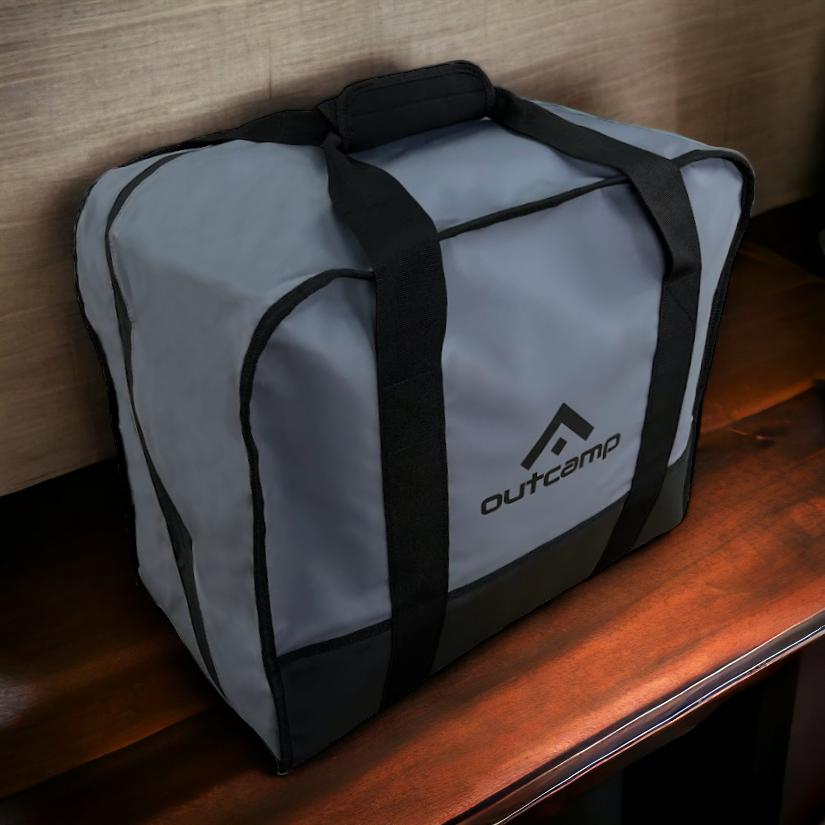
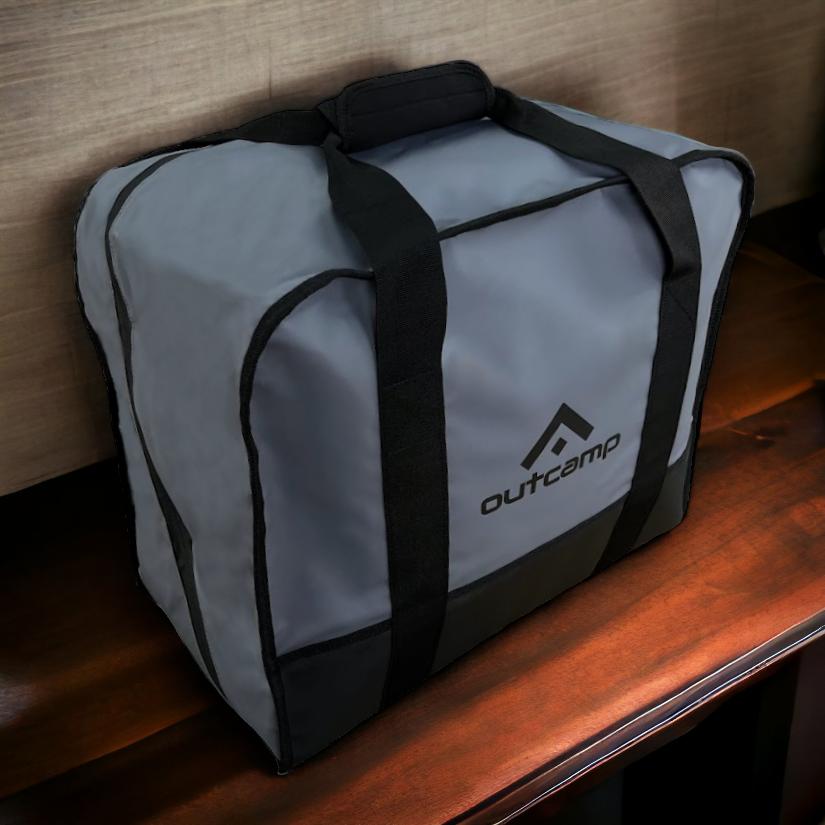
Most of this coast is about walking and fishing rather than hard 4WD, so the kit that earns its place is the unglamorous stuff — gear bags that keep wet waders and fishing clothes away from the rest of your load, and storage that survives a few days of salt and sand. Our 4WD and camping range covers the gear-bag and touring side of that if you're sorting the vehicle before you head down.
Next
If you're working your way around the state, the New South Wales Travel Destinations blog has guides to the Darling River Run, the Snowy Mountains, the Blue Mountains, Barrington Tops, Wollemi and the Waterfall Way — between them they cover most of what's worth driving to in NSW. Tell us in the comments if we've missed a stretch of the south coast you rate.