ML
The Pacific Highway does its best to hide the coast for hours, and then you turn off at Kempsey and follow the Macleay River down through cane and scrub, and the whole thing opens up at once. A river mouth, a headland with a lighthouse on top of it, and a bay where an old gaol sits in ruins above the sand.
South West Rocks is what the mid-north coast looks like when it hasn't been over-designed. Two national parks sit either side of the town, the surf is on one side of the headland and flat water on the other, and nothing much has been built on the skyline.
Why go in November, specifically
Because this window closes fast. Whale season along the NSW coast runs roughly May to November, so you're catching the last of the humpbacks heading back south. The water has had a month of warm days on it and is finally swimmable without negotiation. And the Christmas school holidays, when every site in town is booked out and the beaches get busy, are still six weeks away.
Late spring here is also the quiet stretch for the parks themselves. Campgrounds take bookings and fill up later in the season, so a November site is comparatively easy to get at short notice.
Getting there
Turn off the Pacific Highway at Kempsey. The road down to South West Rocks is sealed the whole way and the town sits at the river mouth. Smoky Cape and the Hat Head end are roughly 40 km north-east of Kempsey on the South West Rocks road, and Arakoon is a few minutes south of town.
Park entry is $8 per vehicle per day for both Arakoon and Hat Head national parks. Trailers and vans are fine on the main roads; the beach access is where it gets interesting, so check conditions at the visitor centre before committing a heavy vehicle to sand.
What to actually do
Trial Bay Gaol at Arakoon
A nineteenth-century gaol built to house prison labourers sent to construct a breakwater, which never got finished. What's left is a roofless granite ruin on a headland above the bay, and it is genuinely strange and beautiful in a way the photos don't quite capture. The visitor centre at 73 Trial Bay Gaol Road runs guided tours, including a twilight version and an adults-only sunset walk.
Smoky Cape Lighthouse
The lighthouse sits on the headland above the beach and keeper's cottages, with the sort of view that justifies the walk up from the carpark. Guided tours run through the lightstation, and the keepers' cottages are bookable if you'd rather sleep up there than in a tent.
Front Beach and Little Bay
The bay side is sheltered, which on a windy spring day is the difference between swimming and watching. Front Beach at Arakoon is the family option, with snorkelling and paddling off the rocks, and Little Bay has a picnic area and a walking track north to Gap Beach.
Korogoro and the Hat Head tracks
Hat Head National Park has the better walking. The Korogoro track runs along the headland, Connors and Green Island tracks get you onto the beaches, and the Kinchela Trig lookout is worth the climb. The Little Bay to Gap Beach track links the two parks.
Fishing the headlands
The rocky foreshores around Arakoon and the beach gutters towards Hat Head are the drawcard for a lot of people who come here. Rock fishing is the part of this coast that deserves respect rather than enthusiasm: fish the calm side, watch a full tide cycle before you commit, and wear a lifejacket.
Where to stay
Trial Bay Gaol campground at Arakoon is the pick if you want to walk to the water, with sites a short stroll from Front Beach. Hat Head has two more options: Hungry Gate campground and Smoky Cape campground, both inside the national park and both bookable through NSW National Parks. If the weather turns, Little Bay Cottage and the Smoky Cape lighthouse keepers' cottages are the two roofed options in the parks.
Book ahead even in November. This coast is a known quantity for school holiday families and the park sites are limited.
Practical notes
- Book park campsites online before you drive in. There's no reliable mobile signal at the campgrounds to do it on arrival.
- Mermaid Pools is marked unsafe by NSW National Parks and has a history of drownings. Look, don't swim.
- Whales are tailing off by November. Bring binoculars for the headland lookouts rather than expecting a close pass.
- Salt and sand get into everything. Rinse reels and anything with moving parts in fresh water at the end of each day.
- Fuel and supplies: South West Rocks and Kempsey both have everything. The park campgrounds have neither.
- Dogs are not permitted in the national parks, so plan around the town beaches if you're travelling with one.
Staying connected
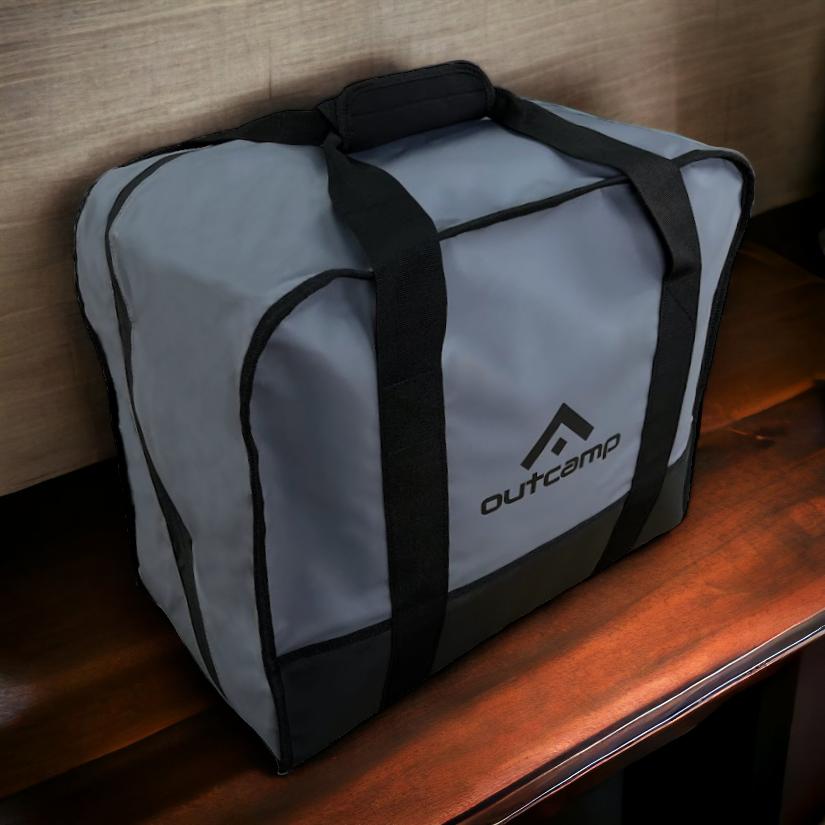
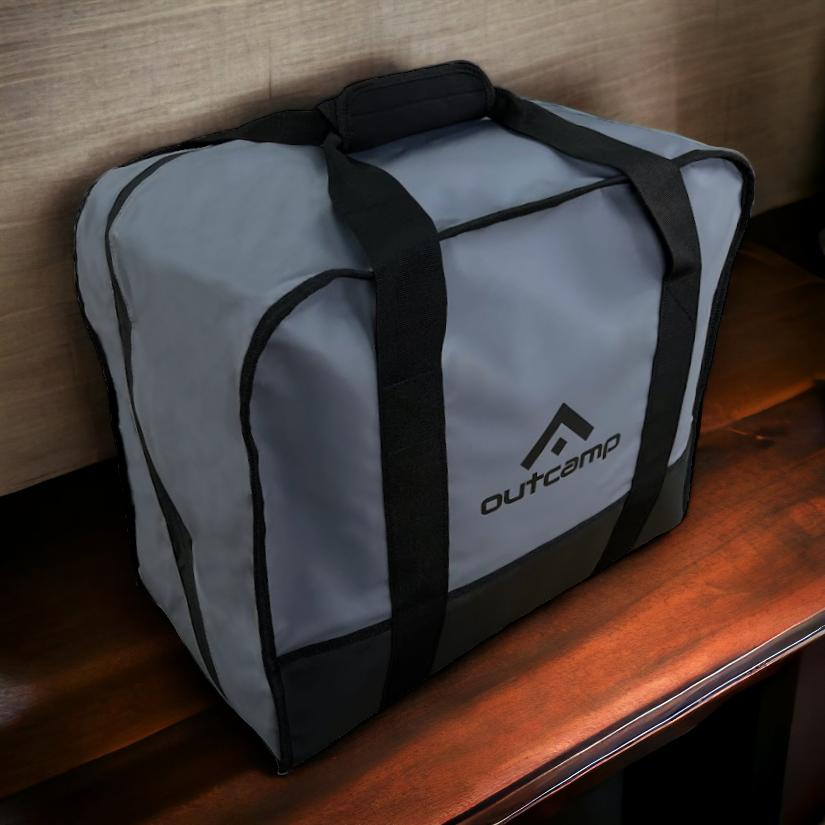
Coverage in the parks is patchy, and NSW National Parks recommends downloading maps through their app before you arrive because you won't be able to pull them down at the campground. If you need a reliable link for work or to check in at home, a Starlink Mini runs off 12V and packs into a carry bag small enough to live in the wagon, which suits a coastal site with no power and no bars. Keep it in the bag when you're not using it; salt air is unkind to terminals.
One last thing
Give this stretch three nights rather than two. One for the gaol and the bay, one for the lighthouse and the walking, and one to do nothing but sit on the sand at the river mouth while the light goes. The third day is the one people remember.
If you're building a longer run down the coast, the rest of our New South Wales travel guides cover the far south coast, the high country and the outback, and they string together well as a week-long loop.