


The Ultimate 2026 Guide to Caravan Diesel Heaters in Australia
As the winter sun dips below the horizon in the Flinders Ranges or the Victorian High Country, the temperature doesn't just drop—it plummets. For many Australian caravanners, this used to mean either packing up the van for the season or shivering through the night under four layers of woollen blankets. But in 2026, the game has changed. The diesel heater has gone from a luxury "extra" to an essential piece of kit for year-round touring.
If you’ve ever sat in a freezing van watching your breath mist up while the wind howls outside, you know that a reliable heat source isn’t just about comfort—it’s about extending your travel season and enjoying the best of Australia’s off-grid locations without the chill.
Quick Answer / TL;DR
Diesel heaters are the most efficient way to heat a caravan off-grid. They use a tiny amount of diesel (0.1L–0.3L per hour) and minimal 12V power to produce dry, radiant heat. For permanent setups, a fixed 2kW unit is the gold standard for most 15–20ft vans. If you swap between a van and a camper trailer, a portable "all-in-one" unit offers flexibility but requires careful exhaust management.
How Does a Diesel Heater Actually Work?
Unlike a noisy electric fan heater that chews through your battery or a gas heater that can produce unwanted moisture, a diesel heater is a "dry" heat system.
It works via a combustion chamber. Diesel from your tank (or a dedicated small tank) is pumped into the burner where it ignites. A fan then draws fresh air from inside the cabin, passes it over a heat exchanger (heated by the combustion), and blows the now-toasty air back into your van. Crucially, the combustion gases and exhaust are vented completely outside, meaning there’s no risk of carbon monoxide entering the cabin if installed correctly.
Fixed vs. Portable: Which is Right for You?
Fixed Units (Under-seat or Chassis Mount)
These are permanently installed inside your van, usually under a lounge or bed.
- Pros: Seamless integration, quietest operation (fuel pump is mounted outside), fuel is piped directly from your main tank or a mounted auxiliary tank.
- Cons: Higher initial cost, permanent modification to the van floor for the exhaust.
Portable "All-in-One" Units
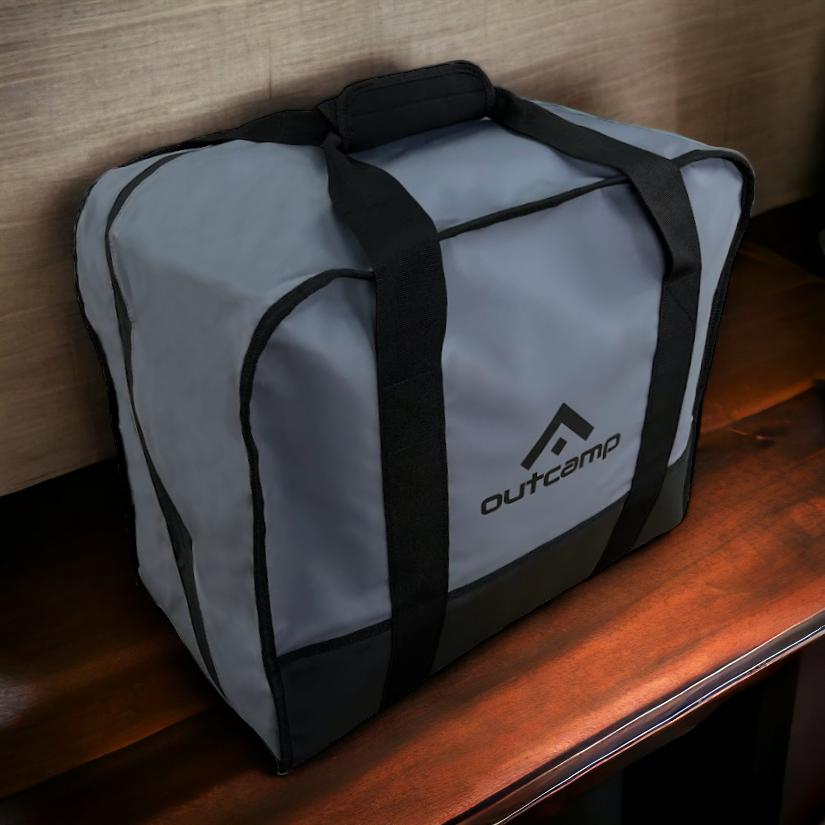
These look like a large suitcase and house the heater, fuel tank, and pump in one box.
- Pros: No installation required, can be moved between vehicles, cheaper upfront.
- Cons: Noisier (the pump is right there), you have to manage a heavy box and an external exhaust pipe every time you set up.
| Feature | Fixed 2kW Unit | Portable Unit |
| :
| :
| :
|
| Best For | Caravans & Motorhomes | Camper Trailers & Tents |
| Noise Level | Low (Internal) | Moderate |
| Fuel Source | Main or Aux Tank | Internal 5L Tank |
| Space | Minimal (Hidden) | Bulky (Needs floor space) |
What to Look for in 2026: Key Specs
1. 2kW vs. 5kW
One of the most common mistakes is "over-speccing." A 5kW heater is designed for large trucks or buses. If you put a 5kW unit in a standard 18ft caravan, it will get the van to temp so quickly that it will constantly cycle on and off. This leads to "carbon-up" (soot build-up) in the burner. For 90% of Australian caravans, a 2kW unit is far more efficient and will run on its optimal setting for longer.
2. Altitudal Adjustment
If you're heading to the Snowy Mountains or the high plains of the NT, look for a unit with an automatic altitude sensor. As the air thins, the fuel-to-air ratio needs to adjust. Modern units from brands like Autoterm or high-end Chinese imports now include this as standard.
3. Fuel Pump Type
Look for a "silent" fuel pump. The clicking sound of a standard diesel heater pump is the number one complaint from neighbours at free camps. A high-quality dampener or a silent-style pump makes a world of difference.
Safety First: The Non-Negotiables
Diesel heaters are incredibly safe, but only if you respect the physics.
- Exhaust Clearance: Ensure your exhaust pipe vents away from your annexe and away from any windows or vents.
- CO Monitor: Never run a diesel heater without a dedicated Carbon Monoxide (CO) alarm in the van. Even the best installation can develop a leak over time.
- Floor Sealing: When installing a fixed unit, the "turret" or base plate must be sealed perfectly to the floor. You don't want road dust or exhaust fumes being sucked back in.
Installation Tips for the DIY Tradie
If you’re handy with a drill and 12V wiring, you can install a fixed unit yourself, but keep these in mind:
- Mounting: Use a stainless steel mounting plate to protect your van's timber or composite floor from the heat of the unit.
- Wiring: Don't skimp on the cable size. Diesel heaters require a high "glow plug" current (up to 10-15A) for the first 60 seconds of start-up. If your voltage drops too low, the unit will throw an error and fail to start.
- Fuel Line: Always mount the fuel pump at an angle (approx 30-45 degrees) with the outlet facing up. This prevents air bubbles from getting trapped and causing the heater to flame out.
Real-World Touring Tips
- The "Burn-Off": Even in summer, run your heater for 15-20 minutes once a month. This keeps the fuel fresh in the lines and prevents the internal components from seizing up.
- Battery Management: Remember that while the fuel usage is low, the fan uses about 1-2 amps per hour. If you're off-grid for a week, ensure your solar and battery bank (check our [12V power guide](/blogs/electronic-accessories-and-gear/li-fe-po4-vs-agm-batteries-the-australian-campers-2026-upgrade-guide)) are up to the task.
- Diesel Choice: Use high-quality "premium" diesel where possible. It burns cleaner and keeps the glow plug and mesh screen in better condition for longer.
Powering Your Winter Comfort
A diesel heater is only as good as the 12V system supporting it. To ensure your heater starts every time—even on those -5°C mornings—you need stable voltage. Check out our [12V Accessories collection](/collections/12v-accessories) for high-current wiring kits and battery monitors that ensure your off-grid power setup is ready for the winter haul.
Close
Are you a fan of the fixed install, or do you prefer the flexibility of a portable unit? Share your winter heating setup and your favourite cold-weather camps in the comments below!




Leave a comment (all fields required)