


In the demanding environment of Australian civil construction, the baseline for project success has moved beyond the physical movement of earth. As we push into the middle of 2026, the real-time movement of data has become as critical as the movement of material. From massive road corridor projects in the Kimberley to greenfield subdivisions on the edge of the expanding capital cities, civil contractors are managing high-consequence sites that rely on sub-centimetre BIM (Building Information Modelling) syncing, real-time machinery telemetry, and constant safety monitoring. The introduction of the Starlink Mini has provided the high-speed backhaul required for these digital workflows, but the challenge of securely and safely mounting this hardware to a fleet of multi-million dollar plant equipment remains a significant operational hurdle.
The traditional approach to mounting site communications equipment often involved permanent modifications—drilling holes into cabins, welding brackets to ROPS (Roll-Over Protective Structures), or relying on unreliable temporary suction mounts that fail under the high-vibration environment of a working machine. For a fleet manager or a project safety officer, these methods are non-starters. Drilling into a certified safety cab instantly voids the structural integrity certification and manufacturer warranty of the machine, creating a massive liability and resale headache. This is exactly why the civil construction sector has pivoted toward high-strength magnetic solutions, specifically the MagLock Pro Magnetic Vehicle Mount, as the standard for Starlink Mini site integration.
Zero-Drill Compliance: Navigating ROPS and FOPS Safety Standards
Work Health and Safety (WHS) regulations in Australia are some of the strictest in the world, and for good reason. On a busy construction site, the operator's cabin is a survival cell designed to protect the worker in the event of a rollover or a falling object. These cabins are engineered, tested, and certified as a single, integral unit. Any modification—no matter how small—that involves drilling, cutting, or welding to the structural pillars or the roof plate can immediately decertify the machine. If a modified machine is involved in a site incident, the contractor faces severe legal and insurance consequences.
The Liability of Permanent Modifications
When a civil contractor brings a piece of hired plant onto a major infrastructure project, the first thing the site auditor looks for is the integrity of the ROPS/FOPS structure. A single 10mm hole drilled to mount a satellite antenna can result in the machine being stood down until it is recertified by a qualified engineer—a process that can cost thousands of dollars and days of downtime. This creates a friction point where site connectivity is needed, but the cost of achieving it through traditional mounting methods is too high.
The MagLock Pro Magnetic Vehicle Mount solves this compliance challenge by offering a high-performance mounting point that requires zero physical modification to the vehicle. By utilizing a magnetic interface, the mount adheres to the existing steel surfaces of the machine with a grip that exceeds the requirements for high-speed transit and high-vibration operation. For contractors, this means the Starlink Mini can be moved from a support ute to a grader, and then to a site donga, all while maintaining the full safety certification of every asset.
Rubber-Coated Protection for Fleet Integrity
Beyond structural safety, fleet managers are concerned with the long-term value of their assets. Metal-on-metal contact, common with lower-quality magnetic bases, quickly results in paint scratches and surface rust—particularly in the salt-heavy environments of coastal infrastructure or the abrasive red-dust regions of the Pilbara. These minor damages can lead to significant "fair wear and tear" penalty fees when returning leased equipment or a lower valuation at the time of sale.
Our magnetic solutions, including the Starlink Mini Portable Magnetic Roof Mount, feature high-grade neodymium magnets entirely encased in a thick, durable rubber coating. This coating serves two functions: it provides a non-slip friction layer that prevents the mount from "walking" across the roof under high vibration, and it creates a soft buffer that protects the machine's finish. It allows a contractor to maintain a high-tech, connected fleet without degrading the physical condition of the machines.
Scalability and Rapid Fleet Deployment
Infrastructure projects often scale up and down rapidly. A contractor may win a contract extension that requires ten additional pieces of equipment to be on-site and operational within forty-eight hours. Manually wiring and mounting permanent comms gear to ten different machines is a significant logistical task. A magnetic system, however, allows for "plug-and-play" scalability.
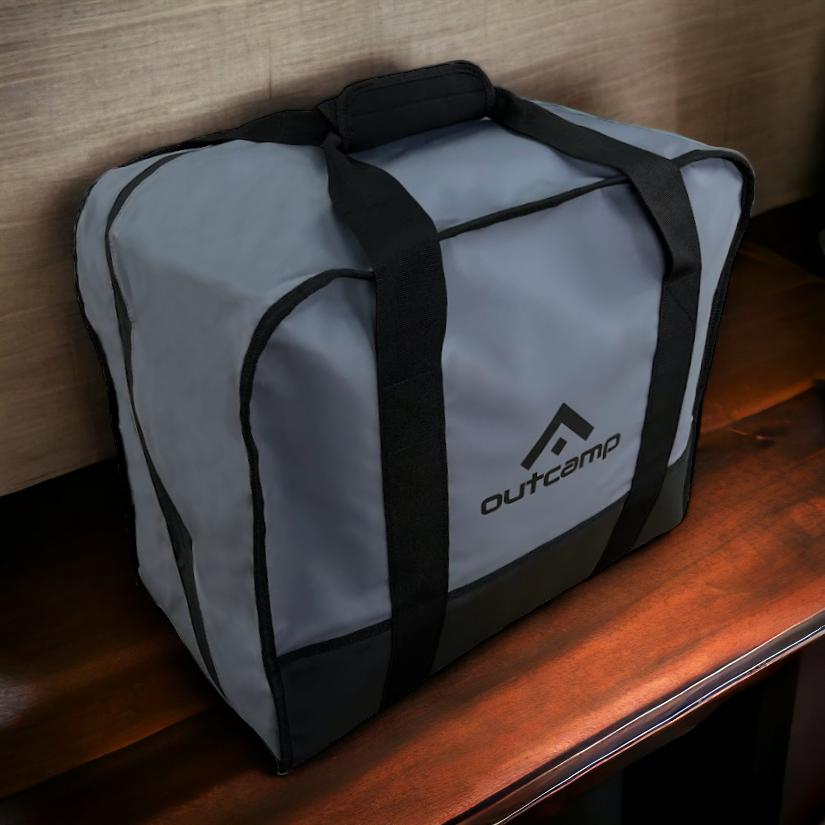
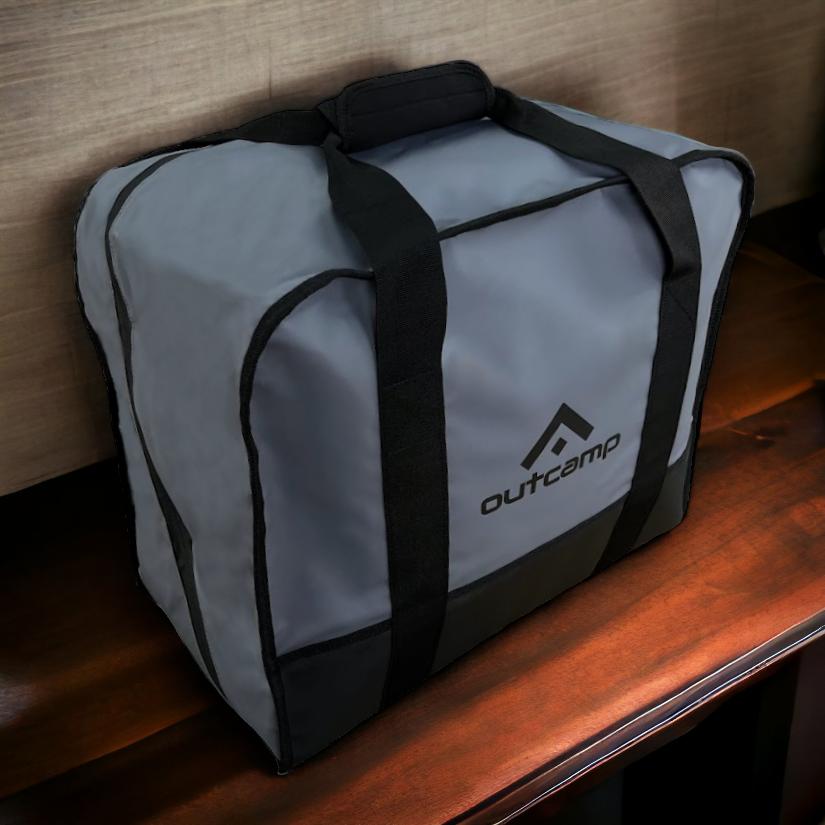
By standardizing on a kit that includes the Starlink Mini Hard Protective Travel Case and a MagLock Pro mount, a project manager can issue each operator a complete "Connectivity Pack." The operator can deploy their own high-speed link in under two minutes, regardless of the machine they are assigned for the day. This decentralization of the technical setup reduces the burden on the site's IT and electrical teams, allowing them to focus on the core network infrastructure.
"WHS compliance is the first gate a piece of technology has to pass on our sites. If it requires a drill bit to go into a cab, it's not happening. The MagLock Pro has allowed us to put high-speed BIM data into the hands of every grader operator without touching a single safety structure. That is the definition of a practical site solution."
Harmonic Vibration: The Silent Killer of Site Electronics
While the Starlink Mini is a rugged, solid-state device with no moving parts, it is still a precision electronic instrument. On a civil site, machines generate a wide spectrum of mechanical noise, ranging from the low-frequency thrum of a large diesel engine to the high-frequency "harmonic" vibration of a vibrating drum roller or a hydraulic hammer. For unprotected electronics, this constant shaking is a silent killer, leading to fatigued solder joints, loosened internal connectors, and premature component failure.
Dampening the Shock on the Mainline
Traditional rigid mounts transfer one hundred per cent of a machine's vibration directly into the Starlink dish. Over a twelve-hour shift, this mechanical stress is significant. The MagLock Pro Magnetic Vehicle Mount is designed with a specific architecture that provides a degree of natural vibration dampening. The rubber interface of the magnets and the specific density of the mounting plate work together to break the direct harmonic link between the machine's chassis and the hardware.
For contractors operating heavy plant like dozers and rollers, we recommend the Starlink Mini Alloy Magnetic Mount With Shield. The additional mass of the alloy enclosure and the secure fitment of the shield provide an even more stable environment for the dish. By reducing the "micro-rattle" of the hardware, the mount ensures that the signal stays locked and the internal components are preserved, even when the machine is operating at its maximum mechanical limit.
Cable Management in High-Vibration Zones
The point at which the power cable enters the Starlink Mini is perhaps the most vulnerable part of the system on an active job site. Constant shaking can cause the cable to vibrate within the port, eventually wearing down the pins or compromising the weather seal. On a civil site, a loose cable is also a snag hazard for operators climbing in and out of the cab.
The Starlink Mini 12V to 30V Power Supply (Anderson Plug) used in conjunction with our magnetic mounts allows for a much more robust electrical integration. We advocate for the use of heavy-duty, adhesive-backed magnetic cable tie mounts to secure the cable run from the dish to the power source. By eliminating "cable slap" and ensuring the cable is secured every thirty centimetres, contractors can prevent the port damage that often plagues temporary comms setups.
Maintaining Signal Lock During Motion
In the civil sector, many data-heavy tasks happen while the machine is moving. A grader needs constant GPS corrections for its automated blade control, and a scraper needs to sync its load counts to the site office in real-time. If a mount allows the dish to vibrate or wobble excessively, the Starlink unit's ability to maintain a precise lock on the satellite constellation is degraded, leading to "jitter" in the data stream and potential drop-outs.
The wide footprint of the MagLock Pro—utilizing four independent magnetic points—provides a level of torsional stability that a single-point mount cannot match. It prevents the dish from twisting or tilting under wind load or mechanical jar, ensuring that the phased-array antenna stays perfectly aligned with the sky. This stability is the difference between a reliable 150Mbps site link and a frustrating, intermittent connection that hinders productivity.
Real-Time Site Command: Industry 4.0 Telemetry and the Digital Twin
The shift toward the "Digital Job Site" is well underway in Australia. Project managers no longer wait for weekly survey reports to understand progress; they want to see the "as-built" data updated every hour. This requires every key piece of plant to function as a mobile data node, constantly uploading its position and performance metrics to a cloud-based digital twin of the project.
BIM Syncing and Machine Control
Building Information Modelling (BIM) has transitioned from the design phase to the active construction phase. On a modern highway project, the 3D model of the road is pushed directly to the machine control systems of the dozers and pavers. If an engineering change is made at the office, it needs to be synced to the machines in the field immediately to prevent costly rework.
Relying on weak cellular signals or intermittent site WiFi for these multi-gigabyte syncs is a recipe for delay. By equipping key machines with a Starlink Mini and a Starlink Mini Portable Magnetic Roof Mount, contractors ensure they have the bandwidth required for seamless BIM integration. It allows the site to operate with a "single source of truth," where every operator is working from the most current set of plans, no matter how remote the location.
Drone-Managed Sentry and Progress Tracking
Drones are now the primary tool for site volume calculations and progress tracking. However, the data captured by a drone is only useful if it can be processed and shared rapidly. On large corridor projects, drone pilots often operate out of 4WD utes, moving from section to section.
A ute equipped with a Starlink Mini Hard Protective Travel Case and a PeakDo LinkPower 2 Portable Power Bank (99Wh) becomes a mobile drone command centre. The pilot can upload high-resolution imagery and photogrammetry data directly from the field, allowing the engineering team back at the office to begin analysis while the drone is still in the air. This rapid feedback loop is essential for maintaining the aggressive timelines of modern infrastructure projects.
Enhancing Site Safety and Emergency Comms
The most important benefit of reliable site connectivity is safety. On many remote Australian sites, the "Lone Worker" policy is a mandatory part of the safety management plan. If an operator is working a section of a pipeline or a rail line where there is no radio or cellular coverage, they are at significant risk in the event of a medical emergency or a mechanical breakdown.
The Starlink Mini, secured by a MagLock Pro, provides a vital safety redundant stack. It allows for high-quality VOIP calls, real-time location tracking, and even remote medical consultations via telemedicine apps. In a high-consequence industry like civil construction, the ability to rapidly summon help can be lifesaving. By ensuring that the comms hardware is always protected and operational, contractors are fulfilling their primary duty of care to their workforce.
Frequently Asked Questions
Can the MagLock Pro handle the vibration of a rock breaker or pile driver?
While the MagLock Pro features industry-leading grip and vibration dampening, extreme percussion vibration—such as that from a large hydraulic rock breaker—represents the absolute limit of any temporary mounting system. For these specific applications, we recommend mounting the Starlink Mini to a support vehicle or a nearby site donga rather than directly to the high-vibration tool arm itself. For standard excavator, dozer, and grader operation, the MagLock Pro has been proven to perform flawlessly.
Is the magnetic mount safe for the vehicle's paintwork over long-term use?
Yes, provided the surface is clean during initial fitment. The thick rubber coating on our neodymium magnets is specifically designed to prevent metal-on-metal contact. We recommend that site crews wipe the mounting surface with a clean cloth before attaching the mount to ensure no abrasive grit is trapped between the rubber and the paint. On fleet vehicles that remain on-site for months, we suggest a monthly check to ensure no dust has migrated under the seal.
What happens to the mount in extreme heat or cyclonic winds?
The MagLock Pro is built to survive Australian conditions. Neodymium magnets maintain their strength well beyond the operating temperatures of the Starlink Mini itself (which throttles at fifty degrees Celsius). The vertical pull-strength of three hundred kilograms ensures the mount stays secure in high winds, and the UV-stabilized rubber coating prevents the degradation often seen in cheaper plastics. During extreme weather events (Category 3 cyclones or higher), we recommend stowing the hardware in its Starlink Mini Hard Protective Travel Case for absolute security.
Conclusion: Engineering Site Connectivity for the Long Haul
The transition to digital construction workflows is an irreversible trend that is delivering massive efficiency gains for the Australian civil sector. But this digital infrastructure is only as strong as its weakest link—the mounting and power solutions that keep the hardware running on the ground. A failed mount or a damaged cab-integrity certification is a cost that no project manager wants to bear.
Investing in a professional Starlink Mini magnetic vehicle mount like the MagLock Pro is a decision that respects the twin priorities of modern construction: high-speed data and absolute site safety. It is about removing the friction of deployment, ensuring WHS compliance, and protecting the longevity of the hardware in the world's most demanding work environment.
If you are outfitting a civil plant fleet or managing a remote infrastructure corridor, explore our range of Mining & Industrial Starlink Mini Accessories at Outcamp today. We build the gear that keeps Australia's heavy hitters connected, from the first scrape of the blade to the final handover.




Leave a comment (all fields required)