There is a sign at the end of a long, red-dirt road that every Australian 4WD tourer dreams of standing next to. It’s small, unassuming, and weathered by the tropical sun, but the words "The Northernmost Point of the Australian Continent" carry a weight that resonates through the entire off-road community. Reaching "The Tip" isn't just about a photograph; it is the culmination of thousands of kilometres of planning, river crossings, and some of the most challenging tracks in the southern hemisphere.
Expedition Cape York is the ultimate test of man and machine. As we move into the winter of 2026, the dry season has officially opened the gates to the Peninsula. The humidity of the wet has broken, the torrential rains have receded, and the legendary river crossings of the Old Telegraph Track (OTT) have dropped to manageable levels. If you are looking for the definitive Australian 4WD adventure, the time to head north is now.
Why Now: The Winter Dry Season Window
Winter in the Far North is the "sweet spot" for Cape York travel. Between June and August, the daytime temperatures settle into a comfortable twenty-eight to thirty degrees, while the nights drop to a crisp, manageable cool. Unlike the southern states, you won't be shivering in your swag, but you will appreciate the absence of the oppressive wet-season heat.
The tracks are currently in a state of flux. The early-season tourers have cleared the first washouts, and the major crossings like Gunshot and Logan’s Creek are at their prime—challenging enough to require low-range and a steady foot, but not so deep as to be project-stoppers. June 2026 has also seen a spectacular regrowth across the Jardine River region after a mild wet season, meaning the scenery is at its most vibrant green before the dust of the late dry takes over.
Getting There: The Run North from Cairns
The journey to the Tip begins in Cairns, the final bastion of full-scale civilization. From here, you have approximately one thousand kilometres of driving ahead of you. Most travellers head up the Peninsula Developmental Road (PDR), which is being progressively sealed but still contains massive stretches of corrugated gravel that will test every bolt in your suspension.
Expect the drive from Cairns to Bamaga to take anywhere from three to five days, depending on how much time you spend in the iconic stops along the way like Cooktown and Coen. It is essential to stock up on premium diesel and fresh produce in Coen or Weipa, as prices climb significantly the further north you push. We recommend allowing a full day in Weipa to sort your permits and enjoy a final meal at the Albatross Bay Resort before the final push to the Jardine River.
Highlights of the Cape York Expedition
1. The Old Telegraph Track (South and North)
The OTT is the reason most people come to the Cape. This narrow, winding track follows the original telegraph line and contains the region’s most famous obstacles. The South Section kicks off with the infamous Palm Creek, a steep, slippery entry that sets the tone for the rest of the trip. The North Section is famous for its deeper crossings, including Canal Creek and the terrifyingly steep Gunshot Creek.
2. Gunshot Creek
Even if you don't drive the main drop, standing at the edge of Gunshot is a rite of passage. It is a vertical drop of red clay that has claimed many a bull bar and radiator. In 2026, the "chicken tracks" are well-defined for those wanting to preserve their vehicle, but the atmosphere at the crossing remains electric as crews coordinate their descents and celebrate a successful entry into the creek bed.
3. Fruit Bat Falls and Eliot Falls
After the dust and adrenaline of the OTT, these swimming spots feel like a mirage. Fruit Bat Falls is a massive, natural weir of crystal-clear spring water that is completely crocodile-free. It is the perfect place to wash off the red dust and soak in the tropical atmosphere. Just a few kilometres further is Eliot Falls and Twin Falls, offering spectacular camping among the paperbarks and more pristine swimming holes.
4. Reaching The Tip (Pajinka)
The final walk from the car park at Pajinka to the rocky headland is a moment of reflection. As you scramble over the rocks and see the sign, looking out across the Torres Strait toward the islands, there is a profound sense of achievement. Whether you are there at sunrise or sunset, the perspective of being at the very top of the country is something that stays with you long after the red dirt has been washed off the ute.
Where to Stay: Iconic Cape Camps
Cape York offers some of the most atmospheric camping in Australia. The campsites at the Tip itself (Punsand Bay) offer the luxury of a beachfront bar and wood-fired pizzas—a well-earned reward after the OTT. For a more remote experience, the National Park camps at Eliot Falls are hard to beat, but ensure you book your sites online weeks in advance as they fill up quickly in the winter peak.
Further south, the Bramwell Tourist Park is a legendary social hub. Every night during the season, the park hosts live music and a communal dinner, where you can swap stories with other travellers who have just completed (or are about to start) the Telegraph Track. It is the heart of the Cape York community.
Practical Tips for the 2026 Season
- Tyre Pressures: Lowering your tyres is mandatory. For the corrugations of the PDR, aim for 25-28 psi. For the soft sand and creek entries of the OTT, don't be afraid to drop as low as 18-20 psi to find traction.
- Crocodile Safety: You are in croc country. Always observe the signage and only swim in designated areas like Fruit Bat Falls. Never camp right on the water's edge of tidal rivers or estuaries.
- Fuel and Water: Carry at least twenty litres of emergency fuel and ten litres of water per person. While roadhouses are spaced every 200-300km, a breakdown in the Cape can mean a long wait in the sun.
- Recovery Gear: A winch, Maxtrax, and a proper snatch strap are non-negotiable if you are tackling the OTT. Never travel the track solo—the "buddy system" is essential for safety and morale.
Staying Connected at the Top of the World
Cape York is one of the last true frontiers of the Australian outback, and once you leave the major roadhouses, you are in a total cellular black spot. While the isolation is part of the appeal, having a reliable way to check weather reports, update family on your progress, or coordinate a meeting point at the Jardine Ferry is a massive safety and convenience boost.
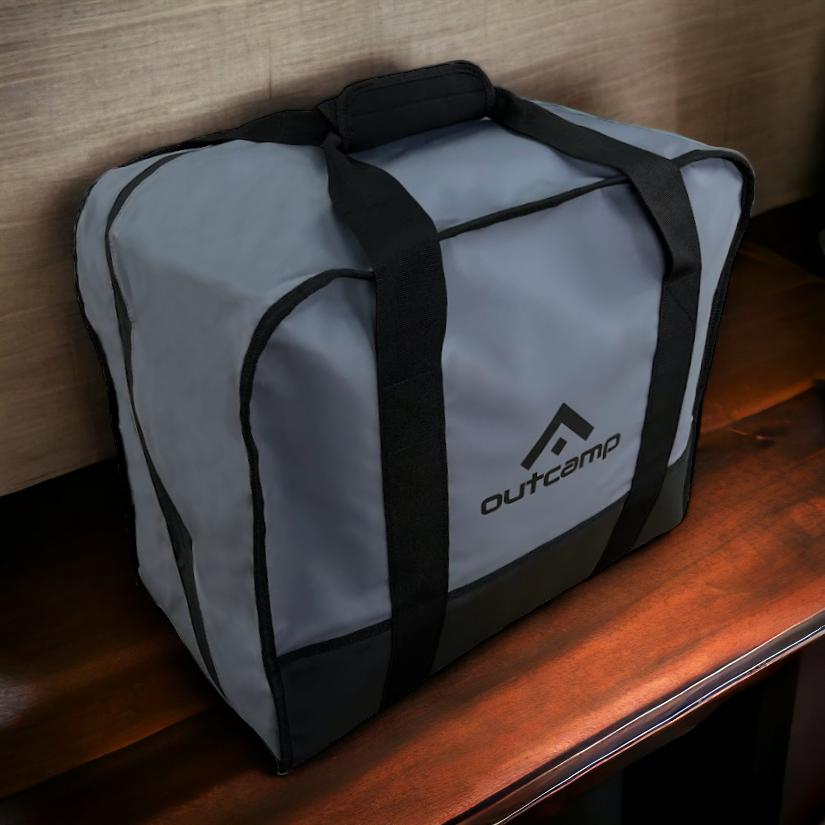
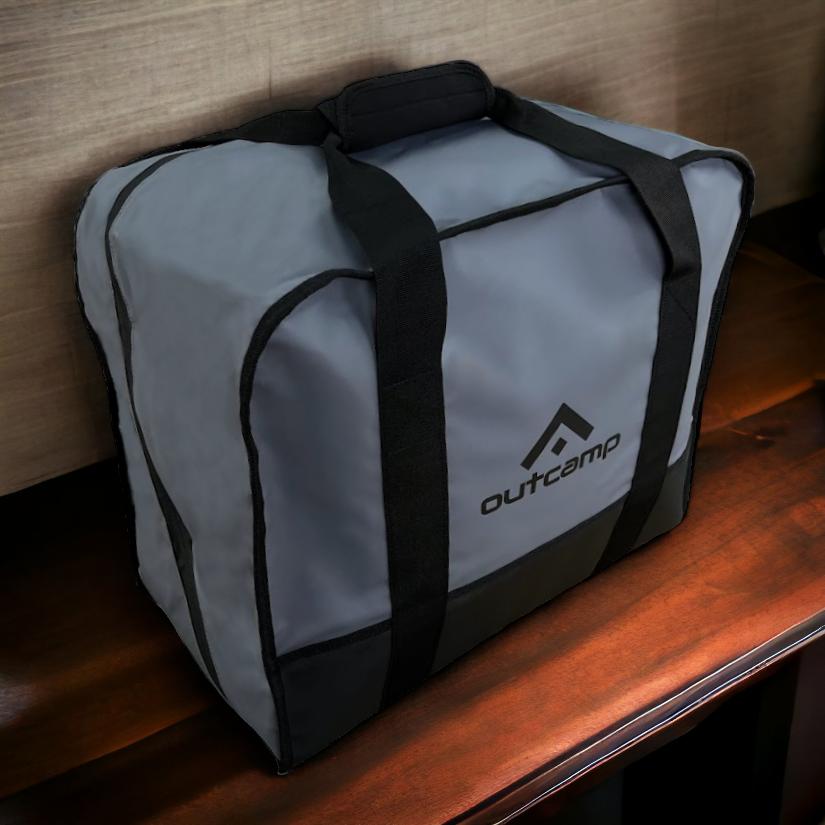
For Cape York expeditions in 2026, we have found the Starlink Mini to be an absolute game-changer. Its compact size and low power draw make it perfect for the 4WD tourer. When paired with our Starlink Mini Magnetic Mount or the Starlink Mini hard case for protection against the relentless corrugations and dust, you can have a high-speed link live on your bonnet or roof rack in seconds. It allows you to check the latest track closures or download high-resolution maps for the next leg of the OTT without having to wait until you are back in Weipa.
Closing Nudge
Cape York is a place that demands respect but rewards you with memories that last a lifetime. It is a journey through ancient landscapes, challenging tracks, and the incredible hospitality of the outback. Once you have reached the Tip, you will understand why the Cape is the ultimate goal for every Australian adventurer.
If you are looking for more inspiration for your next Aussie adventure, explore our other state guides on the blog. From the desert dunes of the Simpson to the misty rainforests of Tasmania, there is always another track to explore. Safe travels, and we'll see you on the red dirt.