


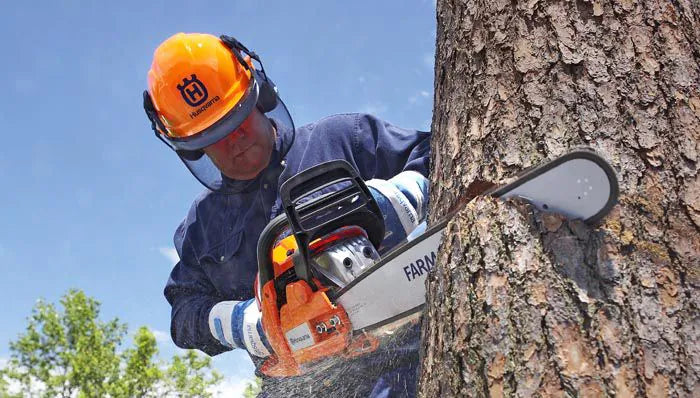
Operating a chainsaw requires a high level of safety consciousness. Chainsaws are powerful and versatile tools, but they can also be dangerous if not used correctly. One of the key aspects of chainsaw safety is wearing the appropriate safety gear. This article will delve deeper into the world of chainsaw safety gear, providing a detailed guide and examples of suitable equipment that can help protect you from potential injuries.
The Critical Role of Chainsaw Safety Gear
Chainsaws, while incredibly useful, can be hazardous. The chain of a chainsaw moves at high speed, cutting through wood with ease. Unfortunately, it can also cause severe injuries if it comes into contact with the human body. This is why wearing chainsaw safety gear is not just recommended, but essential for anyone using a chainsaw. Chainsaw safety gear is designed to protect the user from cuts, debris, and the impact of kickback, which can occur if the chainsaw blade suddenly jerks back towards the user.
Essential Chainsaw Safety Gear: A Closer Look
Chainsaw Helmet
A chainsaw helmet is a crucial piece of safety gear. It protects your head from falling branches, debris, and the impact of kickback. Chainsaw helmets often come with a face shield and ear protection attached, providing additional safety features. Some helmets also include a neck guard to protect against debris from the rear. When choosing a chainsaw helmet, look for one that meets safety standards and regulations, such as those set by ANSI (American National Standards Institute).
Chainsaw Chaps and Trousers
Chainsaw chaps and trousers are designed to protect your legs from cuts. They are made from layers of cut-resistant material that can quickly stop the chainsaw chain if it comes into contact with your leg. For example, Husqvarna, a well-known outdoor power equipment maker, offers chainsaw chaps made from multiple layers of Tek Warp protective material. Chainsaw trousers, on the other hand, provide all-around leg protection and are often preferred by professional chainsaw operators for their comfort and convenience.
Chainsaw Gloves
Chainsaw gloves are designed to protect your hands from cuts and abrasions. They are typically made from cut-resistant material and feature reinforced sections for added protection. Some gloves also offer anti-vibration features to reduce the strain of handling a chainsaw for extended periods. When choosing chainsaw gloves, consider the type of work you'll be doing. For heavy-duty work, you might want gloves with additional padding and reinforcement.
Chainsaw Boots
Chainsaw boots are designed to protect your feet and provide stability when working in challenging outdoor conditions. They are typically waterproof, offer excellent grip, and feature a steel toe cap for added protection. Some chainsaw boots also have cut-resistant material to protect against accidental contact with the chainsaw chain.
Choosing the Right Chainsaw Safety Gear
When choosing chainsaw safety gear, it's essential to consider the type of work you'll be doing, the environment you'll be working in, and how often you'll be using the chainsaw. For example, if you're a professional chainsaw operator who uses a chainsaw daily, you might want to invest in high-quality, durable safety gear designed for heavy use. On the other hand, if you're an occasional user, you might opt for more cost-effective options that still provide adequate protection.
Chainsaw Safety Gear: An Investment in Safety
Remember, chainsaw safety gear is not an expense; it's an investment in your safety. By wearing the appropriate safety gear, you can significantly reduce the risk of injury when operating a chainsaw. So, before you start up your chainsaw, make sure you're equipped with the right safety gear.




Leave a comment (all fields required)