


Australia's vast utility networks—comprising thousands of kilometres of power lines, pipelines, and water infrastructure—traverse some of the most isolated and unforgiving terrain on the planet. For the field crews tasked with maintaining these critical assets, the challenge has historically been as much about communication as it is about engineering. Moving through a high-voltage corridor often means moving beyond the reach of the mobile network, entering a "black spot" where real-time data syncing, project management, and even basic safety check-ins become impossible.
The arrival of the Starlink Mini has fundamentally changed the operational calculus for utilities providers and line-clearing contractors. It is no longer a matter of waiting until the end of the shift to upload inspection data or struggling with a high-latency satellite phone for an emergency check-in. By providing high-speed, low-latency internet in a portable, low-draw package, the Starlink Mini allows remote crews to maintain a continuous digital link to the central operations centre, regardless of how deep into the scrub they are working.
Real-Time Data and Digital Asset Management
In modern utilities maintenance, data is the most valuable tool in the kit. Whether it is a vegetation management crew mapping encroachments along a transmission line or an electrical team performing a thermal scan of a remote transformer, the ability to sync that data immediately is a massive efficiency gain. In the past, data was often stored locally on tablets or laptops, only to be synced when the crew returned to a depot or reached a town with 4G coverage. This lag created a bottleneck in project management and delayed the identification of critical faults that might require immediate rectification.
With a Starlink Mini Magnetic Mount fixed to the roof of a service ute, that same crew can now operate in a fully connected environment. Inspection photos, LiDAR scans, and GPS-tagged maintenance logs can be uploaded to the cloud the moment they are captured. This real-time visibility allows project managers in the city to track progress in the field, allocate resources more effectively, and provide instant feedback to crews on the ground. For large-scale line-clearing operations, where multiple teams may be working across a single corridor, this shared digital picture is essential for coordinating movements and ensuring that work is completed to specification.
Integration with Project Management Software
The Starlink Mini provides the bandwidth required to run professional-grade project management and GIS (Geographic Information System) software in the field. Tools like ArcGIS, Procore, and even simple cloud-based spreadsheets require a stable, high-speed connection to function correctly. When a crew can pull up a detailed asset map or a digital twin of a substation while standing right next to it, the risk of error is significantly reduced. They are not working from a cached version of a map that might be weeks out of date; they are working with live data.
This level of connectivity also facilitates better collaboration between field teams and technical experts. A junior technician faced with a complex mechanical issue at a remote pump station can now initiate a high-definition video call with a senior engineer hundreds of kilometres away. Using the high-speed link provided by the Mini, the engineer can "see" what the technician sees, providing real-time guidance that can prevent a multi-hour site visit or a costly equipment failure. It effectively puts an expert over the shoulder of every field worker, regardless of the location.
Telemetry and IoT Backhaul
For utilities providers, the Starlink Mini also serves as a critical backhaul for temporary or mobile IoT (Internet of Things) deployments. During major infrastructure projects or disaster recovery operations, providers often need to deploy mobile weather stations, water level sensors, or drone-based inspection systems. These devices generate significant amounts of data that must be transmitted back to central servers for analysis. The low-profile nature of the Mini, combined with its high throughput, makes it an ideal gateway for these systems.
A crew performing line-clearing near a sensitive environmental area can deploy remote sensors to monitor dust levels or noise pollution, with the data being streamed live via the Starlink link. This proactive approach to environmental compliance is becoming increasingly important in the utilities sector, and the Starlink Mini provides the technical foundation to make it happen in even the most remote corridors.
Enhancing Safety and Lone Worker Support
Safety is the non-negotiable priority for any organisation operating in the Australian bush. For utilities crews and line-clearing contractors, the risks are multifaceted: high-voltage hazards, remote travel, extreme weather, and the potential for mechanical failure. In these environments, communication is not just a productivity tool; it is a life-critical safety system. The Starlink Mini provides a level of redundancy and reliability that traditional mobile or radio systems simply cannot match.
For lone workers or small teams operating far from the nearest town, the Mini ensures that they are never truly alone. Automated check-in systems and GPS tracking can run continuously over the satellite link, providing the operations centre with a real-time view of every team's location and status. If a vehicle misses a scheduled check-in, the system can trigger an immediate alert, allowing for a rapid search and rescue response. This is a significant improvement over legacy satellite systems that often require a clear line of sight and a manual trigger, which may not be possible in a sudden emergency.
Emergency Communication and First Response
In the event of an incident, the high-speed connection provided by the Starlink Mini allows for a much more sophisticated emergency response. Instead of a garbled voice call over a satellite phone, a crew can transmit high-definition video of an injured worker to a remote medical team. This allows for more accurate triage and immediate first-aid instructions, which can be the difference between a minor incident and a tragedy. The ability to download medical protocols or access telemedicine portals in the field is a game changer for remote safety management.
Furthermore, the Starlink Mini is incredibly resilient to the very disasters that often knock out traditional communications. During bushfires or floods, mobile towers are often the first infrastructure to fail, either due to physical damage or power loss. Because the Starlink system communicates directly with a constellation of low-Earth orbit satellites, it remains functional even when the local ground infrastructure is destroyed. For utility crews working on the front lines of disaster recovery—restoring power after a storm or clearing debris from a road—the Mini provides a reliable communication link when they need it most.
Reliable Power for Constant Protection
To be a true safety system, the communication link must be always-on. This is where the Outcamp power ecosystem comes into play. A **Starlink Mini 12V to 24V Power Supply (Anderson Plug)** ensures that the Mini can be integrated directly into the vehicle's electrical system, providing a stable, high-efficiency power source that won't drain the battery overnight. For crews who are "camping out" on the job site, the **Starlink Mini Hardwire Power Cable (3.0M)** provides a permanent, professional installation that is ready to go the moment the engine starts.
By moving away from the standard 240V AC power brick and its inefficient inverter, crews can run the Mini for extended periods with minimal impact on their portable power stations or vehicle batteries. This efficiency is critical for multi-day deployments where every watt of power is precious. A **Starlink Mini Portable UPS Power Supply (7-10 Hours)** can even be used as a standalone backup, ensuring that the communication link remains active even if the vehicle's primary power system fails.
Portability and Durability in the Australian Corridor
The "Mini" in Starlink Mini is not just about size; it is about the ability to go where larger dishes cannot. For line-clearing crews who may need to leave their vehicles and hike into steep or densely wooded areas to reach a specific pylon, the portability of the Mini is a significant advantage. Weighing just over a kilogram and designed to fit in a backpack, the dish can be carried directly to the work site, providing a high-speed "bubble" of connectivity right where the work is happening.
However, portability must be balanced with durability. The Australian outback is a brutal environment for sensitive electronics. Dust, vibration, extreme heat, and heavy rain are constant threats. This is why Outcamp has developed a range of accessories specifically designed to weatherproof and protect the Starlink Mini in professional use cases.
Protecting the Asset
A Starlink Mini Dish Protector Shield is essential for any dish mounted on a vehicle or used in a high-activity work site. It provides an extra layer of protection against low-hanging branches, flying debris, and the inevitable knocks that occur during a busy shift. When combined with a **Starlink Mini Clear Protective Cover**, the dish is shielded from the fine, red bulldust that can infiltrate even the tightest seals.
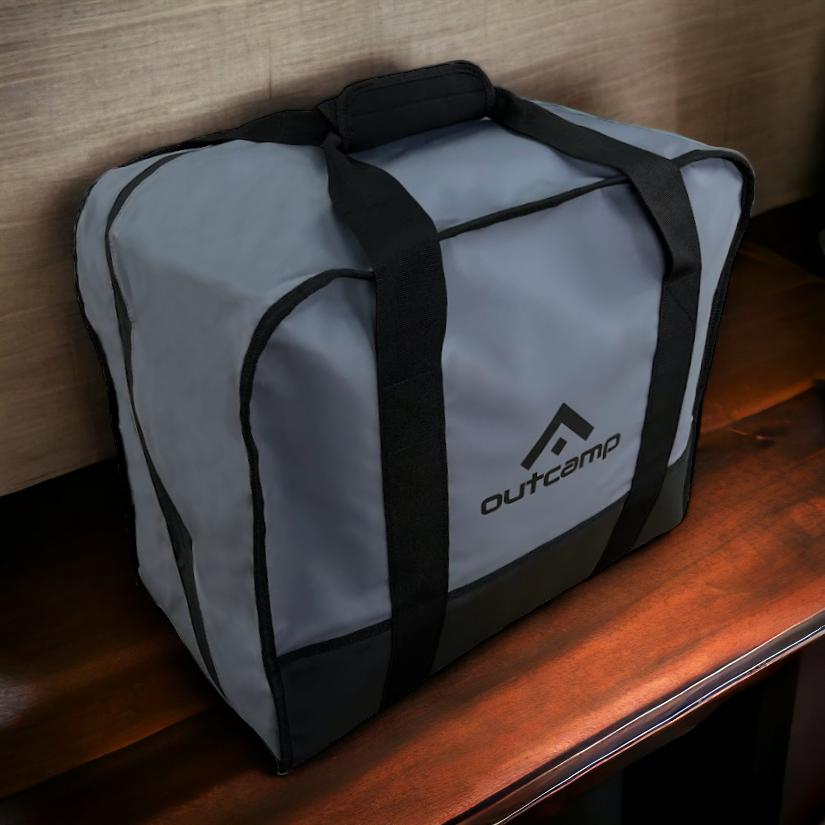
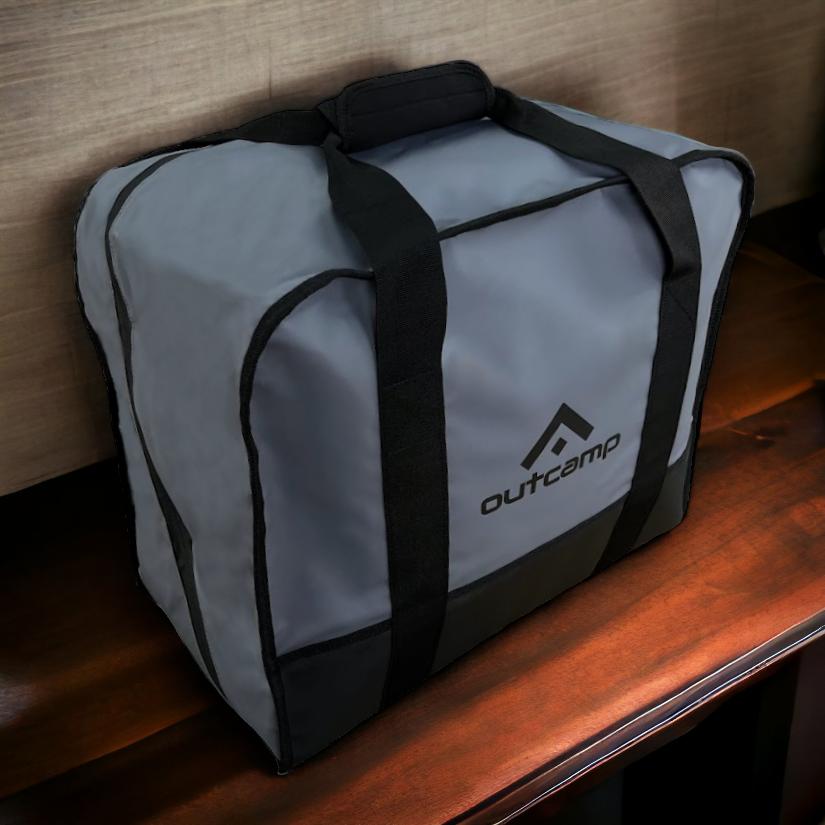
For crews moving between sites, the **Starlink Mini Hard Protective Travel Case** ensures that the equipment remains safe during transit. It's not just about protecting the dish itself, but also the cables and mounts that make the system functional. A professional utilities crew cannot afford for their communication link to be out of action because a cable was crushed under a heavy toolbag in the back of the ute.
"The ability to have a high-speed office in the middle of a remote power corridor has transformed how we manage our line-clearing crews. We’ve cut our reporting time by 60% and, more importantly, our teams feel safer knowing they have a reliable link back to base, no matter where the track takes them." — Operations Manager, Regional NSW Utilities Contractor
Mounting for Maximum Performance
Stability is the final piece of the puzzle. In a high-vibration environment like a 4WD maintenance track, a standard mount is not enough. The Starlink Mini Magnetic Mount provides a secure, low-profile attachment point that can be fixed to the roof of the cab or the tray of a ute. It ensures that the dish remains perfectly aligned for maximum signal strength, even when the vehicle is moving or parked on uneven ground.
For crews who need more flexibility, the **Starlink Mini Clamp on Universal Mount** allows the dish to be attached to a variety of structures, from a bull bar to a temporary fence post or even a section of a transmission tower (with proper safety protocols). This versatility ensures that the Mini can be deployed in the most effective position for the current task, whether that is a permanent vehicle install or a temporary site setup.
FAQ: Deploying Starlink Mini in the Utilities Sector
How does the Starlink Mini handle the extreme heat of the Australian outback?
The Starlink Mini is designed to operate in temperatures up to 50°C. However, in direct sunlight on a high-UV day, the internal temperature can rise quickly. It is important to ensure the dish has adequate airflow and is not enclosed in a way that traps heat. Using a Starlink Mini Dish Protector Shield can help provide a small amount of shade without interfering with the signal.Can we use the Starlink Mini while the vehicle is in motion?
Yes, with the correct mounting and power setup. The Starlink Mini is capable of maintaining a connection while moving at speed, provided it has a clear view of the sky. For utilities crews moving along a corridor, this allows for continuous tracking and real-time data streaming. A secure mount like the MagLock Pro Magnetic Vehicle Mount is essential for high-speed use to prevent the dish from becoming a safety hazard.Is the Starlink Mini truly waterproof for all-weather maintenance?
The Mini carries an IP67 rating, meaning it is protected against dust and immersion in water up to 1 metre for 30 minutes. However, this rating often assumes the use of the official, sealed cables. When using third-party cables or adapters, the seal may be compromised. For professional all-weather use, we recommend using a Waterproof DC Wall Socket Passthrough and ensuring all connections are properly sealed with silicone or weather-resistant tape.Conclusion: A New Standard for Remote Operations
The integration of the Starlink Mini into Australia's utilities and line-clearing sectors represents more than just a technical upgrade; it is a fundamental shift in how remote work is managed and executed. By removing the barrier of the "black spot," organisations can now operate with a level of transparency, efficiency, and safety that was previously unattainable.
As the network continues to expand and the ecosystem of accessories grows, the Starlink Mini will become an increasingly standard part of the remote worker's toolkit. At Outcamp, we are committed to providing the professional-grade mounts, power solutions, and protective gear that turn a standard Starlink kit into a ruggedised, field-ready communication system. Whether you are clearing a corridor in the Top End or maintaining a pipeline in the Nullarbor, we have the gear to keep you connected, no matter where the job takes you.




Leave a comment (all fields required)