


The Duty of Care in the Digital Desert
In the vast, unyielding landscape of remote Australia, the physical safety of the workforce has always been a primary operational risk. Whether it is a survey team in the Gibson Desert, a maintenance crew on a remote pipeline, or a exploration camp in the Northern Territory, the "tyranny of distance" is measured in the hours or days it takes to reach professional medical support. Historically, the medical emergency plan for these isolated sites was built on a foundation of basic first aid kits and the crackling, intermittent voice of a UHF radio or an expensive L-band satellite phone. If a worker suffered a serious injury or a sudden cardiac event, the onsite team was effectively alone until a Royal Flying Doctor Service (RFDS) flight could be coordinated and dispatched. This isolation wasn't just a challenge; it was a hard limit on the industry's ability to fulfill its Work Health and Safety (WHS) obligations.
In 2026, the arrival of the Starlink Mini has fundamentally redefined the "connectivity floor" for remote duty of care. By providing a portable, low-latency, and high-bandwidth satellite link that works where mobile networks vanish, Starlink Mini is enabling a shift from reactive first aid to proactive, high-bandwidth telemedicine. We are no longer talking about a garbled voice call to a doctor in a city; we are talking about high-definition video triage, real-time biometric streaming, and instant access to digital mental health support. However, transforming a satellite dish into a life-saving medical tool requires more than just an active subscription. It demands a technical approach to mounting, power management, and physical protection to ensure that when the "duress" button is pressed, the link is rock-solid.
The High-Bandwidth Triage: Moving Beyond Voice
The most critical transition enabled by Starlink Mini is the ability to conduct visual medical triage in the field. When a first aider on a remote site is dealing with a complex trauma or a suspected stroke, a voice-only description is often insufficient for an accurate diagnosis. High-definition video allows a city-based emergency physician to "see" the patient, observe breathing patterns, assess wound depth, and guide the onsite team through advanced medical procedures. This "tele-presence" effectively puts a doctor at the scene of the incident within minutes, significantly improving the patient's prognosis during the critical "golden hour" before evacuation.
Real-Time Biometric Data Streaming
Modern remote medical kits are increasingly equipped with Bluetooth-enabled diagnostic tools—ECG monitors, pulse oximeters, and digital stethoscopes—that can feed data directly to a smartphone or tablet. In a mobile black spot, this data is siloed locally. With a Starlink Mini providing a permanent data pipe, these biometrics can be streamed in real-time to a central medical monitoring hub. This allows for continuous monitoring of a patient's vital signs during the long wait for a retrieval flight, ensuring that any deterioration in their condition is identified and managed immediately. The low latency of the Starlink network (frequently under 40ms) is essential here, providing the near-instantaneous feedback required for high-stakes medical coordination.
Mental Health and Digital Welfare in Isolation
The duty of care for remote workforces extends beyond physical trauma to mental health and psychological welfare. Long-term isolation on remote mining or construction sites is a well-documented risk factor for depression and anxiety. Historically, workers had to wait until their rotation ended to access professional support. By providing reliable, high-speed WiFi through the Starlink Mini, companies are now enabling 24/7 access to digital mental health resources and private video-counselling sessions. This simple shift in connectivity allows workers to maintain a sense of connection to their support networks at home, significantly reducing the psychological toll of remote deployments and improving overall site morale and retention.
Supporting Multi-Site Medical Coordination
On large-scale regional projects, such as pipeline construction or rail corridor maintenance, the workforce is often distributed across multiple temporary staging areas. Coordinating medical resources across these sites is a logistical nightmare in a black-spot environment. Starlink Mini allows for the creation of a private, high-speed medical network where site managers, paramedics, and central offices share a live "common operating picture." This integrated approach ensures that medical supplies, emergency vehicles, and first aiders are positioned where the risk is highest, based on live site data rather than yesterday's report.
\"The ability to have a video call with a specialist in Brisbane while we were treating a crush injury on a station in the Gulf was the difference between a successful outcome and a tragedy. Starlink Mini has removed the guesswork from our remote medical response.\"
Hardening the Medical Hub for the Australian Outback
A medical comms link is only useful if it remains operational when the conditions get rough. For a Starlink Mini deployment to meet industrial medical standards, it must be integrated into the vehicle or site infrastructure with technical precision. This involves more than just a stable mount; it requires a redundant power strategy and physical protection against the elements to ensure the hardware survives the rigours of Australian remote work.
Rapid-Response Mounting Solutions
For first aid teams and rapid-response vehicles, the dish must be ready to deploy in seconds. Standardising on high-force mounting solutions is essential. The Starlink Mini Stainless Steel Magnetic Mount or the Starlink Mini Portable Magnetic Roof Mount allows the dish to be securely attached to the roof of a response ute or a stationary shipping container without tools. These magnetic bases are engineered to handle high wind loads and vibration, providing a rock-solid platform for comms while the team focuses on patient care. For permanent medical sheds or static monitoring posts, an alloy mounting arm allows for the dish to be positioned for a 360-degree clear view of the sky, ensuring the link is never "shadowed" by the site's own structure.
Protecting the Hardware: The Medical Life-Line
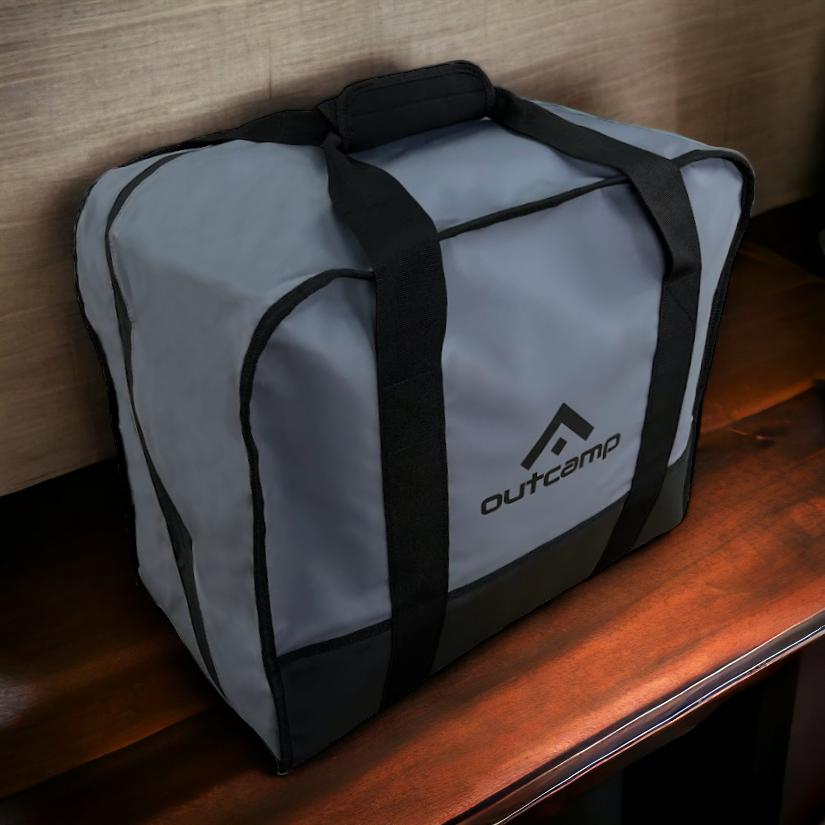
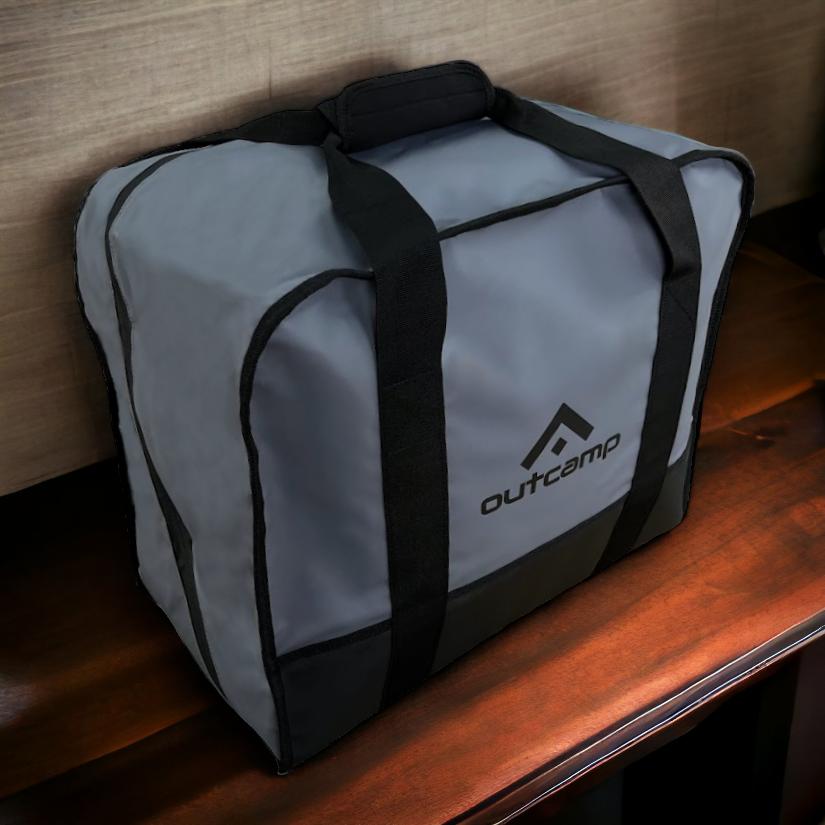
In the dust-heavy environments of the Pilbara or the tropical humidity of North Queensland, corrosion and ingress are the silent enemies of electronics. A cracked dish or a salt-crusted connector is a production-stopping (and potentially life-stopping) event. A Starlink Mini Silicone Cover or a Starlink Mini Clear Protective Cover adds a vital layer of defence against dust, moisture, and impact from flying debris. These covers are an inexpensive insurance policy for a piece of equipment that serves as a medical lifeline. Furthermore, ensuring that the entire kit is stored in a Starlink Mini Hard Protective Travel Case during site transits prevents the mechanical fatigue that can occur when equipment is rattled in the back of a ute for hundreds of kilometres.
Power Resilience: Bypassing the Inverter
Power efficiency is a reliability factor in a medical context. If a response vehicle's battery dies, the comms link dies with it. The standard AC adapter for the Starlink Mini is highly inefficient because it requires a 240V inverter to be running constantly, which generates heat and wastes valuable amp-hours. For a dedicated medical install, direct DC power is the only professional choice. Using a Starlink Mini 12V to 24V Power Supply (Anderson Plug) ensures the most efficient possible draw from the house battery, allowing the comms to stay active for longer periods during engine-off situations. For medical technicians working on foot or at remote monitoring posts, the PeakDo LinkPower 2 Portable Power Bank (99Wh) provides 7-10 hours of standalone runtime, ensuring a high-bandwidth link is available even when the vehicle is kilometres away.
Integration with the Emergency Ecosystem
The future of remote healthcare in Australia is an integrated one. We are moving toward an ecosystem where the Starlink Mini serves as the high-speed "gateway" for a suite of medical sensors and emergency beacons. Wearable duress buttons, automated vehicle roll-over sensors, and static site cameras all feed through the Starlink link to a centralised medical dispatch hub. This level of integration provides a 360-degree view of remote risk that was previously impossible.
For the WHS professional, the challenge in 2026 is no longer "how do we get a signal?"—it is "how do we best utilise the signal we now have?". The companies that are winning in this space are those that view Starlink Mini not as a consumer gadget, but as an industrial-grade healthcare utility. By combining the right satellite hardware with the rugged, purpose-built accessories required for the Australian environment, these organisations are setting a new benchmark for what it means to keep a remote workforce safe and supported.
FAQ: High-Bandwidth Remote Healthcare
Can Starlink Mini support high-definition video calls for remote medical triage?
Yes, Starlink Mini provides the low-latency, high-bandwidth link required for stable high-definition video conferencing. This allows remote medical professionals to conduct visual assessments and triage with field workers, even in mobile black spots where traditional networks fail.
How do you power a Starlink Mini medical hub on an off-grid site?
For dedicated medical hubs, the most reliable setup is a direct DC connection. Standardising on a Starlink Mini 12V to 24V Power Supply (Anderson Plug) allows the system to run directly from a vehicle's house battery or a portable bank like the PeakDo LinkPower 2, ensuring 24/7 comms without the inefficiency of an inverter.
Is the Starlink Mini portable enough for rapid-response first aid teams?
The Starlink Mini is specifically engineered for mobility. Its compact footprint and integrated router make it the ideal choice for rapid-response kits. When stored in a Starlink Mini Hard Protective Travel Case, the unit can be deployed in under two minutes by a first responder to establish a medical data link.
Conclusion: The New Standard for Duty of Care
The mobile black spot has been a persistent and dangerous variable in Australian remote health for too long. In 2026, the technology exists to remove that variable entirely. By standardising on Starlink Mini for remote telemedicine, Australian organisations can provide the permanent, high-speed connectivity required to meet the highest standards of remote duty of care and WHS compliance. It transforms the isolated worksite from a zone of risk into a connected, monitored, and medically supported environment.
However, the resilience of that medical link is only as strong as its weakest point. By investing in industrial-grade mounting solutions like the Starlink Mini Stainless Steel Magnetic Mount and efficient, direct-DC power options like the Starlink Mini 12V to 24V Power Supply (Anderson Plug), Australian organisations can ensure their medical protocols are as reliable as the equipment they use. As we move forward, those who leverage these technical tools to protect their most valuable asset—their people—will define the new standard for industrial excellence in remote Australia. If you are ready to eliminate the black spots on your medical map, explore the full range of professional Starlink accessories from Outcamp today.




Leave a comment (all fields required)