


The Silent Risk in the Remote Operation
In the Australian outback, the metrics of a successful remote operation are traditionally measured in tonnes of ore moved, kilometres of fence line cleared, or hectares of crop harvested. However, as we move through 2026, a different metric is increasingly defining the viability of regional projects: the psychological welfare of the workforce. The "tyranny of distance" in Australia isn't just a logistical challenge for supply chains; it is a profound mental burden for the individuals operating on the edge of the map. Isolation is the silent risk factor of the remote site—a variable that can lead to increased fatigue, reduced focus, and higher turnover rates. Historically, the comms environment for these isolated workers was a landscape of "digital poverty," where a single bar of 3G or an expensive, lag-heavy satellite phone was the only bridge to the outside world.
The transition to Starlink Mini has fundamentally shifted the technical floor for remote crew welfare. By providing a portable, low-latency, and high-bandwidth satellite link that can follow a worker from the main camp to a remote monitoring post or a service ute, Starlink Mini has effectively removed the "digital blackout" as a component of remote work. We are no longer talking about a worker waiting two weeks to see a photo of their family; we are talking about real-time video calls, instant messaging, and the ability to engage with digital support networks as if they were in a metropolitan office. However, leveraging this connectivity to protect mental health requires more than just an active dish. It demands a technical approach to deployment that focuses on accessibility, signal resilience, and physical protection to ensure that this vital lifeline remains operational throughout the deployment.
The High-Bandwidth Lifeline: Moving Beyond Text
The psychological impact of low-bandwidth connectivity on remote sites is well-documented. When a worker has to wait minutes for a simple text message to send or experiences frequent drops during a voice call home, the resulting frustration adds a layer of "technical stress" to an already demanding environment. Starlink Mini provides the low-latency link (typically under 40ms) required for a responsive digital experience. This responsiveness is the critical enabler for "human-centric" comms; it is what allows a worker to see the expressions on their children's faces during a bedtime video call or participate in a real-time online community. This sense of presence and immediacy is a powerful antidote to the isolation that defines the Australian interior.
Enabling Professional Telehealth and Counselling
Access to professional mental health support is a cornerstone of a modern WHS risk-management plan for remote industries. In 2026, the standard for this support is high-definition video telehealth. A laggy, pixelated connection isn't just a technical annoyance in a counselling context; it is a barrier to effective communication and rapport. Starlink Mini's bandwidth ensures that workers can access private, professional support sessions from the cab of their ute or their donga without the fear of the link failing mid-session. This "tele-welfare" capability allows companies to fulfill their duty of care by providing immediate, high-quality interventions for stress, anxiety, and depression, regardless of how far the site is from the nearest regional hub.
Combating 'Digital Poverty' and Social Isolation
The term "digital poverty" refers to the lack of access to the high-speed data that metropolitan Australians take for granted. On a remote site, this poverty manifests as an inability to access news, entertainment, and social platforms. Starlink Mini effectively democratises high-speed internet, allowing isolated crews to stream content, participate in online learning, and manage personal admin during their off-watch hours. This ability to "unplug" into a digital world of their choosing is a vital part of fatigue management and psychological reset. When a worker can maintain their digital lifestyle even while operating three hundred kilometres from the nearest town, the transition to and from the site becomes significantly less jarring, improving long-term retention and workforce stability.
Supporting Team Morale and Collaboration
Connectivity also plays a role in the "micro-culture" of the remote site. When the site comms are reliable, it enables better coordination and a stronger sense of team cohesion. Site managers are using Starlink-enabled WiFi bubbles to run digital "toolbox talks," share real-time site maps, and manage collaborative project dashboards. This transparency reduces the uncertainty and miscommunication that can lead to workplace friction and stress. Furthermore, providing a dedicated "welfare WiFi" zone in the camp allows workers to gather in communal areas for social connection with the peace of mind that they aren't competing for a weak signal.
\"In 2026, a site without high-speed WiFi isn't just 'old school'—it is a turnover risk. Our teams expect to be able to call home every night without fighting for a signal. Starlink Mini has made that a standard part of our welfare kit across every remote project.\"
Hardening the Welfare Link for the Australian Outback
A comms link intended for welfare is only effective if it remains operational when the conditions get rough. For a Starlink Mini deployment to serve as a reliable welfare tool, it must be integrated into the site infrastructure with technical precision. This involves more than just a stable mount; it requires a redundant power strategy and physical protection against the elements to ensure the hardware survives the rigours of the Australian regional environment.
Securing the Signal in High-Usage Zones
On a busy site or in a crowded camp, the placement of the dish is paramount. A dish sitting on a temporary tripod is a liability—it is prone to being shadowed by vehicles or damaged by site activity. Standardising on high-force mounting solutions is essential for maintaining signal integrity. The Starlink Mini Stainless Steel Magnetic Mount or the Starlink Mini Roof Rack Mount allows the dish to be positioned at the highest point of a site building or vehicle, ensuring a 360-degree clear view of the sky. For remote crews who move between locations, using a Starlink Mini Suction Mount for Sunroofs and Windows provides a secure but portable alternative that keeps the welfare link alive, whether they are in a temporary donga or a support ute.
Protecting the Hardware from the Elements
Australian remote environments are characterised by fine, abrasive dust, intense heat, and sudden tropical storms. To ensure the Starlink Mini remains available during the critical rest periods for your crew, the hardware must be protected. A Starlink Mini Silicone Cover or a Starlink Mini Clear Protective Cover adds a vital layer of defence against dust ingress and UV degradation. These covers help to shed water more efficiently during monsoonal rain and provide a buffer against the physical knocks that are inevitable in a working camp environment. Furthermore, standardising on waterproof networking gear, such as the Starlink Mini/Gen 3 Ethernet Adapter (4 Ports), ensures that any wired data links to crew dongas remain sealed against moisture, preventing corrosion from compromising the welfare network.
Power Resilience: Bypassing the Inverter
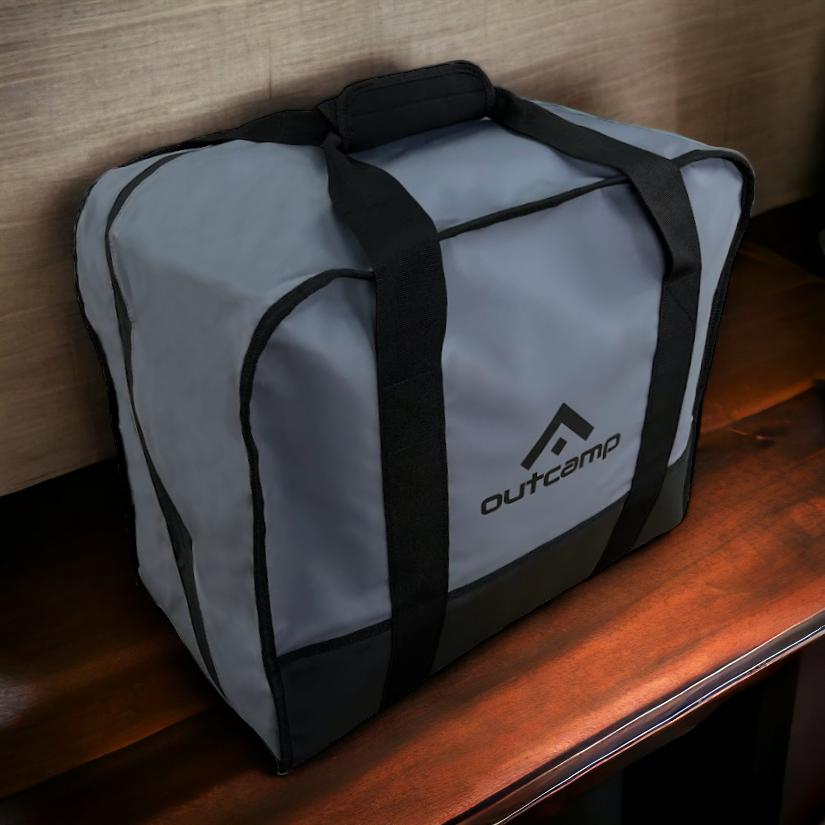
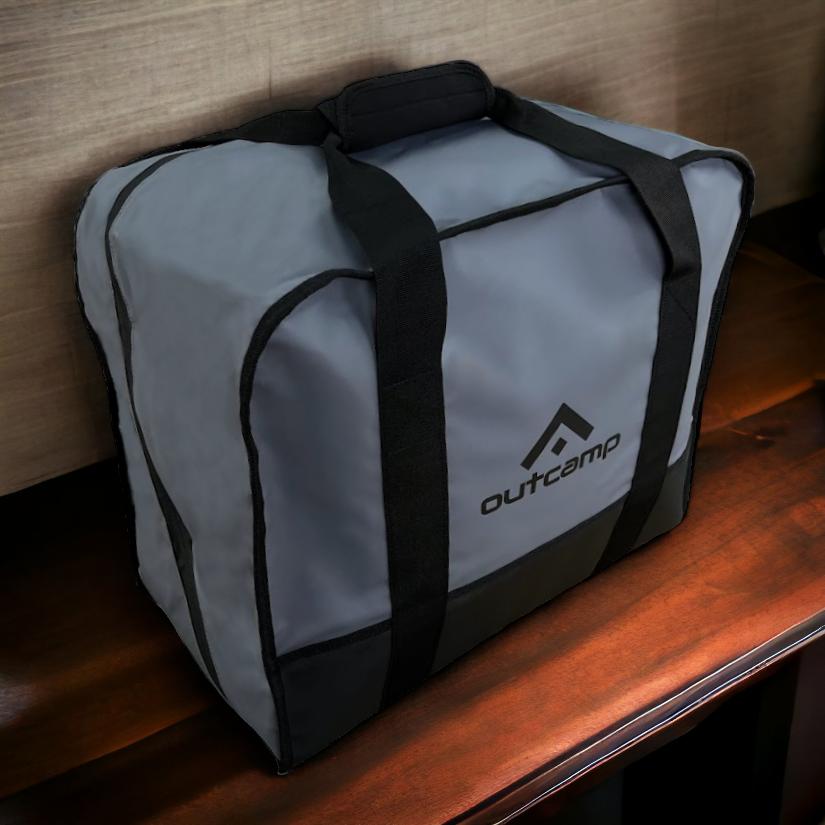
Power efficiency is a reliability factor for crew welfare. If the camp's primary generator goes down, the comms shouldn't go down with it. Standardising on direct-DC power solutions is a technical best practice. Using a Starlink Mini 12V to 24V Power Supply (Anderson Plug) allows the system to run directly from a vehicle's house battery or a dedicated solar-backed power bank like the PeakDo LinkPower 2. This direct-DC approach improves system reliability and reduces the standby draw, ensuring the comms stay active through power outages or "engine-off" periods. For isolated workers who need to move their office setup frequently, the Starlink Mini Hard Protective Travel Case ensures that the entire connectivity suite—from the dish to the waterproof cables—is protected from the mechanical fatigue of transit.
The Future of the Connected Workforce
As we look toward 2027, the role of high-speed satellite internet in remote workforce management will only grow. We are moving toward an era where connectivity is viewed as a technical utility, as essential as water and electricity. The organisations that are winning the war for talent in regional Australia are those that recognise this shift and are investing in the "hardening" of their comms setups. The "Mobile Boardroom" or "Connected Camp" is the new benchmark for professional excellence and duty of care.
For the corporate fleet manager or the regional business owner, the investment in high-quality Starlink accessories is an investment in human productivity and wellbeing. It removes the "dead time" of mobile black spots and ensures your team has the support they need to deliver their best work in the most challenging conditions. The technical path to a connected, supported remote workforce is clear. It starts with the right satellite hardware and is sustained by the rugged, purpose-built accessories that make the deployment work in the real world.
FAQ: Remote Welfare and Starlink Mini
How does Starlink Mini improve the mental health of remote workers?
Starlink Mini provides a high-bandwidth, low-latency link that enables real-time video calls with family, reliable access to digital mental health services, and the ability to stream entertainment. This connectivity reduces the sense of isolation and 'digital poverty' that often characterizes remote Australian work assignments.
Is Starlink Mini bandwidth sufficient for private counselling sessions in a site office?
Yes, with typical speeds well exceeding 100Mbps and latency under 40ms, Starlink Mini supports stable high-definition video conferencing. This ensures that workers can engage in private, lag-free telehealth or counselling sessions without the technical frustrations of legacy satellite systems.
How should a remote camp configure Starlink Mini to balance work and welfare data?
For camps managing multiple users, we recommend using a Starlink Mini/Gen 3 Ethernet Adapter (4 Ports) to distribute the link. This allows for dedicated bandwidth management, ensuring that critical site telemetry and work systems remain prioritized while providing a stable WiFi bubble for crew welfare and personal use.
Conclusion
The isolation that once defined the Australian outback is being dismantled by the technical convergence of high-speed satellite internet and resilient hardware integration. With Starlink Mini, the comms bottleneck has been removed, allowing the human element of the operation to remain connected and supported. Successful adoption of this technology hinges on more than just the satellite link itself; it requires a commitment to technical excellence in how the hardware is mounted, protected, and powered in the field.
By standardising on industrial mounting solutions like the Starlink Mini Stainless Steel Magnetic Mount and efficient, direct-DC power options like the Starlink Mini 12V to 24V Power Supply (Anderson Plug), Australian regional operators can ensure their crew welfare protocols are as resilient as the vessels and vehicles they command. As we move deeper into 2026, those who leverage these technical tools to protect their most valuable asset—their people—will define the new standard for industrial excellence in remote Australia. If you are ready to modernise your remote crew comms, explore the full range of professional Starlink accessories from Outcamp today.




Leave a comment (all fields required)