


The End of the Commute: The Rise of the Australian Ute-Office
In the rapidly evolving work landscape of 2026, the concept of the 'office' has undergone a fundamental decoupling from the city skyline. For thousands of Australian professionals—from regional project managers and field engineers to consultants and digital nomads—the primary place of work is now a 4x4 wagon or a well-equipped service ute. This transition isn't just about 'working from home'; it is about working from the field, where the business actually happens. Whether you are managing a road construction project in the Kimberley, overseeing a cattle muster in the NT, or simply extending a weekend trip into a working week, the requirement is the same: a high-speed, reliable, and secure data link. Historically, the mobile office was a compromised experience, built on a foundation of weak 4G hotspots, data-capped plans, and the constant search for a bar of signal.
The arrival of the Starlink Mini has effectively removed the 'remote' from remote work. By delivering broadband-level speeds and low latency in a package that fits inside a backpack or mounts onto a roof rack, Starlink Mini has turned the Australian outback into a viable extension of the corporate network. But building a mobile boardroom that delivers professional-grade productivity requires more than just a satellite subscription. It demands a technical approach to power management, ergonomic integration, and environmental protection. To ensure your vehicle-based office is as efficient as its metropolitan counterpart, you must look at the technical architecture of the setup, focusing on how the link is established, maintained, and powered across the vast distances of regional Australia.
Architecting the High-Speed Remote Connection
The foundation of the mobile boardroom is the satellite link. Unlike legacy satellite systems that were hampered by high latency (the delay in data transmission), the low-earth-orbit (LEO) constellation used by Starlink Mini delivers response times that are comparable to fixed-line NBN. This low latency is the critical enabler for professional applications; it is what prevents video calls from lagging, ensures cloud-based software stays responsive, and allows for real-time collaboration on shared documents. However, to maintain this high-performance link in a mobile environment, the placement and orientation of the dish are paramount.
Mechanical Integration and Signal Optimization
A dish sitting on a temporary tripod on the ground is a liability in a mobile office context. It is prone to being bumped, shadowed by the vehicle, or damaged by wildlife. For the professional user, vehicle integration is the technical standard. Using a Starlink Mini Stainless Steel Magnetic Mount or a dedicated Starlink Mini Roof Rack Mount allows the dish to be positioned at the highest point of the vehicle, ensuring a 360-degree clear view of the sky. This permanent mounting approach also enables 'in-motion' connectivity (where permitted), allowing your office to stay online during transits between sites. By standardising on high-force mounting solutions, you ensure that the dish remains perfectly aligned even when the vehicle is subjected to the intense vibration of corrugated regional roads.
Bypassing the Inverter: Power Efficiency in the Field
Power management is the most significant technical hurdle for the remote office. Running a high-end laptop and a Starlink Mini simultaneously creates a significant load on a vehicle's 12V system. The standard approach of using a 240V inverter to run the original AC adapters is fundamentally flawed in a professional setup. Inverters generate excessive heat, draw significant standby current, and are notoriously inefficient. To maximise your off-grid runtime, the mobile boardroom should be built on a direct DC architecture. Standardising on a Starlink Mini 12V to 24V Power Supply (Anderson Plug) allows the dish to run directly from the house battery, while a high-output 180W Fast Multi-Port Car Charger provides the USB-C Power Delivery (PD) required to keep a laptop charged. This DC-to-DC approach reduces total power consumption by up to 20%, significantly extending the hours you can work before needing to start the engine or rely on solar.
Networking and Data Security on the Road
A mobile office is often a shared office. Whether you are hosting a colleague in the passenger seat or providing a WiFi bubble for a small site team, the ability to distribute the satellite link securely is essential. While the Starlink Mini features an integrated router, industrial applications often require the added reach and security of a wired network. Integrating a Starlink Mini/Gen 3 Ethernet Adapter (4 Ports) allows for the connection of local network-attached storage (NAS), VOIP phones, or static security cameras. Furthermore, standardising on encrypted VPN (Virtual Private Network) protocols at the router level ensures that your sensitive business data remains protected, even when you are operating in the middle of a national park.
\"The shift to Starlink Mini has transformed our field surveys. We are no longer waiting to get back to the hotel to upload data; we are running the models in the cloud directly from the ute. It has effectively doubled our daily output by removing the 'comms lag' from our workflow.\"
Productivity and Ergonomics in the Ute-Office
Having a high-speed link is only half the battle; the other half is creating a workspace where you can actually get work done. Ergonomics in a vehicle are challenging. The standard car seat is designed for driving, not for long-duration keyboard work. Building a professional mobile boardroom requires looking at how the technology interacts with the user.
Integrating the Digital Workspace
For many professionals, the 'office' is the front seat. Using modular mounting systems to position tablets or secondary monitors is a game-changer for field productivity. Using a 1.5\" ball modular mount system allows for the creation of a 'cockpit' where maps, telemetry dashboards, and video feeds are all visible at a glance. This modular approach allows the workspace to be reconfigured in seconds—moving from a driving layout to a dedicated 'office' mode once the vehicle is parked. When paired with a Starlink Mini Mounting Arm Alloy, the satellite dish can be positioned to avoid any shadowing from the vehicle's canopy or equipment racks, ensuring that your digital workspace remains at full throttle.
Thermal Management and Protection
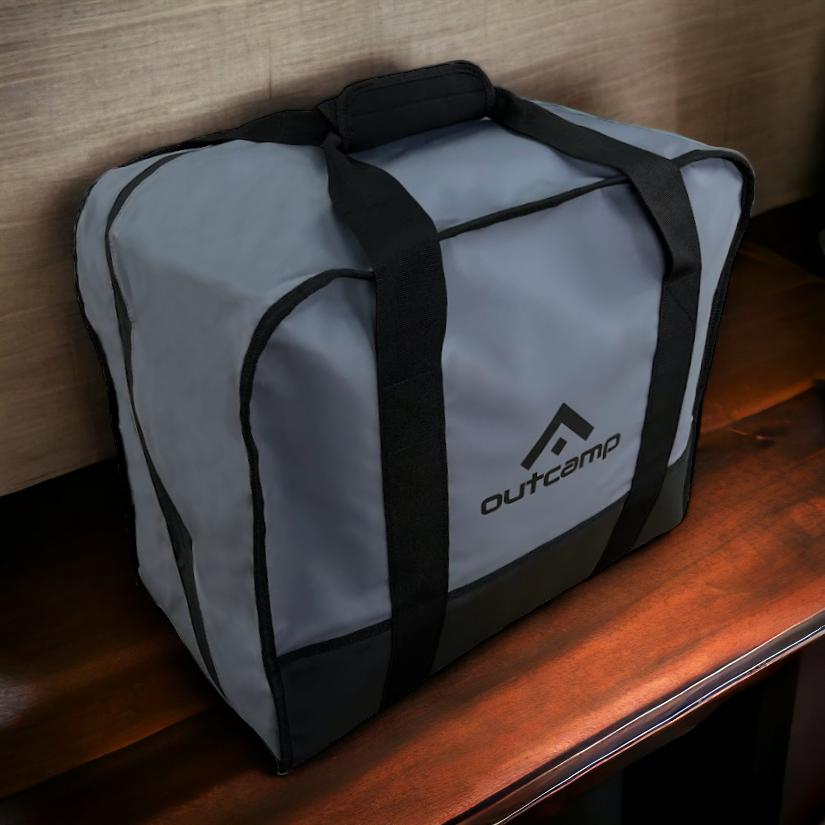
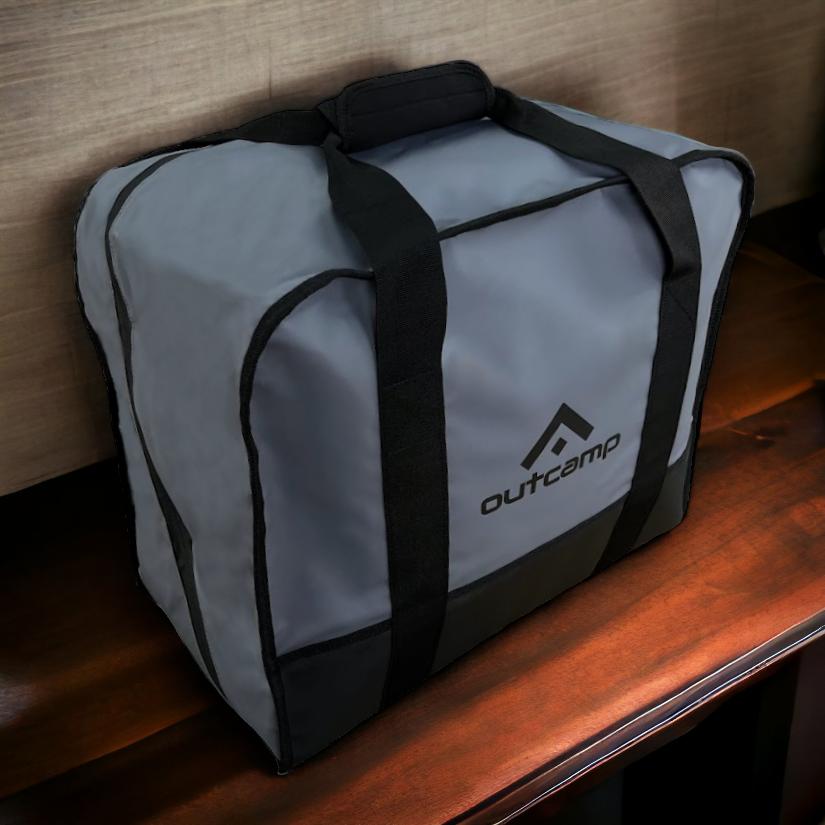
Remote Australia is an environment of extremes. In the summer, the temperature inside a parked vehicle can easily exceed 60°C, which is beyond the safe operating limit of most laptops and satellite hardware. A professional mobile office must include a thermal management strategy. This includes using window shades, ensuring adequate ventilation for the auxiliary battery and charging systems, and protecting the Starlink Mini with a Starlink Mini Silicone Cover or Clear Protective Cover. These covers provide a vital layer of insulation and protection from the dust and UV that can lead to hardware fatigue. For the transits between sites, storing the entire office suite—laptop, cables, and dish—in a Starlink Mini Hard Protective Travel Case ensures that your communications lifeline isn't compromised by the bumps and knocks of the road.
Lone Worker Safety and Digital Welfare
The duty of care for remote organisations is an increasingly complex area of compliance. A worker operating solo in a mobile office is at a higher risk profile than one in a city office. The permanent connectivity of the Starlink Mini allows for the integration of automated safety protocols. Real-time GPS tracking, heart-beat check-ins, and duress monitoring can all run in the background, satisfying WHS obligations and providing peace of mind for both the worker and the home office. Beyond safety, the ability to stay connected to family and support networks via high-definition video is a significant boost for mental welfare, reducing the sense of isolation that can occur during long remote stints.
The Future of the Connected Workforce
As we move toward 2027, the trend toward decentralised, mobile work will only accelerate. We are seeing the emergence of 'mobile office fleets,' where entire teams are deployed in connected utes to manage regional infrastructure, mining projects, and environmental monitoring. These teams are no longer limited by the geography of the mobile network; they are limited only by their imagination and the technical quality of their setup. The 'Mobile Boardroom' is the new standard for professional excellence in Australia.
For the regional business owner or the corporate fleet manager, the investment in high-quality Starlink accessories is an investment in human productivity. It removes the 'dead time' associated with mobile black spots and allows your team to work with the same speed and security they would have in the city. The technical path to a connected mobile office is clear. It starts with the right satellite hardware and is sustained by the rugged, purpose-built accessories that make the deployment work in the real world.
FAQ: Building a Starlink Mini Mobile Office
Can I truly run a professional video conference from a 4x4 in a remote area?
Yes, Starlink Mini provides the high-bandwidth, low-latency link (typically under 40ms) required for stable high-definition video conferencing via platforms like Zoom or Microsoft Teams. When properly mounted and powered, the 'ute-office' provides the same connectivity experience as a city-based boardroom.
What is the most efficient way to power a laptop and Starlink Mini in a mobile office?
The professional standard is a direct DC setup. Using a Starlink Mini 12V to 24V Power Supply (Anderson Plug) for the dish and a high-wattage USB-C PD charger for the laptop allows you to run your office from the vehicle's house battery without the heat and power loss of a 240V inverter.
Is it safe to leave the Starlink Mini mounted on the vehicle while working inside?
Absolutely. Standardising on a Starlink Mini Stainless Steel Magnetic Mount or Roof Rack Mount allows for a permanent, secure installation. This ensures the dish remains aligned for optimal signal while you work comfortably from the driver's seat or the back of the canopy, regardless of the weather.
Conclusion: Redefining Remote Professionalism
The mobile boardroom is more than just a trend; it is a fundamental shift in how work is done in regional Australia. With Starlink Mini, the 'comms barrier' has been dismantled, allowing professionals to deliver their best work from the most remote locations on the continent. But the success of this shift depends on the technical rigour of the deployment. By investing in industrial-grade mounting solutions like the Starlink Mini Stainless Steel Magnetic Mount and efficient, direct-DC power options like the Starlink Mini 12V to 24V Power Supply (Anderson Plug), you can ensure that your mobile office is as resilient and productive as any fixed address.
As we move deeper into 2026, those who embrace the mobile office model will find themselves at a significant competitive advantage. They will be more responsive, more agile, and better equipped to manage the challenges of the Australian environment. If you are ready to turn your 4x4 or service ute into a high-speed remote boardroom, explore the full range of professional Starlink accessories from Outcamp today. Your next big business decision shouldn't have to wait for a bar of signal.




Leave a comment (all fields required)