


In the vast and relentless geography of regional Australia, the freight industry is the lifeblood of the national economy. Thousands of heavy vehicles traverse the continent every day, linking metropolitan ports to remote mine sites, agricultural hubs, and isolated communities. However, for the drivers and fleet managers operating these long-haul routes, the "tyranny of distance" is measured in more than just kilometres; it is measured in the hours spent in mobile black spots. For decades, the ability to maintain consistent, high-bandwidth connectivity across the Hay Plain, the Nullarbor, or the Tanami Track has been a logistical impossibility. This connectivity gap isn't just an inconvenience; it is a significant operational risk that impacts safety, compliance, and the bottom line of the transport industry.
In 2026, the arrival of the Starlink Mini has fundamentally redefined the technical floor for long-haul transport connectivity. By providing a portable, low-latency, and high-bandwidth satellite link that can be mounted directly to a prime mover or a service ute, Starlink Mini is effectively turning the Australian outback into a connected corridor. We are no longer talking about a single bar of signal at a roadhouse; we are talking about real-time telematics, instant Electronic Work Diary (EWD) syncing, and high-definition video calls from the middle of the desert. However, transforming a satellite dish into a resilient industrial tool for the transport sector requires more than just an active subscription. It demands a technical approach to mounting, power management, and physical protection to ensure that the link survives the rigours of the Australian road.
Bridging the Regional Connectivity Gap in Transport
The primary challenge of long-haul transport in Australia is the inconsistency of the existing mobile network. While 5G coverage is expanding in metropolitan areas, the vast majority of the national freight routes remain outside of reliable signal range. Historically, fleet managers relied on periodic syncs at depots or expensive, low-bandwidth L-band satellite systems that provided limited visibility into the vehicle's real-time status. This lack of transparency led to significant inefficiencies, particularly in managing load security, route adjustments, and mechanical alerts. With Starlink Mini, the data pipe is permanent, allowing for a level of operational oversight that was previously impossible in remote zones.
Real-Time Fleet Tracking and Telematics
Modern fleet management in 2026 is driven by data. Telematics systems monitor everything from fuel consumption and engine diagnostics to braking patterns and load temperatures. In a mobile black spot, this data is siloed locally on the vehicle, only reaching the depot hours or days later. Starlink Mini enables the continuous, real-time transmission of these datasets, allowing fleet controllers to identify an impending mechanical failure or a deviation from the route the moment it occurs. This "live" visibility allows for immediate intervention, potentially avoiding a production-stopping breakdown in a remote area and ensuring that the high-value assets of the transport industry are always protected.
Streamlining Compliance and Electronic Work Diaries
The regulatory environment for the Australian transport industry is one of the most stringent in the world. Electronic Work Diaries (EWDs) are now a mandatory requirement for many long-haul operators to ensure compliance with fatigue management and driving hours. These systems require frequent cloud-syncing to remain accurate and legally compliant. In a black-spot environment, the inability to sync can lead to accidental non-compliance or the need for manual record-keeping. Starlink Mini ensures that EWDs stay online 24/7, removing the risk of compliance lag and simplifying the administrative burden for both the driver and the back office. When the freight line is always connected, the regulatory paper trail is always current.
Driver Welfare and the Human Factor
Retention of skilled long-haul drivers is a critical challenge for the Australian transport sector. The isolation of the road can take a significant toll on mental health and job satisfaction. By providing high-speed WiFi through the Starlink Mini, operators allow their drivers to stay in touch with family, access entertainment, and manage personal admin during their rest breaks. This simple shift in connectivity has been cited by many industry leaders as a primary driver for improved morale and longer retention rates. A happy, connected driver is a more focused and safer driver, making the investment in reliable regional internet as much about people as it is about equipment.
"In the outback, a mobile black spot used to be a zone of silence. Now, with Starlink Mini mounted on the bullbar, it's just another part of the office. We've removed the isolation from the long haul, and that's changed everything for our drivers."
Technical Requirements for Heavy-Duty Transport Deployment
A communications link is only useful if it remains operational when the conditions get rough. For a Starlink Mini deployment to meet the standards of the Australian transport industry, it must be integrated into the vehicle's infrastructure with technical precision. Constant vibration, road debris, and the extreme temperatures of the interior demand a setup that is far more resilient than a standard consumer install.
Vibration-Proof Mounting Solutions
A prime mover on a corrugated dirt road is one of the most mechanically stressful environments for electronic hardware. A dish sitting on a temporary tripod or a weak suction mount will not survive a single run on the Great Northern Highway. Long-haul operators require permanent, low-profile mounting solutions that can handle high-frequency vibration and significant wind loading at highway speeds. Using a Starlink Mini BullBar/Railing Mount or a dedicated roof rack system provides the mechanical security needed for a 24/7 industrial cycle. By standardising on high-force mounting hardware, you ensure that the dish remains perfectly aligned for optimal signal, regardless of the terrain.
Power Management and the Anderson Plug Standard
Power stability is another major consideration in heavy transport. While prime movers have massive battery banks, the electrical system is often noisy and prone to voltage spikes. Sensitive satellite electronics require a regulated power interface to avoid hardware fatigue. The Starlink Mini 12V to 30V Power Supply (Anderson Plug) has emerged as the industry standard for these setups. The Anderson plug provides a vibration-proof, high-current connection that won't wiggle loose like a standard "cigarette lighter" plug. By moving to a wide-voltage, direct-DC supply, you also bypass the need for an inefficient 240V inverter, reducing heat in the cab and improving overall system reliability.
Physical Protection from the Road
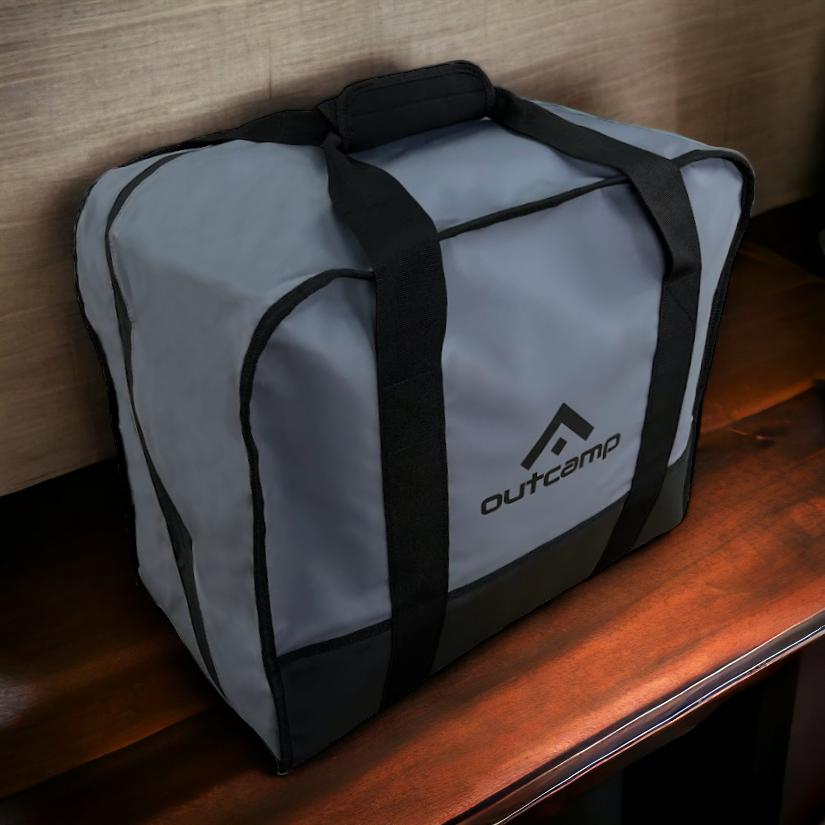
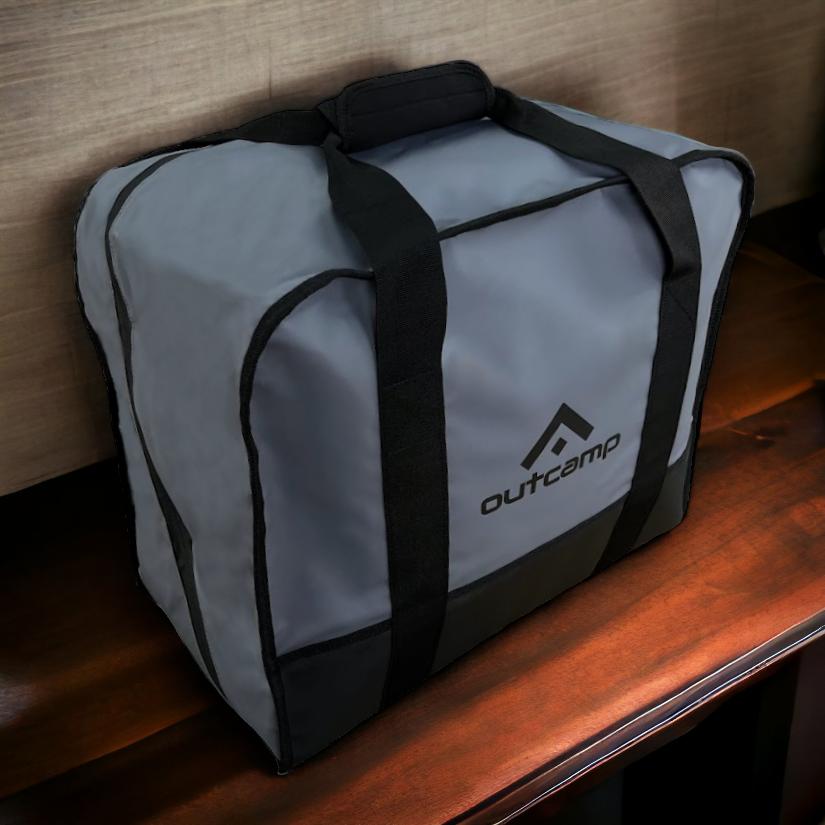
The Australian regional environment is a relentless assault on equipment. Between red outback dust and the risk of a bird or stone strike at 100 km/h, the Starlink Mini needs a physical shield. A Starlink Mini Silicone Cover or a Starlink Mini Clear Protective Cover adds a vital layer of defence without impacting signal quality. These covers help to shed water more efficiently during tropical storms and provide a buffer against the physical impacts that are inevitable over a half-million kilometre season. Furthermore, ensuring that the entire kit is stored in a Starlink Mini Hard Protective Travel Case during site mobilisations or downtime prevents the mechanical fatigue that can occur when equipment is loose in a gear locker.
The ROI of the Connected Freight Line
As we move toward 2027, the role of high-speed satellite internet in Australian transport will only grow. We are entering the era of the "connected machine," where every vehicle in a fleet is a mobile data node. But this digital future is built on a foundation of stable, reliable connectivity. The companies that are winning in this space are those that recognise comms as a technical utility, not a consumer accessory. They are investing in the "hardening" of their setups, starting with the Starlink Mini.
Reducing Downtime and Response Times
The most immediate return on investment for a connected fleet is the reduction in downtime. When a vehicle breaks down in a mobile black spot, the delay in raising the alarm can add hours or even days to the recovery time. With a Starlink Mini on board, the driver can initiate an emergency service request or coordinate a mechanical team immediately, regardless of where they are. This rapid response capability is a direct win for operational continuity and ensures that the delivery windows of the transport industry are met, even when the unexpected happens.
Telematics and Predictive Maintenance
By leveraging the bandwidth of the Starlink Mini, fleet managers can implement advanced predictive maintenance programs. Instead of relying on fixed service intervals, maintenance can be scheduled based on real-time engine telemetry. This "condition-based" approach reduces unnecessary servicing and identifies minor defects before they turn into major failures. In an industry where every hour off the road is lost revenue, the ability to manage maintenance with precision is a powerful competitive advantage.
Future-Proofing for Autonomous and Semi-Autonomous Haulage
We are already seeing the early stages of autonomous and semi-autonomous haulage in the Australian mining and transport sectors. These technologies share one common requirement: a fat pipe for data. Starlink Mini is that pipe. By providing the low-latency link required for real-time coordination and safety overrides, it is enabling the transition to a more automated and efficient transport model. The organisations that embrace this connectivity now will be the ones best positioned to lead the industry into the autonomous future.
FAQ: Long-Haul Starlink Mini Deployment
Can Starlink Mini handle highway speeds on a prime mover?
Yes, when paired with a secure, industrial-grade mounting solution like the Starlink Mini BullBar/Railing Mount, the dish is designed to handle high wind loads and vibration at highway speeds. Operators report consistent broadband performance even on the most demanding freight routes.
How does the Starlink Mini handle the outback heat and dust?
The hardware is IP67 rated, but constant exposure to the Australian regional environment requires extra protection. We recommend using a Starlink Mini Silicone Cover to shield the unit from dust and UV, combined with regular inspections of the mounting hardware and connectors.
What is the best way to power Starlink Mini in a 24V heavy vehicle?
For 24V fleets, the most efficient setup is using a wide-voltage DC power supply. The Starlink Mini 12V to 30V Power Supply (Anderson Plug) is engineered to handle the higher voltage of heavy machinery while protecting the dish from spikes and noise.
Conclusion
The isolation that once defined the Australian long-haul transport industry is rapidly becoming a thing of the past. With Starlink Mini, the "comms barrier" has been dismantled, allowing drivers and fleet managers to work with the same speed and security they would have in a metropolitan office. However, the successful adoption of this technology hinges on more than just the satellite link itself. It requires a commitment to technical excellence in how the hardware is mounted, protected, and powered.
By standardising on industrial mounting solutions like the Starlink Mini BullBar/Railing Mount and efficient power options like the Starlink Mini 12V to 30V Power Supply (Anderson Plug), Australian transport operators can ensure their connectivity remains as resilient as the rigs they drive. As we move deeper into 2026, those who leverage these tools to harden their freight line will find themselves at the forefront of a more efficient, safer, and more connected industry. If you are ready to future-proof your long-haul comms setup, explore the full range of Outcamp Starlink accessories today.




Leave a comment (all fields required)