


Starlink Mini for Australian Agriculture: Connecting Farms, Paddocks and Rural Properties
Australian agriculture has always been defined by distance. Vast pastoral stations stretching across hundreds of thousands of hectares, cropping operations in regions where the nearest town is a two-hour drive, and livestock grazing in paddocks that sit well beyond the reach of any mobile tower. For decades, farmers and graziers have worked around patchy or non-existent internet, relying on sporadic phone calls, delayed data uploads and occasional trips to town to manage operations that increasingly depend on real-time digital connectivity.
Starlink Mini changes that equation entirely. A compact, portable satellite dish that fits in a backpack and draws modest power, it delivers high-speed, low-latency internet virtually anywhere in Australia. For the agricultural sector, the implications are significant — from precision farming data flowing in real time to livestock monitoring systems that actually work in the back paddock. With the right accessories to mount, power and protect the dish, Starlink Mini becomes a genuinely practical tool for modern Australian farming.
Precision Farming and Real-Time Data on Remote Properties
Precision agriculture relies on a continuous flow of data between sensors, machinery, management platforms and the people making decisions. Soil moisture probes, weather stations, variable-rate application controllers and GPS guidance systems all generate data that needs to move quickly and reliably. On properties where cellular coverage drops out past the homestead, that data flow has historically been interrupted or delayed, undermining the very precision these systems promise.
Starlink Mini provides the connectivity backbone that makes precision agriculture viable on even the most remote Australian properties. Positioned on a vehicle roof, a shed or a temporary field station, it gives agronomists and farm managers access to cloud-based platforms, real-time weather data and machinery telemetry from wherever the work is happening.
Variable-Rate Application and GPS Guidance in the Field
Modern sprayers, spreaders and seeders use GPS-guided variable-rate technology to apply inputs at precise rates across different soil zones. These systems rely on prescription maps generated from soil sampling, yield data and satellite imagery — maps that are regularly updated and stored in cloud platforms. Without reliable internet in the paddock, operators either work from outdated maps loaded before heading out or simply revert to blanket application rates.
With a Starlink Mini mounted on the cab roof using a Starlink Mini Magnetic Mount or Starlink Mini Roof Rack Mount, operators can pull down updated prescription maps in real time, upload completed application data for immediate analysis, and receive adjusted instructions mid-run. The dish draws its power from the vehicle's electrical system via a Starlink Mini 12V to 24V Power Supply (Anderson Plug), keeping it running all day without interrupting operations.
The result is genuinely precise farming — not the compromised version that offline workarounds deliver. Fertiliser goes where it is needed at the rate it is needed, herbicide application follows the latest weed mapping data, and yield monitors feed live information back to the farm office. Over a full season, the savings in input costs and the gains in yield consistency add up to a meaningful return on the modest cost of a Starlink Mini setup.
Soil and Weather Monitoring Networks
Many Australian broadacre farms now deploy networks of soil moisture sensors, rain gauges and microclimate weather stations across their properties. These IoT devices collect granular data that informs irrigation scheduling, planting decisions and harvest timing. The challenge on large properties is getting that data off the sensors and into a usable platform. Cellular IoT networks have limited reach in rural areas, and proprietary radio networks are expensive to install and maintain.
Starlink Mini offers a practical solution as a connectivity hub for remote sensor clusters. A single dish positioned at a central point can serve as the internet gateway for a local mesh of sensors communicating via LoRaWAN or similar short-range protocols. The sensor data aggregates at the Starlink Mini node and uploads to the cloud in near real time, giving farmers access to current conditions across every paddock from their phone or office computer.
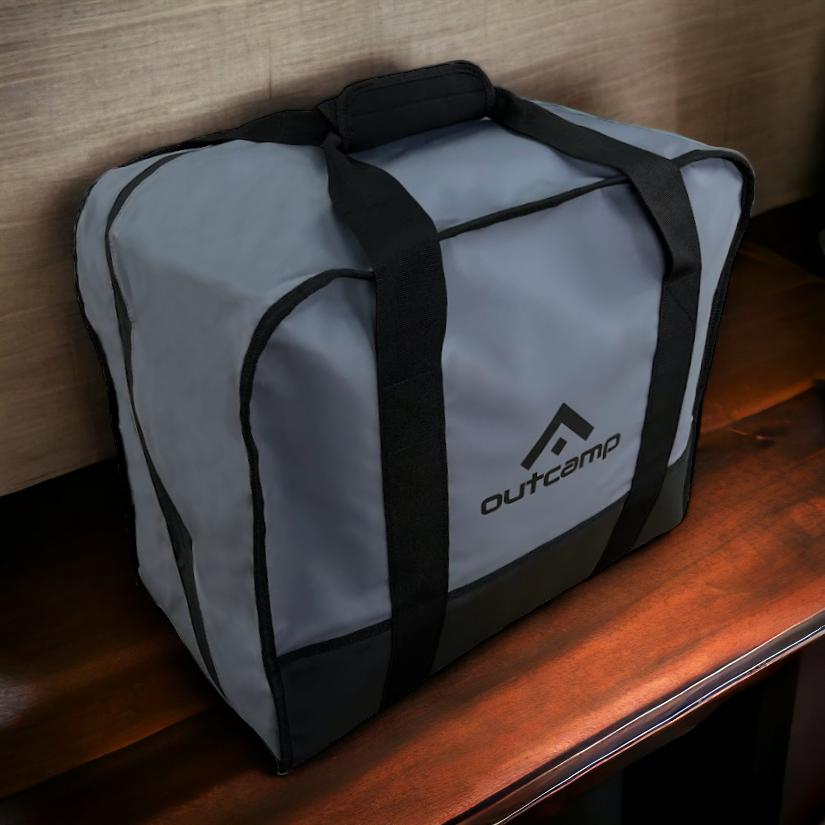
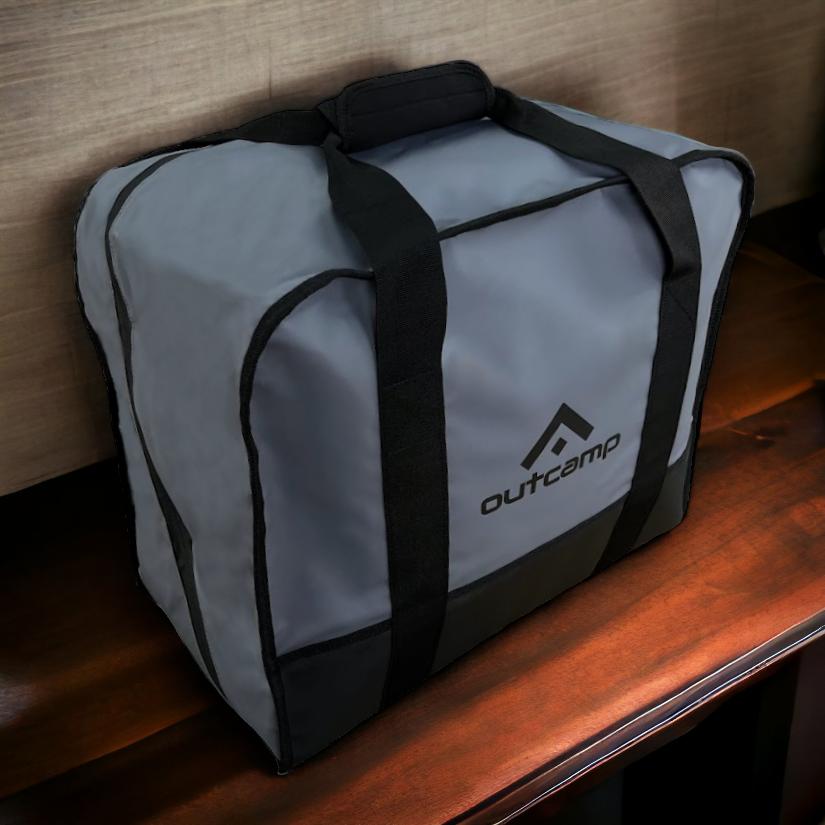
For temporary deployments — monitoring a newly planted crop or tracking conditions during a critical growth stage — the portability of Starlink Mini is a genuine advantage. Pack the dish in a Starlink Mini Carry Bag or Starlink Mini Hard Protective Travel Case, drive it out to the site, set it up on a Starlink Mini Tripod Mount, and connect power from a Starlink Mini Portable UPS Power Supply (7-10 Hours). When the monitoring period ends, pack it up and redeploy it elsewhere on the property.
Satellite Imagery and Crop Scouting
Satellite and drone imagery is increasingly central to crop management. Normalised Difference Vegetation Index (NDVI) maps, thermal imagery for stress detection, and high-resolution aerial photographs all help identify problems — nutrient deficiencies, pest pressure, waterlogging — before they become visible to the naked eye. But downloading, processing and acting on these large image files requires bandwidth that simply has not been available in most Australian cropping regions.
Starlink Mini delivers the download speeds needed to pull multi-gigabyte image sets directly to a laptop or tablet in the field. An agronomist scouting a remote block can compare what they are seeing on the ground with the latest NDVI overlay, mark problem areas for targeted treatment, and upload their scouting notes and photos to the farm management platform before they have even left the paddock. This tight feedback loop between imagery, ground-truthing and action is what turns data into better decisions.
Pairing Starlink Mini with a vehicle-mounted setup — a Starlink Mini Sports Bar Ute Mount for a tray-back ute, powered by a Starlink Mini Car Power Adapter (12V/24V to 20V DC) — creates a mobile connected office that goes wherever the crop scouting takes you.
Livestock Monitoring and Management Across Remote Paddocks
Livestock operations in Australia routinely manage animals across vast areas where any form of connectivity is a luxury. Checking water troughs, monitoring animal health, tracking mob movements and managing calving or lambing events all require either physical presence — often involving hours of driving — or automated systems that depend on reliable data transmission. Until now, the data transmission part has been the weak link.
Starlink Mini addresses this by providing a connectivity node that can be deployed at strategic points across a grazing property. Whether it is a permanent installation at a remote set of yards or a portable setup carried in the back of a ute during mustering, the dish ensures that monitoring data reaches the people who need it and that management decisions can be made without driving out to check in person.
Remote Water Infrastructure Monitoring
Water is the critical resource on any Australian livestock property, and monitoring water levels, pump performance and trough conditions across dozens of remote watering points is one of the most time-consuming tasks in pastoral management. Smart water monitoring systems using float sensors, flow meters and solar-powered telemetry units have been available for years, but their usefulness has been limited by connectivity. If the data cannot get off the property in real time, the farmer still has to drive out to check.
A Starlink Mini dish positioned at a central location — a bore head, a turkey nest dam or a set of stock yards — can serve as the internet uplink for a cluster of water monitoring devices within radio range. The farmer sees real-time water levels, pump run-times and consumption patterns on a dashboard at the homestead or on their phone. A trough running dry or a pump failing triggers an immediate alert rather than being discovered days later when stock are already stressed.
For properties with multiple water systems spread across a large area, multiple Starlink Mini units can be deployed. The compact size and low power draw make this feasible — each dish can run from a small solar panel and battery system, with the Starlink Mini 12V to 24V Power Supply (Anderson Plug) managing the voltage conversion. The Starlink Mini Flat Mount or Starlink Mini Agricultural Mount (25-32mm rail) provides a secure mounting solution on infrastructure that is already in place.
Animal Health and Tracking Systems
Electronic identification (eID) tags, walk-over weighing systems, and GPS tracking collars generate valuable data on animal health, growth rates and movement patterns. In well-connected environments, this data flows automatically to herd management platforms. On remote properties, it often sits on local data loggers until someone physically downloads it — by which point the information is historical rather than actionable.
Starlink Mini enables these systems to operate as they were designed to. Walk-over weighing data uploads automatically as animals pass through, alerting managers to weight loss that might indicate disease or parasites. GPS collar data streams in real time, showing where mobs are grazing and whether they are moving normally. During calving or lambing, cameras connected via Starlink Mini allow managers to monitor progress remotely rather than making repeated trips that disturb the animals.
The practical setup for a remote stock yard or monitoring station is straightforward. Mount the dish on existing yard infrastructure using a Starlink Mini Clamp on Universal Mount, run power from a vehicle or solar setup via a Starlink Mini Anderson Plug to DC Power Cable (5.0M), and connect the local monitoring equipment to the internet through the Starlink router. For a wired connection to equipment that requires ethernet, the Starlink Mini/Gen 3 Ethernet Adapter (4 Ports) provides reliable hardwired networking.
Mustering and Seasonal Worker Coordination
Large-scale mustering operations on northern Australian cattle stations involve multiple teams spread across thousands of square kilometres, often working for days at a time in areas with zero phone coverage. Coordination has traditionally relied on HF radio — effective but limited in the information it can carry. Helicopter pilots, ground crews on motorbikes and utes, and mobile yard operators all need to coordinate movements, share locations and communicate changes to the plan.
A Starlink Mini dish carried with the mustering team and set up at each night camp or temporary yard provides full internet connectivity. Teams can share GPS locations via messaging apps, receive updated paddock maps, coordinate helicopter movements, and maintain contact with the station homestead. Welfare is improved too — workers in remote camps can call family, access entertainment during downtime, and feel less isolated during extended operations.
The Starlink Mini Travel Backpack (USB Charging Port & TSA Lock) is well suited for this use case, keeping the dish protected during rough transport on the back of a ute or motorbike. When camp is set up, a Starlink Mini Makita 18V Battery Connector or Starlink Mini Milwaukee 18V Battery Adapter provides power from the same battery platform the team is already carrying for their tools.
Drought Management and Rural Property Administration
Australian agriculture is cyclical, and drought is a recurring reality that demands constant monitoring, adaptive management and access to support services. During dry periods, the need for reliable connectivity intensifies — farmers need to access weather forecasts, manage feed budgets, apply for government assistance, arrange livestock transport and maintain contact with advisors, all from properties that become even more isolated as conditions deteriorate.
Starlink Mini ensures that drought does not also mean disconnection. Reliable internet on the property means farmers can access the digital tools and services that support them through difficult seasons, without having to drive hours to town or rely on a congested satellite phone connection.
Feed Budgeting and Pasture Assessment
Effective drought management starts with accurate pasture assessment and feed budgeting. Tools like satellite-derived pasture growth models, forage budgeting software and livestock nutrition calculators are available online, but they require internet access to use effectively. Agronomists and livestock advisors increasingly conduct consultations via video call, walking farmers through pasture assessments and feeding strategies using shared screens and uploaded photos.
With Starlink Mini providing reliable broadband at the homestead or in the paddock, farmers can participate fully in these digital advisory services. They can upload current paddock photos for remote assessment, run real-time forage budgets that account for the latest rainfall data, and join video consultations without the frustration of dropped connections and frozen screens that characterise most rural internet experiences.
For farmers who move between the homestead and remote parts of the property during the day, a vehicle-mounted Starlink Mini provides continuous connectivity on the move. A Starlink Mini BullBar/Railing Mount keeps the dish secure on the front of a ute, while a Starlink Mini Cigarette Lighter Power Supply (165W USB-C) provides plug-and-play power from the dash.
Government Services and Financial Management
Applying for drought assistance, lodging BAS statements, managing farm management deposits, and accessing Rural Financial Counselling services all require internet access that is reliable enough for form submissions, document uploads and secure banking transactions. For many rural properties, the existing internet service — whether it is a congested NBN satellite connection or an unreliable fixed wireless link — is not up to the task, particularly during peak usage times.
Starlink Mini provides a backup or primary connection that delivers consistent performance for these critical administrative tasks. The low latency compared to traditional satellite internet makes interactive web applications responsive and reliable, while the bandwidth handles large document uploads and video calls with government advisors without issue.
Setting up a permanent Starlink Mini installation at the homestead is straightforward. The Starlink Mini Flat Mount provides a clean, secure mounting option on a shed roof or post, the Starlink Mini Hardwire Power Cable (3.0M) delivers a tidy permanent power connection, and a Waterproof DC Wall Socket Passthrough keeps the cable entry point sealed against weather.
Mental Health and Reducing Isolation
The mental health impacts of rural isolation are well documented, and drought amplifies every contributing factor — financial stress, physical exhaustion, reduced social contact and a sense of being forgotten by the wider community. Reliable internet does not solve these problems, but it does remove one significant barrier to accessing support. Telehealth consultations with psychologists and counsellors become practical. Video calls with family and friends maintain social connections. Online communities of farmers going through similar experiences provide peer support that was previously inaccessible.
Beyond formal support services, simply having reliable internet reduces the daily friction of rural life. Ordering parts and supplies online, accessing training and professional development, keeping up with industry news, and managing the business side of farming all become less stressful when the connection works consistently. For farming families with children, reliable internet supports remote education and keeps young people connected with their peers.
Starlink Mini is compact and affordable enough to justify as a permanent fixture on any rural property. The Starlink Mini Silicone Cover and Starlink Mini Dish Protector Shield protect the dish from the dust, UV and extreme temperatures that are routine in Australian farming environments, extending its working life in harsh conditions.
Getting Started with Starlink Mini on Your Farm
The path from unboxing a Starlink Mini to having reliable internet across your farming operation is shorter than you might expect. The dish itself requires a clear view of the sky, a stable mount and a power source — all of which are straightforward to arrange with the right accessories. For a vehicle-mounted mobile setup, a magnetic or mechanical mount, a DC power supply from the vehicle battery, and a protective carry bag for transport are all you need. For a fixed installation at a homestead, shed or remote infrastructure point, a flat mount or agricultural rail mount, a hardwired power connection and weatherproofing accessories complete the job.
Outcamp carries the full range of Starlink Mini mounts, power supplies, cables and protective accessories designed specifically for Australian conditions and use cases. Whether you are setting up a single dish at the homestead or deploying multiple units across a large pastoral operation, the right combination of accessories makes the difference between a functional installation and one that lasts through years of dust, heat, rain and hard use.
Reliable connectivity is no longer a luxury reserved for properties within range of a mobile tower. Starlink Mini, properly set up and protected, delivers the internet that modern Australian agriculture depends on — wherever the work takes you.




Leave a comment (all fields required)