


Starlink Mini for Australian Mining Operations: Pit-to-Office Connectivity That Keeps Sites Running
Australian mining operations stretch across some of the most remote terrain on the planet. From iron ore pits in the Pilbara to gold mines in the Western Australian Goldfields and coal operations across the Bowen Basin, reliable internet connectivity has long been one of the industry's most persistent operational headaches. Traditional satellite services have been slow and expensive, mobile coverage is patchy at best, and running fibre to a site that may only be active for a few years rarely stacks up financially.
Starlink Mini is changing the equation for mining companies of all sizes. With a compact, portable dish that can be deployed in minutes and delivers low-latency broadband virtually anywhere in Australia, mine sites finally have access to the kind of connectivity that office-based workers have taken for granted for years. Whether you are running a major open-cut operation or a small exploration camp, Starlink Mini provides the backbone for safety systems, equipment monitoring, workforce welfare, and real-time data transfer between the pit and the office.
Real-Time Data Transfer from Pit to Office
Modern mining runs on data. Grade control, blast design, fleet management, survey results, and geological modelling all generate enormous volumes of information that needs to move between the pit floor and the site office, and often onwards to corporate headquarters in Perth, Brisbane, or Sydney. Delays in data transfer translate directly into delays in decision-making, and in mining, slow decisions cost money.
Starlink Mini's low-latency connection means that data-heavy files can be uploaded and downloaded in near real-time, rather than waiting for a shift change or a drive back to camp. This keeps geologists, engineers, and planners working with current information rather than data that is hours or even days old.
Grade Control and Geological Modelling
Grade control is the backbone of profitable mining. Geologists on the pit floor collect samples, run assays, and update block models that determine where the next blast goes and what material gets sent to the processing plant versus the waste dump. When this data sits on a laptop waiting for a connection, the entire operation slows down.
With Starlink Mini mounted on a survey vehicle or set up at a temporary field station, grade control data can be uploaded to cloud-based modelling software as soon as it is collected. Geologists in the corporate office can review and verify models in parallel with the field team, catching errors before they result in misclassified ore or wasted haulage cycles.
For exploration camps operating ahead of the main mine, this connectivity is even more critical. Drill core logging data, downhole survey results, and geophysical readings can all be transmitted back to the project team without waiting for someone to physically carry a hard drive back to town. A Starlink Mini Tripod Mount set up beside the core shed keeps the connection stable and out of the way of heavy equipment.
Fleet Management and Dispatch Systems
Open-cut mines rely on sophisticated fleet management systems to coordinate haul trucks, excavators, dozers, and water carts across the pit. These systems depend on continuous data links between each machine and the central dispatch server. When connectivity drops, dispatch operators lose visibility, trucks idle waiting for instructions, and fuel burns without moving ore.
Starlink Mini can serve as a reliable backhaul connection for in-pit wireless networks, ensuring that fleet management data keeps flowing even when the primary communications infrastructure is under maintenance or has been disrupted by blasting. The Starlink Mini Magnetic Mount allows rapid deployment on site vehicles or temporary infrastructure without drilling or permanent modification.
For smaller operations that cannot justify the cost of a full fleet management system, Starlink Mini still enables cloud-based tracking solutions and simple dispatch tools that run on tablets or smartphones. This brings a level of operational visibility that was previously only available to tier-one miners with dedicated IT departments and substantial communications budgets.
Survey and Drone Operations
Mine surveyors increasingly rely on drones for stockpile measurement, pit progression mapping, and blast pattern verification. These drone flights generate gigabytes of photogrammetry data that needs to be processed into usable models. Without reliable connectivity, processing either happens on an underpowered field laptop or waits until the data can be transported to an office with better hardware.
Starlink Mini enables surveyors to upload drone data directly to cloud processing services from the field. What used to take a day or more of waiting can now happen within hours of the flight. The processed models are then available to engineers and planners across the organisation immediately, rather than sitting in a processing queue. Powering the Starlink Mini in the field is straightforward with the Starlink Mini 12V to 24V Power Supply (Anderson Plug), which connects directly to any site vehicle's auxiliary battery system.
Real-time kinematic (RTK) corrections for high-precision GPS work can also be streamed over Starlink, reducing the need for dedicated radio links and base stations that require their own maintenance and power infrastructure.
Safety Systems That Depend on Reliable Connectivity
Safety is non-negotiable in mining, and an increasing number of critical safety systems depend on internet connectivity to function properly. From fatigue monitoring cameras that upload data to cloud analytics platforms, to lone worker tracking apps that require a data connection to report check-ins, the consequences of a connectivity outage extend well beyond inconvenience.
Starlink Mini provides a resilient backup — or in some cases, a primary connection — for these safety-critical systems. Its portability means it can be deployed wherever work is happening, not just where permanent infrastructure has been installed.
Blast Zone Communications
Blast management is one of the highest-risk activities on any mine site. Clear communication between the shot firer, the pit supervisor, the control room, and all personnel in the exclusion zone is essential. While two-way radios remain the primary tool for voice communication during blasts, the supporting systems — electronic blast clearance, personnel tracking, exclusion zone monitoring — increasingly rely on data connectivity.
Electronic blast clearance systems that track every person and vehicle entering and leaving the exclusion zone need a reliable data link to the central server. If that link drops during the clearance process, the blast may need to be delayed until connectivity is restored and the system can confirm all personnel are accounted for. A Starlink Mini deployed near the blast control point provides an independent data path that does not rely on the mine's primary communications network, which may itself be disrupted by the blast.
Post-blast monitoring, including vibration and dust measurements transmitted to environmental compliance systems, also benefits from immediate data upload. Regulatory reporting requirements often specify timeframes for data submission, and having real-time connectivity at the blast site simplifies compliance significantly.
Fatigue and Fitness for Duty Monitoring
Fatigue-related incidents remain one of the leading causes of serious injuries and fatalities in Australian mining. Modern fatigue monitoring systems use in-cab cameras and sensors to detect microsleep events, eyelid closure rates, and head position changes, generating alerts that are transmitted to a central monitoring station. Many of these systems rely on cellular or satellite data links to function.
On sites where mobile coverage is unreliable, Starlink Mini fills the gap. By providing a stable, low-latency data connection across the site, fatigue monitoring data can flow continuously to the control room without the dropouts that cause false negatives — missed fatigue events that go undetected because the data never arrived. The Starlink Mini Portable UPS Power Supply provides seven to ten hours of independent power, making it suitable for deployment at remote pits or haul road segments where fatigue risk is highest.
Fitness-for-duty testing stations, which may include breathalyser and drug screening systems that upload results to a central database, also require connectivity to function as designed. Starlink Mini ensures these systems remain online regardless of the site's primary network status.
Lone Worker and Emergency Response
Exploration geologists, environmental officers, and maintenance crews often work alone or in small teams across vast areas of a mining lease. Lone worker safety apps that require regular check-ins and provide GPS tracking depend entirely on data connectivity. In areas beyond mobile coverage, these apps become useless without an alternative data path.
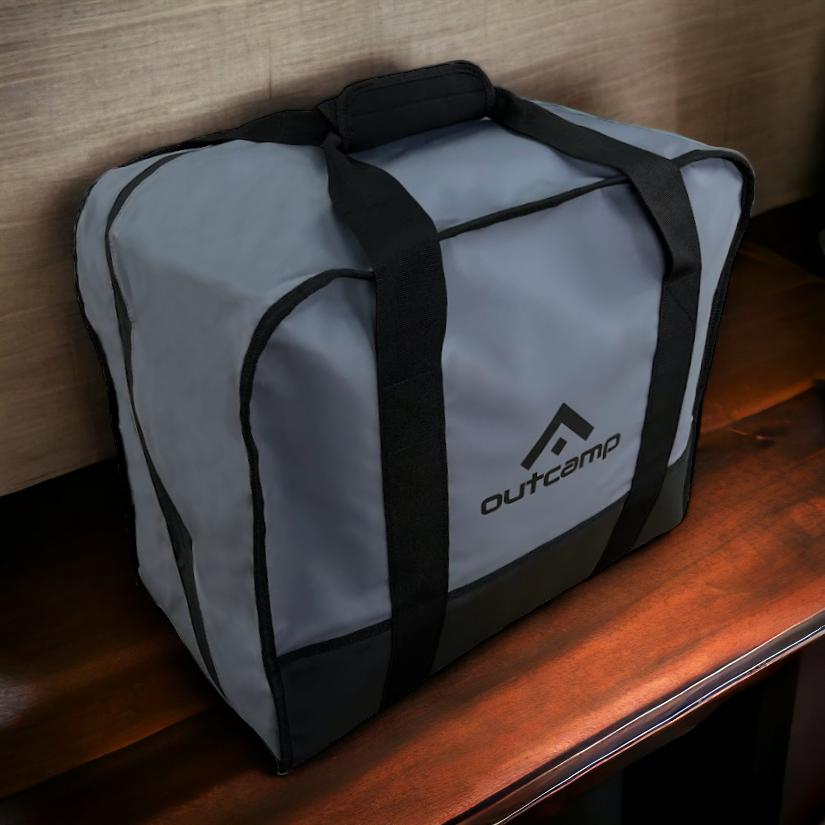
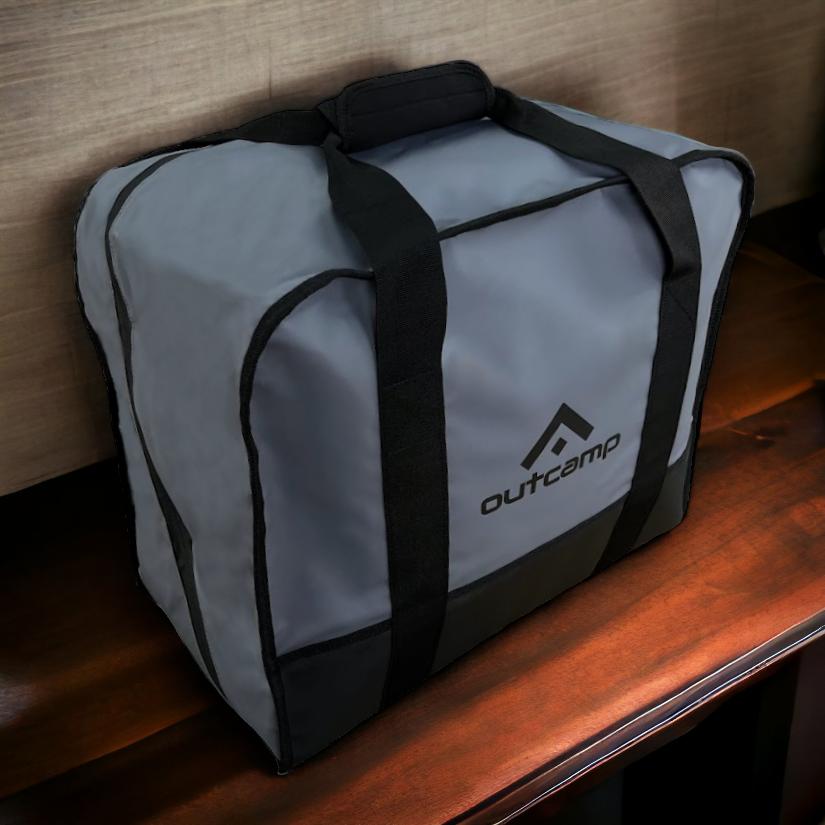
A Starlink Mini unit carried in a vehicle provides a personal connectivity bubble that keeps lone worker apps functioning, enables video calls for remote assistance, and provides access to emergency communication channels. The Starlink Mini Carry Bag makes transport between vehicles and work locations simple, protecting the dish from the dust and rough handling that are unavoidable on mine sites.
In an emergency, the difference between having and not having connectivity can be measured in response times. Being able to transmit precise GPS coordinates, describe injuries via video call to a remote paramedic, and coordinate helicopter evacuation in real-time can be the difference between a manageable incident and a tragedy.
FIFO Worker Welfare and Retention
The mining industry's reliance on fly-in fly-out workforces creates unique challenges for worker welfare and retention. Crews spend weeks at a time in remote camps, often separated from families by thousands of kilometres. Access to reliable internet for video calls, streaming, and staying connected with life outside the mine is no longer a luxury — it is a critical factor in attracting and retaining skilled workers in a tight labour market.
Starlink Mini makes it practical to provide quality internet access in accommodation villages and recreational facilities, even at sites where traditional broadband options are either unavailable or prohibitively expensive for the bandwidth workers expect.
Camp Connectivity and Morale
After a twelve-hour shift in forty-degree heat, the ability to video call family, watch a live sporting event, or simply browse the internet is an important part of recovery and mental wellbeing. Mining companies that provide poor internet in their camps hear about it constantly — in exit interviews, in union feedback, and in the difficulty of filling rosters for remote sites.
Multiple Starlink Mini units can be deployed across a camp to provide coverage in dongas, mess halls, and recreational areas. The Starlink Mini Flat Mount is ideal for semi-permanent installation on camp building roofs, providing a clean, low-profile setup that does not interfere with other rooftop infrastructure. For camps that relocate as the mine progresses, the ease of moving Starlink Mini units is a significant advantage over wired solutions.
Some operators are also using Starlink Mini to provide connectivity in crib rooms and break areas within the pit itself, giving workers the ability to check messages and make quick calls during scheduled breaks without returning to camp. This small quality-of-life improvement has an outsized effect on morale.
Training and Professional Development
Online training and professional development are increasingly important in mining, both for compliance requirements and for career progression. Safety inductions, equipment-specific certifications, and management courses are all moving online, but accessing these platforms from a remote mine site has historically been frustrating at best.
Starlink Mini's bandwidth supports video-based training content, live webinars, and interactive online courses without the buffering and dropouts that make remote learning a poor experience. Training rooms in camp can be equipped with reliable internet, allowing workers to complete required modules during their swing rather than waiting until they return to town.
For apprentices and trainees on site, reliable connectivity also means access to technical references, manufacturer documentation, and remote mentoring from experienced tradespeople who may be based in a city workshop. The Starlink Mini Hard Protective Travel Case ensures the dish survives the journey when training sessions move between different parts of the site.
Mental Health and Support Services
Mental health is a growing concern across the Australian mining industry. The isolation of FIFO work, long shifts, and separation from support networks contribute to higher rates of anxiety, depression, and substance use disorders among mining workers compared to the general population. Access to telehealth counselling and mental health support services depends on private, reliable internet connections.
Starlink Mini enables confidential video consultations with psychologists, counsellors, and employee assistance program providers from the privacy of a worker's room. This removes the barrier of having to access these services in a shared or public space, which many workers cite as a reason for not seeking help. The low latency of the connection means conversations feel natural rather than stilted by delays, which matters enormously in a counselling context.
Mining companies that invest in connectivity infrastructure for their workforce are not just improving a utility — they are demonstrating a genuine commitment to worker welfare that pays dividends in retention, productivity, and safety outcomes.
Practical Deployment Considerations for Mine Sites
Deploying Starlink Mini on a mine site requires some thought about power, mounting, protection, and network architecture. The harsh conditions — dust, heat, vibration, and the constant movement of heavy equipment — demand robust solutions. Fortunately, the range of accessories available from Outcamp covers virtually every deployment scenario encountered in mining.
Planning the deployment around the specific needs of each area of the operation ensures maximum benefit from the investment. A one-size-fits-all approach rarely works on mine sites, where conditions vary dramatically between the pit floor, the processing plant, the workshop, and the camp.
Power Solutions for Mining Environments
Power availability varies across a mine site. The camp and processing plant typically have reliable mains power, but the pit, exploration areas, and temporary work zones often rely on vehicle power or portable generators. Starlink Mini's power flexibility is one of its key advantages in these environments.
For vehicle-mounted deployments, the Starlink Mini 12V to 30V Power Supply (Anderson Plug) handles the voltage variations common in mining vehicles with heavy auxiliary electrical loads. The Anderson plug connection is standard across most mining fleet vehicles, making installation straightforward. For light vehicles and utes, the Starlink Mini Car Power Adapter (12V/24V to 20V DC) provides a simple plug-and-play solution.
At temporary work zones where no vehicle power is available, the Starlink Mini Portable UPS Power Supply provides seven to ten hours of operation, sufficient for a full shift. For extended deployments, the Starlink Mini Makita 18V Battery Connector or Starlink Mini Milwaukee 18V Battery Adapter lets crews use the same battery platform they already carry for their power tools, simplifying logistics and reducing the number of chargers needed on site.
Mounting and Protection in Harsh Conditions
Mine sites are harsh on equipment. Dust, vibration from blasting, UV exposure, and the risk of damage from passing equipment all need to be considered when mounting a Starlink Mini dish. The mounting solution needs to be secure enough to survive these conditions while remaining accessible for maintenance or relocation.
The Starlink Mini BullBar/Railing Mount is a popular choice for mine site vehicles, providing a secure attachment point that keeps the dish above the dust cloud thrown up by tyres on haul roads. For vehicles with roof racks, the Starlink Mini Roof Rack Mount offers a higher vantage point with better line-of-sight to the sky, which can be important in deep open-cut pits where the walls restrict the view of the horizon.
Protecting the dish during transport between sites or when not in use is essential. The Starlink Mini Hard Protective Travel Case provides impact protection against the knocks and drops that are inevitable in a mining environment, while the Starlink Mini Silicone Cover adds a layer of protection against dust and minor impacts during operation. For cable management on vehicles, Magnetic Cable Tie Mounts keep DC extension cables and Anderson plug cables tidy and out of the way of moving parts.
Network Architecture and Scaling
A single Starlink Mini unit provides enough bandwidth for a small team's needs, but larger operations will benefit from multiple units deployed strategically across the site. Each unit can serve as an independent access point or be integrated into a broader site network using the Starlink Mini/Gen 3 Ethernet Adapter (4 Ports) to provide wired connections to networking equipment.
For sites that need to extend the Starlink connection to multiple buildings or work areas, the ethernet adapter allows connection to existing Wi-Fi access points, switches, or mesh networking systems. The Gen 3/Mini Waterproof Connector Ethernet Cables are purpose-built for outdoor installations where standard ethernet cables would quickly degrade from moisture and UV exposure.
When planning a multi-unit deployment, consider placing Starlink Mini dishes at the camp, the site office, the workshop, the pit crib room, and any exploration or drilling areas that are beyond the range of the primary units. The Starlink Mini Explorer Bundle Pack provides everything needed for each location in a single package, simplifying procurement and ensuring no essential accessories are forgotten.
Getting Your Mine Site Connected
The Australian mining industry is in the middle of a technology transformation, and reliable connectivity is the foundation everything else builds on. Autonomous equipment, real-time analytics, remote operations centres, and digital safety systems all depend on having a robust data link between every corner of the mine site and the wider world. Starlink Mini makes that connectivity achievable for operations of any size, without the lead times and capital costs of traditional telecommunications infrastructure.
Whether you are running a major open-cut operation in the Pilbara, a gold exploration program in the Goldfields, or a coal mine in Queensland, the combination of Starlink Mini and the right accessories from Outcamp gives you a connectivity solution that is portable, reliable, and ready to deploy in minutes rather than months.
Browse the full range of Starlink Mini mounts, power supplies, protective cases, and networking accessories at outcamp.com.au to find the right setup for your operation. From the Starlink Mini Magnetic Mount for rapid vehicle deployment to the Starlink Mini Portable UPS Power Supply for off-grid shifts, Outcamp has the gear to keep your mine site connected.




Leave a comment (all fields required)