


Direct to Cloud: Hardening Remote Australian Film and Media Production with Starlink Mini
The landscape of Australian film and media production is defined by its vastness. From the rugged ironstone ranges of the Pilbara to the dense tropical rainforests of the Daintree and the shimmering salt flats of Lake Eyre, Australia offers some of the most spectacular locations on Earth. However, for the crews tasked with capturing these visuals, the "tyranny of distance" has historically been a relentless technical hurdle. Remote location production has long been an exercise in isolation, where data—the lifeblood of modern media—was siloed locally on physical drives, and the only bridge to the metropolitan studio was a multi-day courier run. In this high-stakes environment, the "real-time" component of production was a logistical impossibility, and the inability to stream dailies or maintain reliable comms meant that critical creative decisions were often delayed until the crew returned to base.
In 2026, the arrival of the Starlink Mini has fundamentally dismantled this barrier. By providing a portable, low-latency, and high-bandwidth satellite link that works where mobile networks vanish, Starlink Mini is serving as the communications backbone for a new era of "direct-to-cloud" production. We are no longer talking about a single bar of 4G signal at a roadhouse; we are talking about high-definition live streaming from a remote drone op, instant syncing of multi-terabyte datasets to cloud-based editors, and a stable WiFi bubble for the entire location crew. However, transforming a portable satellite dish into a resilient industrial tool for the media sector requires more than just an active subscription. It demands a technical approach to mounting, power management, and weatherproofing to ensure that the link survives the rigours of the Australian outback. This guide explores the technical architecture of the connected location and provide a roadmap for hardening your remote production setup in 2026.
The Cloud-Integrated Location: Moving Beyond Silos
The primary impact of Starlink Mini on remote Australian production is the ability to leverage cloud-based workflows in the field. In 2026, the industry standard has shifted from "capture and carry" to "capture and sync." For a production manager overseeing a multi-site shoot or a director needing to review dailies from a city-based suite, the bandwidth of the Starlink network—frequently exceeding 200Mbps in regional Australia—is the critical enabler. This high-speed pipe allows for the continuous background upload of proxy files and high-resolution metadata directly from the camera or the drone controller to the cloud, ensuring that the post-production house is working on today's footage, not last week's.
Enabling Real-Time Remote Collaboration
The low latency of the Starlink constellation (typically under 40ms) allows for lag-free video conferencing and remote monitoring of the live camera feed. This "tele-presence" effectively puts the client or the executive producer on the set, regardless of how many thousands of kilometres separate them from the location. Using high-bandwidth comms, remote experts can conduct visual site assessments, approve lighting setups, and guide the onsite crew through complex technical adjustments in real-time. This capability not only improves the creative outcome but also significantly reduces the need for senior personnel to undertake expensive and time-consuming travel to isolated regions, streamlining the production budget without compromising on quality.
Supporting Drone Data Links and Live Streaming
Australia's film and media industry relies heavily on drones for stunning aerial footage, and in 2026, the complexity of these operations has increased. Many drones now provide high-bandwidth telemetry and live 4K video feeds that are essential for precise navigation and creative framing. Starlink Mini provides the necessary backhaul to move these massive data streams from the field to a global audience. Whether it is a live broadcast of a remote sporting event or a real-time feed from a documentary drone tracking wildlife in the Top End, the ability to stream high-definition content from a mobile black spot is a game-changing addition to the Australian media landscape.
Crew Welfare and Digital Stability in the Bush
Production crews often spend weeks or months on location, and the psychological toll of extreme isolation is a well-documented risk. By providing reliable, high-speed WiFi through the Starlink Mini, production companies allow their teams to stay in touch with family, access digital entertainment, and manage personal affairs during off-watch hours. This simple shift in connectivity is a primary driver for improved morale and longer crew retention rates on difficult shoots. A happy, connected crew is a more focused and creative crew, making the investment in reliable regional internet as much about people as it is about technology. When the link is permanent, the "digital poverty" of the outback is eliminated, and the campsite becomes a comfortable extension of the metropolitan office.
\"The ability to upload proxies from the middle of the Tanami and have the editor in Sydney cutting them five minutes later has completely changed our production cycle. We are making better decisions on location because we aren't working in a vacuum anymore. Starlink Mini has effectively removed the 'remote' from remote production.\"
Hardening the Production Setup for Australian Conditions
A communications link is only useful if it remains operational when the conditions get rough. The Australian outback is a relentless assault on electronic hardware, and a Starlink Mini deployment must be integrated into the production infrastructure with technical precision. Constant vibration, fine red dust, and the extreme heat of the interior demand a setup that is far more resilient than a standard consumer install.
Industrial-Grade Mounting for Mobile Production
For film crews, the dish must often remain connected while moving between setups or tracking a subject. A dish sitting on a temporary tripod on the red dirt is a liability—it is prone to being shadowed by vehicles, damaged by wildlife, or knocked over by site activity. standardising on high-force mounting solutions is essential for maintaining signal integrity. The Starlink Mini Stainless Steel Magnetic Mount or the Starlink Mini Roof Rack Mount allows the dish to be securely attached to the highest point of a camera car or a location truck, ensuring a 360-degree clear view of the sky. For specialised tracking vehicles, using an alloy mounting arm allows for the dish to be positioned away from obstructions like equipment racks or antenna arrays, ensuring an optimal signal path regardless of the vehicle's orientation.
Power Resilience: Bypassing the Inverter
Power management is a critical factor on a remote shoot. While location trucks have significant battery banks, the standard AC adapter for the Starlink Mini is inefficient because it requires a 240V inverter to be running constantly. This generates unnecessary heat in the cab and wastes valuable amp-hours. For a dedicated production install, direct DC power is the only professional choice. Using a Starlink Mini 12V to 24V Power Supply (Anderson Plug) ensures the most efficient possible draw from the house battery, allowing the comms to stay active for longer periods during "engine-off" situations. For crews working on foot or away from the main vehicles, the PeakDo LinkPower 2 Portable Power Bank (99Wh) provides 7-10 hours of standalone runtime, ensuring a high-bandwidth link is available even in the deepest forest gully.
Physical Protection from Dust and Ingress
The Australian regional environment is a relentless assault on equipment. Fine red outback dust can penetrate even the tightest seals, acting as an abrasive and potentially a heat insulator. To ensure the hardware survives the rigours of the shoot, it must be protected. A Starlink Mini Silicone Cover or a Starlink Mini Clear Protective Cover adds a vital layer of defence against dust ingress and UV degradation. These covers are an inexpensive insurance policy for a piece of equipment that serves as a production lifeline. Furthermore, ensuring that all ethernet connections are sealed with a Waterproof Ethernet Port RJ45 prevents moisture and dust from compromising the data link during the very storms that often create the most dramatic cinematic conditions.
Integrating the High-Bandwidth Production Hub
Creating a connected location involves more than just a single link; it requires an ecosystem of devices that work in harmony. For a mobile site office or a video village, the ability to distribute the satellite link to multiple wired and wireless devices is essential. This is achieved through industrial-grade networking hardware that is built to handle the environmental and mechanical stresses of the Australian regional project.
Hardwired Reliability for the Video Village
While the integrated WiFi of the Starlink Mini is convenient, professional video villages often require the stability and security of a wired network. Integrating a Starlink Mini/Gen 3 Ethernet Adapter (4 Ports) allows for the connection of high-resolution monitors, network-attached storage (NAS) for on-site backup, and dedicated VOIP comms. This technical hardening ensures that the satellite link can be distributed across a large area without signal degradation or WiFi congestion. By hardwiring static devices, you free up the available wireless bandwidth for mobile tablets and smartphones, improving the overall network health for the entire crew.
Protecting the Hardware in Transit
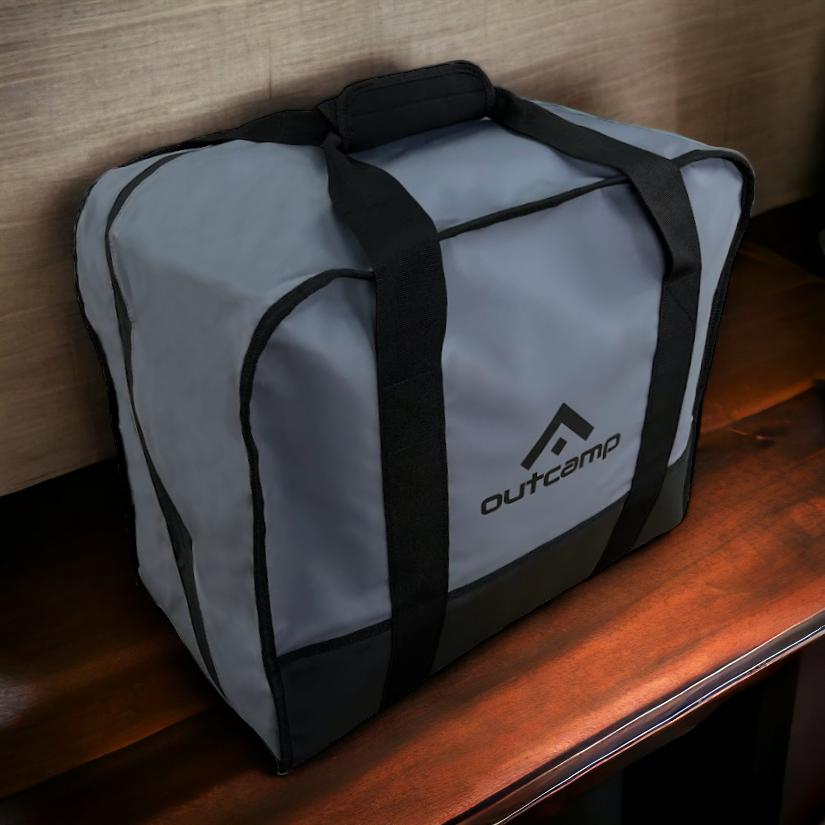
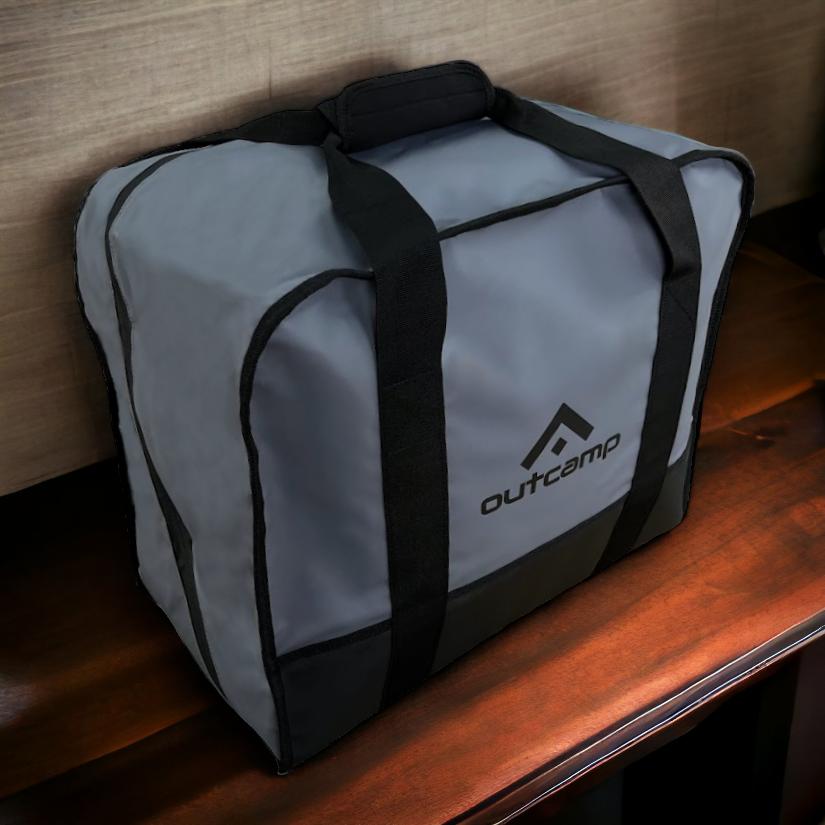
A significant portion of environmental damage occurs when the equipment is being moved between locations. A dish that is thrown into the back of a ute or a gear locker without protection is at high risk of mechanical fatigue and impact damage. Storing the unit and its associated cables in a Starlink Mini Hard Protective Travel Case during site transits is a non-negotiable professional standard. This case provides a dust-tight, moisture-proof environment and prevents the vibration of corrugated roads from rattling the internal components of the dish. It also ensures that all components stay together, reducing the risk of a crew arriving on-site with a dish but no waterproof power lead.
standardising across the Production Fleet
For production companies managing multiple shoots or a fleet of service vehicles, the key to resilient comms is technical standardisation. By ensuring that every Starlink Mini unit is deployed with the same suite of hardening accessories—the same silicone covers, the same waterproof ethernet adapters, and the same hard cases—you simplify the maintenance process and ensure a consistent level of reliability. This approach also allows for faster troubleshooting in the field, as technicians are working with a familiar and proven hardware stack. In 2026, the "connected corridor" of Australian media is built on a foundation of technical consistency and rugged engineering.
FAQ: Starlink Mini for Remote Production
Can Starlink Mini handle the high data volumes of a film set?
Yes, Starlink Mini provides the high-bandwidth link required for streaming proxies and uploading large datasets. Typical speeds in regional Australia well exceed 100Mbps, which is more than sufficient for cloud-integrated media workflows and high-definition video conferencing.
Is the Starlink Mini rugged enough for off-road production transits?
The hardware is IP67 rated, meaning it is sealed against dust and water. However, it requires industrial mounting to handle the extreme vibration of the outback. Using a 1.5-inch ball modular mount system or a high-force magnetic mount is essential to ensure the mechanical stresses of the journey don't translate into hardware failure.
What is the best way to power a Starlink Mini video village off-grid?
The most reliable setup is a direct DC connection to a high-capacity lithium battery bank. standardising on a Starlink Mini 12V to 24V Power Supply (Anderson Plug) allows the system to run directly from the battery, bypassing the heat and inefficiency of a 240V inverter and extending your daily shoot time.
Conclusion
The isolation that once defined the Australian remote film and media industry is rapidly becoming a thing of the past. With Starlink Mini, the "comms barrier" has been dismantled, allowing crews and production managers to work with the same speed and security they would have in a metropolitan studio. However, the successful adoption of this technology hinges on more than just the satellite link itself; it requires a commitment to technical excellence in how the hardware is mounted, protected, and powered in the field.
By standardising on industrial mounting solutions like the Starlink Mini Stainless Steel Magnetic Mount and efficient, direct-DC power options like the Starlink Mini 12V to 24V Power Supply (Anderson Plug), Australian production companies can ensure their connectivity remains as resilient as the landscapes they capture. As we move deeper into 2026, those who leverage these technical tools to bridge the digital gap will find themselves at the forefront of a more efficient, safer, and more connected industry. If you are ready to future-proof your remote production comms, explore the full range of professional Starlink accessories from Outcamp today.




Leave a comment (all fields required)