


When it comes to staying connected in remote Australia, the difference between Starlink Mini and traditional mobile internet is not just a matter of speed — it is the difference between having a connection at all. This real-world comparison breaks down how each option performs for Australian caravanners, campers, and 4WD travellers who spend time beyond the reach of the mobile network.
Australia’s vast landscapes, remote outback, and stunning coastlines make it a dream destination for caravanners, 4WD adventurers, and digital nomads. But as any seasoned traveller knows, staying connected on the road is a real challenge. Until recently, most relied on traditional mobile internet—think Telstra, Optus, or Vodafone dongles and SIM cards. Now, with the arrival of the Starlink Mini, the game has changed. But how does this compact satellite internet solution stack up against traditional mobile internet for Aussie travellers? Let’s dive into a real-world comparison, with practical advice and product recommendations from Outcamp, your trusted source for outdoor tech and gear.
The Connectivity Challenge in Australia
Australia’s mobile networks are world-class in the cities, but once you leave the urban sprawl, coverage drops off fast. Black spots are common, especially in the outback, along remote highways, and in many national parks. For years, travellers have juggled multiple SIMs, boosters, and patchy Wi-Fi at caravan parks. The result? Frustration, missed work deadlines, and the inability to stream, Zoom, or even check emails reliably.
What is Starlink Mini?
Starlink Mini is SpaceX’s latest portable satellite internet kit. Unlike the original Starlink dish, the Mini is compact enough to fit in a backpack, making it ideal for caravanners, campers, and 4WD explorers. It delivers high-speed, low-latency internet almost anywhere in Australia—provided you have a clear view of the sky.
- Download speeds typically over 100 Mbps
- Low latency (great for video calls and gaming)
- Simple setup—just plug in, point to the sky, and connect
- Works in places with zero mobile coverage
Traditional Mobile Internet: The Old Standard
Most Aussie travellers have relied on mobile broadband for years. This means using a USB dongle, portable Wi-Fi hotspot, or a phone’s hotspot function, all powered by a SIM card from Telstra, Optus, or Vodafone. Coverage is best on Telstra, but even then, remote areas are often out of reach. Data speeds can be fast in towns, but drop dramatically in rural or crowded areas.
- Easy to use in populated areas
- No need for extra hardware if you use your phone
- Lower upfront cost
- Patchy or non-existent coverage in remote Australia
- Data speeds can be inconsistent
- Data caps and expensive overages
Real-World Comparison: Starlink Mini vs. Mobile Internet
1. Coverage
- Starlink Mini: Works almost anywhere in Australia with a clear sky. Perfect for the outback, remote beaches, and national parks.
- Mobile Internet: Limited to areas with mobile towers. Even Telstra’s “Blue Tick” phones can’t reach many remote campsites.
Winner: Starlink Mini for true off-grid adventures.
2. Speed and Reliability
- Starlink Mini: Consistently delivers 50–150 Mbps download speeds, even in the bush. Low latency means smooth video calls and streaming.
- Mobile Internet: Can be fast in cities and towns, but speeds drop in rural areas. In remote spots, you may get no signal at all.
Winner: Starlink Mini for consistent, high-speed internet.
3. Setup and Portability
- Starlink Mini: Compact, lightweight, and easy to set up. Just point the dish at the sky and connect.
- Mobile Internet: Super portable (just a phone or dongle), but only works where there’s coverage.
Winner: Tie—Starlink Mini is more versatile, but mobile internet is lighter if you’re always in coverage.
4. Power Requirements
- Starlink Mini: Needs a 240V or 12V power source. Outcamp offers generator carry bags and 12V power solutions to keep your Starlink running off-grid.
- Mobile Internet: Runs off your phone or a small hotspot battery.
Winner: Mobile internet is easier for short trips, but Starlink Mini is manageable with the right gear.
5. Cost
- Starlink Mini: Higher upfront cost (hardware and monthly fee), but unlimited data and no overages. Great value for families or remote workers.
- Mobile Internet: Lower upfront cost, but data is capped and overages can be expensive. Multiple SIMs may be needed for coverage.
Winner: Starlink Mini is better for heavy users and long trips; mobile internet is cheaper for light, urban use.
Who Should Choose Starlink Mini?
- Caravanners and 4WDers exploring remote Australia
- Digital nomads who need reliable internet for work
- Families who want to stream, game, and stay connected off-grid
- Emergency preparedness—reliable comms in bushfire or cyclone zones
Who Should Stick with Mobile Internet?
- Urban and regional travellers who rarely leave coverage
- Light users who only need occasional email or maps
- Budget-conscious campers on short trips
Outcamp’s Top Tips for Starlink Mini Users
- Power Up Off-Grid: Use a quality generator or lithium battery system. Outcamp’s generator carry bags and 12V solutions make it easy to power your Starlink Mini anywhere.
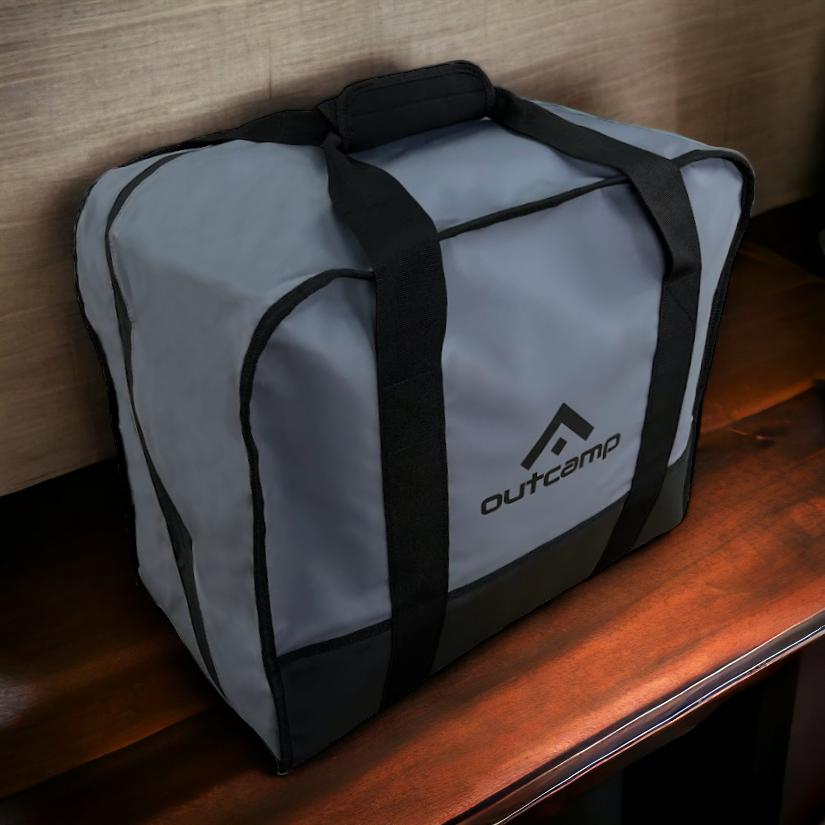
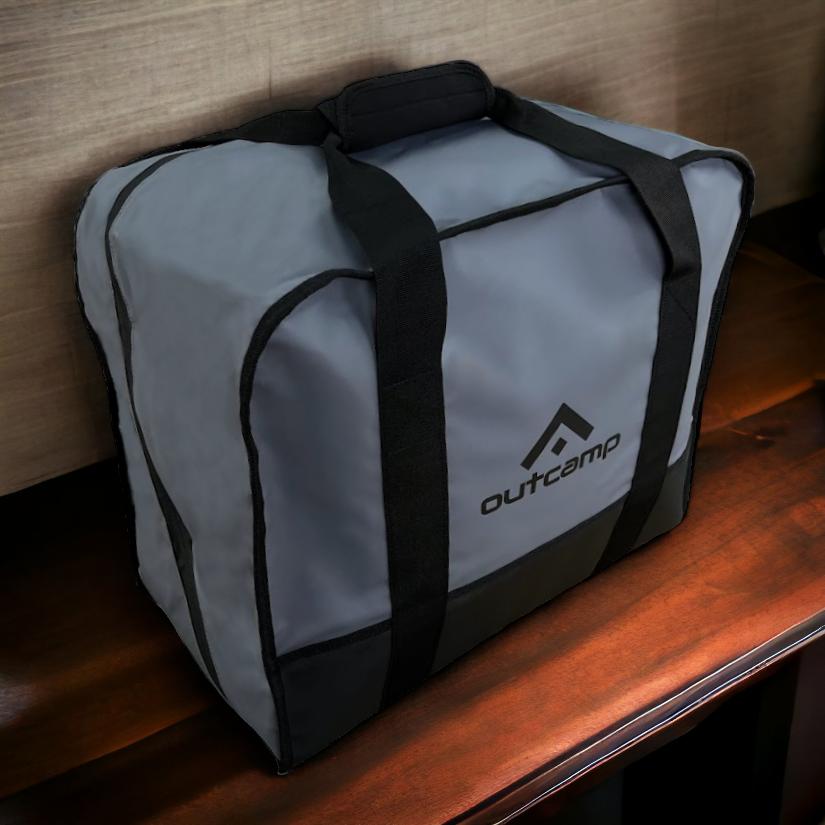
- Protect Your Gear: Invest in a padded Starlink Mini carry bag from Outcamp to keep your dish safe on rough tracks.
- Mounting Matters: Use a roof rack or tripod mount for the best sky view. Outcamp stocks a range of Starlink mounts for caravans and 4WDs.
- Stay Organised: Keep cables, adapters, and power banks in a dedicated tech bag—available at Outcamp.
- Combine with Mobile: For the best of both worlds, use Starlink Mini for remote areas and mobile internet in towns.
Final Verdict
For most Aussie travellers, the Starlink Mini is a game-changer. It finally delivers on the promise of reliable, high-speed internet anywhere in Australia—no more black spots, no more frustration. While traditional mobile internet still has its place for city and regional trips, it simply can’t compete with Starlink Mini for true off-grid adventures.
If you’re ready to upgrade your connectivity and make the most of your travels, check out Outcamp’s full range of Starlink Mini accessories, power solutions, and expert advice. Stay connected, stay safe, and enjoy the freedom of the open road—wherever it takes you.
Explore Starlink Mini accessories and power solutions at Outcamp.com.au and make your next adventure your most connected yet.




Leave a comment (all fields required)