


Telemedicine on Remote Australian Worksites: How Starlink Mini Enables On-Site Health Consultations
For workers stationed hundreds of kilometres from the nearest hospital, a medical issue can quickly become a logistical nightmare. Whether it is a musculoskeletal injury on a mine site, a suspected snake bite on a pastoral station, or a mental health crisis at a remote construction camp, the traditional response has been the same: evacuate the worker, lose days of productivity, and hope the situation does not deteriorate during transit. Telemedicine has long promised to change this equation, but until recently, the connectivity required to make it work simply was not available in the places that needed it most.
Starlink Mini is changing that reality across remote Australia. With download speeds sufficient for high-definition video consultations and latency low enough for real-time medical assessments, satellite internet is finally making telemedicine practical on worksites that previously relied on patchy mobile coverage or expensive VSAT installations. For employers, this means faster access to medical advice, reduced evacuation costs, and a genuine improvement in duty-of-care obligations. For workers, it means seeing a doctor without leaving the site.
The Real Cost of Limited Healthcare Access on Remote Worksites
Remote work in Australia is not a niche concern. The mining sector alone employs over 280,000 people, many of them on fly-in fly-out rosters at sites hours from the nearest regional hospital. Agriculture stretches across properties larger than some European countries, where the closest GP might be a two-hour drive on unsealed roads. Construction crews building infrastructure in regional and remote areas face similar challenges. In all these industries, the gap between a health incident and professional medical attention can be measured in hours rather than minutes.
That gap carries real consequences — both human and financial. Understanding the specific pressures helps explain why telemedicine is not just a convenience but a necessity for modern remote operations.
Evacuation Costs and Productivity Losses
Medical evacuations from remote Australian worksites are extraordinarily expensive. A Royal Flying Doctor Service retrieval can cost tens of thousands of dollars, and even a road transfer to the nearest regional hospital pulls a vehicle, a driver, and the patient out of the workforce for an entire shift or longer. For mining and construction operations running tight schedules, unplanned evacuations ripple through rosters and project timelines in ways that are difficult to recover from.
Many of these evacuations turn out to be precautionary. Without the ability to conduct a proper assessment on site, the default protocol is often to evacuate first and ask questions later. A remote consultation with a GP or specialist can determine whether a worker genuinely needs hospital care or whether they can be treated on site with guidance from a medical professional. The savings from avoiding even a handful of unnecessary evacuations per year can be substantial.
Beyond the direct costs, there is the productivity impact on the worker themselves. A precautionary evacuation might mean days away from site for what turns out to be a minor issue. With telemedicine, that same worker could receive a diagnosis, a treatment plan, and clearance to return to duties within an hour — all without leaving camp.
Mental Health in Isolated Work Environments
Physical injuries are the visible face of remote workplace health, but mental health is the quieter crisis. FIFO workers, seasonal agricultural labourers, and remote construction crews face extended periods away from family, limited social interaction outside their immediate team, and environments that can feel relentlessly monotonous. Depression, anxiety, and substance misuse are well-documented challenges in these populations.
Access to mental health support in remote areas has historically been limited to periodic visits from employee assistance program counsellors or phone-based services. While these have their place, video consultations offer a meaningfully different experience. Being able to see and be seen by a psychologist or counsellor creates a level of rapport and engagement that phone calls struggle to match, particularly for workers who may already be reluctant to seek help.
Reliable video conferencing requires stable bandwidth and low latency — exactly the kind of connection that Starlink Mini provides. A worker can schedule a confidential telehealth appointment from a private space on site, connect with their regular mental health professional, and return to work without anyone needing to know the details. Removing the logistical barriers to mental health care does not solve the underlying issues, but it makes it significantly easier for workers to access support when they need it.
Chronic Condition Management for Long Rosters
Not every medical need on a remote worksite is an emergency. Workers on extended rosters often need to manage chronic conditions — diabetes, hypertension, asthma, ongoing musculoskeletal issues — that require regular check-ins with their treating doctors. Without telemedicine, these appointments either get deferred until the worker returns home or require an expensive trip to the nearest town with a medical practice.
Deferred care is a genuine risk. A diabetic worker who cannot consult their endocrinologist about changing blood sugar levels may end up in a genuinely dangerous situation that could have been prevented with a fifteen-minute video call. A construction worker managing a back injury might push through pain rather than adjust their treatment plan, turning a manageable condition into one that requires extended time off.
Telemedicine makes routine medical management possible regardless of location. With a stable Starlink Mini connection, workers can maintain their regular appointment schedules, share vital signs data in real time, and receive updated prescriptions or treatment adjustments without disruption to their roster. For employers, this translates directly into fewer unplanned absences and a healthier, more productive workforce.
Setting Up a Telemedicine Station with Starlink Mini
Making telemedicine work on a remote worksite is not just about having an internet connection — it is about having the right connection, reliably deployed, in a configuration that supports private, high-quality medical consultations. Starlink Mini's compact form factor and flexible mounting options make it well suited to the varied environments found across Australian remote worksites.
The practical considerations fall into three areas: connectivity setup, power supply, and creating a suitable consultation space. Getting all three right turns telemedicine from a theoretical possibility into a daily operational capability.
Connectivity: Deployment and Mounting for Worksites
Starlink Mini weighs just over a kilogram and can be deployed in minutes, making it practical for both permanent camps and mobile operations. For fixed installations at mining camps or agricultural homesteads, the Starlink Mini Flat Mount provides a clean, permanent mounting solution on rooftops or elevated platforms. The Starlink Mini Roof Rack Mount and Starlink Mini BullBar/Railing Mount are ideal for vehicles that serve as mobile site offices, allowing the dish to travel with the workforce.
Construction sites present their own challenges, with equipment, structures, and personnel constantly shifting. The Starlink Mini Tripod Mount offers a stable, relocatable option that can be positioned for optimal sky view and moved as the site evolves. For temporary deployments — emergency response camps, seasonal shearing sheds, or short-term construction stages — the Starlink Mini Portable Magnetic Roof Mount attaches to any steel surface in seconds and can be packed away just as quickly.
In marine and offshore environments, where platform-based workers may be furthest from medical facilities, the Starlink Mini Marine Rail Mount (25-32mm) secures the dish to vessel railings, while the Starlink Mini Suction Mount works on smooth surfaces like cabin roofs. Whichever mount suits the environment, the goal is the same: a stable, unobstructed connection that can sustain a high-definition video call without dropouts.
Power: Keeping Starlink Running Off-Grid
Remote worksites rarely have convenient power outlets where you need them. Starlink Mini draws around 25-40 watts during normal operation, which is modest but needs to be supplied reliably for the duration of any medical consultation — and ideally around the clock for always-on connectivity.
For vehicle-based setups, the Starlink Mini 12V to 24V Power Supply (Anderson Plug) draws power directly from the vehicle's electrical system, making it a set-and-forget solution for ute trays, Land Cruisers, and other work vehicles. The Starlink Mini Car Power Adapter (12V/24V to 20V DC) offers a similar capability with broader vehicle compatibility. On sites with 12V auxiliary battery systems — common in mining support vehicles and agricultural machinery — the Starlink Mini Anderson Plug to DC Power Cable (5.0M) provides a clean, long-reach connection.
For truly off-grid deployments where no vehicle power is available, the Starlink Mini Portable UPS Power Supply (7-10 Hours) provides a full day of operation from a single charge. The PeakDo LinkPower 2 Portable Power Bank (99Wh) is another excellent option, purpose-built for Starlink Mini and compact enough to fit in a backpack. Workers on sites with cordless tool ecosystems can even use the Starlink Mini Makita 18V Battery Connector or Starlink Mini Milwaukee 18V Battery Adapter to run Starlink from batteries they already carry. The flexibility of power options means there is no worksite too remote to support a telemedicine connection.
Creating a Private Consultation Space
Telemedicine is only effective if workers feel comfortable using it, and comfort requires privacy. A video consultation about a mental health concern or a sensitive physical issue is not something most people want to conduct in a shared crib room or open-plan donga. Employers setting up telemedicine capability should designate a private space — even a small one — where workers can attend appointments without being overheard or interrupted.
The technical requirements for this space are straightforward: a device with a camera and microphone (a tablet or laptop), a Starlink Mini connection, and adequate lighting. The Starlink Mini/Gen 3 Ethernet Adapter (4 Ports) can provide a hardwired connection to the consultation device, which is more reliable than WiFi for sustained video calls and avoids interference from other devices on the network. For sites using the modular mount system, a 1.5" Ball Mount with a Double Socket Arm and VESA 75x75 Adapter can hold a tablet at the right height and angle for a comfortable consultation.
Protecting the Starlink equipment in harsh site conditions is equally important. The Starlink Mini Hard Protective Travel Case keeps the dish safe during transport between sites, while the Starlink Mini Silicone Cover provides day-to-day protection against dust, UV exposure, and minor impacts. For the cable runs between the dish and the consultation space, the Waterproof DC Wall Socket Passthrough allows clean cable routing through demountable walls without compromising weatherproofing.
Telemedicine Applications Across Remote Industries
The value of on-site telemedicine extends well beyond basic GP consultations. Different industries face different health challenges, and the applications of connected healthcare vary accordingly. What they share is a dependence on reliable, high-bandwidth connectivity — the kind that Starlink Mini delivers consistently across Australia's remote landscape.
Here is how telemedicine is being applied across the industries that make up Australia's remote workforce.
Mining: Pre-Start Assessments and Specialist Referrals
Mining operations have some of the most rigorous health and safety requirements of any Australian industry. Pre-start medical assessments, fitness-for-duty evaluations, and drug and alcohol testing are standard practice. Telemedicine allows site medics to consult with off-site doctors during these assessments, getting a second opinion on borderline cases without delaying the start of a shift.
Specialist referrals are another area where telemedicine delivers significant value. A site paramedic who suspects a cardiac issue, a dermatological concern, or an orthopaedic injury can connect the worker directly with a specialist via video — often on the same day. This is a dramatic improvement over the traditional pathway of evacuating to a regional hospital, waiting for an outpatient appointment, and then potentially being referred on again. The time from symptom to specialist assessment can shrink from weeks to hours.
Mining companies are also using telemedicine for occupational health surveillance — regular audiometry checks, spirometry for dust exposure monitoring, and vision testing. While some of these require on-site equipment, the results can be transmitted in real time to occupational health physicians who interpret them remotely and flag any concerns immediately. This kind of continuous monitoring is only possible with a reliable internet connection, and Starlink Mini makes it feasible even at the most remote exploration sites.
Agriculture: Veterinary Crossover and Rural Family Health
Agricultural properties present a unique telemedicine scenario because the line between workplace and home is often blurred. A farming family living on a remote station faces the same healthcare access challenges as their employees, and the Starlink Mini connection that enables telemedicine for the workforce also serves the family. Children can see paediatricians, partners can access allied health services, and elderly family members can maintain specialist appointments — all from the homestead.
There is also a practical crossover with veterinary telemedicine. Livestock health is central to agricultural operations, and remote veterinary consultations can guide treatment decisions for sick or injured animals when a vet visit might be days away. While human and veterinary telemedicine operate through different platforms, they share the same connectivity requirement, and a single Starlink Mini installation serves both needs.
Seasonal workers on agricultural properties — shearers, harvest crews, fruit pickers — are another group that benefits from on-site telemedicine. These workers are often transient, may not have established relationships with local GPs, and face physical demands that lead to injuries. Providing telemedicine access on the property gives them a pathway to medical care that might otherwise be inaccessible during their time in remote locations.
Construction and Infrastructure: Injury Triage and Return-to-Work Programs
Construction sites generate a predictable pattern of injuries: sprains, strains, lacerations, eye injuries from debris, and heat-related illness. Many of these can be effectively assessed and managed via video consultation, with the site first aid officer acting as the doctor's hands under remote guidance. This approach keeps workers on site, reduces lost-time injuries in reporting metrics, and gets people back to work faster with appropriate medical clearance.
Return-to-work programs are another area where telemedicine proves its value on remote construction sites. A worker recovering from an injury needs regular review by their treating doctor to adjust duties, progress rehabilitation, and eventually clear them for full duties. Without telemedicine, each of these appointments requires a trip to town — often half a day or more on remote infrastructure projects. With a Starlink Mini connection, these reviews happen on site during a scheduled break, keeping the worker productive and the recovery on track.
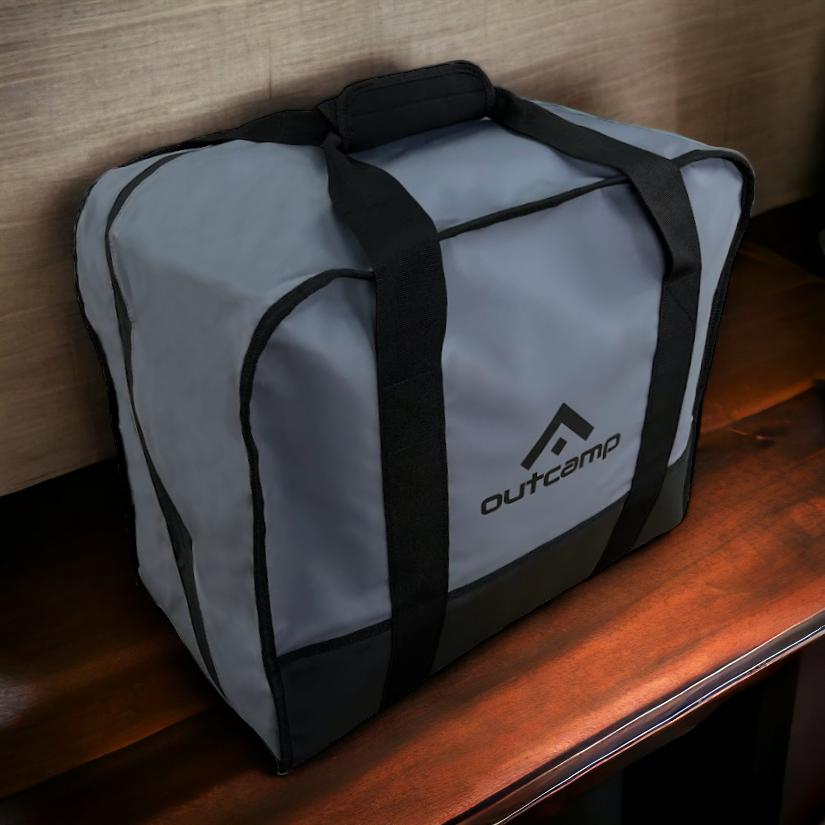
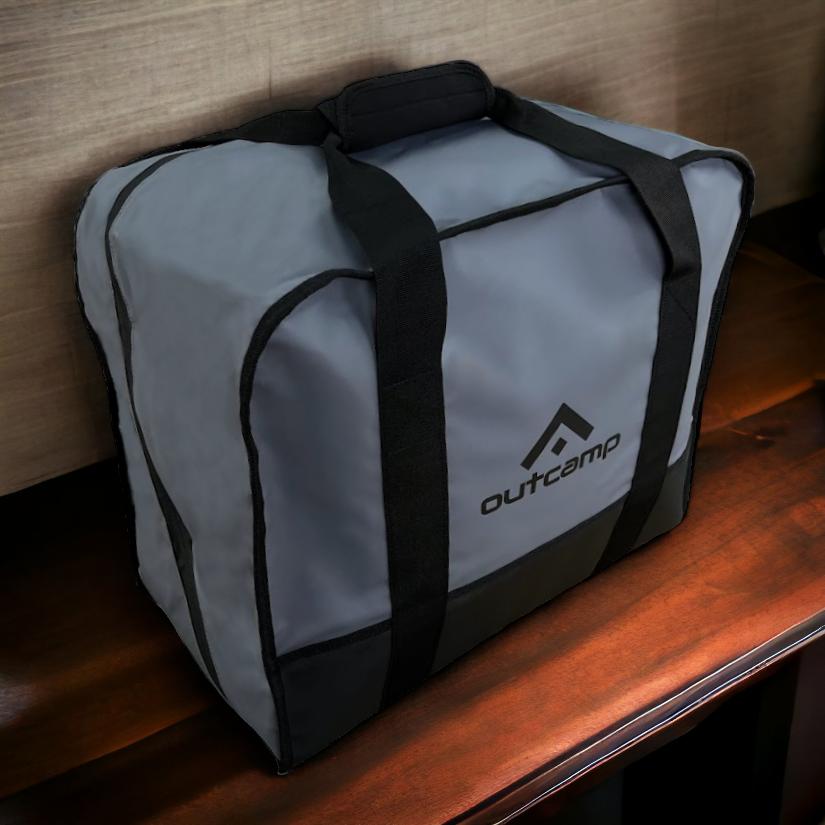
For large infrastructure projects — road construction, pipeline installation, renewable energy farms — the workforce may be spread across multiple fronts separated by significant distances. A single telemedicine setup at the main camp, powered by Starlink Mini and protected by the Starlink Mini Carry Bag for transport between locations, can serve the entire project. The Starlink Mini Explorer Bundle Pack provides everything needed in a single kit: dish, mount, power supply, and protective carry solution — ready to deploy wherever the current workfront demands.
Getting Started with Telemedicine on Your Remote Worksite
Implementing telemedicine does not require a massive technology investment or a complete overhaul of your site health systems. The infrastructure is a Starlink Mini dish, an appropriate mount and power solution for your environment, a tablet or laptop, and a subscription to a telehealth platform. The connectivity gap that once made this impossible has been closed.
Outcamp carries the full range of Starlink Mini accessories needed to deploy reliable satellite internet on any Australian worksite — from magnetic vehicle mounts and Anderson plug power supplies to protective cases and ethernet adapters. Whether you are setting up a permanent telemedicine station at a mining camp or need a portable kit that travels with your construction crew, the right combination of mount, power, and protection will keep your workforce connected to the healthcare they deserve.
The workers who build, grow, mine, and protect in Australia's remote regions should not have to choose between their livelihood and their health. Starlink Mini and the right accessories make that choice unnecessary. Browse the full range at outcamp.com.au and find the setup that fits your operation.




Leave a comment (all fields required)