The first time you swing into Hill Inlet on a low tide, you stop talking. The water turns three different shades of blue in the space of fifty metres, the silica sand pours through it like cream, and somewhere off in the deeper channel a yacht sits on its anchor with the only sound being a rope tapping against the mast. That's the Whitsundays in winter — quiet, clear, and warm enough to swim in shorts.
Why winter is the Whitsundays at their best
From June to August the dry season locks in across Far North Queensland, and the 74 islands of the Whitsundays sit right in the middle of the sweet spot. Daytime temperatures sit between 22 and 25 degrees, the humidity is gone, and the trade winds drop back from their April–May peak to a friendly 10–15 knots — perfect for cruising under sail without getting flogged. Water clarity peaks too, with run-off from the wet season long gone, so snorkelling on the fringing reefs is at its best.
And here's the part most people miss: it's also stinger-free. Box jellyfish and irukandji are a wet-season problem along the tropical Queensland coast — by June they're effectively absent in the Whitsundays. You can swim straight off the back of the boat without a stinger suit.
Getting there
Most trips start from Airlie Beach, an hour's drive south of Proserpine Whitsunday Coast Airport (Brisbane is around 11 hours by road if you're towing the camper up; Sydney is closer to 20 hours). Coral Sea Marina at Airlie is the main jump-off point for charter fleets, ferries to Daydream and Hamilton Islands, and day-trip operators heading out to Whitehaven and the reef.
If you'd rather sail from a quieter base, Hamilton Island has its own marina and direct flights from Brisbane, Sydney and Melbourne — handy if you're skipping the road trip and just want to step off the plane and onto a boat.
Bareboat or skippered: which is right for you?
Bareboat charter
You don't need a formal sailing licence to bareboat in the Whitsundays — operators run a half-day briefing covering navigation, anchoring, the local mooring system and the no-go reef zones. You do need at least one experienced sailor in the group who can demonstrate basic boat handling. Expect to pay $700–$1,500 per night for a 38–46 foot catamaran in winter, sleeping six to eight.
Skippered charter
Hand the lines to someone else and just enjoy the ride. A skippered charter costs $200–$400 a day extra on top of the boat, but you get local knowledge — best anchorages for the wind direction, secret snorkelling spots, and which lookout to time for sunset. Worth it for first-timers or anyone who'd rather have a beer at anchor than worry about chartwork.
Day trips and overnighters
Not ready to commit to a week? Cruise Whitsundays, Ocean Rafting and Red Cat Adventures all run single-day trips out of Airlie that hit Whitehaven, Hill Inlet Lookout and a snorkelling stop on the fringing reef. Two- and three-night sailing tours on tall ships and racing maxi-yachts run year-round — a solid taste-test before you commit to a full bareboat week.
The anchorages worth chasing
Whitehaven Beach (Whitsunday Island)
Seven kilometres of pure silica sand so fine it squeaks under your feet. The northern end (Tongue Bay) is where you tender across to the Hill Inlet Lookout walk — twenty minutes uphill for the postcard shot of the sand swirls. The southern end is quieter and good for an overnight anchor with a fire on the beach (BYO firepit, burn driftwood only).
Nara Inlet (Hook Island)
A long fjord-like inlet that cuts deep into Hook, surrounded by steep eucalypt-covered hills. Glassy water, brilliant for kayaking, and there's an Ngaro rock art site at the head of the inlet — well-marked, short walk from the dinghy beach. One of the most protected anchorages in the group, which makes it a winner if the south-easter pipes up.
Blue Pearl Bay (Hayman Island)
Probably the best snorkelling anchorage in the whole Whitsundays. Hard and soft corals start in two metres of water and run out to the drop-off, and you'll see Maori wrasse, parrotfish, turtles and the occasional reef shark cruising through. Public mooring buoys are available — first in, best dressed.
Butterfly Bay (Hook Island)
Northern Hook, sheltered from the south-east trade. Shallow coral gardens, calm water for stand-up paddleboarding, and a great sunset spot looking back across the Coral Sea.
What to pack
- Reef-safe sunscreen — the standard chemical stuff is banned on the Great Barrier Reef
- Polarised sunnies for spotting bommies and reading the water
- A light merino layer — winter nights at anchor can dip to 14–16 degrees
- Reef shoes — most fringing reefs need them for getting in and out
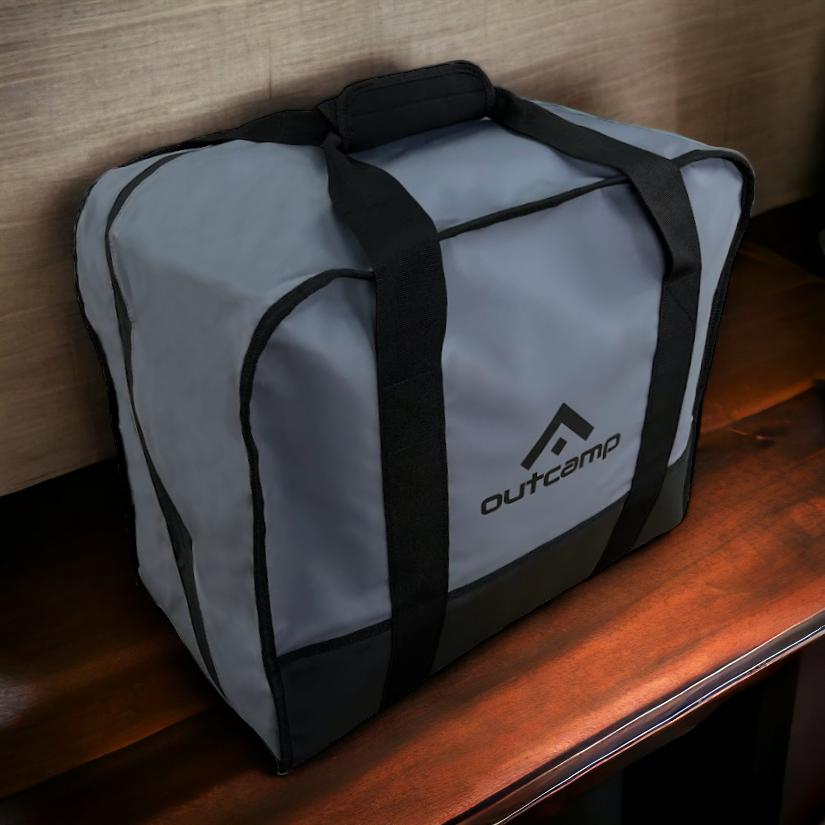
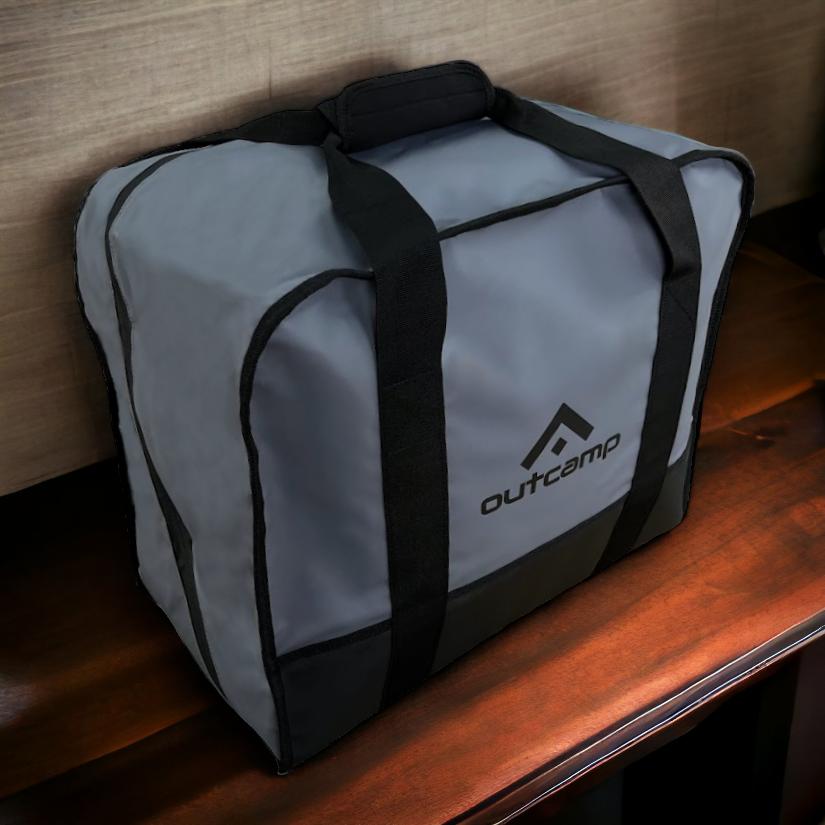
- Soft duffle bags — most charter boats won't take hard-shell suitcases (no storage)
- Cash and cards — once you're out of Airlie you're paying for moorings, fuel and ice via the boat operator
Staying connected from the anchorage
Mobile coverage in the Whitsundays is patchy at best. Telstra hits Airlie, Hamilton Island and a few of the closer anchorages, but pull into Nara Inlet or Blue Pearl Bay and you're on your own. If you need to keep an eye on email, the kids need school work uploaded, or you just want to stream a movie after dinner without the boat's marine sat phone, a portable Starlink Mini setup runs happily off a 12V outlet on the boat — pair it with a magnetic mount and you can clamp it to the cockpit roof in seconds, then drop it back in its bag when you weigh anchor. Same kit works on the next leg of the trip when you're back on the road.
Practical tips
- Book early. Winter is peak season — bareboat fleets and the popular tour operators sell out 4–6 months ahead. Don't leave it to May for a June trip.
- Tides matter. Hill Inlet's swirling sand patterns are at their best on a low tide. Plan your visit around the tide chart, not the calendar.
- Marine permits. The Great Barrier Reef Marine Park has zoned no-anchor areas to protect coral. Charter briefings cover this — pay attention.
- Cyclone insurance. Standard charter insurance excludes November–April. Winter trips are well outside the cyclone window.
- Fuel and water. Most charter boats top up at Hamilton Island or Coral Sea Marina. Plan a top-up if you're heading to the outer reef.
Other Queensland trips worth a look
The Whitsundays are the postcard, but Queensland's worth more than one visit. If sandstone gorges and ancient cycads are more your style, our Carnarvon Gorge guide covers the best winter hiking in the state. Or if you want red dirt and long horizons, the Matilda Highway road trip through outback Queensland is a perfect winter touring loop.
Wherever you head, winter 2026 is the year to do it. Pack light, sail loose, and try not to drop your phone over the side at Hill Inlet.