


You're packing for a trip somewhere remote. You need internet for work calls, weather updates, maps, maybe a bit of streaming for the kids in the back. Question is: do you rely on your phone, take a portable 4G modem, or splash out on a Starlink Mini?
All three work. Each one earns its place in different scenarios. Here's the honest, real-world comparison from an Aussie touring perspective.
TL;DR
| Option | Coverage | Cost (rough) | Best for |
|---|---|---|---|
| Phone hotspot | Wherever your carrier reaches | $0 extra (uses your existing plan) | Weekenders near towns |
| Portable 4G/5G modem | Same as phone, slightly better antenna | ~$200–600 hardware + plan | Regular fringe-area users |
| Starlink Mini | Anywhere with sky view | ~$599 hardware + ~$80–150/mo | Genuinely remote travel & work |
Phone Hotspot — The Free Option
Your phone has a personal hotspot feature built in. Switch it on, connect your laptop or tablet, and you're online — using your existing phone plan's data.
The good
- Costs nothing extra — you already pay for the data
- Always with you
- Works anywhere your carrier has coverage
The not-so-good
- Only as good as your carrier's coverage. Telstra is the strongest in regional and remote Aus, Optus is solid in towns and along major highways, Vodafone is great in cities and weak elsewhere.
- Drains your phone battery fast — keep it on the charger
- Some plans throttle hotspot speeds after a daily allowance
- Most plans count hotspot data against your normal cap
- Useless when you have no bars — and that's most of inland Aus
Get this if: your trips stay close to towns, on the bitumen, and you're mostly using internet for messaging, maps and the occasional video call.
Portable 4G/5G Modem — The Middle Ground
A dedicated 4G or 5G modem (think Telstra Nighthawk, Netgear, ZTE etc.) is essentially a souped-up hotspot in a separate box. It uses a SIM card just like your phone but has better antennas, longer battery life, and supports more devices.
The good
- Better antenna = better signal at the fringes of coverage
- Doesn't drain your phone
- Often supports 10+ devices simultaneously
- Some have external antenna ports for serious DIY signal-boosting
- Cheaper than Starlink for monthly running costs (depending on plan)
The not-so-good
- Still bound by tower coverage — if there's no signal, the fancy antenna doesn't help
- Hardware cost ($200–600) plus ongoing plan
- Less useful in genuinely remote areas — most of inland Aus has no 4G
Get this if: you regularly travel in fringe coverage areas (between towns, the edge of where Telstra works, regional caravan parks) and your phone hotspot keeps dropping out. The bigger antenna often pulls a usable signal where the phone won't.
Starlink Mini — The Anywhere Option
The Mini connects to satellites directly, so it works anywhere on land or coastal water in Australia with a clear view of the sky. No towers required. That changes everything.
The good
- Works literally anywhere. Birdsville, Cape York, Tassie's west coast, the Bight, the Nullarbor — doesn't matter, it just works.
- Speeds typically 50–150 Mbps down, 20–50 ms latency — easily good enough for video calls and streaming
- Pause monthly when you're back in town with NBN
- One device covers the whole touring rig (multiple devices, family, mates)
- In-motion add-on lets you stay online while driving
The not-so-good
- Highest upfront cost — around $599 for the dish
- Highest monthly cost — Roam plans currently $80–150/month depending on tier
- Needs sky view — no good in dense forest canopy or canyon floors
- Bigger and heavier than a 4G modem (still small, but not pocket-sized)
Get this if: you genuinely travel where 4G doesn't reach, work from the road, or just want the absolute confidence of "I'll be online no matter where I camp tonight".
Real-World Scenarios
Weekend trip to a national park 200km from a capital city
Phone hotspot will probably work for messaging in the day, may drop out at the campsite. A 4G modem with a better antenna might just hold signal. Starlink Mini will work flat-out the whole trip — but for one weekend, may be overkill.
Three-week loop through outback Queensland
Phone signal disappears 100km out of Charleville. Portable 4G is no better — same towers. Starlink Mini is in a different league here. If you're working remotely or have kids, this is where the Mini earns its monthly fee.
Six-month grey nomad lap of Australia
Phone for the towns, Starlink Mini for the bush. Pause the Starlink plan during long stays in caravan parks with wi-fi, unpause when you head bush again. The pause feature makes the Mini affordable as a part-time tool.
Daily working from a remote rural property
4G might work if you're lucky — many rural homes get patchy signal even with an external antenna. Starlink (Standard Gen 3 if it's a permanent setup, Mini if you also tour) is usually the answer.
Sailing along the WA coast
Phone signal patchy along the coast, gone offshore. Portable 4G no better. Starlink Mini with the in-motion add-on is genuinely transformative for marine use.
Speed Comparison (Real-World Aussie Conditions)
| Option | Typical download | Typical upload | Latency |
|---|---|---|---|
| Phone hotspot (4G, regional) | 10–40 Mbps | 5–15 Mbps | 40–80 ms |
| Phone hotspot (4G, fringe) | 1–5 Mbps | 0.5–2 Mbps | 100+ ms |
| Portable 4G modem | 15–60 Mbps | 5–20 Mbps | 40–80 ms |
| Starlink Mini | 50–150 Mbps | 10–25 Mbps | 20–50 ms |
The Mini's edge isn't always raw speed — sometimes a 5G phone in a city beats it. The real edge is consistency in remote areas. The Mini delivers 80 Mbps in the same spot the phone delivers nothing.
The Stack — Why Pros Carry All Three
Many full-time Aussie tourers don't pick one — they carry all three:
- Phone for everyday use, town stops, and quick checks
- 4G modem on the dash, often with an external antenna, as the cheap fallback
- Starlink Mini for serious remote work and the parts of the trip phone signal can't reach
Each one covers the gap the others leave. It sounds excessive but it's cheaper than missing a critical work call halfway across the Tanami.
The Bottom Line
If you only ever travel near towns, your phone is plenty. If you push into fringe coverage regularly, a portable 4G modem is a smart upgrade. If you actually go remote — into the kind of country where towers stop existing — the Starlink Mini is the only thing that works, and it transforms what's possible.
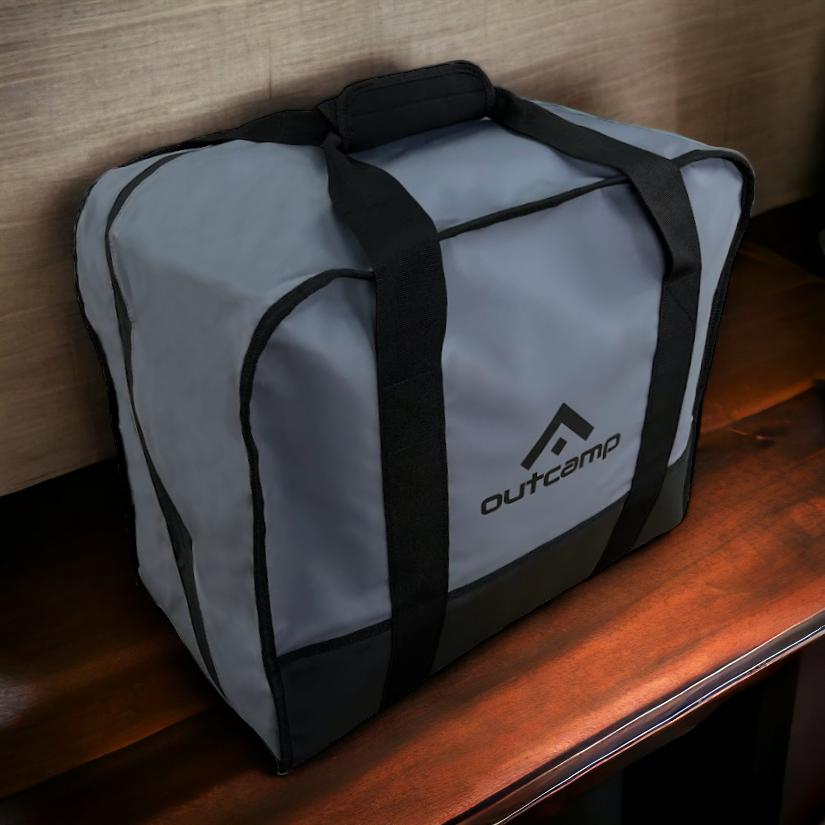
For Aussie-tested mounts, power adapters and accessories that make the Mini bulletproof for outback touring, browse our full Starlink Mini Accessories collection.




Leave a comment (all fields required)