Mungo National Park: The Complete Camping, 4WD and Outback Guide for New South Wales
There are few places in Australia where you can stand on ancient ground and feel the weight of deep time pressing down on you. Mungo National Park, tucked away in the far west of New South Wales, is one of them. This World Heritage-listed landscape holds more than 40,000 years of continuous human history, written into its wind-carved dunes and dry lake beds. For campers, caravanners and 4WD travellers, it is one of the most rewarding outback destinations in the country.
Getting to Mungo requires commitment. It sits roughly 110 kilometres north-east of Mildura and about 150 kilometres from Balranald, along unsealed roads that demand preparation and respect for the conditions. But that remoteness is exactly what makes it special. There are no crowds here, no resort pools, no mobile phone towers. Just red dirt, ancient geology, and some of the clearest night skies you will ever see.
Getting to Mungo: Roads, Routes and What You Need to Know
Mungo National Park is accessible from several directions, but the most common approaches are from Mildura in Victoria or Balranald in NSW. Both routes follow well-maintained unsealed roads that are generally suitable for two-wheel-drive vehicles in dry conditions. That said, a high-clearance vehicle or 4WD is strongly recommended, particularly if you plan to explore the internal tracks within the park itself.
Road conditions in the outback can change rapidly. A clear track on Monday can be a slippery clay mess by Wednesday if rain rolls through. Always check the NSW National Parks road conditions page before you set off, and carry recovery gear regardless of what you are driving. If you are towing a caravan, stick to the main access roads and avoid the park loop track, which has sections that are unsuitable for trailers.
From Mildura via the Arumpo Road
The most popular route runs north from Mildura through the small settlement of Arumpo before turning east towards the park. The drive takes around two hours in good conditions and follows a reasonably well-graded road. Fuel up in Mildura before you leave — there are no fuel stops between town and the park entrance.
This route passes through flat, semi-arid scrubland that gives you a taste of the landscape to come. Keep an eye out for emus and kangaroos, particularly in the late afternoon when they tend to move closer to the road. The final approach into the park crosses open plains before the famous lunette formations begin to rise on the eastern horizon.
If you are arriving from Adelaide or South Australia, crossing via Mildura is the most logical approach. Plan for a full day of driving if you are coming from Adelaide, with an overnight stop in Mildura to break the journey and stock up on supplies.
From Balranald via the Mungo Track
Coming from Sydney or Canberra, the Balranald approach is more direct. The drive from Balranald to Mungo takes roughly two hours along an unsealed road that can be corrugated in places. Again, check conditions before you leave — this road is subject to closure after heavy rain.
Balranald itself is a small town on the Murrumbidgee River with fuel, basic supplies and a couple of caravan parks if you need a stopover. It is worth spending an hour there to top up water, check tyre pressures, and make sure your vehicle is ready for the unsealed stretch ahead.
The Balranald route offers a slightly different perspective on the landscape, passing through mallee scrub and saltbush country before opening up into the wide, flat plains surrounding the old lake bed. It is a beautiful drive in the cooler months when the light sits low and golden across the land.
Internal Park Roads and the Self-Guided Loop
Once inside the park, the main attraction is the 70-kilometre Mungo Self-Guided Drive Tour. This loop starts at the Mungo Visitor Centre and takes in all the major sites including the Walls of China boardwalk, Red Top lookout, and Rosewood picnic area. Allow at least three to four hours for the full loop, more if you want to stop and walk the shorter trails along the way.
The loop track is generally 4WD-recommended due to sandy sections and occasional washouts. In dry conditions, a confident driver in a high-clearance vehicle may manage it, but a 4WD with decent tyres gives you much more margin. Do not attempt the loop if it has rained recently — the clay surfaces become dangerously slippery and can bog even well-equipped vehicles.
There is no mobile reception in the park, so download offline maps before you arrive. A UHF CB radio is a sensible addition to your kit, particularly if you are travelling solo. If you are relying on satellite internet like Starlink to stay connected, the wide-open skies at Mungo are ideal — zero obstructions and a clear view of the southern sky.
Camping at Mungo: Sites, Facilities and What to Bring
Mungo offers two camping areas, each with a different character. Whether you prefer a bit of infrastructure or a more remote bush experience, there is an option that will suit. Camping fees are approximately $15 per adult per night, payable online through the NSW National Parks booking system.
Regardless of which campground you choose, come prepared for outback conditions. Temperatures can swing dramatically — scorching days followed by near-freezing nights are common in autumn and spring. Bring warm layers, quality sleeping gear, and enough water for your entire stay. There is no potable water available at either campground.
Main Camp
Main Camp is the primary camping area and sits close to the Mungo Visitor Centre. It has 33 spacious sites, many of which are suitable for caravans and camping trailers. Facilities include an amenities block with hot showers and flush toilets (at the visitor centre), barbecues, picnic tables, and fire rings at each site.
The sites are well-spaced and set among low scrub, giving each camp a decent sense of privacy. It is a comfortable base for exploring the park over several days. The visitor centre itself is worth a visit — it has excellent interpretive displays about the geology, ecology, and Aboriginal history of the Willandra Lakes region.
If you are travelling with a caravan, Main Camp is your best bet. The access road is suitable for trailers, and the sites are large enough to accommodate most rigs without too much creative manoeuvring. Power is not available, so bring a portable power station or generator if you need to run appliances. A 12V fridge running off a dual-battery setup is the standard approach for most touring rigs out here.
Belah Camp
For a quieter, more remote experience, Belah Camp sits roughly halfway along the Mungo Track loop. It has just 12 sites with basic facilities — fire rings and a pit toilet, but no showers, no barbecues, and no running water. This is proper bush camping.
Belah is best suited to self-sufficient campers with 4WD vehicles. The access requires driving a section of the loop track, which rules out most caravans and trailers. What you get in return is a much more intimate connection with the landscape — fewer people, darker skies, and the unmistakable silence of the outback at night.
Bring all your own water, firewood (if fires are permitted — check current conditions), and waste disposal. Pack out everything you bring in. The park follows a leave-no-trace approach and rangers do check sites regularly.
What to Pack for Outback Camping
The key to a good Mungo trip is preparation. Beyond the usual camping gear, there are a few essentials specific to outback travel. Carry at least 20 litres of water per person beyond what you expect to need. Bring a comprehensive first aid kit, a tyre repair kit, and a basic tool set. A portable solar panel is invaluable for keeping devices and fridges charged when you are off-grid for multiple days.
Flies are a fact of life in outback NSW, particularly in the warmer months. A quality fly net for your hat and a screened shelter for the camp kitchen will make your stay considerably more pleasant. Insect repellent is non-negotiable, and a good headlamp is essential for navigating camp after dark.
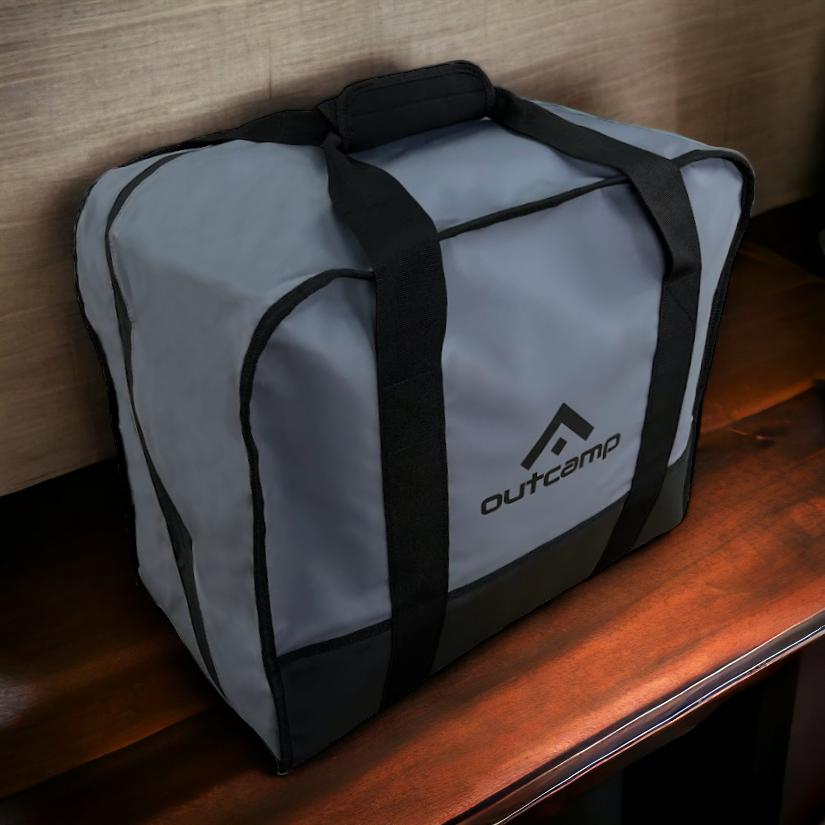
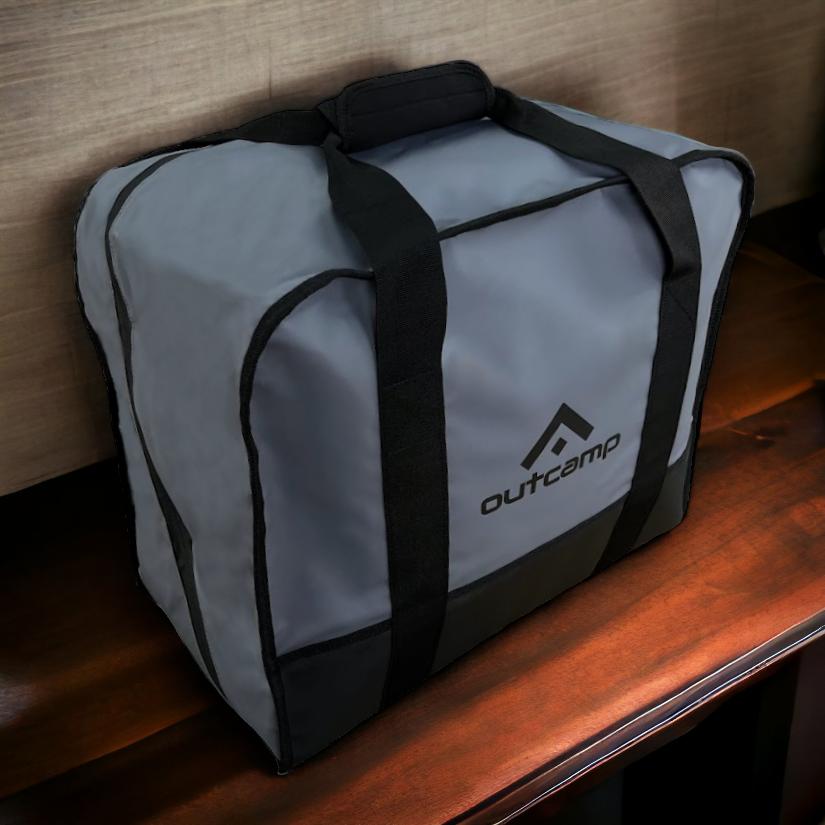
If you rely on connectivity for work or safety, a Starlink setup is a game-changer in locations like Mungo. The flat, treeless terrain provides an unobstructed view of the sky, which is exactly what satellite internet needs to perform at its best. A compact carry bag and a portable mount make it easy to set up and pack down each day.
The Walls of China and the Ancient Story of Lake Mungo
The centrepiece of any visit to Mungo is the Walls of China — a 33-kilometre crescent of wind-sculpted sand and clay formations that marks the eastern edge of the ancient lake bed. These lunette formations have been shaped over tens of thousands of years by wind and rain, creating an otherworldly landscape of ridges, gullies and pinnacles that changes colour with the shifting light.
This is not just a geological curiosity. The Walls of China hold some of the most significant archaeological sites on the planet. The remains of Mungo Man and Mungo Lady, dated to around 42,000 years ago, were discovered here — evidence of the oldest known cremation and one of the earliest ritual burials in the world. The site is a powerful reminder that Aboriginal Australians have been living on and caring for this land for an almost incomprehensible span of time.
The Walls of China Boardwalk and Guided Tours
You can visit the Walls of China via a self-guided boardwalk that runs along the base of the lunette. The walk is flat, easy, and takes about 30 minutes at a leisurely pace. Interpretive signs along the way explain the geological processes and cultural significance of the formations. Late afternoon is the best time to visit, when the low sun paints the sand in shades of gold, ochre and deep red.
For a deeper experience, book one of the Aboriginal-guided tours run by NSW National Parks. These tours take you beyond the boardwalk and into areas not accessible to unguided visitors. The guides share stories passed down through generations of Traditional Owners, connecting the landscape to a living cultural tradition that predates European settlement by tens of thousands of years.
Tours should be booked in advance through the NSW National Parks website. They run regularly during the cooler months (April to October) and less frequently in summer. Group sizes are small, which adds to the quality of the experience.
Red Top Lookout and Rosewood Picnic Area
Two other key stops on the self-guided drive loop are Red Top lookout and the Rosewood picnic area. Red Top offers a sweeping view across the dry lake bed to the Walls of China — it is a spectacular spot for photography, particularly at sunrise when mist sometimes settles across the basin.
Rosewood picnic area sits in a patch of native woodland and makes a pleasant stop for morning tea or lunch. There are picnic tables and a pit toilet, but no water. The area is home to a variety of birds, including malleefowl and several species of honeyeater, so bring your binoculars if you are a birder.
The drive between these stops crosses open plains and sandy tracks that give you a real sense of the vastness of the landscape. Take your time. Mungo is not a place to rush through — the slower you go, the more it reveals.
When to Visit and How Long to Stay
The best time to visit Mungo National Park is between April and October, when daytime temperatures are comfortable and the nights are cool but manageable. Summer temperatures regularly exceed 40 degrees Celsius, which makes camping unpleasant and can be dangerous for unprepared travellers. The cooler months also coincide with the best light for photography and the highest likelihood of clear, rain-free roads.
Allow a minimum of two nights to do the park justice. One day for the self-guided drive loop and Walls of China, and a second for the guided tour and any walking tracks you want to explore. Three nights is ideal if you want to really settle into the pace of the place and spend time stargazing, bird watching, or simply sitting in camp with a brew and watching the light change across the dunes.
Combining Mungo with a Broader Outback Loop
Mungo works brilliantly as part of a larger outback NSW circuit. From Mungo, you can head north to Kinchega National Park near Menindee, then on to Broken Hill for a taste of mining history and outback art. From Broken Hill, the Barrier Highway takes you east through Cobar and back towards the coast, or you can loop south through Wentworth and back to Mildura.
This broader loop covers some of the most iconic outback landscapes in New South Wales and can be done comfortably over seven to ten days. Each stop along the way offers camping options ranging from basic bush sites to well-equipped caravan parks, so you can mix it up depending on your mood and setup.
For caravanners, the sealed roads between Broken Hill, Menindee and Wentworth are all in good condition and suitable for large rigs. The unsealed sections into Mungo and Kinchega are the only parts that require extra caution, but they are well within the capability of a standard touring setup in dry weather.
Night Skies and Stargazing
One of the most underrated aspects of a trip to Mungo is the night sky. With zero light pollution and bone-dry air, the conditions for stargazing are about as good as they get in Australia. The Milky Way arcs overhead with a clarity that is simply not possible near the coast or any major town.
Bring a reclining camp chair, a warm blanket, and a star chart or astronomy app. If you have a camera with manual settings, Mungo is one of the best places in NSW for astrophotography — the Walls of China make an extraordinary foreground subject under the stars.
The dark skies also make Mungo a good location for testing satellite connectivity gear. If you are running a Starlink dish, the lack of obstructions and competing signals means you will likely see peak performance figures that are hard to match in more populated areas.
Respecting the Land: Cultural Protocols and Leave No Trace
Mungo National Park is jointly managed by NSW National Parks and the three Traditional Owner groups of the Willandra Lakes Region — the Paakantji, Ngyiampaa, and Mutthi Mutthi peoples. Visitors are asked to respect the cultural significance of the landscape by staying on marked tracks, not removing any natural or cultural material, and following all signage within the park.
The Walls of China lunette is a particularly sensitive area. Walking on the formations is not permitted outside of guided tours, as the fragile surface is easily damaged by foot traffic. Stick to the boardwalk and designated viewing areas to help preserve this extraordinary site for future generations.
Beyond cultural respect, standard outback camping etiquette applies. Take all rubbish with you, use designated fire rings where fires are permitted, and keep noise to a minimum. The silence of Mungo is one of its greatest assets — do your part to keep it that way.
Making the Most of Your Mungo Trip
Mungo National Park is one of those rare places that stays with you long after you leave. The combination of deep cultural history, raw outback beauty, and genuine remoteness creates an experience that few other destinations in New South Wales can match. It rewards preparation, patience, and a willingness to slow down and let the landscape speak for itself.
Whether you are a seasoned outback traveller or making your first trip beyond the blacktop, Mungo has something to offer. Pack smart, carry enough water, respect the land and its Traditional Owners, and give yourself enough time to really absorb what this ancient place has to share.
For those looking to stay connected in remote locations like Mungo, a quality satellite internet setup makes all the difference. Outcamp stocks a range of Starlink accessories, carry bags, mounts and power solutions designed specifically for travellers who need reliable connectivity off the grid. Whether you are working remotely from camp or simply want to check the weather forecast before driving an unsealed road, the right gear keeps you connected without weighing you down.