The Eyre Peninsula: South Australia's Ultimate 4WD and Coastal Camping Road Trip
If you've done the Flinders Ranges or ticked off Kangaroo Island, it's time to point the rig west. The Eyre Peninsula is one of South Australia's most rewarding destinations for caravanners, 4x4 drivers, and anyone who travels to camp rather than camping to travel. Think 2,000 kilometres of coastline, national parks that genuinely require a proper four-wheel drive to explore, and seafood so fresh it still tastes like the ocean. This is the kind of destination that earns its reputation.
The Peninsula stretches from Port Augusta in the north down to Port Lincoln at its tip, and curves west to Ceduna — the last significant stop before the Nullarbor. Most travellers who've done it once come back, and the ones who haven't done it yet tend to put it near the top of the list once they hear about Coffin Bay, Perlubie Beach, and Memory Cove. This guide covers the key stops, what you'll need for the rough stuff, and why staying connected matters more out here than you might expect.
Port Lincoln: The Seafood Capital and Your Gateway to the Eyre Peninsula
Port Lincoln is the obvious starting point for most travellers approaching from Adelaide. It sits at the southern tip of the peninsula, faces Boston Bay, and has all the resupply options you'll need before heading into more remote territory. But it's worth spending more than a night here — this town punches well above its weight.
The city has a well-deserved reputation as Australia's seafood capital. Yellowfin tuna, King George whiting, southern bluefin tuna, and the region's famous oysters are all caught or farmed locally, and you can eat them straight off the boat at local fish markets. For campers and caravanners, Port Lincoln Caravan Park offers a comfortable powered base with boat ramp access close by.
What Makes Port Lincoln Worth a Stop
Beyond the seafood, Port Lincoln is also the launch point for cage diving with great white sharks — one of the genuine wildlife experiences in Australia. It's not for everyone, but if you've ever considered it, this is one of the best-run and most respected operations in the world. For 4x4 drivers, Lincoln National Park starts just outside town with multiple tracks running through coastal mallee scrub to remote beaches.
Memory Cove Wilderness Protection Area — accessed only by 4WD with a key collected from the Port Lincoln Visitors Centre — is a highlight that most visitors to the region rate as one of their favourite spots in all of South Australia. Check current Parks SA pricing before you go, as entry arrangements change seasonally.
Stock up on fresh provisions at the Port Lincoln markets and IGA before heading further north. Fuel is available and reasonably priced compared to more remote stops. If you're towing a heavy van, note that some tracks in Lincoln National Park have weight restrictions.
Staying Connected Around Port Lincoln
Mobile coverage from Telstra is reasonable in and around Port Lincoln itself, but once you head into Lincoln National Park, it drops off fast. This is where a Starlink setup makes the difference — whether you're working remotely, keeping the kids occupied on a longer stay, or just need reliable comms in case something goes wrong on a remote 4WD track.
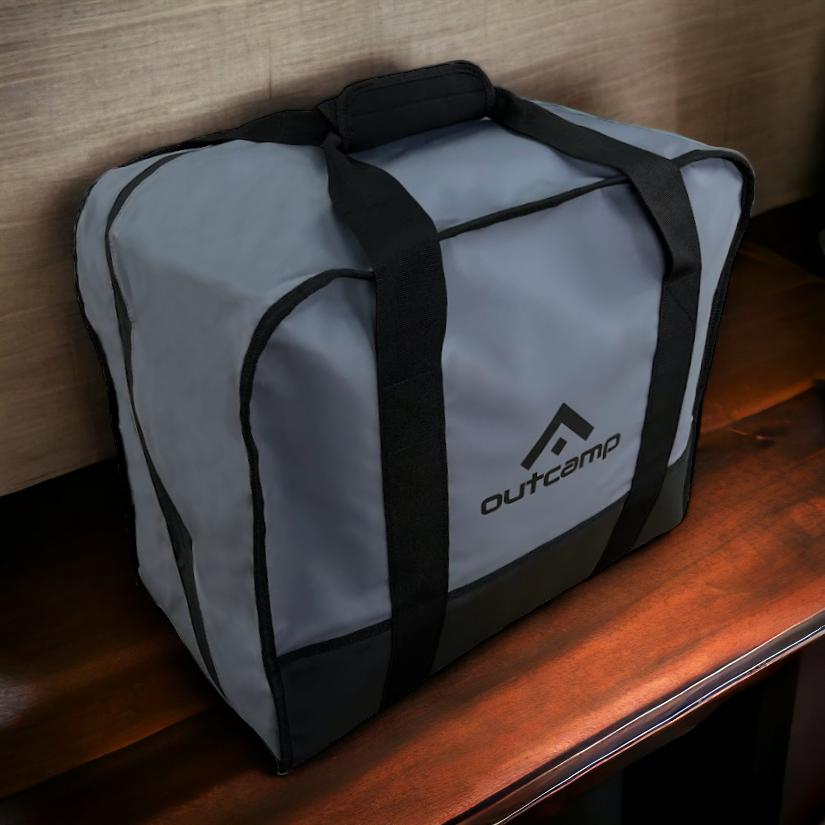
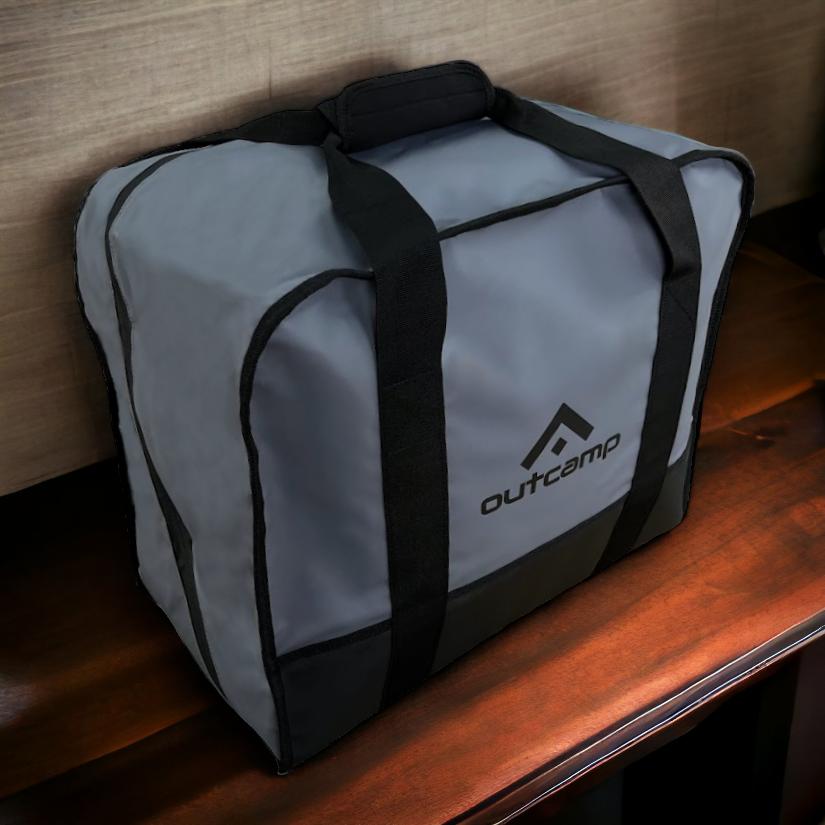
A quality carry bag keeps your dish protected on corrugated dirt roads, and a purpose-built mount means you're online within minutes of pulling up at camp. The Outcamp range of Starlink accessories is designed with exactly these conditions in mind — rugged, secure, and straightforward to use.
Planning Your Arrival
The drive from Adelaide to Port Lincoln is approximately 650 kilometres via the Lincoln Highway. Allow a full day and plan an overnight stop at somewhere like Port Augusta or Whyalla if you're towing. Alternatively, the ferry from Cape Jervis to Kangaroo Island and continuing via the Yorke Peninsula is a scenic option, though it adds distance and complexity to the first leg.
Coffin Bay National Park: White Sand, Turquoise Water, and Proper 4WD Camping
Coffin Bay is, without question, one of the most spectacular national parks on the Eyre Peninsula. Located about 50 kilometres west of Port Lincoln, the park covers around 31,000 hectares of coastline, dunes, and mallee scrub. The town of Coffin Bay — known for its oysters — sits just outside the park boundary and makes for a useful overnight stop or base camp.
Most of the park's campgrounds are accessible only by 4WD, and for good reason — the tracks here are technically challenging in places, running across soft sand, loose limestone, and narrow tracks through dense scrub. The Coffin Track runs roughly 30 kilometres through the park's northern reaches and is one of the more demanding drives on the entire peninsula.
The 4WD Tracks and Campgrounds Inside the Park
Campgrounds inside Coffin Bay National Park include Black Springs — eight sites positioned directly on the beach — Morgans Landing, and The Pool. All require you to bring in all water, food, and fuel. There are no facilities beyond pit toilets. This is genuinely remote camping, and it's exactly what makes it worth doing. Permits must be purchased in advance through the SA National Parks Pass or the NationWide Parks app.
Yangie Bay is the exception to the 4WD rule — it's accessible by conventional vehicles and has picnic shelters, a kayak launch, and basic toilets. It's a solid spot for those who want the national park experience without the full off-road commitment, and it serves as a good staging point if you want to walk or kayak deeper into the park.
For the serious 4WD sections, make sure your vehicle is in good condition, you're carrying spare tyres, a recovery kit, and enough water for the duration. Signal is non-existent inside the park, so a PLB or satellite communicator is essential equipment rather than optional extra.
Coffin Bay Town and the Oyster Experience
The town of Coffin Bay is a relaxed fishing village with a caravan park, a pub, and some of the freshest oysters you'll eat anywhere in Australia. The oyster farms in Coffin Bay lagoon have been producing for decades, and you can buy direct from the farm gate during operating hours. It's the kind of place that doesn't take much convincing to stay an extra night.
The caravan park in town is a good base if you prefer powered sites while day-tripping into the national park. From here you're well positioned to tackle different sections of the park on successive days without having to move camp — a sensible approach if you're in a larger van or have younger kids with you.
Connectivity in Coffin Bay National Park
Inside the national park, mobile coverage is essentially non-existent. The town of Coffin Bay itself has limited service. If connectivity matters to your trip — for work, navigation, or emergency comms — a Starlink setup is the only reliable solution in this part of the world. Keep your equipment well-packed in a purpose-built carry bag; the tracks in this park will test everything you've brought.
Streaky Bay, Perlubie Beach, and the Wild West Coast
From Coffin Bay, most travellers head north through Elliston to Streaky Bay — a stretch of coast that's often described as the Eyre Peninsula at its most raw. The town of Streaky Bay is small, friendly, and right on the water. The foreshore caravan park is one of the better stops on the peninsula, with powered sites and direct views over the bay.
South of Streaky Bay, Elliston is worth a stop for the dramatic coastal cliffs and the sculpture trail that runs along the clifftops. Walkers Rocks campground, just north of Elliston, offers easy beach access for most vehicles and is a popular overnight stop for travellers doing the full west coast run.
Perlubie Beach: The Peninsula's Most Talked-About Free Camp
Perlubie Beach, located about 30 kilometres north of Streaky Bay, is one of the most popular free camping spots on the Eyre Peninsula. It's directly on the beach, has no power or running water, and requires bookings via the NationWide Parks app — recent changes have introduced a marked-bay system, so you'll know exactly where you're camping before you arrive. Book well ahead during school holidays.
The beach itself is wide, clean, and faces west — which means sunsets that make the effort of getting there feel completely justified. It attracts a good mix of travellers: grey nomads in large vans, families in camper trailers, and 4x4 setups doing the full circuit. Bring everything you need for a multi-night stay, because the nearest fuel and supplies are back in Streaky Bay.
There's excellent fishing along this stretch of coast for those who travel with rods. Mulloway, salmon, and whiting are all taken regularly from the beach. The calmest conditions for fishing tend to be in the mornings before any sea breeze develops.
The Run North to Ceduna
The road from Streaky Bay to Ceduna takes about an hour without stops, but there are enough points of interest — small towns, coastal lookouts, and fishing spots — to stretch it into a half-day drive. Smoky Bay sits between the two, with a small caravan park and an oyster farm offering tastings direct from the farm.
Ceduna is the last major town before the Nullarbor and has all the resupply options you need: fuel, groceries, a hospital, and decent caravan parks. If you're heading west, this is where you stock up properly. If you're turning around, it's where you regroup before the return leg down the Peninsula's eastern side through Cowell, Arno Bay, and Whyalla.
Keeping in Touch on the West Coast
The Telstra network covers the main highway and larger towns reasonably well, but the west coast between Elliston and Ceduna has significant coverage gaps. If you're camping at Perlubie or any of the remote spots along this stretch, plan for a period without mobile coverage and make sure your emergency communication plan is sorted before you leave Streaky Bay.
Planning Your Eyre Peninsula Trip: Practical Notes for Caravanners and 4x4 Drivers
The Eyre Peninsula rewards preparation. The distances between towns are significant, road conditions vary widely between sealed highway and challenging 4WD tracks, and mobile coverage is patchy once you leave the main corridor. Getting the logistics right before you leave makes for a much more relaxed trip once you're out there.
The best time to visit is autumn through spring — roughly March to November — for the most comfortable camping temperatures. Summer can bring extreme heat, particularly on the west coast, and some national park campgrounds limit access during total fire ban days. Winter camping is perfectly manageable, though nights get cold and occasional frontal systems roll through from the Southern Ocean.
Permits, Bookings, and Park Passes
Most national park campgrounds on the Eyre Peninsula require a permit purchased in advance through the SA National Parks Pass or the NationWide Parks app. Don't rely on booking at the gate — popular spots like Perlubie Beach and Memory Cove fill up weeks in advance during school holidays. Check the Parks SA website well before your intended travel dates and book as early as the system allows.
An SA National Parks Holiday Pass covers entry and camping at most parks and works out significantly cheaper than paying per-site if you're spending more than a few nights in national parks. It's worth calculating based on your planned itinerary before you leave.
Connectivity and Staying in Contact
A Starlink Mini or standard Starlink setup with a good carry bag and a reliable mount gives you internet access almost anywhere on the peninsula — critical if you're travelling for extended periods, working remotely, or want peace of mind in an emergency. The Outcamp range of Starlink accessories includes carry bags, mounts, and cable solutions designed specifically for 4WD and caravan use, built to survive the kind of corrugated roads and rough tracks the Eyre Peninsula regularly delivers. Browse the full range at outcamp.com.au before you head west.
Beyond connectivity, carry a PLB or satellite messenger regardless of your Starlink setup. These devices work on dedicated emergency frequencies that operate independently of any internet or mobile network, and they're the fastest way to get a rescue response if something goes seriously wrong in a remote area.
Vehicle and Equipment Checklist
For the 4WD sections — particularly Coffin Bay National Park and Memory Cove — ensure your vehicle is properly prepared. Two spare tyres is better than one on remote sand. Carry a comprehensive recovery kit including a snatch strap, shackles, a MaxTrax or similar traction board, and a high-lift jack or exhaust jack for deep sand work. Tyre deflation and reinflation equipment is essential — you'll be airing down for beach and sand driving regularly.
The Eyre Peninsula Deserves More Than a Drive-Through
Too many travellers treat the Eyre Peninsula as a transit route to the Nullarbor or a quick extension of an Adelaide road trip. That's a mistake. The fishing, the 4WD country, the beaches, the seafood, and the sheer scale of this coastline deserve at least two weeks to do properly — more if you plan to spend real time in the national parks or fish each location seriously.
Plan your route so you have enough nights in each area, book your campgrounds early, and make sure your setup — vehicle, caravan or tent, power, and connectivity — is genuinely fit for purpose before you leave. The Eyre Peninsula will reward the effort, and it's the kind of trip that tends to recalibrate your sense of what Australian travel can be.
Outcamp's range of Starlink accessories — carry bags, mounts, and cable management solutions — is designed for exactly this kind of trip: remote, varied terrain, extended time away from facilities. Browse the full range at outcamp.com.au and get your setup sorted before you head west.