Bay of Fires Tasmania: The Complete Camping and Coastal Adventure Guide for 2026
Stretching more than 50 kilometres along Tasmania's northeast coast, the Bay of Fires is widely regarded as one of the most striking coastal landscapes in the country. Its trademark orange lichen-covered granite boulders, white sand beaches and crystal-clear turquoise water have earned it recognition as a world-class travel destination, and for good reason. Whether you are travelling by caravan, setting up a rooftop tent on your 4x4, or pitching a swag on the sand, this stretch of coastline delivers an experience that stays with you long after you leave.
For Australian campers, caravanners and four-wheel drive enthusiasts, the Bay of Fires represents something increasingly rare: free, beachfront camping in a pristine coastal environment with minimal crowds outside of peak season. Unlike many popular holiday destinations on the mainland, the Bay of Fires Conservation Area offers eight distinct campgrounds spread along the coast, all of them free and operating on a first-come-first-served basis. This guide covers everything you need to plan your trip, from the best campgrounds and access routes to seasonal tips and nearby attractions worth adding to your itinerary.
Getting to the Bay of Fires: Access Routes and What to Expect
The Bay of Fires sits between the small coastal town of Binalong Bay in the south and Eddystone Point in the north. Most travellers use St Helens as their base, which is the largest town on Tasmania's east coast and the last reliable stop for fuel, groceries and supplies before heading into the conservation area. From Launceston, the drive takes roughly three hours via the Tasman Highway. From Hobart, expect around four and a half hours behind the wheel.
There are two main access roads from St Helens to Binalong Bay and the southern end of the Bay of Fires. Binalong Bay Road (C850) is a sealed route suitable for all vehicles, including caravans and large rigs. Reids Road (C849) is an unsealed alternative that cuts through bushland and is better suited to four-wheel drives and smaller setups. From Binalong Bay, a gravel road continues north along the coast, connecting the various campgrounds all the way up to The Gardens. Beyond The Gardens, access to the northern sections including Eddystone Point requires a longer drive via the inland route through Ansons Bay.
Road Conditions and Vehicle Considerations
The sealed road to Binalong Bay is straightforward and well maintained year-round. The gravel road running north through the conservation area is generally in good condition, though corrugations and soft sandy patches can develop after heavy use during peak season. A high-clearance vehicle is recommended for comfort, but most standard vehicles with reasonable ground clearance will manage in dry conditions.
If you are towing a caravan, stick to the larger campgrounds like Swimcart Beach and Cosy Corner South, which have better turning areas and more level ground for setting up. Some of the smaller sites such as Seatons Cove and Sloop Reef are better suited to four-wheel drives with rooftop tents, camper trailers or swags.
Mobile phone coverage is patchy along the coast. You will generally pick up a signal at Binalong Bay and parts of Swimcart Beach, but once you head further north towards The Gardens and Eddystone Point, coverage drops away almost entirely. If staying connected matters for work or safety, a Starlink setup is worth considering, particularly for extended stays in the more remote northern campgrounds.
When to Visit
The prime camping season runs from November through to April, when daytime temperatures sit comfortably between 18 and 25 degrees. Summer (December to February) brings the warmest weather and the longest days, but it is also the busiest period. Campgrounds like Swimcart Beach can fill by mid-morning during January school holidays, so arriving early or mid-week gives you the best chance of securing a spot.
Autumn (March to May) is arguably the best time to visit. The crowds thin out significantly, the water is still swimmable after months of summer warmth, and the light takes on a golden quality that makes the orange lichen on the boulders absolutely glow. Winter visits are possible but bring cooler temperatures (8 to 14 degrees) and the occasional storm front rolling in from Bass Strait.
Spring (September to November) offers wildflowers along the coastal heathland and mild conditions, though the water temperature can be bracing until late October. Regardless of when you visit, pack layers. Tasmania's weather can shift rapidly, and a sunny morning can turn into a chilly, overcast afternoon without much warning.
Essential Supplies to Bring
There are no shops, water taps or rubbish collection facilities at any of the Bay of Fires campgrounds. You need to be entirely self-sufficient. Stock up on drinking water, food and fuel in St Helens before heading out. Bring your own firewood if campfires are permitted (check local signage, as total fire bans are common during summer), and always carry a fuel stove as a backup for cooking.
A portable toilet is strongly recommended, particularly at the smaller sites that have limited or no facilities. Rubbish must be carried out with you, so bring plenty of bin bags. Insect repellent is essential during the warmer months, as march flies and mosquitoes can be aggressive near the lagoons and sheltered areas.
If you are planning to fish, a Tasmanian recreational fishing licence is required and can be purchased online. The snorkelling here is excellent, so pack a mask, snorkel and wetsuit if you have them.
The Best Campgrounds Along the Bay of Fires
Eight free campgrounds are spread along the Bay of Fires Conservation Area, each with its own character and appeal. All operate on a first-come-first-served basis with a maximum stay of four weeks. No bookings are required, and no fees apply. The only cost is a valid Tasmanian National Parks Pass, which covers your vehicle entry to the conservation area.
A daily pass costs $41.20 per vehicle (up to eight people), but if you are spending more than a couple of days in Tasmania, the eight-week holiday pass at $82.40 per vehicle offers much better value. Passes can be purchased online, at visitor centres, or at self-registration stations at park entrances.
Swimcart Beach
Swimcart Beach is the most popular campground in the Bay of Fires, and it is easy to see why. Situated on a broad, sheltered beach just north of Binalong Bay, nearly every site offers a beachfront view with direct access to the water. The campground is suitable for tents, caravans and campervans, and the sites are reasonably spaced apart, giving you a sense of privacy even when the campground is busy.
Facilities include hybrid toilets and pit toilets, which is more than most other sites along the coast offer. The beach itself is a long, sweeping arc of white sand that is perfect for swimming, kayaking and beach fishing. The protected bay means the water is generally calmer here than at some of the more exposed sites further north.
The trade-off for all this convenience is popularity. During peak season, Swimcart fills quickly and can feel crowded by afternoon. If you want a spot here in January, plan to arrive before 9am or, better yet, visit mid-week. In autumn and spring, you will often have the beach nearly to yourself.
Cosy Corner South and Cosy Corner North
Cosy Corner is the largest campground in the conservation area and the best option for caravans and larger rigs. The site is split into two sections: Cosy Corner South offers well-protected campsites nestled amongst coastal tea tree and banksia, while Cosy Corner North has a more open, grassy layout with better ocean views.
The southern section is particularly popular with families and caravanners, as the vegetation provides natural wind protection and shade. The northern section appeals more to those who want unobstructed views and do not mind a bit more exposure to the elements. Both sections have pit toilet facilities.
A short walk from either section takes you to a beautiful beach framed by the iconic orange boulders. The rock pools here are some of the best along the coast, teeming with marine life at low tide. It is an excellent spot for kids to explore safely while adults set up camp or simply sit and take in the scenery.
Sloop Reef, Seatons Cove and the Northern Sites
Further north, the campgrounds become smaller and more remote. Sloop Reef is a compact site perched above a dramatic stretch of coastline, with no toilet facilities and limited flat ground. It suits self-contained four-wheel drives, rooftop tents and experienced campers who want solitude over convenience.
Seatons Cove and Dora Point offer a middle ground between the busier southern campgrounds and the raw isolation of Sloop Reef. Both have pit toilets and enough space for a handful of vehicles, with beautiful beach access and rock formations. Grants Lagoon, near the southern end, sits beside a calm lagoon rather than the open ocean, making it a quieter alternative to Swimcart with good birdwatching opportunities.
Jeanneret Beach rounds out the options with a small, shady campground that is well suited to tents and compact setups. Each of these northern sites has its own appeal, and part of the joy of the Bay of Fires is exploring several of them over a multi-day stay to find the one that suits you best.
Things to Do at the Bay of Fires
While the beaches alone could keep you occupied for days, the Bay of Fires and its surrounds offer plenty of activities for campers and travellers looking to explore beyond their campsite. From world-class walking tracks to some of the best coastal fishing in Tasmania, there is no shortage of ways to fill your days.
The area is particularly rewarding for those who enjoy a slower pace of travel. Rather than rushing through on a day trip, allow at least three to four days to properly explore the coastline, swim in different bays, watch the sunset paint the boulders in shifting tones of orange and gold, and settle into the rhythm of a place that rewards patience.
Walking and Hiking
The Bay of Fires Lodge Walk is the headline attraction for serious hikers. This four-day, three-night guided walk covers approximately 30 kilometres of coastline and hinterland, taking in pristine beaches, Aboriginal middens, eucalypt forests and coastal heathland. It is run by a private operator and includes accommodation at an architecturally designed eco-lodge overlooking the coast. Bookings are essential and fill months in advance.
For self-guided options, the walk from The Gardens to Eddystone Point (approximately 10 kilometres one way) is a standout. It follows the coast through banksia woodland and along deserted beaches, finishing at the historic Eddystone Point Lighthouse. The Binalong Bay to Cosy Corner walk (roughly 8 kilometres return) is another excellent option that showcases the best of the orange boulder formations and turquoise waters.
Shorter strolls from any of the campgrounds to nearby headlands and rock formations are rewarding in their own right. The lichen-covered boulders are endlessly photogenic, and you will often spot wallabies, echidnas and sea eagles along the way.
Fishing and Water Activities
The Bay of Fires is a productive fishing destination, with Australian salmon, flathead and squid available from the rocks and beaches for most of the year. The reef systems and rock platforms around Sloop Reef and the Gardens offer good opportunities for experienced rock fishermen, though a careful eye on swell conditions is essential. Abalone diving is also popular in the area during open season.
Snorkelling and diving are exceptional in the sheltered bays, particularly around the boulder formations where visibility can exceed 10 metres on calm days. The water temperature ranges from around 12 degrees in winter to 19 degrees in late summer, so a wetsuit is recommended for anything more than a quick dip.
Kayaking along the coast is one of the best ways to experience the Bay of Fires from a different perspective. Launching from Binalong Bay or Swimcart Beach, you can paddle north along the boulder-lined shore, ducking into hidden coves and rock pools that are inaccessible by land. Several operators in St Helens offer kayak hire and guided tours if you do not have your own gear.
Day Trips and Nearby Attractions
St Helens serves as a comfortable base for day trips when you want a break from camp life. The town has cafes, bakeries, a fish and chip shop, and several restaurants ranging from pub fare to seafood. The St Helens History Room provides insight into the region's tin mining and fishing heritage, while the nearby St Columba Falls (about 40 minutes' drive) is one of Tasmania's highest waterfalls and well worth the detour.
Blue Tier Mountain Bike Trails, located roughly 45 minutes from St Helens, offer some of the best mountain biking in Tasmania through old-growth rainforest. The trails range from beginner-friendly to advanced, and the setting is spectacular. For four-wheel drive enthusiasts, the unsealed roads through the Blue Tier area provide a taste of Tasmania's rugged interior without requiring a full day's commitment.
Eddystone Point and its lighthouse make for an excellent half-day excursion from the northern campgrounds. The lighthouse, built from local granite in 1889, sits on a dramatic headland overlooking the Tasman Sea. The surrounding area is rich in Aboriginal heritage, with shell middens and other cultural sites visible along the walking tracks. Treat these with respect and leave everything as you find it.
Staying Connected at the Bay of Fires
One of the realities of camping at the Bay of Fires is limited mobile coverage. Telstra offers the most reliable signal in the area, with some coverage at Binalong Bay and Swimcart Beach, but it drops off quickly as you head north. Optus and Vodafone coverage is essentially non-existent once you leave St Helens.
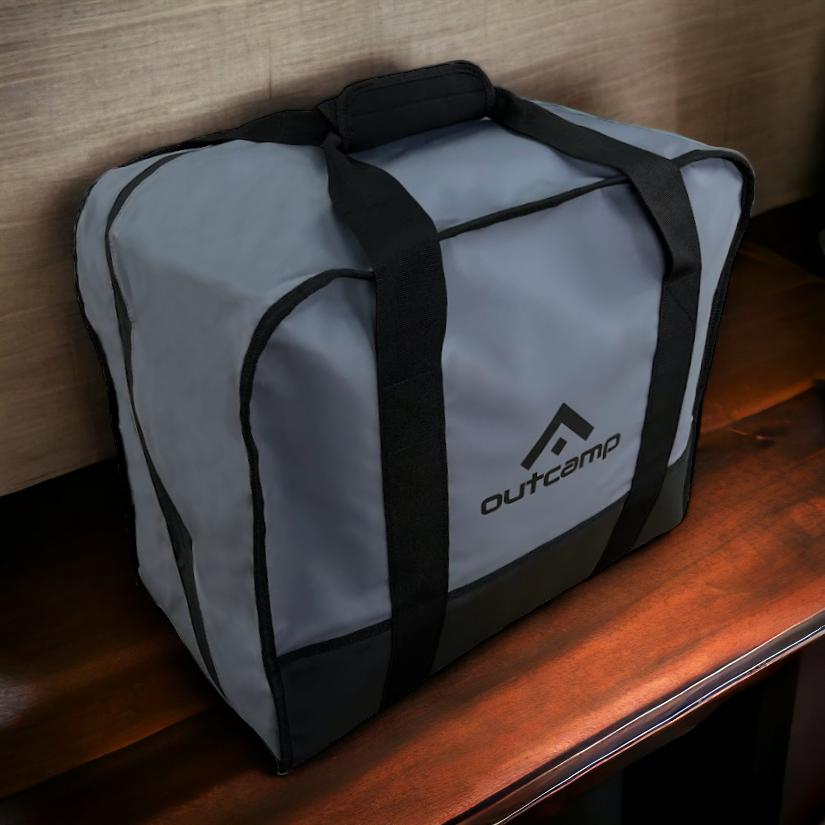
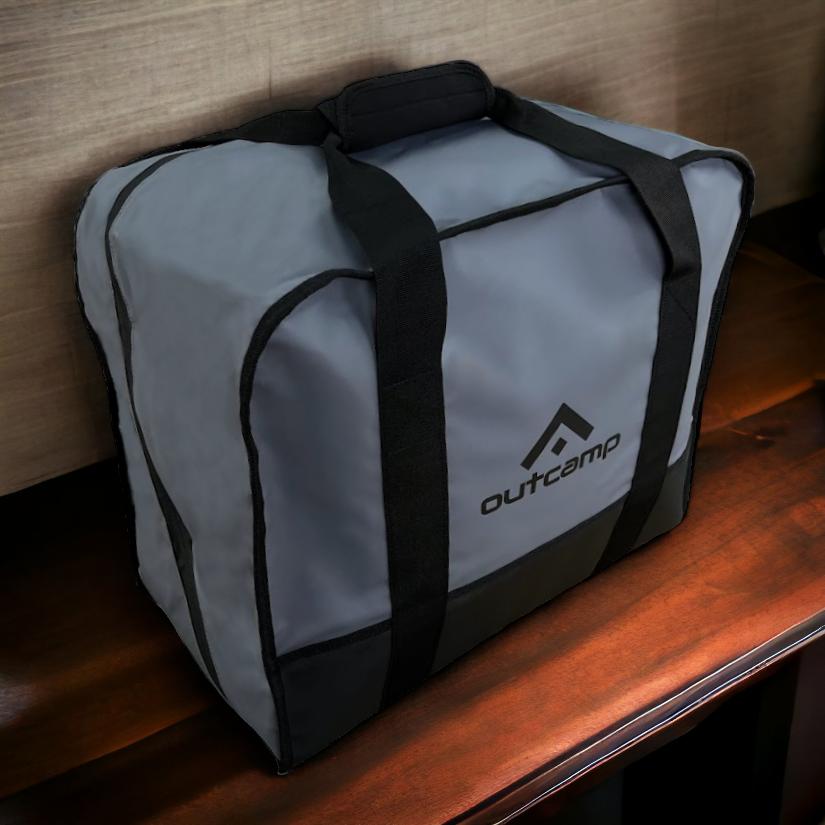
For travellers who need to stay connected for work, safety or simply to share their experience, a portable satellite internet setup like Starlink is a genuine game changer in locations like this. Outcamp's range of Starlink carry bags and portable mounting solutions make it straightforward to pack your satellite dish alongside your camping gear and set up reliable high-speed internet at even the most remote campgrounds along the coast.
Why Satellite Internet Makes Sense Here
The Bay of Fires is exactly the kind of destination where satellite internet earns its keep. You are far enough from mobile towers that traditional hotspots struggle, but the open coastal setting provides an unobstructed view of the sky that is ideal for satellite connectivity. Whether you need to check in with the office, stream weather forecasts, or simply stay in touch with family, a Starlink setup running from your vehicle's 12-volt system keeps you connected without compromising the off-grid experience.
Outcamp's purpose-built carry bags protect your Starlink hardware during the drive down corrugated gravel roads, and their range of mounting options means you can set up quickly at each new campsite without fuss. It is the kind of practical gear that pays for itself the first time you need reliable internet in a place where your phone shows no signal.
For extended stays at the Bay of Fires, having internet access also opens up practical benefits like checking weather and fire danger ratings, downloading updated park information, and staying across road condition reports if you are planning to explore the more remote northern tracks.