


4x4 Recovery Gear: The Essential Kit for Australian Overlanders
Getting bogged, stuck on a creek crossing, or high-centred on a rock shelf is not a matter of if — it is a matter of when. Every experienced off-road driver in Australia knows this. The question is whether you have the right 4x4 recovery gear to deal with it cleanly and safely, or whether you are relying on someone else to pull you out.
A well-thought-out recovery kit is not just about buying the most expensive gear on the shelf. It is about understanding which tools are right for which situations, how to use them correctly, and how to assemble a kit that covers you across the range of terrain you are likely to encounter on Australian tracks — from the red sand dunes of the Simpson Desert to the muddy river crossings of Cape York.
Why 4x4 Recovery Gear Is Non-Negotiable in the Australian Outback
Remote Australian travel presents challenges that drivers in more accessible regions simply do not face. When you are three hours from the nearest sealed road, a stuck vehicle is not just an inconvenience — it can become a genuine safety emergency. Extreme heat, limited water, and the reality that another vehicle might not pass for hours or days mean that self-recovery capability is essential.
The good news is that with the right kit and the knowledge to use it, the vast majority of recoveries are straightforward solo jobs. A quality recovery kit, properly packed and maintained, is your insurance policy against the unexpected. Here is what belongs in it.
Snatch Straps: The Foundation of Any Off-Road Recovery Kit
A snatch strap — also called a kinetic energy recovery rope in some markets — is the single most used piece of recovery gear in the Australian 4x4 community. Unlike a rigid tow rope or a chain, a snatch strap stretches under load, storing kinetic energy and releasing it to "snatch" a bogged vehicle free. Used correctly, a snatch recovery is fast, low-tech, and requires minimal equipment.
For Australian conditions, you want a strap rated to at least 8,000 kg breaking strength for a mid-size 4x4, and up to 11,000 kg or higher for heavier rigs or when carrying a full touring load. Quality matters enormously — cheap straps can be inconsistent in their stretch characteristics, which makes controlled recoveries harder and can create sudden shock loads that damage recovery points or vehicles.
Choosing the Right Snatch Strap Rating
The general rule of thumb is to choose a strap rated to at least twice the GVM of your vehicle. A fully loaded Landcruiser 200 Series with a roof tent, drawer system, and dual jerry cans might sit at 3,400 kg — so a strap rated to 8,000 kg or above is appropriate. Brands like ARB, Bushranger, and Carbon Offroad have long track records in the Australian market.
Strap length matters too. A 9-metre strap gives you enough distance between vehicles to build up speed and tension during a snatch recovery, while keeping the operation manageable in tighter bush. Some drivers carry a 9-metre and an 11-metre strap so they can link them for more difficult recoveries where vehicles need more separation.
Recovery Points: The Critical Link
The best snatch strap in the world is useless if you do not have proper recovery points to attach it to. Tow balls are not recovery points — this is one of the most dangerous misconceptions in off-road driving. A tow ball can shear off under the dynamic loads of a snatch recovery, turning it into a high-speed projectile.
Rated recovery points — either factory-fitted or aftermarket — are bolted directly to the vehicle's chassis and designed to handle the forces involved. If your 4x4 did not come with rated recovery points, fitting them is one of the first modifications you should make before heading bush. ARB, Hayman Reese, and Opposite Lock all offer well-regarded options for most popular Australian 4x4 platforms.
Using Snatch Straps Safely
The technique matters as much as the equipment. Always check both vehicles' recovery points before connecting, make sure bystanders are well clear, and use a dampener — a recovery damper bag or a heavy coat draped over the strap midpoint — to absorb energy if a connection fails under load. Communicate clearly with the recovery driver via UHF radio before the pull.
Winches: Power When You Need It Most
A winch is the gold standard for self-recovery and is particularly valuable in situations where there is no second vehicle available. Whether you are recovering from a bog alone or pulling a mate's rig out of a creek crossing, a quality electric winch changes the game significantly.
The most common winch rating for Australian mid-size 4x4s is in the 9,500 lb to 12,000 lb range. The general recommendation is to choose a winch rated to at least 1.5 times your vehicle's gross vehicle mass. For a heavily loaded touring rig, that might push you toward a 12,000 lb or 14,000 lb unit. Popular brands in Australia include Warn, Runva, and Ironman 4x4, each offering different price-to-performance ratios.
Steel Cable vs Synthetic Rope
Traditional winches came with steel cable as standard, but synthetic rope has become increasingly popular in the Australian 4x4 community for good reasons. Synthetic rope is significantly lighter, does not kink or develop sharp burrs like steel, and is much safer when it fails under load — a broken synthetic rope drops to the ground rather than whipping back with the same velocity as a steel cable.
The trade-off is that synthetic rope is more susceptible to UV degradation and abrasion, so it requires more careful maintenance and should not be dragged over sharp rock edges without protection. For most Australian touring use, synthetic rope is the better choice, provided you inspect it regularly and replace it before it shows significant wear.
Winch Accessories You Should Not Skip
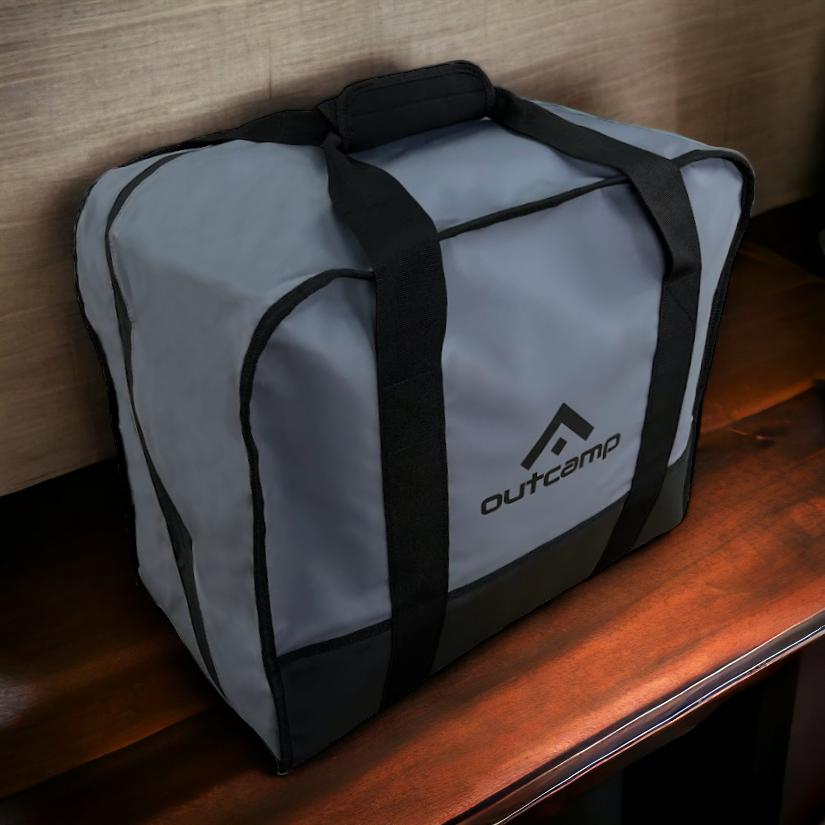
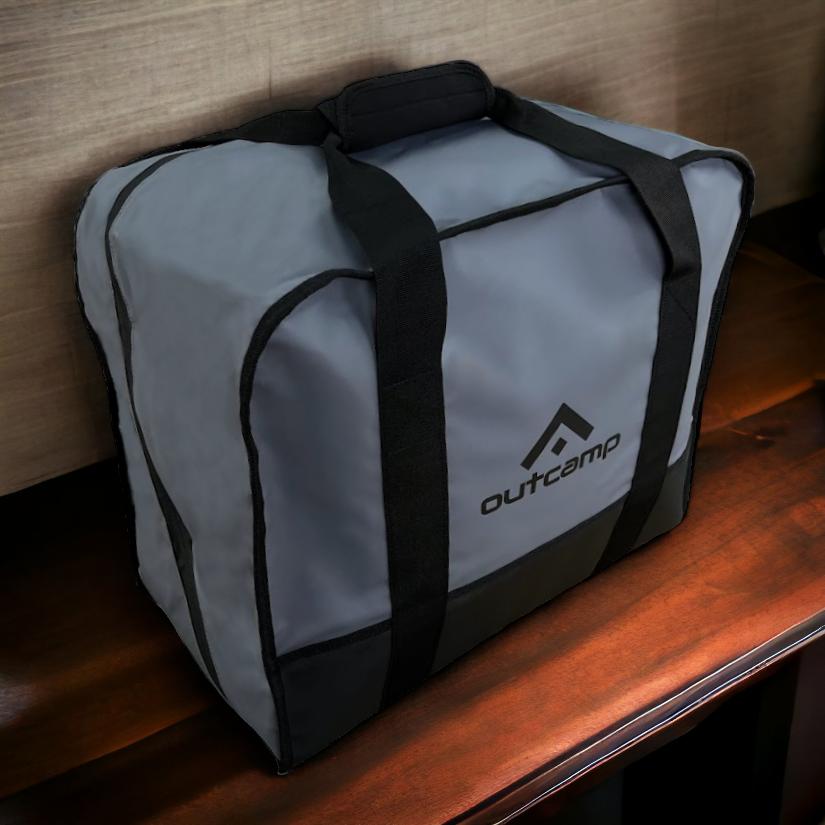
A winch on its own is not a complete recovery system. You also need a tree protector strap to anchor to trees without damaging them, a snatch block to double-line the winch for more pulling power or to change the pulling direction, and a set of D-shackles or bow shackles rated to match your winch capacity. Pack all of these in a dedicated recovery bag so they are always together and easy to find when you need them.
Traction Boards: The Fastest Solo Recovery Tool
Traction boards — commonly known in Australia by the brand name MaxTrax, though other brands like TRED and Bushranger X-Jack also have strong followings — are among the most versatile recovery tools you can carry. They work by giving your spinning tyres something to grip onto when you are bogged in sand, mud, or snow, allowing you to drive out of a situation that would otherwise require external assistance.
A set of traction boards can get you out of a moderate sand bog in minutes with no other vehicle required. For lighter bogs they are often faster and less stressful than setting up a winch or snatch strap recovery. They are also reusable, durable enough for repeated hard use, and can be mounted externally on most roof racks or spare tyre carriers to keep your cargo space free.
Which Traction Boards Are Right for Your Rig
The original MaxTrax MkII remains the benchmark for quality and durability. Made in Australia from an impact-resistant nylon compound, they flex slightly under load to maintain contact with uneven terrain without snapping. TRED HD boards are a capable alternative at a lower price point, offering good performance in sand and soft mud. For the budget-conscious, there are a range of imported boards at varying quality levels — just check that any board you buy is rated for your vehicle's weight before trusting it in the field.
Most mid-size 4x4s need a set of two boards. Very large or heavy rigs — think a Landcruiser 70 Series with a loaded camper trailer — may benefit from a set of four, particularly in deep sand where you may need to leapfrog boards repeatedly to make progress.
Technique Makes the Difference
Traction boards are straightforward to use but technique still matters. Dig out as much material as possible from in front of your drive wheels before placing the boards. Position them with the angled teeth facing the direction of travel and the tail wedged under the tyre. Use the lowest possible ratio and the gentlest throttle application — spinning the tyres too hard on the boards risks flinging them out from under the vehicle, which is both dangerous and unpleasant.
Hi-Lift Jacks, Air Compressors, and the Supporting Cast
No recovery kit is complete without a few more essential items that often make the difference between a successful recovery and a long wait for help. The hi-lift jack, for instance, is one of the most versatile pieces of gear an overlander can carry — it can lift a vehicle high enough to place boards underneath, shift a bogged vehicle laterally, and with the right accessories serve as a makeshift winch or come-along.
A quality portable air compressor is equally important. Reducing tyre pressure is often the single most effective thing you can do before entering soft sand or challenging terrain — it increases your footprint, improves traction, and reduces the risk of getting bogged in the first place. After the tough section, you need to re-inflate quickly so your tyres are safe for road travel. A compressor that can inflate four 35-inch tyres in under 15 minutes is the target to aim for in Australian touring conditions.
Tyre Repair Equipment
A puncture repair kit suitable for tubeless tyres should live in every off-road kit. A quality mushroom plug repair kit, combined with a portable compressor, allows you to repair most trail punctures without removing the wheel and without sourcing a spare. In remote Australia where the next tyre shop might be 400 km away, this capability is invaluable. Carry two or three mushroom plugs and a reamer tool as a minimum.
Shovel and Ground Anchors
A solid, full-length aluminium or steel shovel is one of the most underrated items in a recovery kit. Before deploying any recovery gear, digging out the bogged area — clearing material from in front of the drive wheels and reducing the belly contact — can make the difference between a five-minute self-recovery and a 45-minute ordeal. Choose a shovel with a long handle for leverage, not a folding entrenching tool that is more camping accessory than recovery equipment.
Ground anchors — either a purpose-built deadman anchor or a pair of traction boards staked into the ground — solve the problem of recovering without a second vehicle or a suitable tree nearby. In the open outback where trees are sparse, knowing how to deploy a ground anchor is a genuinely important skill.
Communication and Safety Gear
Recovery situations are also the times when good communication matters most. A UHF CB radio allows you to coordinate recoveries with your travelling companions and call for assistance if things go wrong. A PLB (personal locator beacon) or satellite communicator such as a Garmin inReach adds another layer of safety in truly remote areas — if a recovery goes wrong and someone is injured, these devices can summon help from anywhere in Australia. Outcamp stocks a range of connectivity accessories and mounting solutions that keep your comms gear accessible and secure on the trail.
Packing and Maintaining Your Recovery Kit
The best recovery gear in the world is useless if it is buried under your camping kit when you need it, or if your snatch strap has been rotting in a wet bag for two years. Store all your recovery gear in a dedicated bag or Pelican-style case that is easily accessible — ideally positioned so you can get to it without unpacking the rest of the vehicle. Many experienced overlanders mount a smaller essentials kit — traction boards, snatch strap, and D-shackles — externally on the rear bumper or roof rack for instant access.
Inspect your recovery gear after every serious trip. Check snatch straps for fraying or UV degradation, examine synthetic winch rope for abrasion damage, and test your compressor is running at full capacity. Recovery gear lives a hard life and wears out — the time to discover a failed snatch strap is not when you are bogged at sunset 200 km from the nearest town.
Whether you are headed for the Gibb River Road, the Canning Stock Route, or a weekend on local bush tracks, building a solid 4x4 recovery kit is one of the smartest investments an off-road driver can make. Start with the essentials — a rated snatch strap, traction boards, and a quality air compressor — and build from there as your experience and the ambition of your trips grow. Outcamp's range of off-road accessories and connectivity gear is worth exploring as you kit out your rig for the tracks ahead.




Leave a comment (all fields required)