There is a moment, typically about an hour before sunset at Ubirr, where the air in the Northern Territory stops being a physical presence and becomes a filter of liquid gold. Standing on the ancient rock shelves of the Nadab floodplain, watching the shadows of gnarled ghost gums stretch across the emerald-green wetlands, you realize that Kakadu National Park is not just a destination—it is a living, breathing landscape of immense cultural and geological weight. In the peak of the winter dry season, this world-class wilderness enters its most vibrant and accessible chapter.
For 4WD tourers and off-grid campers, the 2026 dry season brings a unique set of variables. While the humidity of the wet has broken and the "cool" nights of the Top End have arrived, significant infrastructure and road upgrades mean that some iconic spots, including Jim Jim and Twin Falls, will remain closed to the public for the remainder of the year. However, this has only served to focus the spotlight on the park’s other crown jewels, which are currently looking spectacular after a healthy wet season. If you are heading north this June or July, here is your essential guide to the Kakadu icons that are currently open and thriving.
Why Now: The Wetland Convergence
Winter in the Top End (June to August) is the season of the "Wetland Convergence." As the surrounding savannah dries out, the life of the park pulls inward toward the permanent waterholes and billabongs. This creates one of the most concentrated wildlife viewing windows on the planet. The daytime temperatures settle into a perfect thirty degrees, while the nights drop to a crisp, manageable sixteen—ideal for campfire comfort without the relentless bite of the summer insects.
Currently, in mid-2026, the water levels in the South Alligator River system have receded just enough to allow full access to the floodplain lookouts, but remain high enough to keep the billabongs teeming with lilies and birdlife. This year has seen an exceptional population of migratory magpie geese and brolgas returning to the park, and the crocodile activity around the tidal crossings is currently at a seasonal high. It is a time for slow mornings on the water and long afternoons on the rock.
Getting There: The Nature’s Way Loop
Your expedition to Kakadu begins in Darwin, the gateway to the Top End. From the capital, it is a comfortable three-hour drive along the fully sealed Arnhem Highway to reach the park entrance. We recommend topping up your fuel and fresh supplies in Humpty Doo or at the Corroboree Park Tavern before crossing the park boundary.
While the main arterial roads through Kakadu are sealed, reaching the best campsites and hidden lookouts requires a capable 4WD vehicle. The red-dirt tracks to places like Maguk (Barramundi Gorge) and Gunlom are currently in excellent condition, though they remain corrugated enough to test your vehicle's packing and mounting solutions. Ensure your auxiliary power system is verified before departure, as the Arnhem Land heat—even in winter—will keep your 12V fridge working hard.
1. Yellow Water: The Living Billabong
If you only do one organized tour in Kakadu, let it be the Yellow Water cruise at Cooinda. In the peak of the dry season, this massive billabong becomes a floating gallery of Australian tropical biodiversity. The sunrise cruise is particularly spectacular; as the mist lifts from the mirror-flat water, you will drift through massive fields of pink and white lotus lilies and gnarled paperbark forests.
The birdlife here is staggering. From the iconic Jabiru and Azure Kingfisher to the massive Sea Eagles nesting in the canopy, the density of life is unparalleled. Of course, the saltwater crocodiles are the stars of the show. Currently, the resident "salties" are highly active as they bask on the muddy banks to regulate their temperature in the morning sun. It is a humbling perspective on a prehistoric predator in its natural domain.
2. Ubirr: Ancient Art and Floodplain Sunsets
Located in the East Alligator region, Ubirr is the spiritual heart of the park. This cluster of massive rock outcrops holds some of the world's most significant and well-preserved Aboriginal rock art sites. Walking through the natural galleries, you can see "X-ray" style paintings and depictions of first contact that date back thousands of years.
The hike to the summit of the main rock shelf for sunset is a non-negotiable Kakadu experience. From the top, you have a 360-degree view that spans from the rugged Arnhem Land escarpment to the vast, green Nadab floodplains. As the sun dips toward the horizon, the entire landscape turns a deep, burning ochre. In winter 2026, the contrast between the drying grass and the permanent water channels makes for some of the best landscape photography opportunities in the country.
3. Cahills Crossing: The Crocodile Spectacle
Just a few kilometres from Ubirr lies Cahills Crossing, where the road into Arnhem Land crosses the East Alligator River. This is a tidal crossing, and in the dry season, it becomes the site of one of nature's most aggressive feeding frenzies. As the tide pushes in, schools of barramundi are forced over the submerged causeway, and the crocodiles are there waiting for them.
Watching from the safety of the elevated viewing platforms, it is common to see twenty to thirty large crocodiles lining up at the crossing, snapping at fish as they leap across the road. It is a stark reminder of the park's wild nature. Always check the tide charts before visiting, as the action peaks just as the incoming tide begins to cover the causeway. Remember: never stand on the crossing yourself—stay within the designated safe viewing zones.
4. Maguk (Barramundi Gorge): The Hidden Plunge Pool
With Jim Jim Falls closed this season, Maguk has become the go-to destination for those seeking a pristine tropical swimming hole. Reached via a 4WD track and a one-kilometre hike through a monsoon forest and over rocky boulders, Maguk reveals a spectacular deep-green plunge pool fed by a gentle waterfall.
The water here is crystal clear and surrounded by towering sandstone walls draped in ferns. It is a peaceful alternative to the busier spots further north. In winter, the water temperature is refreshing but comfortable, making it the perfect reward after a morning of dusty driving. Be sure to arrive before 10:00 am to enjoy the pool in relative solitude before the afternoon heat brings in more travellers.
Where to Stay: Safari Tents and Bush Camps
Kakadu offers a range of accommodation, from the full-service "Crocodile Hotel" in Jabiru to the iconic Cooinda Lodge with its luxury safari tents. For those towing vans or campers, the Cooinda Campground is well-equipped with powered sites and a large pool area, making it an excellent base for exploring the central and southern regions of the park.
For a more authentic bush experience, the National Park campgrounds like Merl near Ubirr or Mardugal near Cooinda provide basic amenities in spectacular natural settings. These sites allow you to immerse yourself in the sounds of the bush—the morning chorus of corellas and the nighttime thrum of the cicadas. Always book your National Park sites online via the Parks Australia website before you enter the park, as mobile reception is virtually non-existent at the camp gates.
Practical Tips for the 2026 Dry Season
- Access Permits: You must purchase a Kakadu National Park pass before entering. These are available online and help fund the maintenance and traditional owner programs that keep the park operational.
- Track Conditions: Corrugations are a constant in the Top End. Lower your tyre pressures to around 25 psi for the unsealed sections to improve your ride quality and reduce the stress on your vehicle's suspension.
- Crocodile Safety: Be Crocwise. Only swim in designated areas like Maguk that have been surveyed and cleared by park rangers. Never assume a waterhole is safe just because it looks peaceful.
- Supplies: Fuel and basic groceries are available in Jabiru and Cooinda, but prices are significantly higher than in Darwin. Stock up on non-perishables and essential recovery gear before leaving the capital.
Staying Connected in the Tropical Savannah
Exploring the deep corners of Kakadu is one of the last true wilderness experiences in Australia, but being off-grid shouldn't mean being out of touch. Whether you are checking the latest park access reports, downloading high-resolution satellite imagery for a remote hike, or simply sending a sunset photo from the top of Ubirr to family back home, a reliable data link is a massive safety and convenience asset.
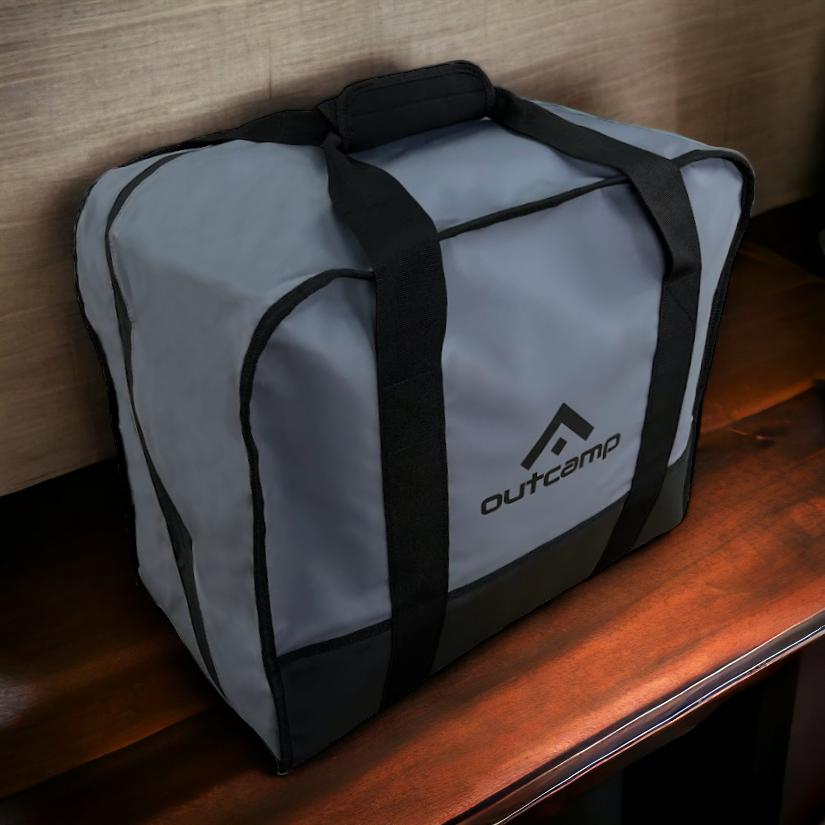
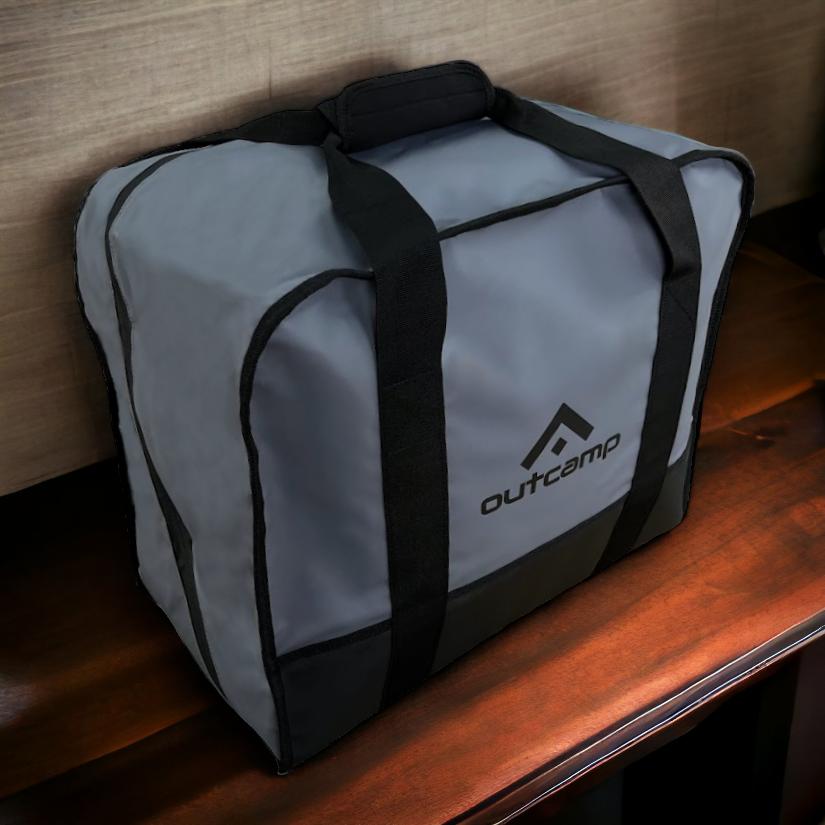
For Top End expeditions in 2026, the Starlink Mini is the definitive solution. Its low power draw and high-speed throughput make it perfect for mobile site command. When combined with our Starlink Mini Magnetic Mount for quick roof-rack deployment or the Starlink Mini Hard Protective Travel Case to protect your gear from the relentless red dust during transit, you can have a high-speed link live at your campsite in under two minutes. It allows you to maintain your "mobile office" while parked under the paperbarks, ensuring you never miss a critical update while exploring the Top End.
Closing Nudge
Kakadu is a place that demands time. It is not a park to be rushed in a single day, but a landscape to be absorbed over a week of slow travel and quiet observation. Even with the seasonal closures of the 2026 window, the park remains a world-class destination that will challenge your perspectives and reward you with memories that last a lifetime.
If you are looking for more inspiration for your next Aussie adventure, explore our other state guides on the blog. From the misty forests of Tasmania to the red dunes of the Simpson Desert, there is always another track to explore. Safe travels, and we'll see you on the dirt.