

Carnarvon Gorge: The Complete Camping, Hiking and 4WD Guide for Queensland
Tucked away in central Queensland's sandstone wilderness, Carnarvon Gorge is one of Australia's most spectacular natural landscapes. Towering 200-metre cliff faces frame a lush valley of ancient cycads, remnant rainforest and crystal-clear creeks — a landscape so dramatically different from the surrounding dry plains that it stops first-time visitors in their tracks. For campers, hikers and 4WD tourers looking for something beyond the coastal strip, this is Queensland at its most raw and rewarding.
Sitting roughly halfway between Emerald and Roma, the gorge is the centrepiece of Carnarvon National Park — a protected area covering more than 298,000 hectares. What draws people here is not just the scenery but the depth of history carved into every wall. Aboriginal rock art dating back thousands of years lines the sandstone overhangs, and the walking trails that thread through the gorge reveal one jaw-dropping side canyon after another. Whether you are towing a caravan through the Queensland interior or planning a dedicated hiking trip, Carnarvon Gorge deserves a prominent spot on your itinerary.
Getting to Carnarvon Gorge by 4WD or Caravan
Reaching Carnarvon Gorge requires a commitment that filters out the casual day-tripper, which is part of its appeal. The gorge sits about 720 kilometres northwest of Brisbane, or roughly 250 kilometres south of Emerald via the Dawson Highway and then the Carnarvon Highway. From the turnoff, a 45-kilometre road leads to the park entrance — the majority of it sealed, with the final stretch a well-maintained gravel surface that is suitable for conventional vehicles and caravans in dry conditions.
That said, this is inland Queensland and weather matters. After rain, the unsealed sections can become slippery and creek crossings may rise quickly. If you are towing, keep an eye on the Bureau of Meteorology forecasts in the days before your trip and be prepared to adjust your timing. A 4WD is not strictly necessary in the dry season, but it gives you significantly more confidence on the access road and opens up the wider central Queensland highlands region for exploration on your way in or out.
Approaching from the North via Emerald
The northern approach from Emerald is the most popular route. Head south along the Dawson Highway to Springsure, then follow the signposted Carnarvon Highway south to the park turn-off. The road from Springsure is sealed and in good condition, passing through classic Queensland grazing country — wide open plains dotted with bottle trees and the occasional wedge-tailed eagle circling overhead. Allow around three hours from Emerald to the park entrance.
Fuel up at Springsure or Rolleston before heading to the gorge. There are no fuel stops or shops within the national park itself, so stock up on everything you need. If you are travelling with a caravan, the road is well-suited to standard rigs, though the final gravel section narrows in places and requires careful driving at reduced speed.
For those coming from the Capricorn Coast, you can connect to the Dawson Highway from Rockhampton via the Leichhardt Highway. This adds a scenic variation to the drive and lets you break the journey at Biloela or Moura.
Approaching from the South via Roma or Injune
Travellers coming from southern Queensland or New South Wales can approach via the Carnarvon Highway from Injune, which sits about 90 kilometres south of the park turn-off. The road from Roma to Injune is sealed, and the stretch from Injune north is mostly bitumen with some gravel sections. This is a quieter approach that takes you through the heartland of Queensland's gas country before the landscape opens into the rugged sandstone ranges.
Roma itself is a solid staging point — a regional centre with supermarkets, mechanics, and caravan parks if you want to break the journey. From Roma, allow around two and a half hours to reach the gorge. Caravans and camper trailers handle this route without issue in dry weather, though the same wet-weather caveats apply to the unsealed portions.
If you are doing a broader outback Queensland loop, this southern approach connects well with the Matilda Highway route or a swing through the Darling Downs. Carnarvon Gorge makes an excellent inland detour for anyone heading between Brisbane and Longreach.
Camping at Carnarvon Gorge National Park
Camping at Carnarvon Gorge is a seasonal affair, and understanding the booking windows is critical to securing a site. The main camping area within the national park operates during Queensland school holidays only — Easter, June-July, and September-October. Outside these windows, the national park campground closes, though private accommodation options nearby remain open year-round.
The restricted season might sound limiting, but it aligns perfectly with the best weather. The gorge sits at altitude and winters are crisp, with overnight temperatures often dropping below five degrees. The September-October window catches the spring wildflower season, when the gorge floor comes alive with colour. Whichever window you choose, book early — sites fill fast, often months in advance.
National Park Campground
The Carnarvon Gorge camping area has 35 numbered sites spread through open woodland near the creek. Facilities are solid for a national park — flushing toilets, wheelchair-accessible picnic tables, and free gas barbecues take the edge off roughing it. There are no powered sites and no showers, so if you need a hot wash you will be relying on your own setup or the nearby commercial parks.
Sites are allocated when you book through the Queensland Parks booking system, and you will need to have your permit sorted before you arrive. Generators are not permitted, which keeps the campground peaceful — you will hear bellbirds and king parrots instead of Honda generators. Water is available from a tap at the information centre, but boiling or treating it before drinking is recommended.
The campground's location is its strongest drawcard. You are right at the mouth of the gorge, with the main walking track departing directly from camp. Roll out of your swag in the morning and you can be deep in the gorge within thirty minutes on foot.
Private Camping and Accommodation
For those who want powered sites, hot showers, or year-round access, two private options sit just outside the park boundary. The BIG4 Breeze Holiday Park is roughly three kilometres from the gorge entrance and offers powered and unpowered sites, cabins, and a camp kitchen. It is the more established option and fills quickly during peak season.
Sandstone Park is the other commercial campground in the area, offering a quieter, more bush-camping feel with unpowered sites and basic facilities. Both parks cater to caravans and camper trailers, and both provide a reliable base for exploring the gorge over several days. If the national park campground is booked out — which happens often — these private parks are your fallback, so get in early.
For those not camping at all, Takarakka Bush Resort (within walking distance of the gorge) offers safari tents and cabins. It is a solid option if you want the gorge experience without setting up camp, and it stays open outside the school holiday windows.
Hiking the Gorge: Walks and Side Tracks
The walking is the main event at Carnarvon Gorge, and the trail system is structured around a single main track with side gorges branching off at intervals. The main gorge walking track runs along the valley floor for approximately 9.7 kilometres one way to Big Bend, crossing Carnarvon Creek multiple times. Most visitors focus on the lower gorge — a 14-kilometre return walk that takes in the four marquee side tracks — but the full Big Bend trek (19.4 kilometres return) rewards those with the fitness and time to push deeper.
The walking is not technically difficult, but the distances add up and the creek crossings require sturdy footwear that can handle getting wet. Lightweight hiking boots or trail shoes with good grip are essential. Thongs and sandals are a recipe for a rolled ankle on the rocky creek beds.
Moss Garden and the Amphitheatre
The Moss Garden turnoff sits about three kilometres into the gorge and is the first major side track most walkers encounter. A short detour leads to a sheltered grotto where water seeps through the sandstone, feeding a hanging garden of mosses, ferns and liverworts. A shallow pool sits beneath a dripping rock face, and the air temperature drops noticeably as you step into the shade. It is one of those places that feels ancient and untouched — a pocket of green hidden within the dry sandstone.
Further along the main track, the Amphitheatre is arguably the gorge's most dramatic feature. A steel staircase climbs to a narrow crack in the canyon wall, and a 200-metre passage threads through near-darkness before opening into a vast natural chamber. The Amphitheatre is a 60-metre-deep sandstone room open to the sky, with stratified rock layers tilting at improbable angles and ferns clinging to every ledge. The acoustics are extraordinary — even a whisper carries across the space.
These two side tracks can be combined into a comfortable half-day walk from camp, making them ideal for your first morning in the gorge. Start early to beat the midday heat in the warmer months and to have the trails to yourself before the day-walkers arrive from the commercial parks.
The Art Gallery and Cathedral Cave
For many visitors, the Aboriginal rock art is Carnarvon Gorge's most profound attraction. The Art Gallery is a 62-metre sandstone wall adorned with more than 2,000 engravings, stencils and freehand paintings created by the Bidjara and Karingbal peoples over thousands of years. Hand stencils, boomerangs, shields, emu feet and complex ceremonial designs layer over one another in a dense visual record of continuous cultural connection to this country.
Cathedral Cave is another significant art site — a massive sandstone overhang that creates a cathedral-like space where you can stand back and take in the art in its full panoramic context. The scale of both sites is humbling. You are not looking at a handful of markings behind a glass case in a museum — you are standing in the landscape where these were created, with the same creek running beside you and the same cliff faces towering overhead.
Both sites are accessed via well-marked side tracks off the main gorge trail. Allow a full day to visit both the Art Gallery and Cathedral Cave along with the Moss Garden and Amphitheatre — this is the classic lower gorge circuit that most visitors aim to complete. Take water, lunch, and a sense of reverence. These are culturally significant places and should be treated with the respect they deserve.
Ward's Canyon and Boowinda Gorge
Ward's Canyon is a narrow side gorge that shelters a stand of king ferns — primitive plants that have been growing in this exact type of environment for over 300 million years. The canyon is tight and shaded, with the ferns towering overhead in a scene that feels genuinely prehistoric. It is a short detour off the main track and well worth the diversion.
Boowinda Gorge is the furthest major side track at 9.2 kilometres from the visitor centre, which means fewer people make it this far. The reward is a narrow, twisting gorge that requires some light scrambling over boulders and fallen logs. It is rougher and more adventurous than the other side tracks, and it gives you a sense of what the whole gorge might have felt like before the walking tracks were built. If you have a second day for hiking, Boowinda combined with the push to Big Bend makes for a serious but satisfying full-day outing.
The Carnarvon Great Walk is a multi-day circuit covering around 87 kilometres through the wider national park, connecting the gorge to the surrounding plateau country. It requires full self-sufficiency and a reasonable level of bushwalking fitness, but for experienced hikers it is one of Queensland's premier overnight walks. Check the Queensland Parks website for any seasonal closures before planning your dates.
What to Bring: Gear Essentials for Carnarvon Gorge
Carnarvon Gorge's inland location and seasonal camping windows mean you need to pack thoughtfully. Winter nights drop below five degrees regularly, and even the spring window can throw cold mornings. A quality sleeping bag rated to at least zero degrees is a minimum if you are tent camping. If you are in a caravan with heating, you are sorted — but even then, a warm jacket for the early morning walk to the trailhead is essential.
Water is the other critical consideration. The gorge walks are longer than they look on paper, and the combination of creek crossings and sun exposure on the exposed sections means you will drink more than you expect. Carry at least two litres per person for a half-day walk, and three or more for the full Big Bend return. A portable water filter or purification tablets are handy for topping up from the creek on longer walks.
Connectivity and Staying in Touch
Mobile reception at Carnarvon Gorge is effectively non-existent. You are deep in a sandstone valley surrounded by ranges, and the nearest mobile tower is a long way off. For families or groups splitting up for different walks, a set of UHF radios is worth packing. For those who need to stay connected for work or safety, a satellite internet solution like Starlink can be a game changer in remote Queensland locations like this.
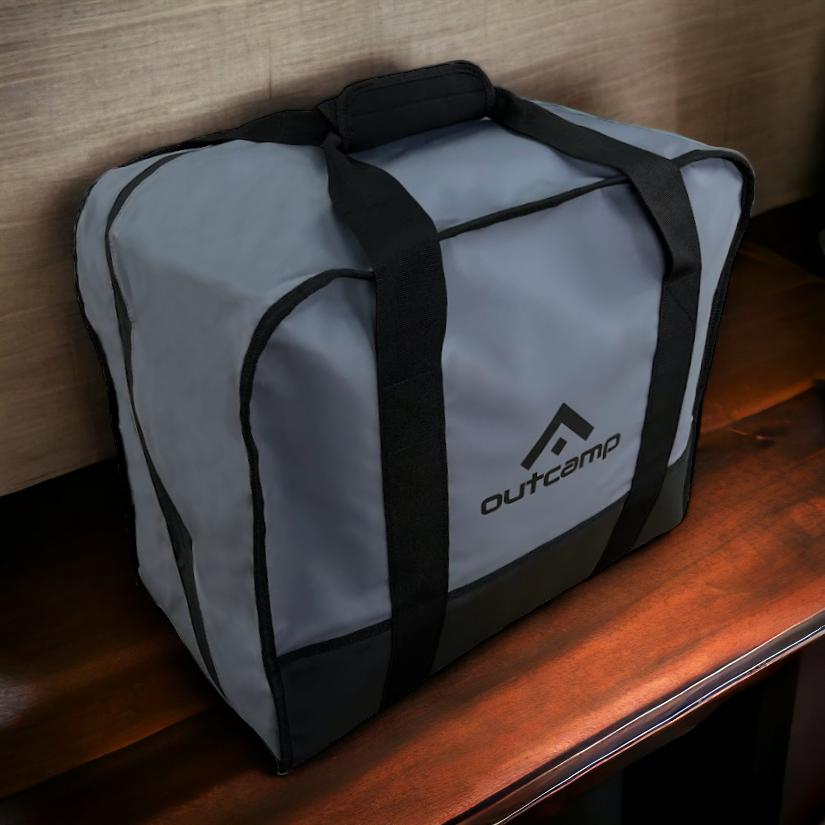
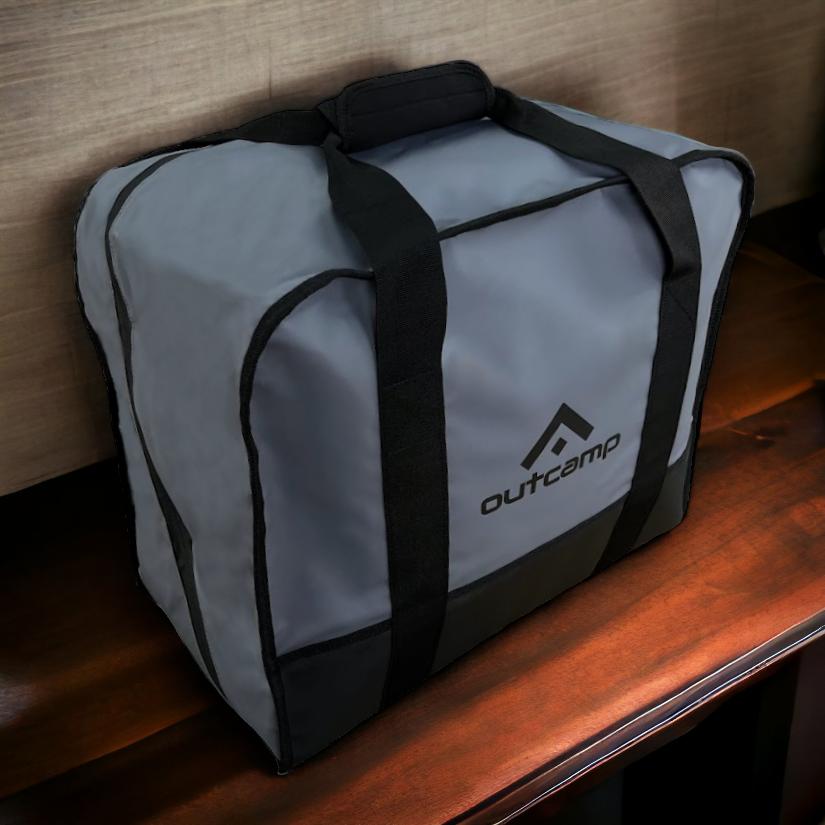
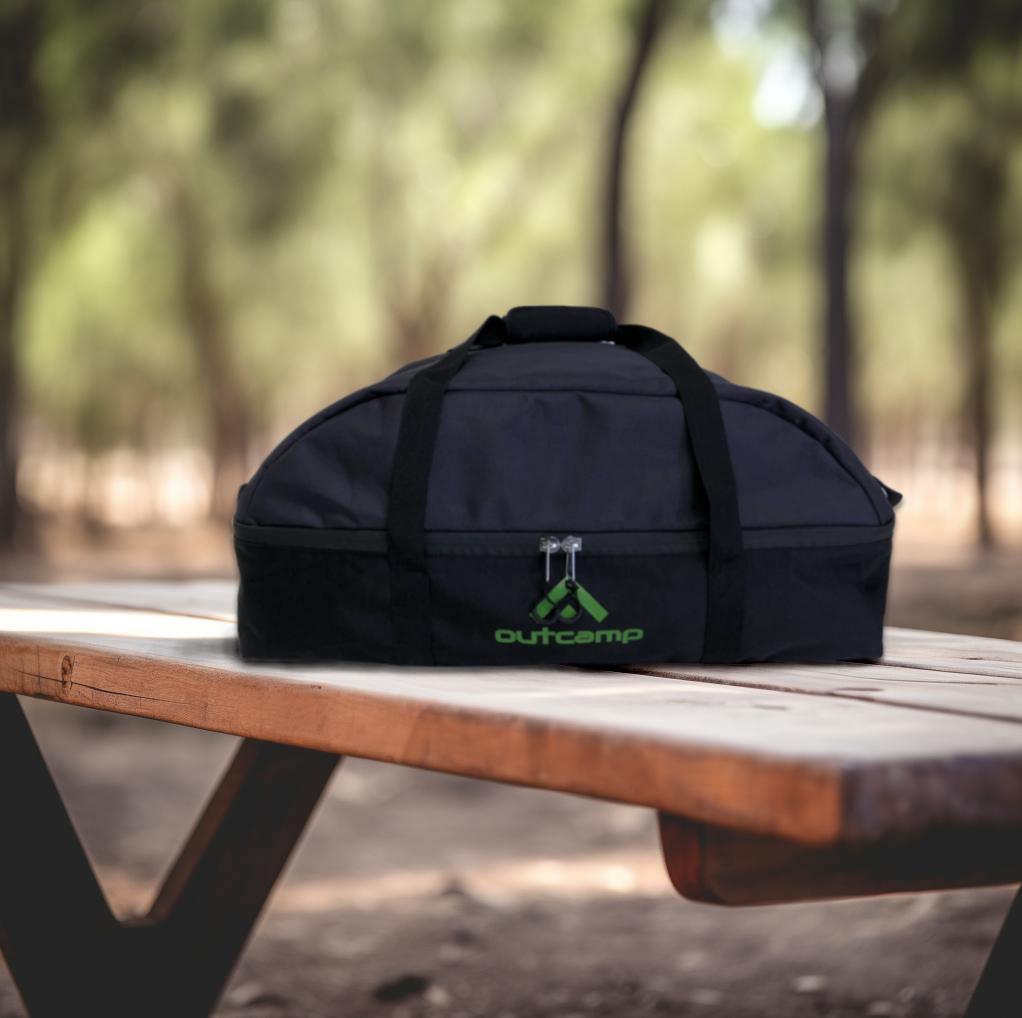
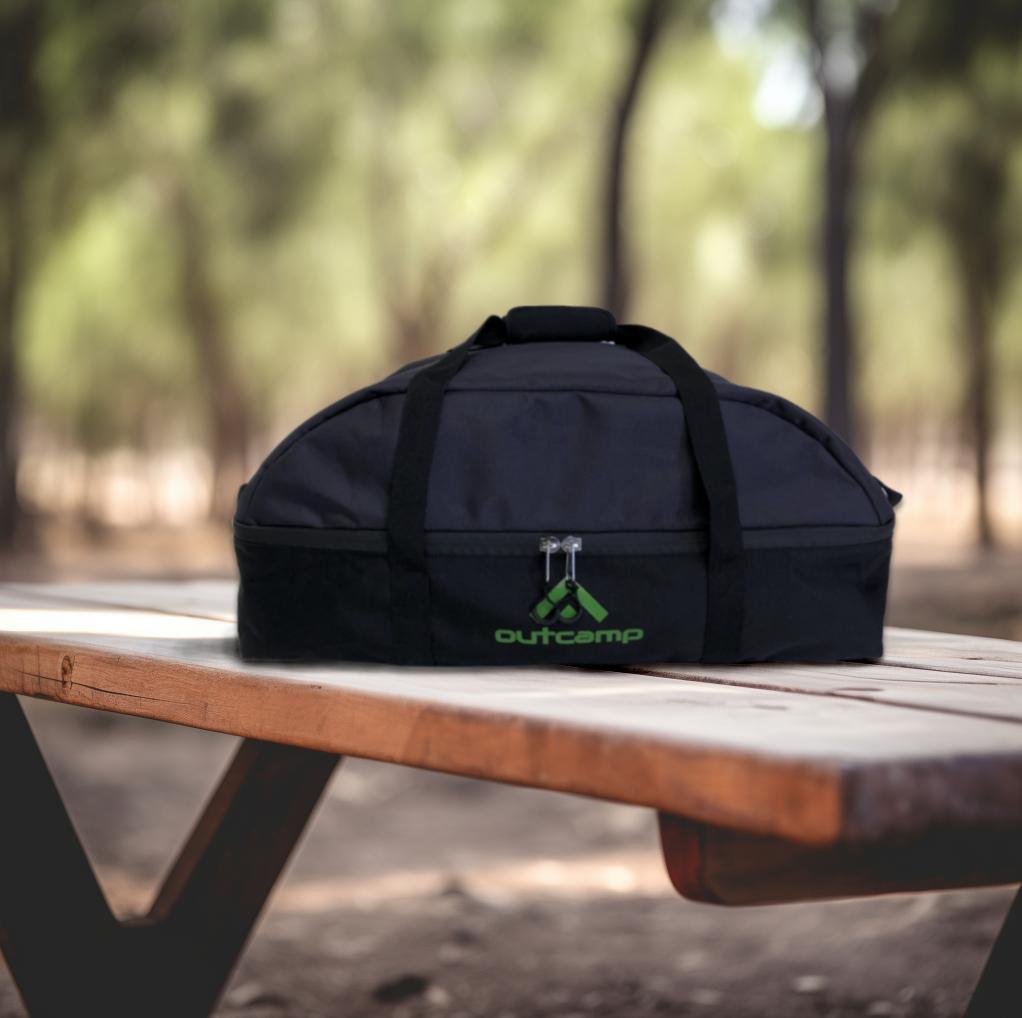
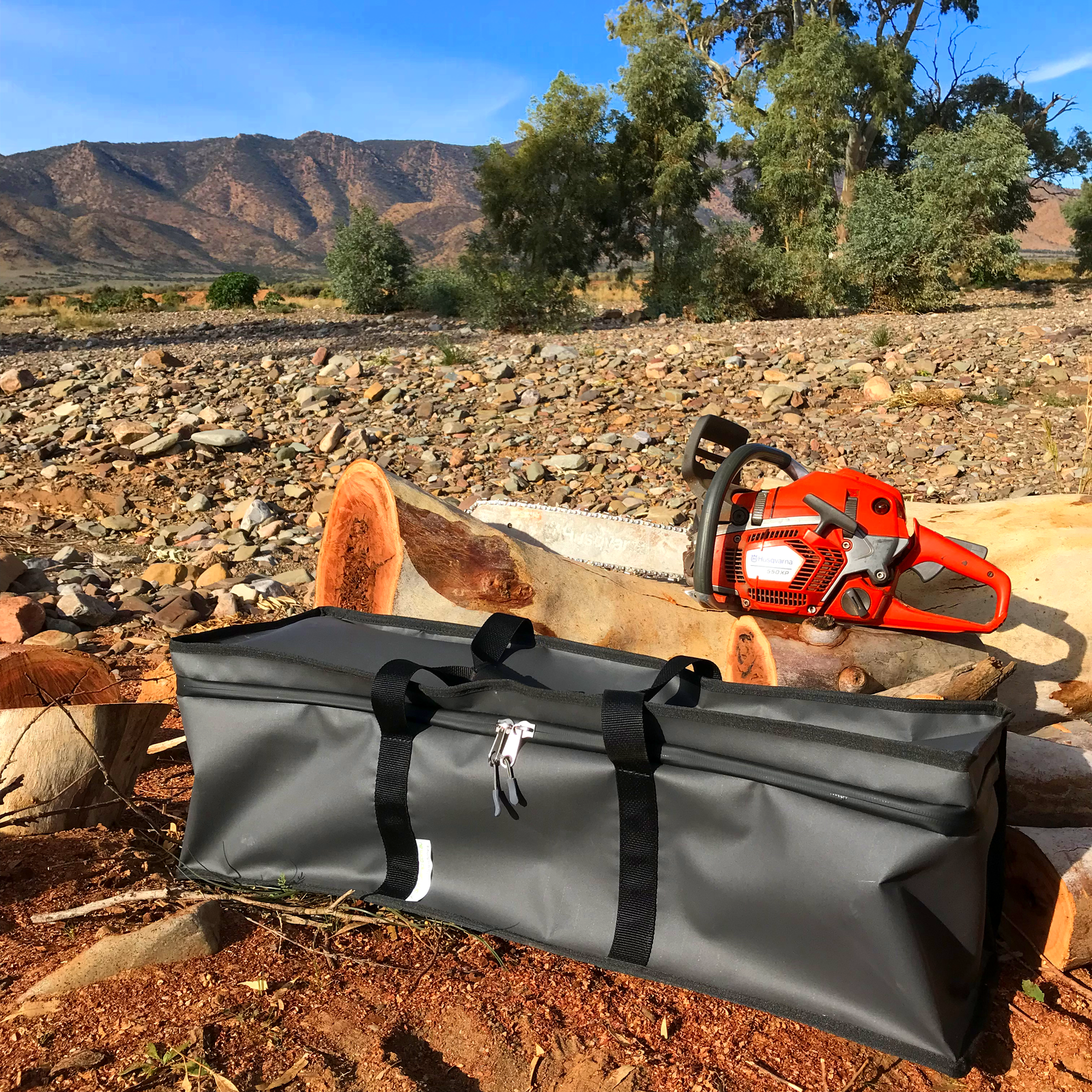
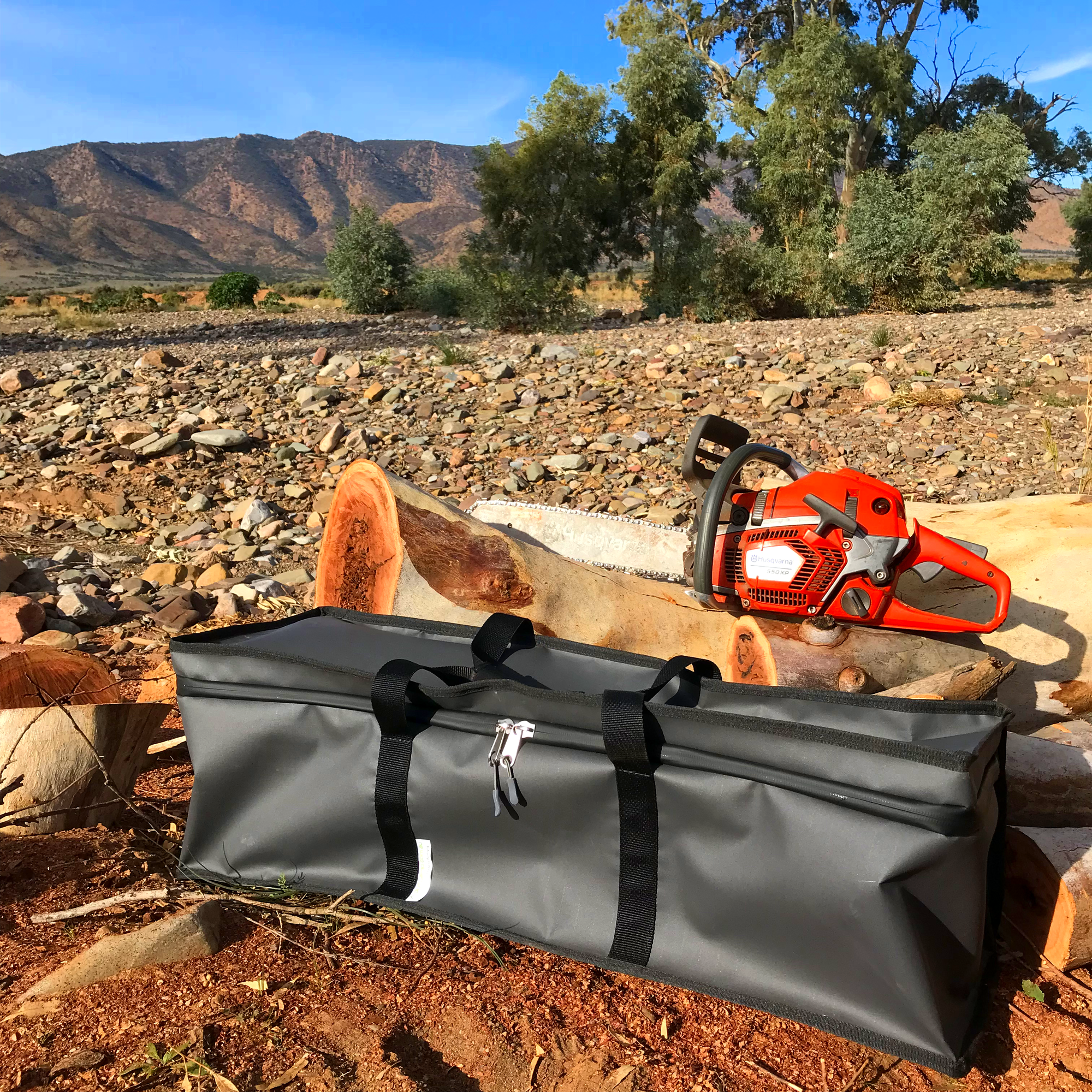
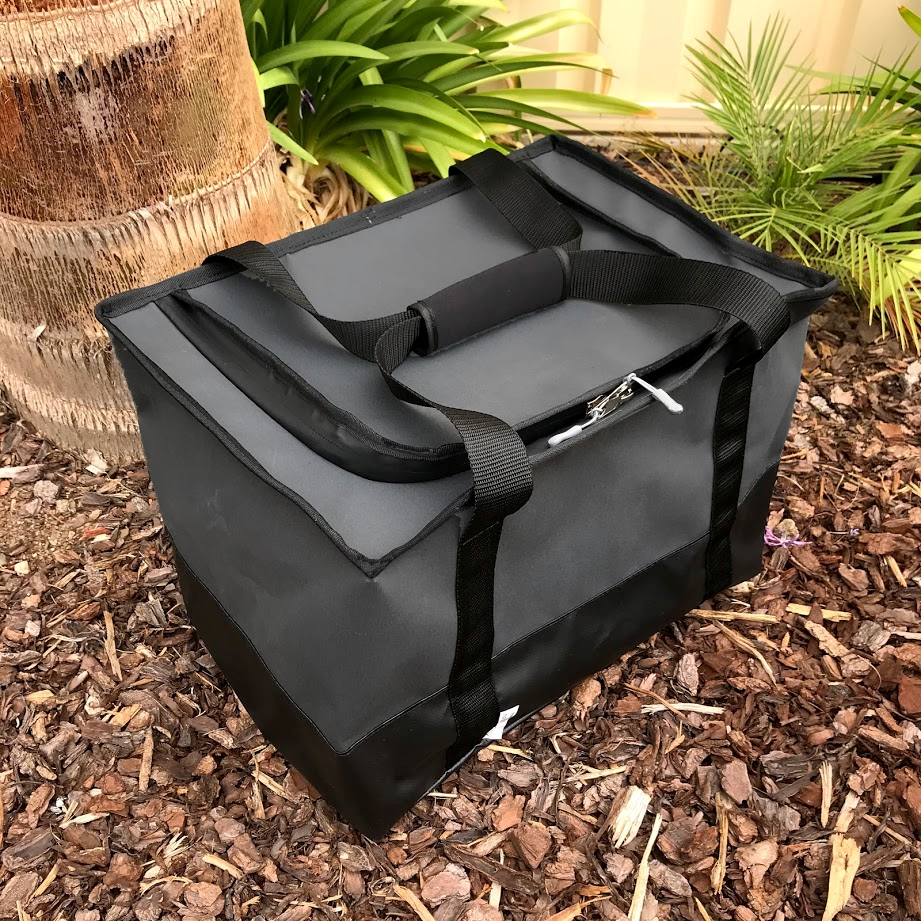
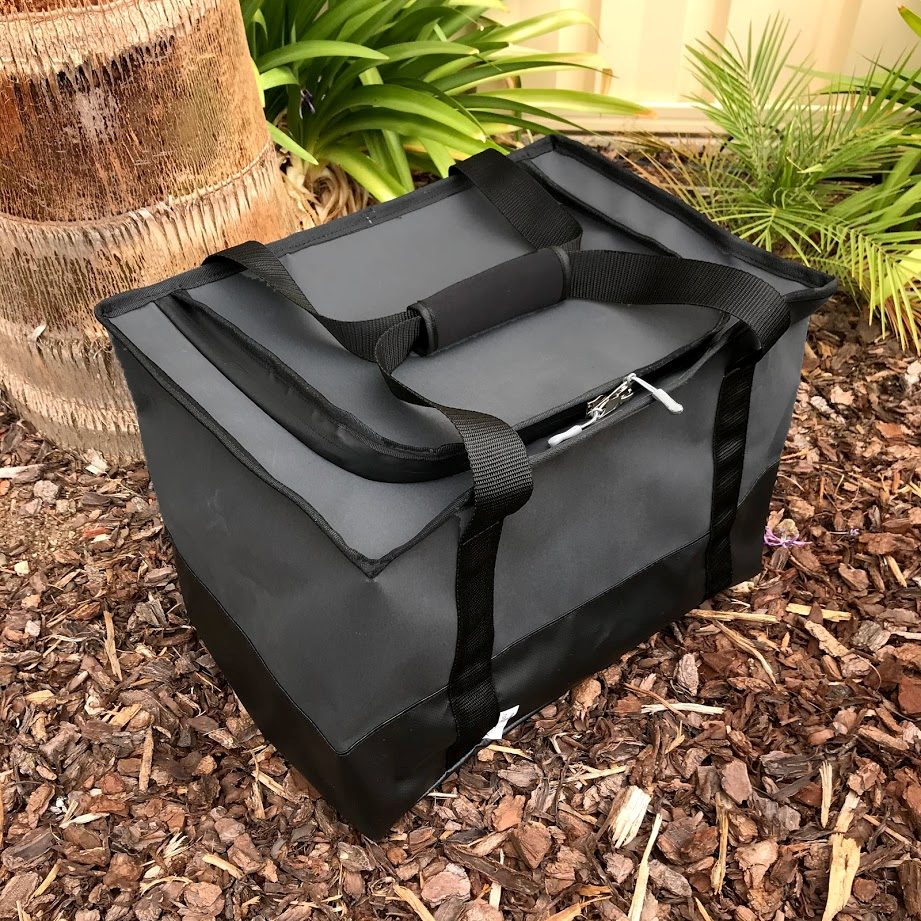
Outcamp's range of Starlink carry bags and portable mounts are designed for exactly these situations — where you want reliable internet at a campsite that is well beyond the reach of any mobile network. A Starlink setup at the campground means you can upload photos, check weather updates, and handle any urgent communications without driving back to Springsure. It is the kind of gear that earns its place in the vehicle when you are spending multiple days in genuinely remote country.
Beyond connectivity, make sure you have a good first aid kit, a head torch for the campground after dark, sturdy footwear that can handle repeated creek crossings, and a decent camera. The gorge is wildly photogenic in the early morning when mist sits in the valley floor and the sandstone glows in the first light.
Best Time to Visit Carnarvon Gorge
The September-October school holiday window is widely considered the best time to visit. Daytime temperatures sit in the low to mid-twenties, the spring wildflowers are out, and the creek is usually flowing well after the winter rains. The light in the gorge during September is exceptional — low-angle sun penetrating deep into the side canyons and picking up the red and gold tones in the sandstone.
The June-July winter window offers the driest and most stable weather, but expect cold mornings and the possibility of frost. The upside is crystal-clear skies and stunning night photography conditions if you are into astrophotography — the gorge's remoteness means almost zero light pollution. The Easter window varies in conditions depending on the year, but it can be warm and humid if the wet season has lingered.
Regardless of when you visit, book your campsite or accommodation as early as the booking window opens. Carnarvon Gorge's limited capacity and growing reputation mean that sites — particularly in the national park campground — sell out within days of becoming available. Set a reminder and be ready to book the moment the system opens. It is competitive, but the effort is worth it.
Planning Your Carnarvon Gorge Trip
A minimum of two full days at the gorge gives you enough time to walk the lower gorge circuit and soak in the atmosphere. Three days is better — it lets you split the walking across two days and push further to Big Bend or Boowinda Gorge without rushing. If you are combining Carnarvon Gorge with a broader central Queensland loop, consider adding the Gemfields near Emerald, the historic town of Springsure, or the Salvator Rosa section of Carnarvon National Park (a wilder, less-visited area accessible by high-clearance 4WD only).
For those towing a caravan on a longer Queensland trip, Carnarvon Gorge slots neatly into a route that takes in Longreach, Barcaldine and the Capricorn Coast. It is the kind of place that rewards slowing down — rushing through in a single day means missing the side canyons, the early morning light, and the quiet that settles over the gorge once the afternoon walkers head back to camp.
Carnarvon Gorge is one of those rare Australian destinations that combines world-class hiking, deep cultural significance, and genuine remoteness without requiring extreme 4WD capability or weeks of planning. Pack your swag, load up the cooler, check your Outcamp Starlink kit is ready to go, and head for the sandstone. The gorge has been waiting for 30 million years — it can handle another few visitors.