

There is a version of Australia that most people never see. It stretches beyond the coastal highways and tourist hotspots, past the last petrol station with reliable mobile signal, into a landscape so vast and ancient it recalibrates your sense of scale. Outback Queensland is that version — and travelling it by 4WD or caravan is one of the most rewarding things you can do on this continent.
The Matilda Highway runs 1,812 kilometres from Cunnamulla in the south to Karumba on the Gulf of Carpentaria in the north. Named after Banjo Paterson's iconic song, which was written in this very region, it stitches together some of the most culturally and geologically significant country in Australia. If you are planning a serious outback Queensland road trip, this is where you start.
Planning Your Outback Queensland Road Trip
A trip along the Matilda Highway is not a casual weekend drive. The distances between towns are real, the roads can be unforgiving, and the heat in summer will ground you. Done right, however, this is the kind of road trip that people spend years talking about. The key is preparation — and plenty of it.
Getting your timing, vehicle, and kit dialled in before you leave will define whether you spend your evenings around a campfire under a sky full of stars, or waiting for a tow truck on the side of a dirt track 200 kilometres from nowhere.
When to Go
The window for comfortable outback Queensland travel is roughly April through September. Daytime temperatures across this period sit between 15°C and 28°C, making long drives and outdoor activities genuinely enjoyable. The dry season also means the roads are passable and creek crossings are manageable.
From October onwards, heat becomes a serious factor. By November and into summer, temperatures can spike above 45°C in places like Longreach and Birdsville. Not only is this physically demanding, but it puts additional strain on your vehicle, your tyres, and your water supply. There is nothing romantic about a blown radiator hose 100 kilometres from town in 44-degree heat.
Aim for the May to August window if you want cooler nights and reliable road conditions. School holiday periods — particularly July — are popular, so book caravan park sites and national park camping well in advance. Popular spots like Longreach Tourist Park fill up quickly during peak season.
What to Drive
While the sealed sections of the Matilda Highway are accessible in a standard two-wheel drive, any serious exploration off the main route demands a capable 4WD. Tracks into Diamantina National Park, access to free camping sites along the Darr River, and the Birdsville Track itself are all unsealed — and in wet conditions, some sections become impassable even for 4x4 vehicles.
If you are towing a caravan, match your rig carefully to the terrain. High-clearance off-road caravans handle the corrugated dirt roads far better than road-going vans. Dual rear wheels can offer extra stability on loose surfaces. Check your tow vehicle's GVM and GCM ratings before you load up, and ensure your tyres are rated appropriately for both on-road and off-road use.
Carry at minimum two full-sized spare tyres, a compressor, tyre repair kit, and a basic recovery kit. In remote sections — especially approaching Birdsville — a high-lift jack, snatch strap, and MaxTrax boards are not excessive. They are sensible. Also ensure your vehicle's cooling system, belts, and hoses are in top condition before departure.
What to Pack
Water is your most critical resource in outback Queensland. The standard recommendation is five litres per person per day, but in summer that should be higher. Carry more than you think you need, and know where your next reliable water source is before you leave each town. Many remote campsites offer bore water that is not suitable for drinking without treatment, so a quality water filter or purification tablets are worth including.
Food should be planned around your ability to resupply. Towns along the Matilda Highway — Charleville, Cunnamulla, Longreach, Winton — have supermarkets, but stock up before you head into the more remote stretches. Freeze-dried meals and canned staples have their place in the outback pantry. A quality camp kitchen setup with a reliable BBQ or camp stove makes the experience considerably more enjoyable at the end of a long driving day.
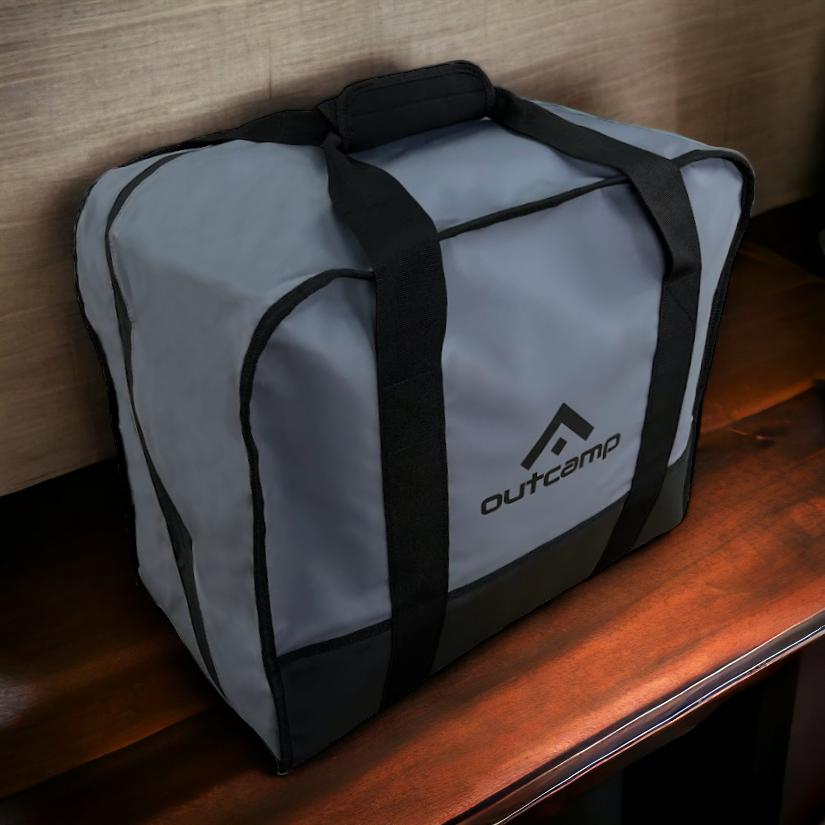
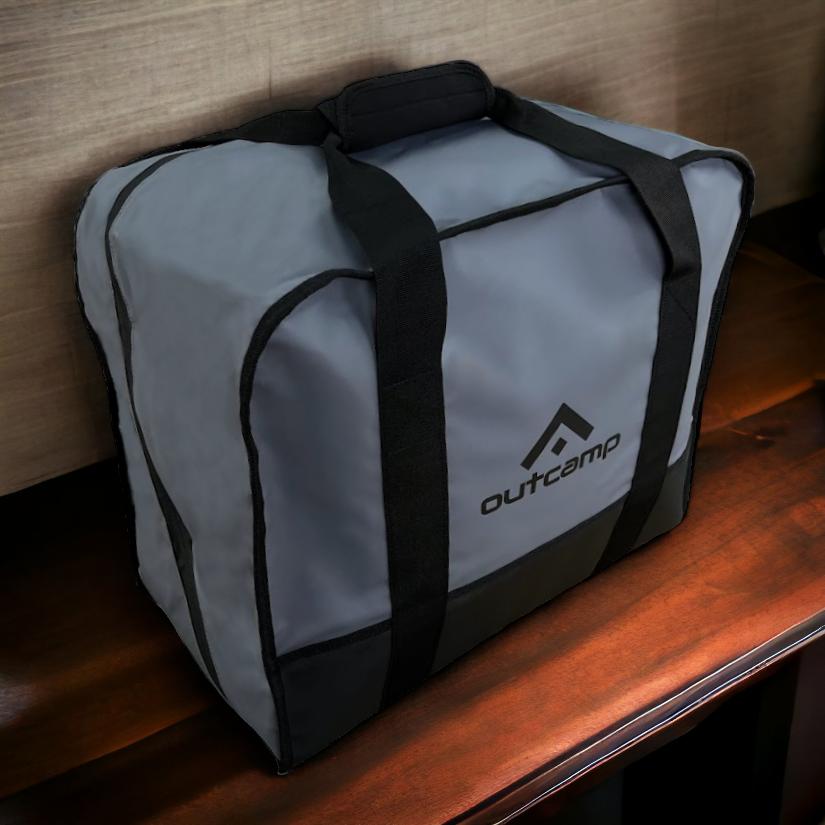
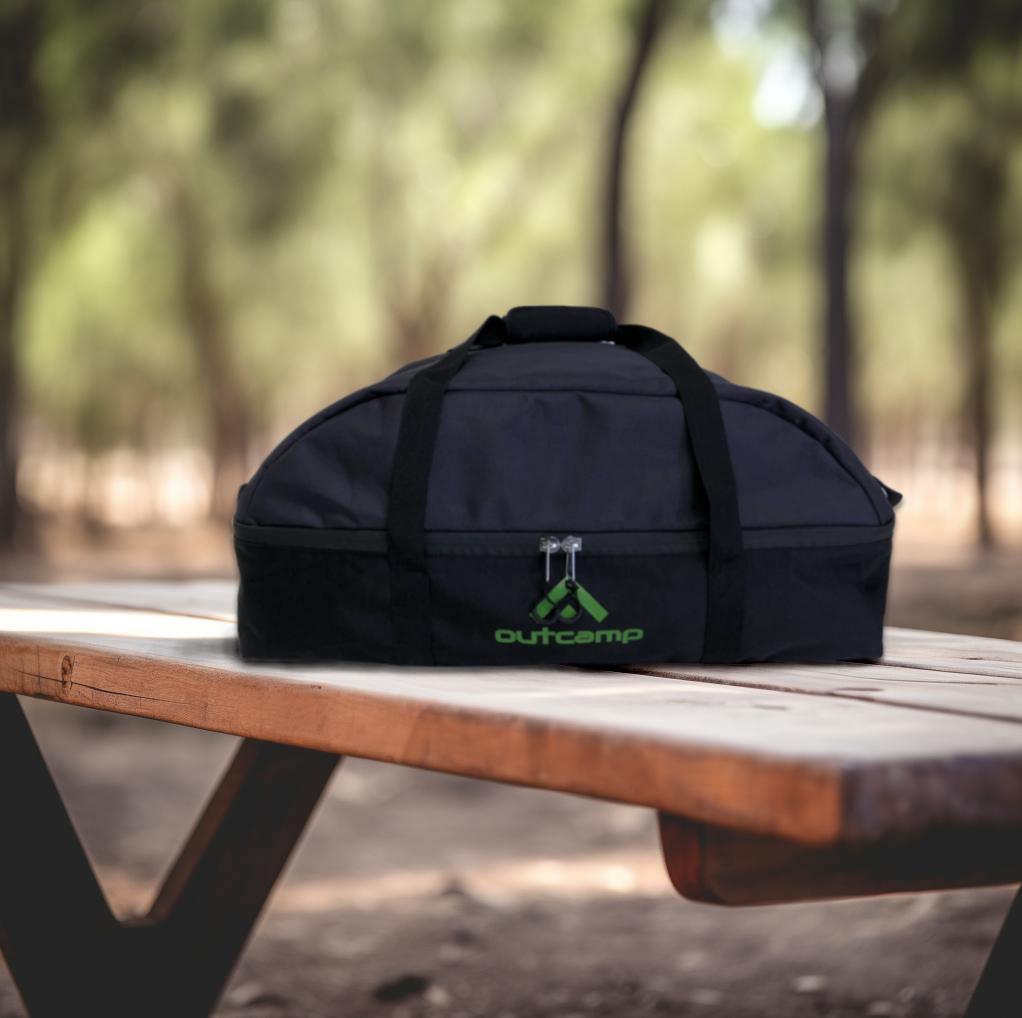
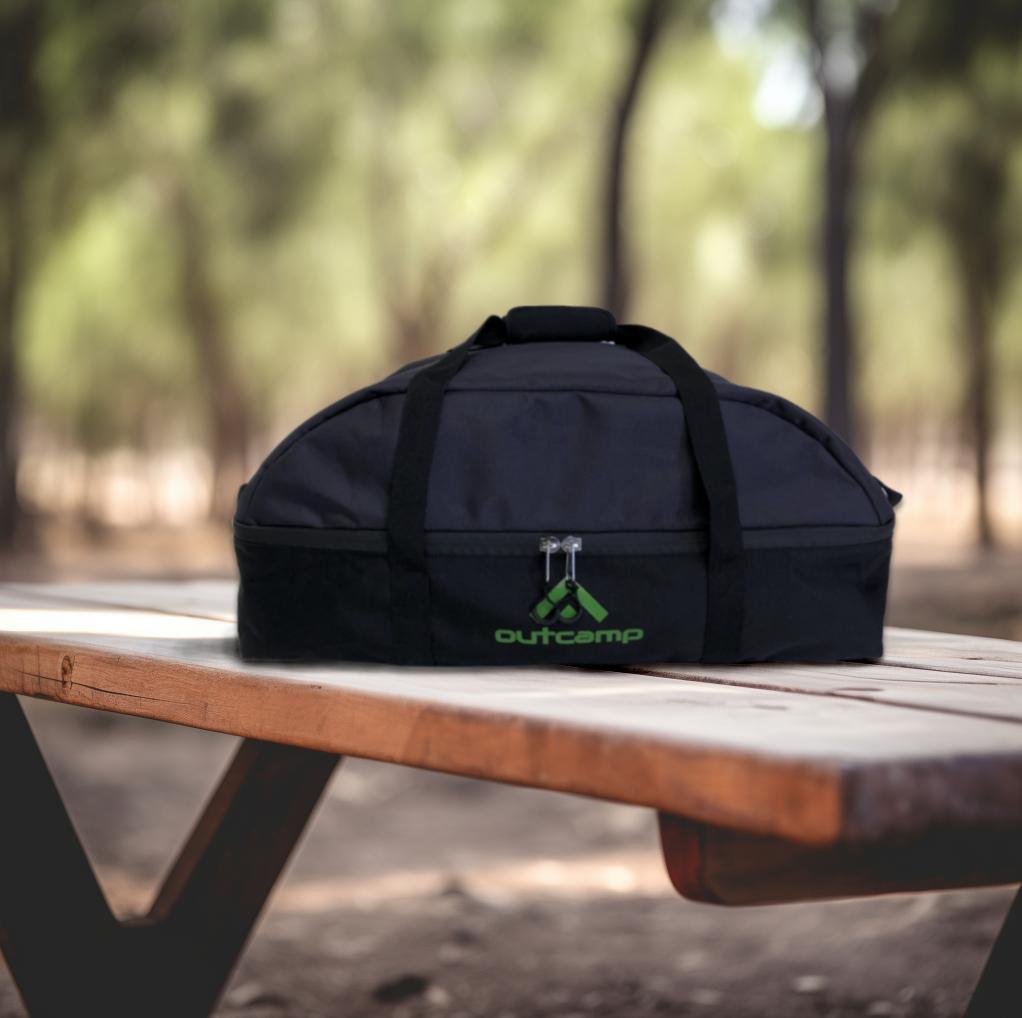
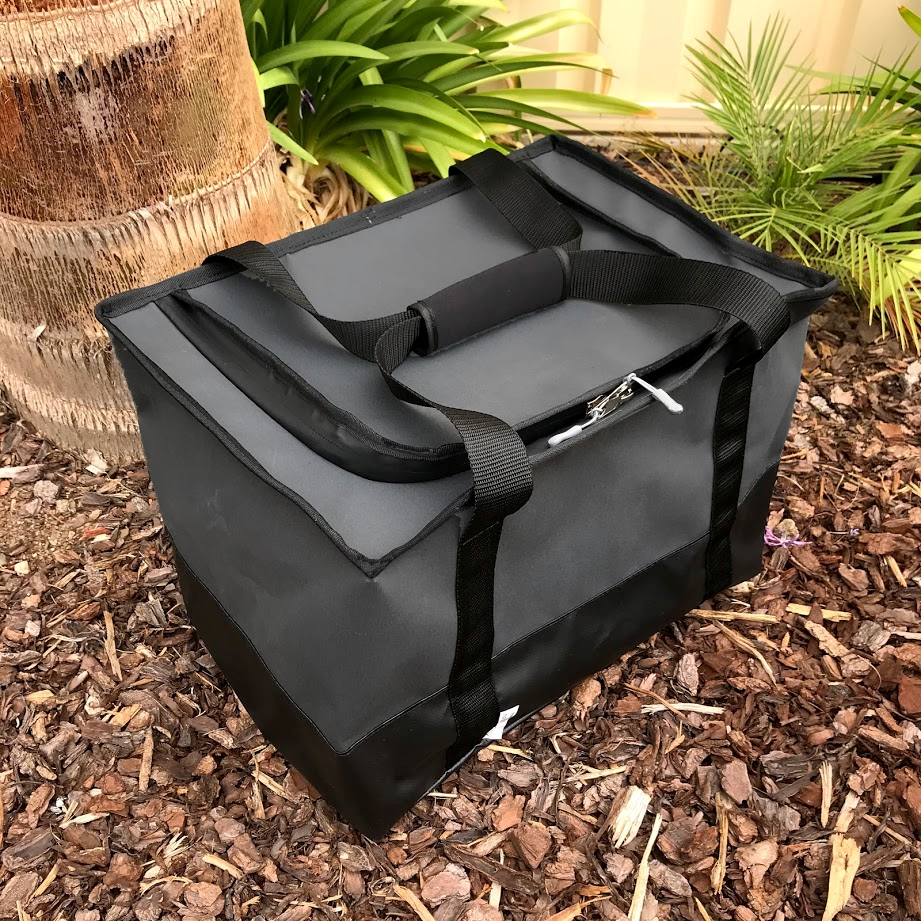
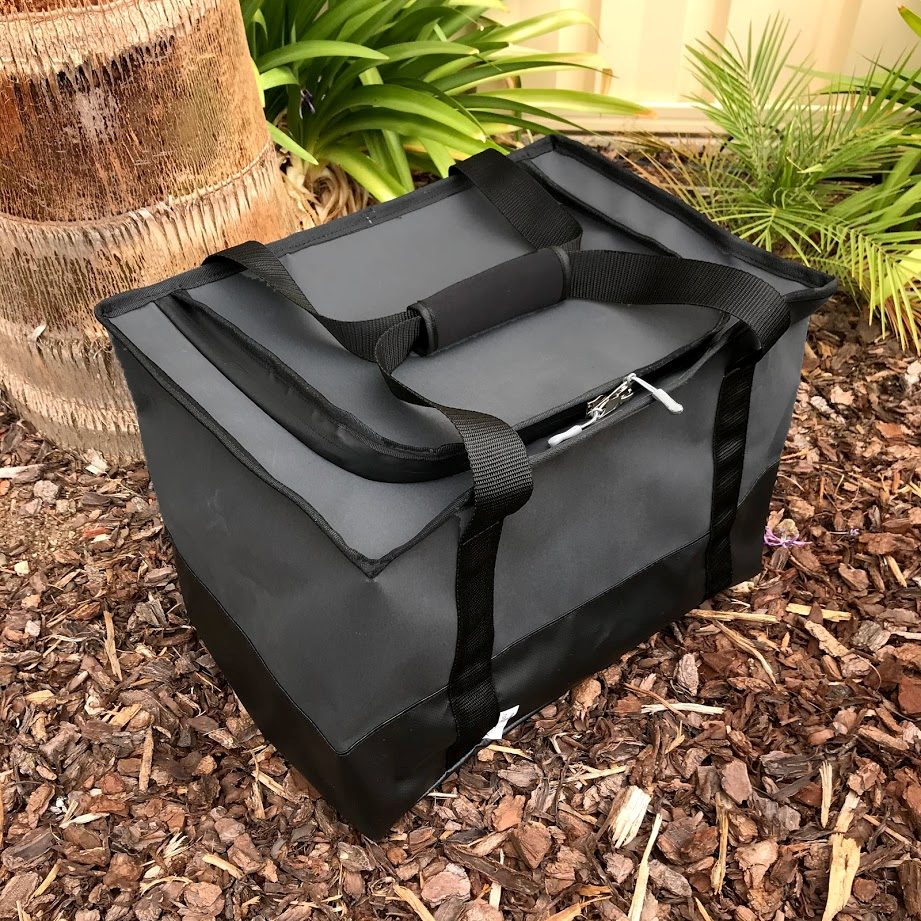
Connectivity is a genuine consideration, not an afterthought. Mobile coverage along the Matilda Highway is patchy at best outside of the major towns. If you are travelling with family, relying on a satellite communication device for emergencies is non-negotiable. For those who need to maintain any kind of remote work capability or simply want the peace of mind of a reliable internet connection at camp, Starlink is the standout solution for outback Queensland travel. A quality Starlink carry bag and a robust mount make the satellite dish easy to transport and set up at your campsite each evening.
The Matilda Highway — Key Stops and What to Expect
The Matilda Highway does not rush you. Neither should you. The towns along the route are genuinely worth spending time in — each one has its own character, its own history, and its own reason to slow down. Give yourself at least ten to fourteen days if you want to do the full route justice.
Most travellers start in the south and work their way north, taking advantage of cooler temperatures in the southern sections during the early part of the trip before the landscape opens into the Channel Country and Gulf country of northern Queensland.
Charleville: Gateway to the Outback
Charleville sits at the southern end of the Matilda Highway, roughly 750 kilometres west of Brisbane. It is a proper outback town — wide streets, a working main street, and the kind of sky at night that reminds you how much light pollution you normally live with. The COSMOS Centre here runs nightly astronomy sessions that are genuinely spectacular, making use of the near-total absence of artificial light for hundreds of kilometres in every direction.
The Historic House of Bottles is a quirky local attraction worth a stop, and the Cunnamulla Fella lookout nearby provides good views of the surrounding mulga country. Charleville is also the first real fuel stop for those coming from the south, so fill up here and note your next reliable service point before you head north.
Free camping is available at various spots in the surrounding region, and the Charleville Caravan Park offers powered and unpowered sites for those who prefer more comfort. Stock up on supplies here — the next full shopping stop north is Longreach, another 700 kilometres away.
Longreach: The Heart of the Outback
Longreach is the cultural and logistical heart of the Matilda Highway. It is home to two of the most significant attractions in outback Queensland: the Australian Stockman's Hall of Fame and the Qantas Founders Museum. Both are worth a full half-day each, and the Qantas museum in particular — with its collection of full-scale historic aircraft including a Lockheed Constellation and a Boeing 707 — is an impressive piece of Australian aviation history.
The Thomson River sunset cruises running out of Longreach are a highlight of the entire route. Watching the light fade over the Thomson from the water, with a drink in hand and the day's dust washed off, is one of those experiences that earns its reputation. Book ahead during peak season.
For camping, Longreach Tourist Park is a well-regarded base with good facilities and a central location. Free camping is also available at the Darr River rest area, roughly 90 kilometres west of Longreach — a quieter option for self-contained campers with a good setup. Mobile coverage in Longreach itself is reasonable, but once you head west or north, satellite connectivity becomes the only reliable option.
Winton: Dinosaurs and Drover Culture
Winton is an hour's drive north of Longreach and earns its place on any itinerary twice over. The Australian Age of Dinosaurs museum sits on a mesa overlooking the outback plains and houses one of the most significant collections of Australian dinosaur fossils in the country, including the bones of Australotitan cooperensis — the largest dinosaur ever found on Australian soil. Tours run daily and book out fast in peak season, so reserve your spot online before you leave home.
Nearby Lark Quarry Conservation Park preserves the only known dinosaur stampede trackways in the world — 3,300 individual footprints left by a mix of large carnivorous dinosaurs and smaller prey animals around 95 million years ago. The sealed road to Lark Quarry makes it accessible for most vehicles, though the approach road can deteriorate after rain.
Winton is also where Banjo Paterson wrote Waltzing Matilda in 1895, and the Waltzing Matilda Centre tells the story of the song and the region with genuine care. Camp at any of the local parks, resupply, and then push on north towards the Gulf or turn south towards Birdsville — your route, your choice.
Birdsville and Beyond — The Wild Frontier
If Longreach and Winton represent the accessible face of outback Queensland, Birdsville is where things get properly remote. A town of fewer than 200 permanent residents, Birdsville sits at the edge of the Simpson Desert and the start — or end — of the legendary Birdsville Track. Getting here requires commitment, but that is rather the point.
The famous Birdsville Races in September draw thousands of visitors each year in what is perhaps the most surreal social event in Australia — a proper race meeting with a grandstand and bookmakers, held in the middle of nowhere, attended by people who have driven days to get there. Outside of race week, Birdsville is quiet and genuine and worth every kilometre it takes to reach it.
The Birdsville Track
The Birdsville Track runs south from Birdsville 520 kilometres to Marree in South Australia. It is one of Australia's most iconic outback driving routes and entirely unsealed. The track passes through the Sturt Stony Desert and gibber plains, crossing the flood-prone Diamantina River system multiple times. In dry conditions it is manageable in a well-prepared 4WD; after rain it can be impassable for days.
Fuel and water are extremely limited on the track. Mungerannie Hotel is the only fuel stop between Birdsville and Marree, so plan your fuel load carefully. Carry a minimum of 200 litres of water for a party of two to four, and treat this as a non-negotiable. Satellite communication — a PLB at absolute minimum, ideally a two-way satellite messenger — is essential, not optional, on the Birdsville Track.
Travel the track from north to south if your itinerary allows — finishing in Marree gives you a relatively smooth run back to civilisation through the Flinders Ranges. Travellers who underestimate the Birdsville Track end up on the news. Travellers who prepare properly come home with the kind of stories that make everyone else envious.
Camping Along the Way
One of the great pleasures of an outback Queensland road trip is the quality of the free and low-cost camping available along the route. The Diamantina National Park offers bush camping amid some of the most dramatic Channel Country scenery in Queensland, with a network of 4WD tracks leading to secluded sites beside dried riverbeds and billabongs. In a good flood year, the park transforms into a carpet of wildflowers and birdlife that is genuinely extraordinary.
Idalia National Park, accessible via a rough 4WD track south-east of Longreach, is a less-visited gem with mulga woodland, rocky gorges, and a network of hiking and mountain biking trails. Camping here is basic and uncrowded. Self-contained campers with solar and water will feel right at home. Those with Starlink will appreciate having a connection to check weather forecasts and road conditions from a campsite that feels genuinely off the map.
Charlotte Plains station near Cunnamulla deserves a specific mention. This working cattle station offers camping beside natural hot artesian baths — geothermal water flowing freely into a bush setting. There is nothing quite like soaking in a natural hot spring under an outback sky after a long day's drive. The station also hosts the Stars of Charlotte Plains music event in late June, which is a fine reason to time your trip accordingly.
Staying Connected in Remote Queensland
Mobile coverage in outback Queensland follows a predictable pattern: reasonable in town, patchy on the outskirts, and gone entirely once you head into the real bush. Telstra offers the widest coverage footprint of any carrier and is the default choice for outback travel, but even their network has significant gaps throughout the Channel Country and along the Birdsville Track.
For genuine remote travel, satellite internet has become the practical solution that mobile networks have never been able to deliver in these regions. Starlink's low-earth orbit satellite network now provides usable internet speeds at campsites that were previously completely off-grid, which changes the equation considerably for both safety and convenience. Monitoring weather systems, checking road conditions after rain, and maintaining communication with family are all straightforward with a Starlink setup at camp.
A quality Starlink carry bag protects your dish during the inevitable corrugated-road rattling that characterises outback driving. A well-designed mount — whether a roof rack mount, a tripod, or a portable ground-based setup — means you can be online within minutes of making camp. For extended outback Queensland trips where you are spending consecutive nights in remote locations, this kind of connectivity is not a luxury, it is the thing that makes the trip genuinely sustainable.
Making the Most of Your Outback Queensland Adventure
The Matilda Highway rewards patience. The travellers who get the most out of it are the ones who are not trying to rush from attraction to attraction, but who have given themselves the time and preparation to actually slow down and absorb what they are driving through. Stop when the light is good. Camp beside the riverbeds. Wake up early when the temperature is manageable and the birdlife is at its most active. The outback gives back in proportion to the attention you bring to it.
Come prepared with the right vehicle, the right kit, and — critically — the right mindset. This is not a forgiving landscape, but it is a spectacular one. The red earth, the impossible skies, the silence that sits over the plains after sunset — these are things that stay with you long after you have washed the dust off and returned to the city.
Whether you are planning your first outback Queensland road trip or adding another leg to a growing list of remote Australian adventures, the Matilda Highway belongs on the itinerary. Check out the Outcamp range of Starlink accessories, caravan gear, and camping solutions before you head out — because out here, being properly equipped is the difference between an adventure and an ordeal.