Visiting Coral Bay, Western Australia: A Complete Guide for Campers, Caravanners and 4x4 Travellers
Coral Bay sits on the edge of one of the most extraordinary marine environments on the planet — the Ningaloo Reef — yet it remains one of Western Australia's most accessible coastal escapes. Unlike many remote reef destinations that demand serious expedition planning, Coral Bay is a compact, easy-to-reach township that rewards campers, caravanners, and 4x4 travellers with world-class snorkelling, brilliant fishing, and a relaxed pace of life that is genuinely hard to find anywhere else in Australia. Whether you are rolling in on a week-long holiday or making it a cornerstone of a longer lap around the country, Coral Bay earns its reputation every single time.
The drive up the North West Coastal Highway to Coral Bay is itself a journey worth savouring. As you leave the manicured south-west behind and push north through the arid Gascoyne, the landscape strips back to red earth, spinifex, and sky. Then, without much warning, the Indian Ocean appears — blue in a shade you will struggle to describe when you get home. Setting up camp here and watching the sun drop behind the water on your first evening has a way of making everything that came before it feel like the warm-up act.
Getting to Coral Bay: The Drive North
The journey to Coral Bay is one of the great Australian road trips, particularly for those behind the wheel of a four-wheel drive loaded up with camping and caravan gear. From Perth, you are looking at roughly a 1,100 kilometre drive north, which most travellers split across two days with a stop in Carnarvon or Exmouth. The highway is sealed and well maintained for the entire route, meaning the run into Coral Bay itself — including the turnoff at the tiny service stop at Minilya — is entirely manageable in any vehicle, not just a 4x4.
That said, arriving in a capable off-road rig opens options that tarmac travellers simply do not have. Once you are in the region, tracks to remote beach camps, headlands, and fishing spots become accessible, and the ability to carry extra water, fuel, and gear makes multi-night stays away from the township far more practical.
Fuel, Supplies, and Planning Ahead
Coral Bay township is small, and while it has a general store and a service station, you should not rely on finding everything you need on arrival. Carnarvon, roughly 240 kilometres south, is the last major resupply point with proper supermarkets, hardware stores, and auto parts. Fuel is available in Coral Bay but is priced accordingly — top up in Carnarvon or Exmouth to save a meaningful amount over a family trip or extended caravan holiday.
Water is the other consideration. The town has limited infrastructure, and if you are heading to any remote camp sites beyond the main caravan parks, carry more water than you think you need. A good rule for remote WA camping is to plan for at least 10 litres per person per day, and carry a buffer on top of that.
Stocking your camp kitchen in Carnarvon also makes sense — the IGA there is well stocked and prices are significantly more reasonable than anything you will find further north. If a camp BBQ on the beach is on the agenda, grab what you need before you leave.
Connectivity on the Road North
Mobile coverage thins out significantly once you push past Carnarvon. The stretch of highway between Carnarvon and Exmouth is notorious for its coverage gaps, and if you are travelling with a family or managing any kind of remote work situation, those gaps can feel long. Many travellers heading up this coast have turned to Starlink for reliable satellite internet connectivity on the road, either for navigation, emergency contact, or staying connected during a longer trip.
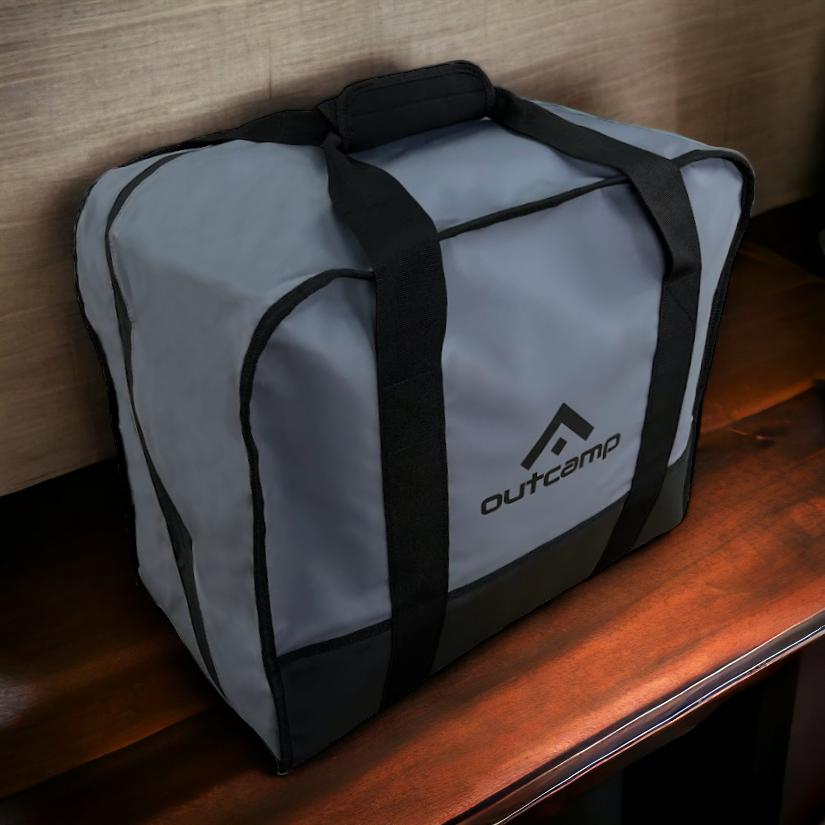
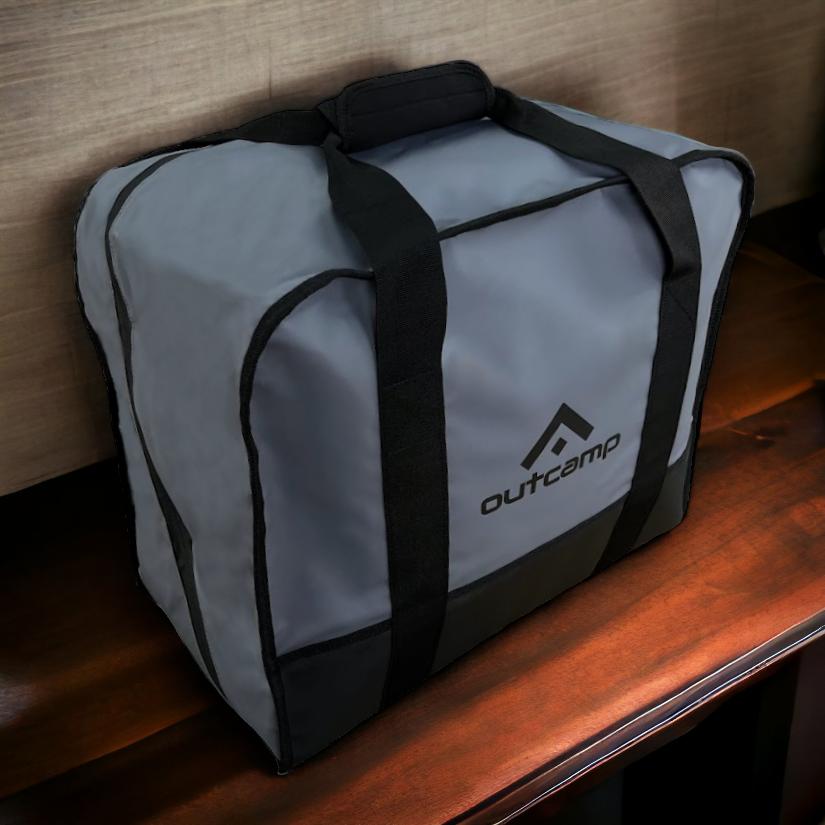
A good quality Starlink carry bag and a secure vehicle or caravan mount makes all the difference when you are covering this kind of distance day after day. Having your dish packed safely and ready to deploy quickly at camp removes the frustration from what should be a straightforward setup process.
For digital nomads or anyone who needs to work during a longer holiday, Starlink on the Ningaloo coast has become a genuine game-changer. The satellite coverage in remote WA is consistent in a way that mobile networks simply cannot match at this latitude, and the difference in usability is significant.
Road Conditions and Vehicle Preparation
The main highway to Coral Bay is sealed and suitable for any vehicle, but the moment you leave the bitumen — whether heading to a remote campsite, a fishing spot, or a beach track — conditions change quickly. Corrugated dirt roads, soft sand beach approaches, and rocky headland tracks all feature in the broader region, and a 4x4 with appropriate tyres and recovery gear is the sensible choice for anyone planning to explore beyond the township.
Tyre pressures are worth thinking about before you leave the highway. Airing down to around 20–22 PSI for beach driving improves traction significantly and reduces the risk of getting bogged in softer sand. Carry a portable compressor to air back up before returning to the highway.
A basic recovery kit — snatch strap, shackles, and a traction board — is worth having in the back of the vehicle even if you are an experienced driver. The remote nature of some spots along the Ningaloo coast means that help can be a long time coming if something goes wrong, and self-recovery capability is always preferable to waiting.
Where to Stay in Coral Bay
Coral Bay has a genuinely good mix of accommodation for different types of travellers. The caravan parks are the mainstay for campers and caravanners, and they are positioned within easy walking distance of the beach, which is the main event for most visitors. Powered and unpowered sites are both available, and booking ahead during peak school holiday periods is not optional — it is essential.
For those who prefer a more remote experience, there are several bush camping options within the broader region that offer a very different atmosphere to the township campground. These sites require self-sufficiency, particularly around water and power, but the reward is a level of solitude that the main sites simply cannot offer.
Peoples Park Caravan Village
Peoples Park Caravan Village is the largest and most established campground in Coral Bay, and it sits close enough to the water that the sound of the reef carries across on calm evenings. Sites range from basic tent pitches to full powered sites suitable for large caravans and fifth wheelers. Amenities are well maintained, and the proximity to the few local cafes and the general store makes this an easy base for families on holiday.
The campground fills fast during school holidays, and peak season here runs from around April through to October when the weather is reliable and the whale sharks and manta rays are in the area. If you are planning a trip around wildlife encounters, aim for late March through to July for the best whale shark season.
Online bookings are available and strongly recommended. Walk-up availability during peak season is limited, and the most desirable sites — those closest to the beach access points — go first. A site with a full-length awning space and easy vehicle access is worth specifying when you book, particularly if you are running a large van setup.
Remote and Free Camping in the Region
Beyond the township, the broader Ningaloo coast has a number of bush camping options administered by the Department of Biodiversity, Conservation and Attractions. Turquoise Bay, Osprey Bay, and a handful of other sites along the Cape Range National Park coast offer a step up in remoteness and a corresponding step up in natural beauty. These sites have basic facilities or none at all, and a four-wheel drive is often necessary to access the better spots.
Free camping is possible at some locations along the coast, though the most popular sites now require bookings through the Parks and Wildlife online system. Check current booking requirements before you head out — the system has changed in recent years and walk-up availability at popular sites is limited, particularly during the April to September peak.
Self-contained camping at these remote sites means thinking carefully about your waste management, water carry, and power situation. Solar panels and a quality battery setup are worth having if you plan more than a night or two away from powered sites. A Starlink dish on a portable tripod mount also pairs well with this style of camping — you get the remoteness without losing the ability to check in or stream content in the evenings.
Caravan Setup and Power Considerations
Coral Bay and the surrounding region sit well off the grid, and even powered caravan sites can push the limits of what a standard van setup can handle when running air conditioning in the shoulder season. Solar panels and battery setups are common among long-term travellers, and having a reliable power management system makes extended stays far more comfortable.
If you are using Starlink at camp, mounting options matter more than people expect. A quality caravan or RV Starlink mount that keeps the dish stable and elevated above roofline obstructions will deliver a noticeably better signal than simply placing the dish on the ground near the van. Outcamp's range of caravan and 4x4 mounts are designed specifically for this kind of use, and a number of WA travellers run them permanently installed for the whole season.
Power draw from a Starlink dish is modest enough that a mid-sized solar and battery setup handles it comfortably alongside other camp loads. Running the dish overnight for a download or an early morning video call is entirely practical on a well-specced van system, and the convenience of that connectivity in a remote location is genuinely hard to overstate.
What to Do in Coral Bay
The reef is the reason people come, and the reef is the reason they come back. Ningaloo stretches over 260 kilometres along the coast, and the unique feature of Coral Bay is how close the reef sits to shore — in many places you can walk in from the beach and be snorkelling over coral in under two minutes, without a boat. For a family camping holiday, that accessibility changes everything.
Beyond the water, Coral Bay has enough variety to keep a group occupied for a week or more without feeling like you are scraping the barrel. The fishing is excellent, the sunsets are reliable, and the pace of life encourages the kind of slow morning and late-afternoon rhythm that most Australians are badly overdue for.
Snorkelling and Diving the Ningaloo Reef
The snorkelling at Coral Bay is among the best shore-based snorkelling in Australia, full stop. The main beach — Bill's Bay — is calm, protected, and beautifully clear, making it suitable for children and less confident swimmers as well as experienced divers. Coral gardens run close to the shore along much of the bay, and turtles, reef sharks, rays, and an enormous variety of fish are routine sightings rather than rare events.
For those who want to go deeper, local dive operators run half-day and full-day trips to the outer reef, and the coral diversity and visibility out there can be extraordinary, particularly in the May to September window when water clarity peaks. Dive certification is useful but not required for the snorkel tours, which cater to all experience levels.
Bringing your own quality snorkel gear is worthwhile if you plan to spend significant time in the water. Hire gear is available locally, but a well-fitting mask and fins that you are comfortable in make a material difference to the experience, particularly over multiple days of snorkelling across different sections of the bay.
Fishing Around Coral Bay
The fishing around Coral Bay and the broader Ningaloo coast is genuinely world class. Spanish mackerel, coral trout, emperors, and a range of other reef species are accessible to boats of all sizes, and beach fishing along the more remote sections of coast can produce surprises. The area is well known among serious fishos, and it is not uncommon to see dedicated fishing rigs — roof rack loaded with rods, rear bar carrying a full-sized tinnie — making the run up the coast specifically for a week on the water.
Bag limits and size restrictions apply across the region, and some species within the Ningaloo Marine Park are entirely protected. Check the current WA recreational fishing rules before you head out, and be aware that the rules vary depending on whether you are inside or outside the marine park boundaries.
Shore-based fishing at dawn and dusk around the headlands and channel edges produces good results for those without a boat. A simple surf rod setup with fresh bait is all you need to get started, and the combination of a remote beach camp, a fire, and a fresh fish on the BBQ at sunset is one of the signature experiences of a Coral Bay trip done right.
Whale Shark Encounters
Swimming with whale sharks is the bucket-list activity that Coral Bay and the nearby Exmouth are famous for. Whale sharks visit the Ningaloo coast between March and July each year, drawn by the mass coral spawning events that create an enormous food resource in the water. Tour operators run half-day trips that combine spotter plane searches with swim-with experiences, and the quality of those encounters on a good day is difficult to overstate.
Bookings are strongly advised, particularly in peak season. The whale shark season coincides with school holidays and the most popular camping period, and tours do sell out. Budget around $400 per adult for a full tour package, and consider that weather cancellations do occur — flexible travel plans make a significant difference here.
Beyond whale sharks, manta ray snorkel tours operate from Coral Bay across a longer season and are generally slightly less expensive and easier to book. The manta rays at Ningaloo are used to snorkellers and will often approach closely, making for encounters that can match or exceed the whale shark experience for many visitors.
Practical Tips for Your Coral Bay Trip
Getting the logistics right before you leave makes a significant difference to how a Coral Bay trip feels when you arrive. The remoteness that makes the destination so appealing also means that gaps in preparation are harder to paper over than they would be closer to a major city.
A few well-thought-out decisions — around timing, packing, and connectivity — will let you focus on actually enjoying the place rather than troubleshooting problems that could have been avoided before you hit the highway.
Timing Your Visit
The shoulder season — April to June and late August to October — offers the best balance of weather, wildlife, and crowd levels. July and August are peak season, with school holidays driving the campgrounds to capacity and tour bookings filling weeks in advance. November through February brings heat and humidity that can make camping uncomfortable, and the wet season can occasionally bring cyclonic activity to the region.
The best of Coral Bay tends to belong to those who can travel outside school holidays. If you have flexibility, a late April or early May trip sits neatly inside the whale shark window, catches the tail end of manta ray season, offers comfortable camping temperatures, and avoids the full peak-season press.
Water temperature at Coral Bay sits between around 21 and 27 degrees Celsius depending on the season. A 3mm wetsuit is comfortable for extended snorkelling sessions in the cooler months and is worth packing even if you are visiting in warmer conditions — long sessions in the water will chill you regardless of air temperature.
Packing for Remote WA Camping
Coral Bay rewards travellers who pack well and penalises those who do not. The essentials for a trip this far north include a good-quality camp kitchen setup, a reliable BBQ for evening meals, comprehensive first aid, UV protection, and enough redundancy in your water supply to handle an unplanned extra night. A quality tarp or shade structure is worth its weight — the afternoon sun at this latitude is relentless.
For caravanners and 4x4 travellers adding Starlink to their setup, having your equipment properly protected during the long highway drive north pays dividends. A dedicated Starlink carry bag — one that fits your specific dish model and has room for cabling — keeps your equipment ready to deploy quickly at camp and protects it during the kilometres of rough corrugated road that appear once you move off the main highway.
Insect protection is worth thinking about, particularly at dawn and dusk near the water. Sandflies can be persistent at some beach campsites, and a good repellent plus appropriate clothing at the right times of day makes a significant difference to comfort. This is one of those things that sounds minor until you are dealing with it at 5am on your first morning.
Staying Connected at Coral Bay
Telstra has coverage in the Coral Bay township, and the caravan parks generally have reasonable signal for basic phone use. Outside the township, however, mobile coverage is patchy to non-existent across large sections of the Ningaloo coast. For travellers who need consistent connectivity — whether for work, emergency communication, or simply keeping the kids occupied on a rest day — satellite internet via Starlink has become a practical solution for this part of WA.
Outcamp's Starlink mounting and carrying solutions are designed for exactly this kind of environment: dusty drives, exposed camp sites, and the need to set up and pack down quickly. Whether you are running a mount on a roof rack, the side of a caravan, or a portable tripod setup on the ground, getting the dish positioned correctly and securely is the difference between a reliable connection and a frustrating one.
Emergency communication is also worth planning before you leave. While Starlink provides internet connectivity, a personal locator beacon (PLB) or satellite communicator like a Garmin inReach is still the appropriate tool for genuine emergencies in remote areas. Carry both, and make sure someone at home has your rough itinerary and expected check-in schedule.
Conclusion
Coral Bay is one of those places that lives up to the journey it takes to get there. The reef, the fish, the clear Indian Ocean water, the unhurried pace of life in a town that has deliberately stayed small — all of it adds up to a destination that rewards the effort required to reach it. Whether you are on your first lap of the country in a new caravan or a seasoned four-wheel drive traveller ticking off another WA highlight, Coral Bay has a way of resetting the clock in a way that few other places can manage.
Plan the drive carefully, book your campsite early, pack for self-sufficiency, and take the time to actually slow down once you arrive. The reef will be there every morning, and there is very little that cannot wait.
For those heading into remote WA where connectivity matters, Outcamp has a full range of Starlink accessories including carry bags, vehicle and caravan mounts, and cable management solutions designed for the demands of Australian outback and coastal travel. Browse the range at outcamp.com.au before you head north.