


You've decided you want Starlink. Good call — for most of regional and remote Australia, it's a genuine game-changer. But now you're staring at two options on the Starlink site: the small, square Starlink Mini or the larger, rectangular Starlink Standard (Gen 3). Same satellite network, very different jobs.
This guide cuts through the marketing and tells you which one actually suits the way you live, work and travel.
TL;DR — The Quick Answer
- Get the Standard Gen 3 if your dish will live in one spot — a rural home, a farm, a granny flat, a remote workshop, a permanent off-grid setup. It's faster, more tolerant of partial obstructions, and runs on mains power without thinking.
- Get the Mini if you want internet that moves with you — touring caravans, 4WD camps, dual-cab utes, boats, weekenders, work sites that change. It's smaller, lighter, runs on USB-C PD, and can be packed in a soft case.
- Get both if you have a permanent rural address AND tour. The Standard handles home; the Mini comes in the truck.
Size and Portability
The Mini is genuinely small — about the footprint of an A4 sheet of paper, only a few centimetres thick, and the router is built into the dish itself. There's no separate box to find a spot for. You can throw it on the dash, slide it under a swag, or magnet-mount it to a roof rack and forget it.
The Standard Gen 3 dish is significantly larger — roughly the size of a small chopping board — and comes with a separate Wi-Fi 6 router. It folds with a kickstand for easier transport, but it's not really designed to be packed up daily. Think "set and forget" rather than "take it touring".
Power Draw — This One Matters Off-Grid
If you're connecting to a 12V battery system, the Mini wins, hands down.
| Dish | Typical draw | Power input |
|---|---|---|
| Starlink Mini | ~20–40 W active, ~15 W idle | USB-C PD (needs a proper PD source rated up to ~100 W) |
| Starlink Standard Gen 3 | ~50–75 W typical, can spike higher | Mains AC via supplied power brick (240 V at home, inverter off-grid) |
For a 4WD or caravan running 100 Ah of lithium, the Mini is comfortable for days. The Standard is doable, but you'll burn through your battery much faster and probably need an inverter — extra weight, extra heat, extra failure point.
You can browse purpose-built USB-C PD adapters and 12V wiring kits in our Starlink Mini Power Cables collection.
Speed and Tolerance
Both dishes use the same satellite network, but the Standard Gen 3 has a larger antenna array and Wi-Fi 6 router. In real-world testing, it's usually 20–30% faster than the Mini and noticeably more tolerant of partial sky obstructions like trees and roof eaves. If you live somewhere with a fringe of bush around the house, that matters.
The Mini still hits very respectable speeds — easily enough for video calls, streaming a movie, file syncs and remote work — but it has a narrower field of view and a smaller margin when the sky isn't perfectly clear.
In-Motion Use
The Mini is the only Starlink dish realistically designed for travelling-while-using. Magnet-mount it to the roof of a 4WD or caravan, add the in-motion plan tier, and you've got internet on the move. The Standard Gen 3 is technically capable of in-motion too with the right plan, but its size, power draw and need for an inverter makes it impractical for most weekend tourers.
If you're picturing yourself watching the footy at a remote bush camp, or running a Zoom call from the back of the ute on a job site, you want the Mini.
Plans — A Quick Note
The Mini and the Standard each have their own plan options (Residential, Roam, Mini Roam and various data tiers). Plans change regularly, so always check Starlink's current Australian plan page before you commit. We cover the plans in detail in our separate Starlink Plans in Australia explainer.
Which One Fits You?
Get the Standard Gen 3 if you…
- Live on a rural property and want it as your main internet
- Have mains power (or a beefy inverter and battery bank)
- Want the fastest possible speeds for streaming, gaming or working from home
- Have multiple devices and people online at once
Get the Mini if you…
- Tour with a caravan, camper, 4WD or boat
- Run off a 12V battery system and care about every watt
- Need internet at changing job sites — fencing, drilling, building, mining contracting
- Want a backup that can also come on weekends away
The Bottom Line
Don't overthink it. The Standard Gen 3 is a brilliant fixed dish for rural Australia. The Mini is a brilliant portable dish for touring Australia. Most of our customers who buy a Mini are doing it for the freedom — the ability to sit at any campsite, anywhere, and be online in under five minutes.
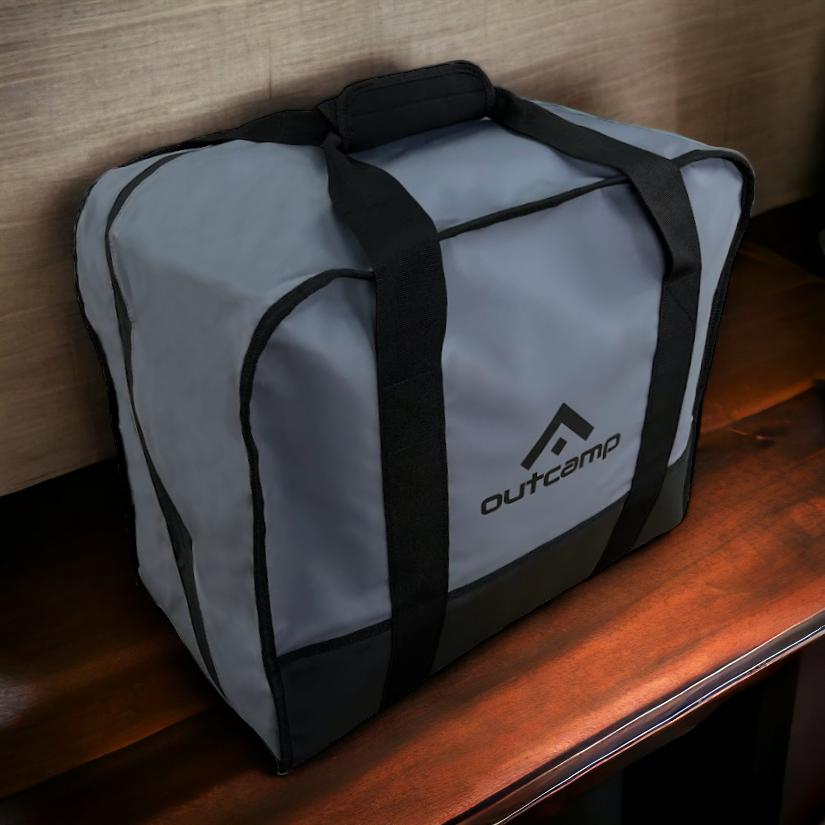
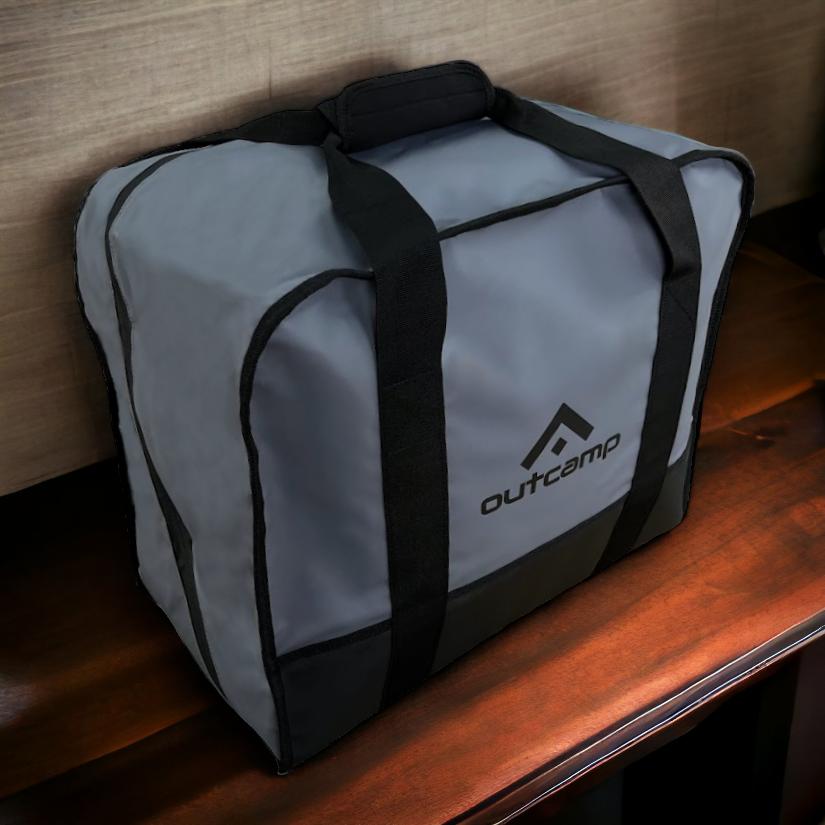
If you've gone with the Mini, our Starlink Mini Accessories collection covers the mounts, power cables, cases and brackets that make it bulletproof for Aussie conditions. Stay safe out there.




Leave a comment (all fields required)