


One of the most confusing things about getting started with Starlink in Australia is the plan menu. Residential, Roam, Mini Roam, in-motion add-ons, data caps, pause options… it's a lot. And the names overlap with the hardware — making it easy to assume "Starlink Mini" must mean "Mini Roam" plan. It doesn't, necessarily.
This guide breaks down the plans in plain English so you can pick the right one the first time.
Quick Note Before We Start
Starlink updates plan names, prices and inclusions regularly. The structure below is accurate at the time of writing, but always cross-check the current AU plans at starlink.com/au/service-plans before you sign up. We'll cover what each plan does rather than the exact dollar figure that month.
The Three Plan Families
For Australian customers, Starlink plans broadly fall into three buckets:
- Residential — fixed address, home internet replacement
- Roam — portable, anywhere in the country (or world)
- Mini Roam — a cheaper data-capped Roam variant for the Starlink Mini
Each one suits a different lifestyle. Let's break them down.
Residential — For Homes and Farms
This is the original Starlink plan and the one most people think of when they say "I want Starlink at the house". Designed for fixed installation at a single registered address.
| Best for | Rural homes, granny flats, farm offices, remote workshops |
|---|---|
| Data | Unlimited (priority data tiers may apply during congestion) |
| Portability | None — tied to the registered service address |
| In-motion | Not allowed |
| Pause | Not standard (you can cancel and restart) |
| Hardware | Standard Gen 3 (or Mini if you want) |
Get this if: the dish lives in one spot and you want fast, unlimited internet for the household.
Roam — For Tourers and Travellers
Roam is the plan that made Starlink the go-to for caravanners, 4WDers, grey nomads and anyone whose campsite changes each week. It works anywhere in Australia (and a lot of the world), and you can pause it monthly if you're not on the road.
Roam comes in two main tiers in Australia:
| Tier | Data | Best for |
|---|---|---|
| Roam 50 GB | 50 GB/month deprioritised | Light users, occasional weekends, backup connectivity |
| Roam Unlimited | Unlimited deprioritised | Full-time tourers, working from the road, streaming |
Key Roam features
- Use it anywhere in Australia — no fixed address required
- Pause monthly — turn it off when you're back in town with NBN
- In-motion add-on available — extra cost, lets you use it while driving or sailing
- Deprioritised data — slower than Residential during congestion, but you'll rarely notice in regional Australia
Pausing — The Killer Feature
The pause-anytime feature is what makes Roam such good value for occasional users. Heading off for a 4-week trip to the Kimberley? Subscribe for a month, then pause. Going on another trip in three months? Unpause. You only pay for the months you're actually using it.
Mini Roam — Cheaper for the Mini
Mini Roam (also sometimes referred to as the Mini-specific plan tier) is a more affordable Roam-style plan designed for the Starlink Mini. It typically includes a smaller monthly data allowance — often around 50 GB — at a lower monthly rate than Roam Unlimited.
Best for: weekenders, occasional tourers, tradies who only need internet on remote job sites a few days a week, anyone who doesn't need to stream Netflix in 4K every night.
Watch out for: if you blow through the data allowance, you can usually purchase top-up data — but it adds up. If you're a heavy user, Roam Unlimited often works out cheaper in the long run.
The In-Motion Add-On
By default, Starlink Roam works when you're stationary — set up at a campsite, parked at a remote job site, anchored at a quiet bay. To use it while moving (driving down a dirt road, sailing across a bay), you need to add the in-motion add-on to your Roam plan.
This is an extra monthly fee on top of your base Roam plan. Without it, the dish will either drop out or refuse to connect when it detects movement.
Worth it if: you genuinely use the internet from a moving vehicle (touring families streaming for the kids in the back, work crews on the road, sailors crossing open water). Skip it if: you only use Starlink at camp.
Which Plan Should You Pick?
Pick Residential if you…
- Want Starlink as your house internet at a fixed rural address
- Have multiple devices and people online
- Want unlimited data with priority during congestion
Pick Roam Unlimited if you…
- Tour full-time or for months at a time
- Stream a lot, work from the road, or have a family using it
- Want the ability to pause when you're back home with other internet
Pick Roam 50 GB or Mini Roam if you…
- Use Starlink only on weekends or short trips
- Mostly do messaging, mapping, weather and a bit of video — not heavy streaming
- Want the lowest monthly price for occasional connectivity
Things People Get Wrong
- "Residential lets me take it on holidays." No, it doesn't. The dish is bound to the service address. Use Roam if you'll travel.
- "Roam is only for camping." Plenty of remote rural homes happily use Roam Unlimited as their main internet, with the option to pause if they're away for months. Often more flexible than Residential.
- "In-motion is built in." It isn't. Always an add-on.
- "50 GB is heaps of data." Two evenings of HD streaming and you're done. If you'll stream regularly, go Unlimited.
The Bottom Line
For most Aussie buyers, the decision tree is simple:
- Fixed home → Residential
- Tour a lot, want flexibility → Roam Unlimited
- Weekenders only → Mini Roam / Roam 50 GB
And remember — you can change plans through the Starlink app whenever you like. Start with the cheapest one that fits your trip, then upgrade if you find you're using more.
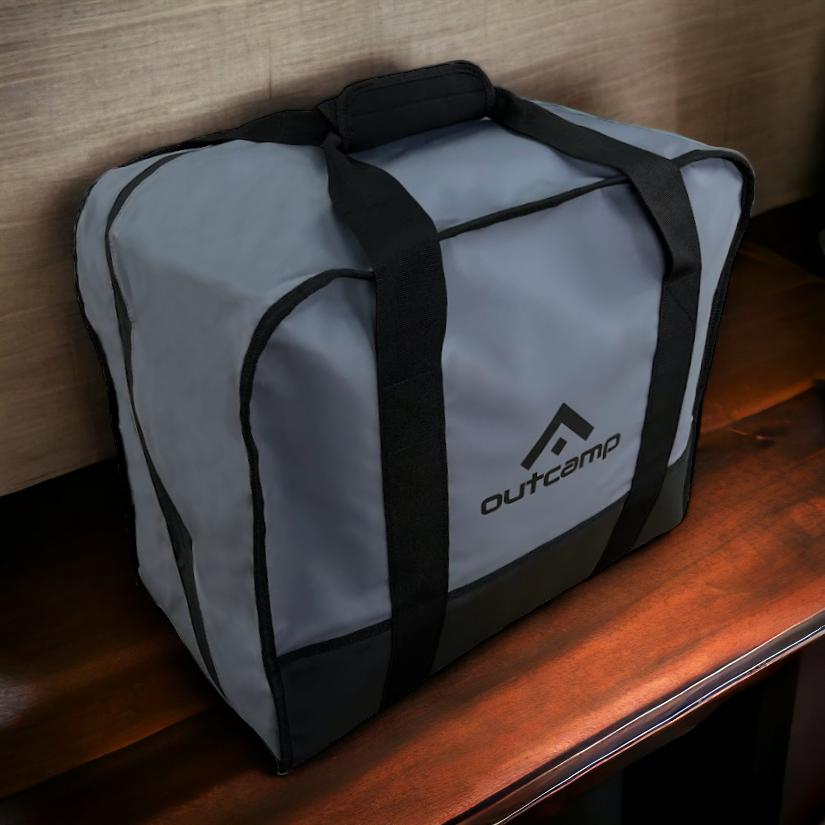
To kit out your Starlink Mini for any trip, browse our Starlink Mini Accessories collection — mounts, cases, cables, brackets, all built for Aussie touring.




Gwenda Anderson
September 21, 2026
Who do you purchase the starlink and plan from please?