


Caravan Awnings and Annexes: The Complete Australian Guide for 2026
Your caravan awning is the single most-used piece of equipment on long-term Australian touring. It is your shade on a forty-degree day at Rainbow Beach, your rain cover during a Top End downpour, your outdoor kitchen in the Flinders Ranges, and your living room whenever the van itself is too hot, too cold, or simply too small for the family. Getting the right awning and annexe setup is what turns a van from a box on wheels into a comfortable long-stay base.
The 2026 awning market has matured. Electric roll-out awnings have become more reliable, lightweight poly-cotton annexes have edged out heavy canvas for many tourers, and the move to modular add-a-room walls means you can build out only what you need for the trip at hand. This guide walks through the main awning styles, how annexes and walls attach to them, the accessories that make a real difference, and what to look for when you are upgrading an existing van or fitting out a new one.
Caravan Awning Styles: Rollout, Wind-Out, and Slide-Out
Three main awning styles dominate the Australian caravan market, and each has a different use case. Understanding the differences before you commit to an annexe setup is important, because the annexe kit is built around the awning's rail system, pole spacing, and roof profile. Getting this wrong means buying an annexe twice.
Most factory-fitted caravans come with a wind-out or electric rollout awning from Dometic, Thule, or Carefree of Colorado. Older vans and pop-tops still use the canvas bag-style awning that clips into a rail and is supported by spreader bars and poles. Each of these has implications for how you live under them, and for how easy it is to add walls, a floor, or a full annexe when you want more enclosed space.
Electric Rollout Awnings
Electric rollout awnings have become the default on new caravans from around 2018 onwards. Brands like Dometic, Thule Omnistor and Carefree Eclipse dominate the market, offering awnings with 12V motors that deploy in under thirty seconds at the push of a button. The convenience is hard to overstate, especially when you are setting up late at a dusty outback park and the last thing you want to do is wind a handle for five minutes.
The trade-off is complexity. Electric awnings have motors, control boards, and pinch-detection sensors that can fail, and a stuck motor on a deployed awning in rising wind is a genuinely stressful situation. Wind sensors on premium units will retract the awning automatically if gusts exceed a threshold, which is a feature worth paying for in coastal and outback touring where afternoon winds can pick up fast.
Quality matters on the fabric too. Vinyl-coated polyester is the standard and is fine for most touring, but the better units use acrylic canvas that breathes, dries faster after rain, and holds colour longer in UV. Australia is brutal on fabric, and a premium fabric will easily outlast two or three budget awnings.
Manual Wind-Out Awnings
Wind-out awnings are still fitted to many mid-range vans and have the clear advantage of simplicity. No motor, no electronics, no control board. A handle and a worm drive deploy the awning in a minute, and the mechanism is almost indestructible. For long-term remote touring where reliability trumps convenience, a good manual awning is arguably the smarter choice.
The Dometic 9100, Carefree Fiesta and Aussie Traveller Australian-made units all fall into this category. They support the same annexe attachments as their electric siblings, so you are not compromising on the living setup. You are just accepting a minute of winding in exchange for one less thing to go wrong.
If you are building a full-time touring setup and plan to be off the grid for weeks at a time, a manual awning deserves serious consideration. The ability to deploy the awning without 12V power is also valuable if your battery system ever fails or you are camping without a connection.
Canvas Slide-Out and Bag Awnings
Older vans, pop-tops and camper trailers often have a bag-style canvas awning that slides into a C-channel on the van roof and is supported by separate spreader bars and ropes. These are the most labour-intensive to set up, but they are also the most robust in high wind and the easiest to repair in the field. A tear in the fabric can be patched with a sail-maker's needle and thread. A failed electric motor cannot.
Bag awnings are the only option for the smallest camper trailers and many pop-top vans, and they are still the preferred choice for some committed long-term tourers. They are cheap to replace, simple to dry and repack, and they handle windy desert camps better than any rollout awning ever will.
Annexes: Walls, Floors and Full-Enclosure Living Spaces
An annexe is the enclosed space under your awning, formed by attaching walls to the awning rafters and the van's side wall. Annexes turn your awning from a shade patch into a proper outdoor room, giving you a place to put the kids to bed, set up a camp kitchen out of the wind, or store muddy boots and wet towels away from the main van.
The market has moved decisively towards modular systems. Instead of a single full annexe, you now buy front walls, side walls, privacy walls and sun walls separately. Zip them together on-site to match the weather and the pitch. This flexibility has made annexes dramatically more useful for short-stay caravanners who previously couldn't justify the setup time of a full canvas annexe.
Full Annexe Kits vs Modular Walls
A full annexe kit includes a front wall, both side walls, a floor and optionally a draft skirt for the van. It is the setup of choice for long-stay travellers, grey nomads who park up for weeks at a time, and anyone who wants maximum enclosed space. The downside is setup time: thirty to forty-five minutes the first time, fifteen to twenty once you've done it a few times.
Modular wall kits suit the way most caravanners actually use their vans. You buy a sun wall for shade, a privacy wall for the shower end, and perhaps a front wall for the occasions when you want a proper room. Each wall zips into the awning's track and pegs out to the ground. Ten minutes of setup gets you the protection you actually need for tonight's weather.
Most manufacturers now offer both options using the same rail system. Coast Distributors, Supa-Peg and Aussie Traveller all make modular walls that fit Dometic, Carefree and Thule awnings. Check the rail profile of your awning before you buy — the three major systems are not cross-compatible, and a wall made for one rail won't fit another.
Annexe Flooring
A good annexe floor makes the difference between a usable space and a dust-covered disappointment. The standard choice is a breathable woven mat such as the CGear Multimat, which allows dirt and water to pass through without letting grass or stones come back up. These are light, easy to hose off, and pack down small.
For longer stays, a vinyl floor gives you a cleaner, more home-like space. It is heavier, less forgiving of uneven ground, and harder to clean than a woven mat, but it keeps your annexe cleaner and makes the space feel like a proper room rather than a glorified tarp. Serious long-term tourers often carry both and use whichever suits the stay length.
Pegs are where most annexes fail. Standard galvanised pegs are fine for grass and soft sand, but in hard outback ground you need a full set of screw-in or impact pegs to hold the walls against a 40-knot southerly. Budget for a proper peg bag and a steel mallet as part of any annexe purchase. The small investment pays off the first time a storm rolls through.
Accessories That Make Real Differences
An awning and annexe on their own are fine, but the accessories are where the comfort and practicality really come together. A handful of well-chosen add-ons will save hours of setup pain and turn a barely-usable awning into a proper outdoor living area. Here are the upgrades that matter most in Australian conditions.
These accessories also determine how your awning handles the weather extremes Australia throws at you. A standard awning might be fine in a gentle breeze, but it needs supporting gear to handle a gusty afternoon on the coast or a late-season thunderstorm in the high country.
Tie-Downs, Anti-Flap Kits and Storm Straps
An awning without tie-downs is a kite waiting to happen. Anti-flap kits attach to the awning's roller tube and run tension lines to the ground, stopping the fabric from billowing and slapping in wind. A pair of quality anti-flap kits from Aussie Traveller or Supa-Peg will transform how stable your awning feels in anything above light breeze.
Storm straps are the next step up. These strap over the top of the awning fabric and peg down on the opposite side of the van, holding the whole roller assembly against uplift. They are standard kit for any caravan touring in coastal or exposed inland areas, and they are cheap insurance against a bent awning arm or a torn fabric.
The ultimate weather-proofing is a set of proper storm poles and a wind-rated awning deployment strategy. In serious weather, retract the awning. No accessory is stronger than a rolled-up awning, and a damaged awning can ruin the rest of the trip.
Lighting, Heating and Living Upgrades
Under-awning LED strip lighting is one of the best cheap upgrades you can make. A 12V LED strip with a dimmer, clipped into the awning arm, gives you proper usable light across the whole annexe. Combined with a couple of portable LED lanterns for task lighting, you have a well-lit outdoor living area for the cost of a cheap dinner.
For winter and shoulder-season touring, a portable gas or diesel heater transforms the annexe into a usable evening space. A small flueless gas heater is fine for outdoor use in an annexe, but diesel heaters have become the go-to for serious tourers because of their fuel efficiency, clean combustion and quiet operation. Just ensure adequate ventilation in any enclosed space.
Outdoor kitchen setups also work best under an awning. A fold-out BBQ, a camp kitchen cabinet, and a 12V fridge on a slide make the awning a fully functional outdoor kitchen that frees up the cramped inside of the van. For most caravanners, this is how the van actually gets used: sleeping inside, living outside.
Matching the Awning Setup to Your Travel Style
The right awning and annexe setup depends entirely on how you travel. A weekend caravanner who parks in powered sites for two nights has very different needs to a grey nomad who parks up in Karumba for six weeks every winter. Match the setup to the use case and you save money, weight, and setup time.
Think about the distribution of your trips: how many nights are short stays, how many are long stays, and what kind of weather you typically encounter. The answer points clearly to one of three common setups.
Weekend and Short-Stay Caravanners
For short stays and weekend trips, a quality electric rollout awning with a sun wall and a single privacy wall covers 90% of needs. Setup takes five minutes, the awning gives you shade on the sunny side of the van, and the privacy wall screens the shower end from the neighbours. No full annexe needed.
Add an anti-flap kit and a set of storm straps for breezy afternoons, a CGear mat for the floor, and an LED strip light for the evenings. Total setup cost sits around $1,500 to $2,500 on top of the factory awning. This is the sweet spot for the majority of recreational caravanners.
Long-Term and Full-Time Tourers
Full-time tourers and long-stay caravanners benefit from a complete annexe setup. A full canvas annexe with a vinyl floor gives you a proper second room, usable as an office, a kids' bedroom, or a weather-proof living area. The extra setup time is irrelevant when you are staying three weeks in one place.
For these travellers, budget around $3,000 to $5,500 for a complete annexe kit including walls, floor, pegs, lighting and tie-downs. It is a significant investment, but it is the difference between living in a cramped van and having a proper home-away-from-home that handles weather and stretches comfortably across months of travel.
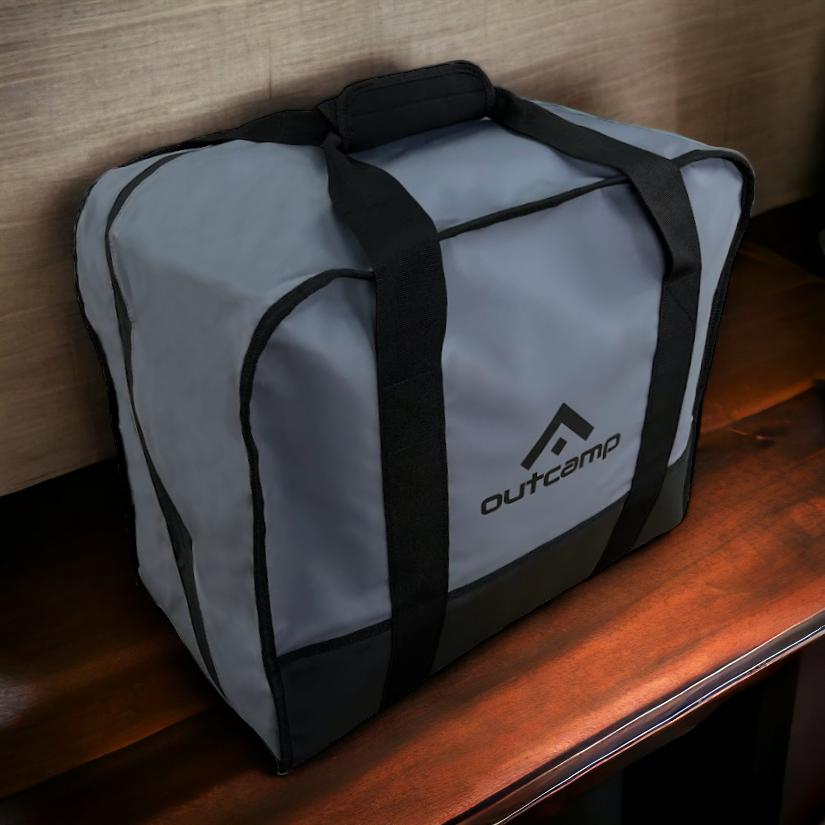
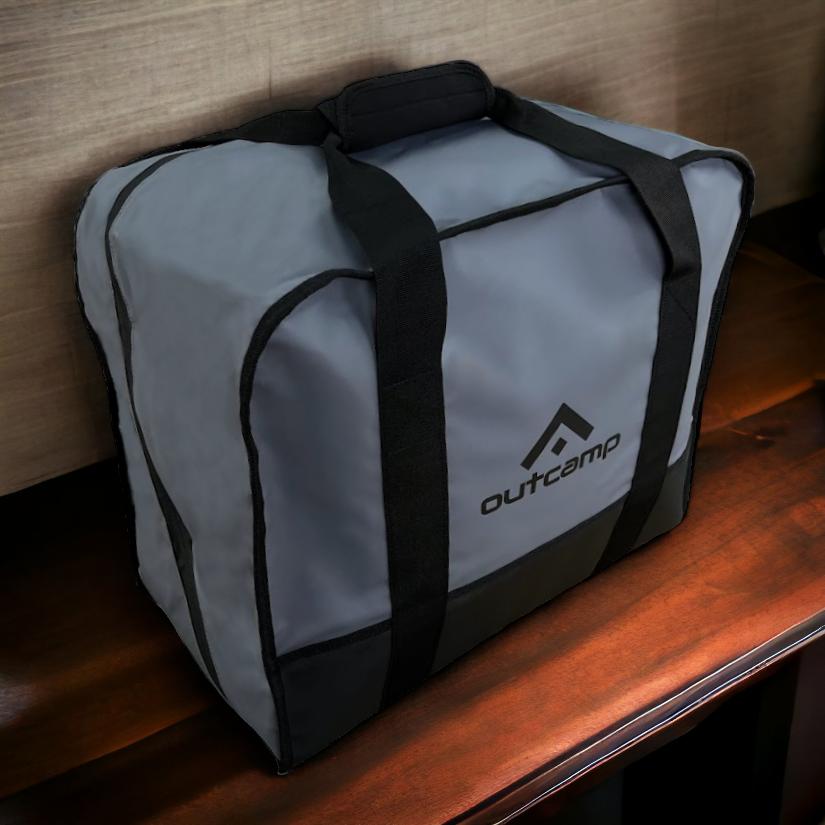
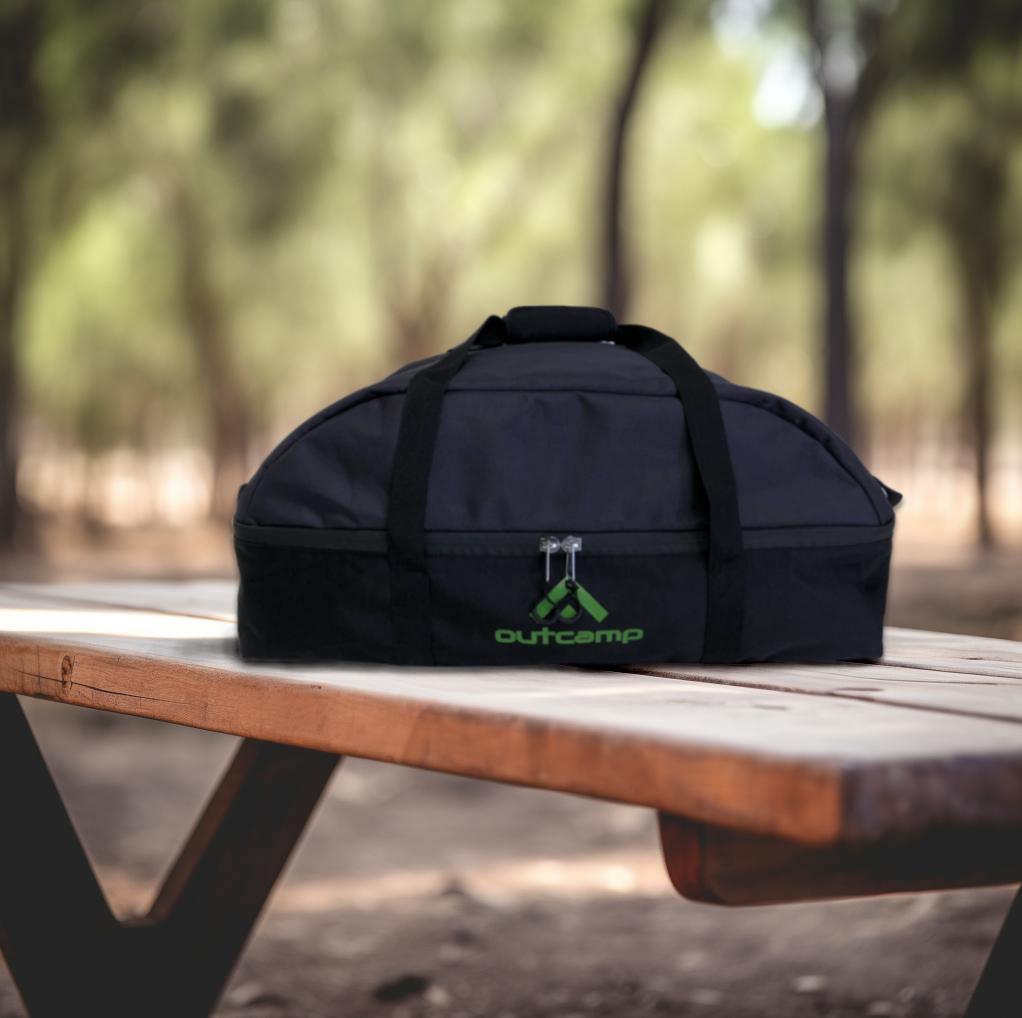
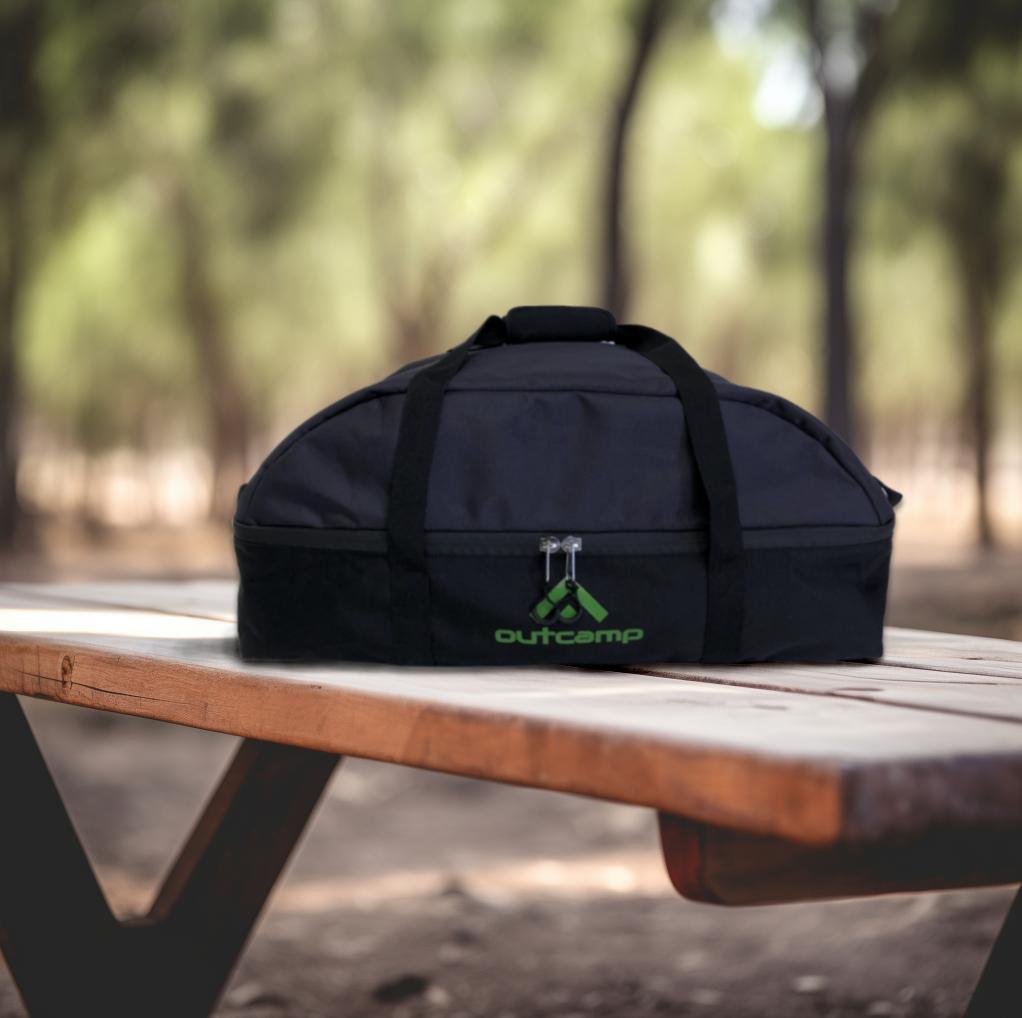
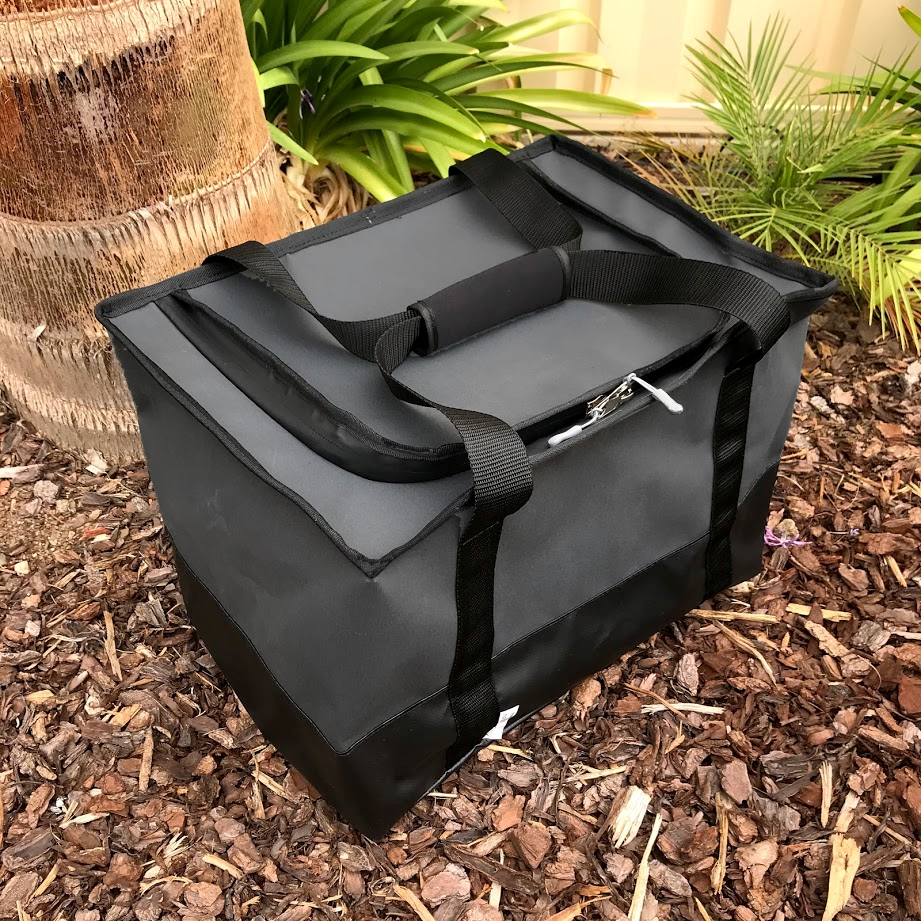
At Outcamp we stock Starlink mounts, carry bags and cables designed to integrate cleanly with caravan awnings and annexe setups, so you can keep connectivity tidy and out of the living area. Combined with a well-thought-out awning and annexe, your van becomes a genuinely comfortable base for the long haul, whether you are working remotely from the Kimberley or settling in for winter on the Gulf. The awning is the first accessory that turns a caravan into a home, and the right setup will make every trip more enjoyable.




Leave a comment (all fields required)