


Starlink Mini for Commercial Fishing and Aquaculture: Reliable Connectivity on Australian Waters
Australia’s commercial fishing and aquaculture industries operate in some of the most isolated marine environments on earth. From prawn trawlers working the Gulf of Carpentaria to abalone divers along Tasmania’s rugged coastline and salmon farms scattered across Macquarie Harbour, these operations have historically relied on patchy satellite phone connections and expensive VSAT systems to stay in touch with shore. That era is ending. Starlink Mini is changing how Australian maritime operators communicate, manage their businesses, and keep their crews safe — and the compact form factor makes it particularly well suited to the confined spaces of working vessels and remote aquaculture platforms.
The challenges of maritime connectivity are unique. Salt spray, constant motion, limited power budgets, and the sheer distance from cellular towers mean that most land-based internet solutions simply do not translate to life on the water. Commercial fishers need real-time weather data, catch reporting systems, electronic logbook submissions, and communication with buyers and cooperatives. Aquaculture operators need to monitor water quality sensors, feeding systems, and stock health from platforms that may be kilometres from the nearest town. Starlink Mini, paired with the right mounting and power accessories, addresses these needs at a fraction of the cost of traditional marine satellite systems.
Why Commercial Fishing Operations Need Better Connectivity
The Australian commercial fishing industry contributes over $3 billion annually to the national economy, with thousands of vessels operating across federal and state-managed fisheries. These operations range from small owner-operator boats running day trips to large industrial trawlers spending weeks offshore. Regardless of scale, every commercial fishing operation depends on timely information — weather forecasts, market prices, quota management, and regulatory compliance all require reliable data connections.
Until recently, the options for offshore internet were limited and expensive. Traditional maritime VSAT systems can cost tens of thousands of dollars to install and hundreds per month in airtime fees, putting them out of reach for most small to mid-sized operators. Iridium and Inmarsat satellite phones provide basic voice and low-bandwidth data, but they are painfully slow for anything beyond text-based communication. Starlink Mini changes this equation dramatically, offering broadband-speed internet in a lightweight, affordable package that fits the operational reality of working fishing vessels.
Real-Time Weather and Sea State Monitoring
Weather is the single most critical variable in commercial fishing. A sudden change in sea conditions can turn a productive trip into a dangerous situation in minutes, and the Bureau of Meteorology’s marine forecasts are only as useful as your ability to access them. With Starlink Mini providing continuous broadband connectivity, skippers can monitor real-time radar imagery, wave height models, and wind forecasts throughout their trip rather than relying on the last update they downloaded before leaving port.
This goes beyond basic safety. Experienced fishers use detailed weather pattern analysis to predict where fish will congregate — water temperature gradients, current shifts, and pressure changes all influence species behaviour. With a reliable internet connection, skippers can access oceanographic data from CSIRO and IMOS (Integrated Marine Observing System) that was previously only available to research vessels. The competitive advantage of having this data at your fingertips while your competitors are working off eight-hour-old forecasts is significant.
Mounting Starlink Mini on a fishing vessel requires some thought about placement and protection. The Starlink Mini Marine Rail Mount (25-32mm) is purpose-built for this application, clamping securely to standard marine railing and providing a stable, elevated mounting point that keeps the dish clear of spray and rigging. For vessels with a wheelhouse roof or radar arch, the Starlink Mini Flat Mount provides a low-profile, permanently fixed installation that stays out of the way of working deck operations.
Electronic Catch Reporting and Compliance
Australian fisheries are among the most heavily regulated in the world, and for good reason — sustainable management depends on accurate, timely data. Most state and federal fisheries now require electronic catch and effort reporting, with many mandating submission within 24 hours of a fishing event. For vessels operating multi-day trips in areas with no mobile coverage, meeting these requirements has historically meant either carrying dedicated satellite communication equipment or waiting until returning to port, risking non-compliance penalties.
Starlink Mini eliminates this problem entirely. With broadband internet available throughout the trip, skippers can submit electronic logbook entries, VMS (Vessel Monitoring System) position reports, and catch disposal records in real time. This not only ensures compliance but also feeds more accurate data into fisheries management models, ultimately benefiting the entire industry through better stock assessments and more responsive quota management.
The compliance benefits extend to workplace health and safety requirements as well. Maritime safety regulations require vessels to maintain communication capabilities, and many insurance policies mandate specific communication equipment. Having Starlink Mini as a primary or backup communication system strengthens a vessel’s safety profile and can positively influence insurance premiums for operators who can demonstrate enhanced connectivity capabilities.
Market Access and Price Optimisation
In commercial fishing, the difference between a profitable trip and a marginal one often comes down to timing and market knowledge. Fish prices fluctuate daily based on supply, demand, and quality, and the fishers who get the best returns are those who can communicate directly with buyers, cooperatives, and market agents while still at sea. With Starlink Mini, a prawn trawler skipper in the Gulf can check Sydney Fish Market prices, negotiate directly with restaurants, and even arrange logistics for their catch before they have docked.
This connectivity also enables more sophisticated supply chain management. Fishers can coordinate with transport companies, cold storage facilities, and processing plants in real time, reducing the lag between harvest and market that degrades both quality and price. For premium species like Southern Rock Lobster or Bluefin Tuna, where freshness commands significant price premiums, the ability to arrange same-day air freight from a remote port while still steaming home can add thousands of dollars to the value of a single trip.
Powering Starlink Mini on a fishing vessel is straightforward with the right setup. Most commercial vessels run 12V or 24V DC electrical systems, making the Starlink Mini 12V to 24V Power Supply (Anderson Plug) or the Starlink Mini Car Power Adapter (12V/24V to 20V DC) a natural fit. For vessels that want a clean, permanent installation, the Starlink Mini Hardwire Power Cable (3.0M) can be run directly from the vessel’s switchboard, keeping the wheelhouse tidy and the connection reliable. The Starlink Mini DC Power Cable with Anderson SB50 & 10A Fuse adds an extra layer of electrical protection — important in the corrosive marine environment where electrical faults need to be isolated quickly.
Aquaculture Operations: Monitoring and Managing Remote Marine Farms
Australia’s aquaculture industry has grown rapidly over the past two decades, with operations now spanning everything from Atlantic Salmon farms in Tasmania to Barramundi operations in North Queensland and pearl farms in Western Australia’s Kimberley region. These operations share a common challenge: they are located in remote marine environments where reliable internet connectivity has traditionally been difficult and expensive to maintain.
Aquaculture is an increasingly technology-driven industry. Modern farms rely on networks of sensors monitoring water temperature, dissolved oxygen, salinity, pH levels, and current flow. Automated feeding systems dispense precise quantities of feed at optimal times, and underwater cameras allow operators to observe stock behaviour and health without physical inspection. All of these systems generate data that needs to be transmitted, analysed, and acted upon — and all of them benefit enormously from the reliable broadband connectivity that Starlink Mini provides.
Remote Sensor Networks and Environmental Monitoring
Water quality is everything in aquaculture. A sudden drop in dissolved oxygen, an algal bloom, or an unexpected temperature shift can devastate stock worth millions of dollars if not detected and responded to quickly. Modern aquaculture operations deploy extensive sensor networks that continuously monitor environmental conditions, but these sensors are only valuable if their data reaches the people who can act on it.
With Starlink Mini installed on a farm’s central platform or barge, sensor data can be streamed continuously to onshore management systems and cloud-based analytics platforms. This enables real-time alerting — if dissolved oxygen drops below a critical threshold at 2 AM, the farm manager gets an immediate notification on their phone rather than discovering the problem during the morning inspection. For salmon farms in Tasmania, where water temperature management is critical to fish health and growth rates, this kind of continuous monitoring can mean the difference between a successful harvest and a catastrophic loss event.
The environmental monitoring applications extend beyond the farm itself. Aquaculture operations are required to monitor their environmental impact, including water quality downstream of their operations, seabed conditions, and interactions with marine wildlife. Starlink Mini connectivity allows this monitoring data to be transmitted to regulators and environmental agencies in real time, demonstrating compliance and building the social licence that the industry depends on for continued growth.
Automated Feeding Systems and Operational Efficiency
Feed is the single largest operational cost in most aquaculture operations, typically accounting for 40-60% of total production costs. Modern automated feeding systems use cameras, sensors, and algorithms to optimise feeding rates, reducing waste while ensuring optimal growth. These systems work best when they can communicate with centralised management platforms, allowing operators to monitor and adjust feeding parameters remotely rather than requiring staff to be physically present on every platform.
Starlink Mini makes this remote management practical for even the most isolated farm sites. A farm manager sitting in their office in Hobart can monitor live camera feeds from feeding stations in Macquarie Harbour, adjust feeding schedules based on real-time appetite data, and receive alerts if a feeder malfunctions — all over a Starlink connection that costs a fraction of what traditional marine satellite services would charge for the same bandwidth.
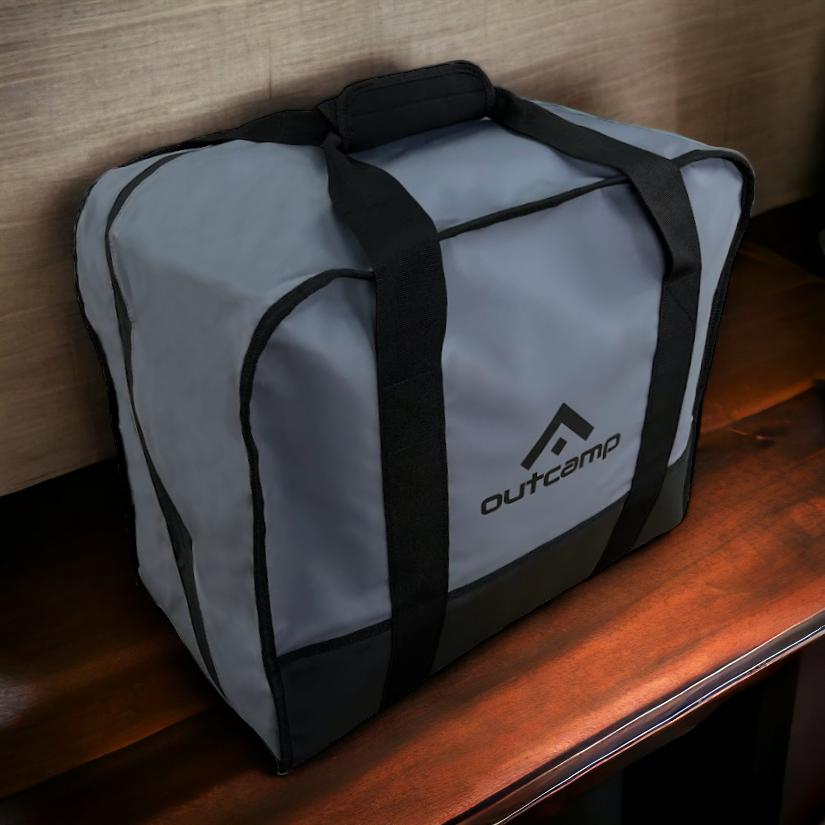
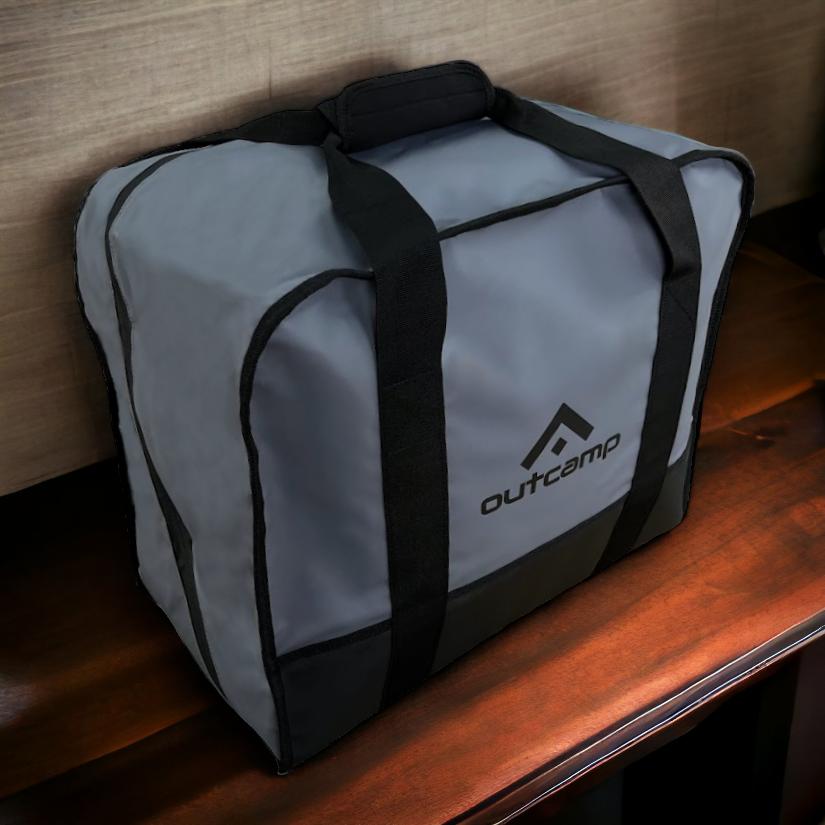
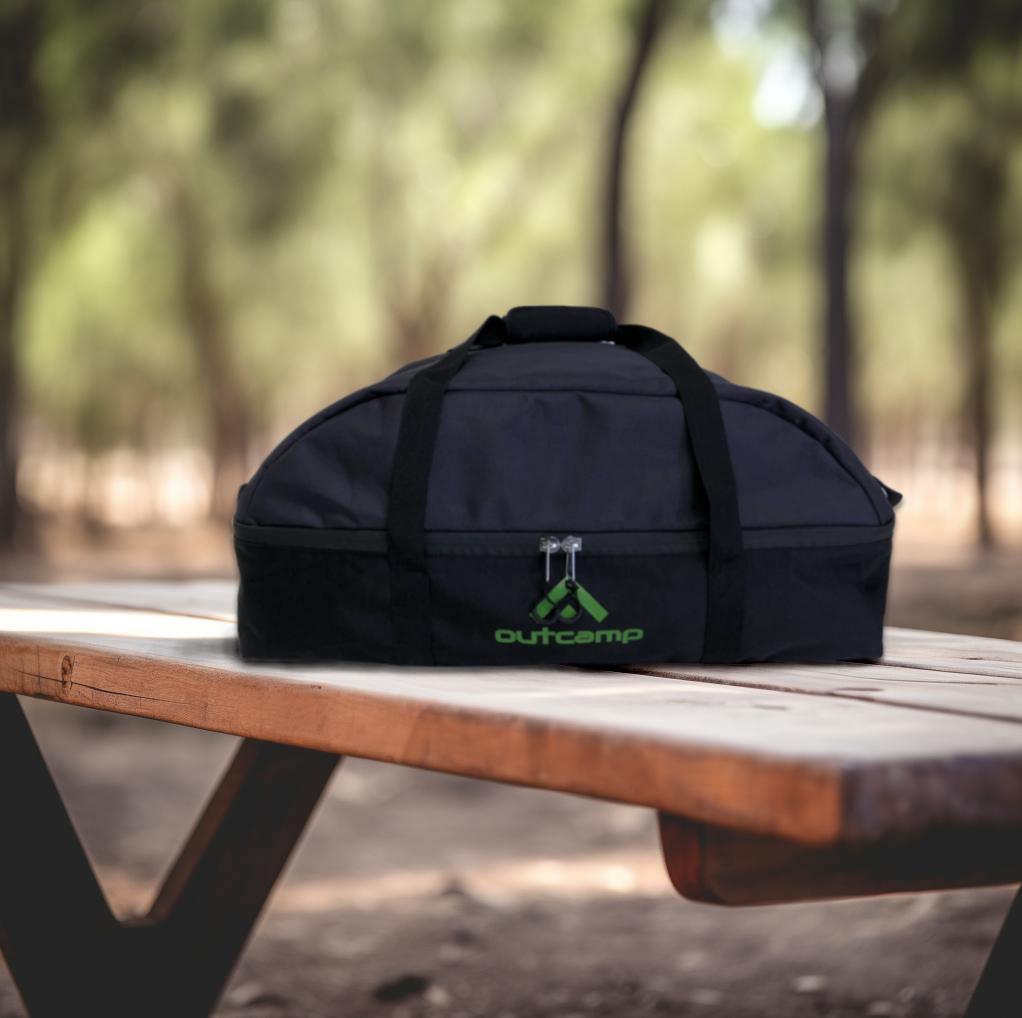
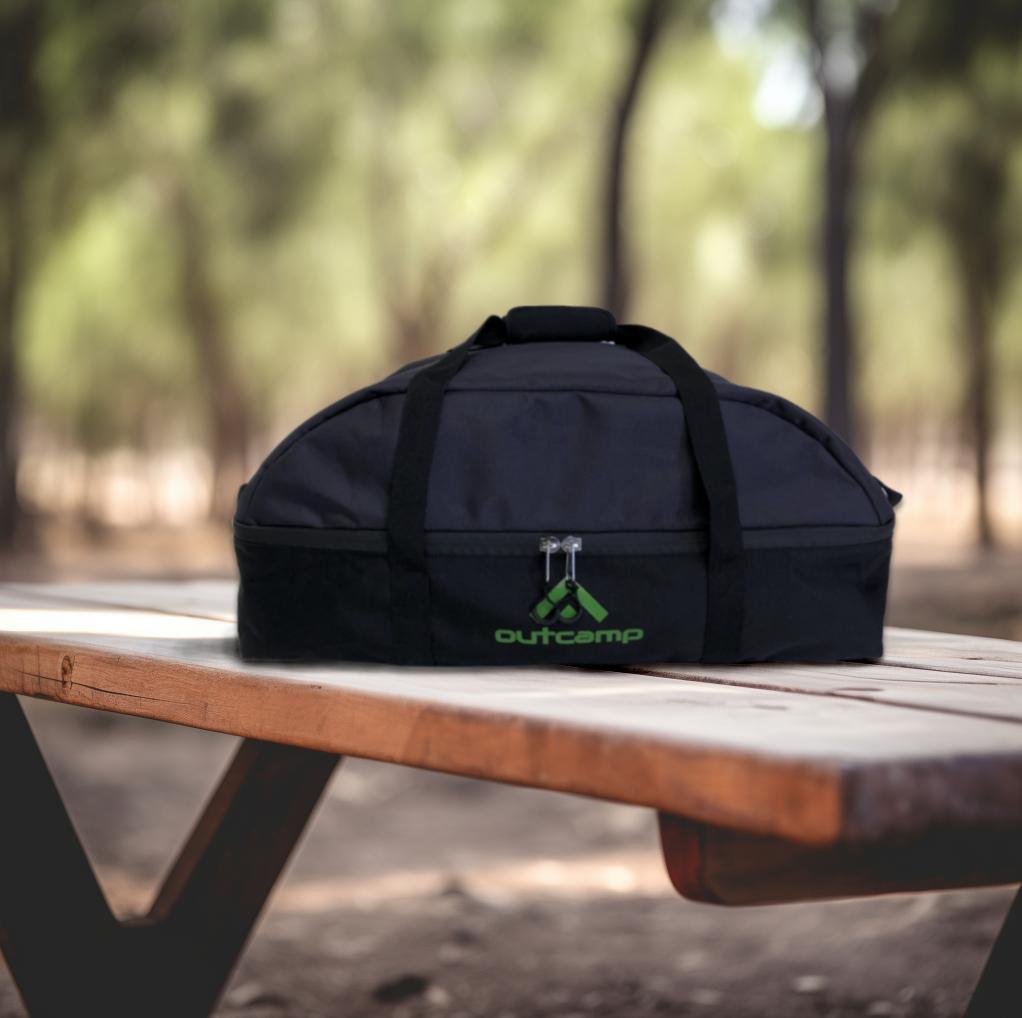
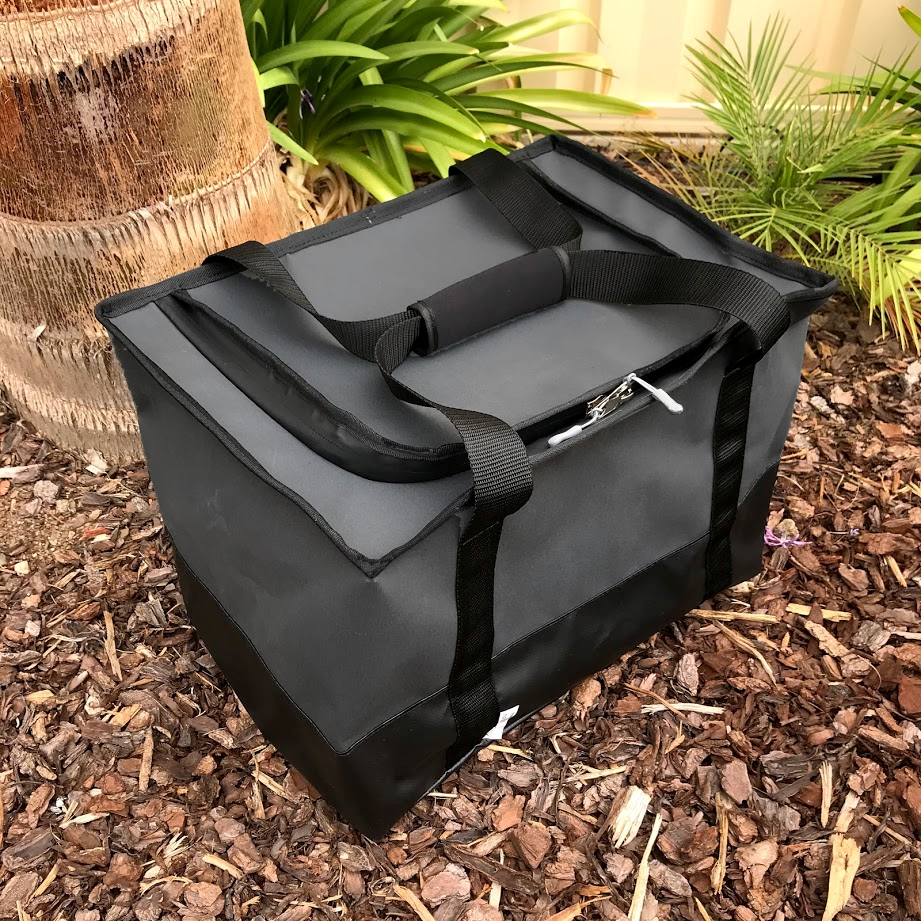
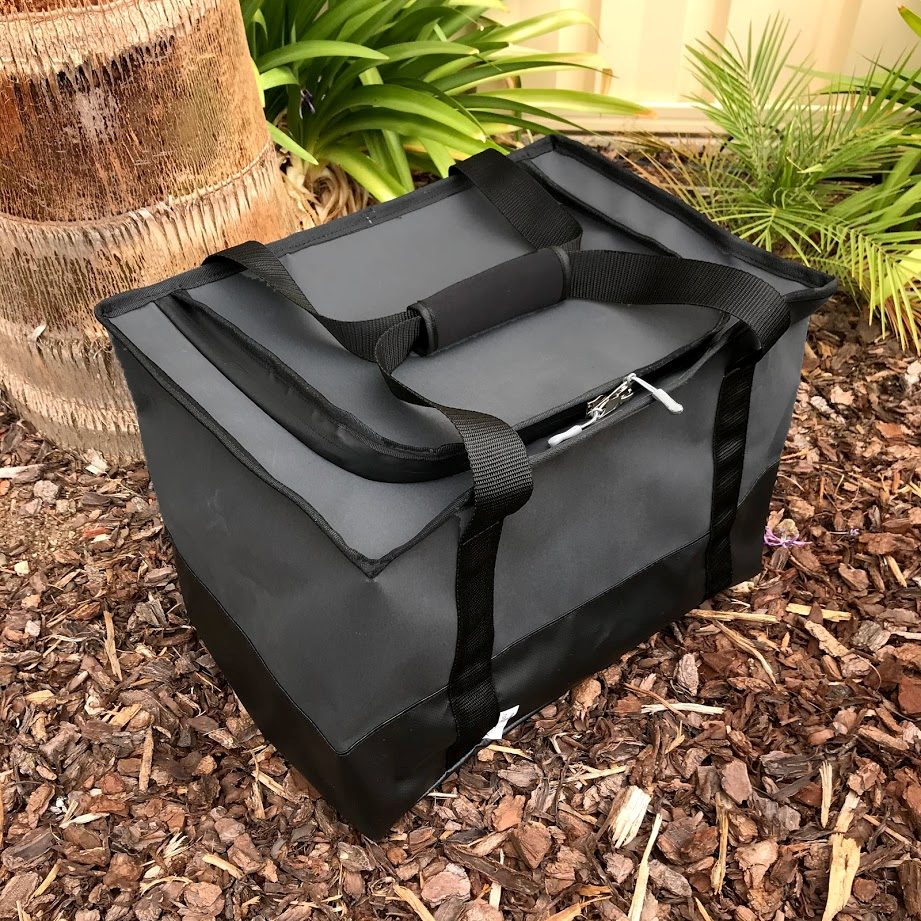
For operations with multiple farm sites spread across a region, the portability of Starlink Mini is a significant advantage. The compact dish can be moved between platforms as needed, or multiple units can be deployed across sites for continuous coverage. The Starlink Mini Carry Bag protects the dish during transport between sites by tender vessel, while the Starlink Mini Silicone Cover provides ongoing protection against salt spray and UV exposure when the dish is deployed on an exposed platform. For permanent installations on feed barges or accommodation platforms, the Starlink Mini Marine Rail Mount (25-32mm) provides a secure, corrosion-resistant mounting solution.
Crew Welfare and Staff Retention on Remote Platforms
Recruiting and retaining skilled staff is one of the aquaculture industry’s most persistent challenges. Farm workers on remote marine platforms often spend days or weeks away from their families, living in basic accommodation on floating barges with limited entertainment and communication options. In a tight labour market, the quality of life offered to workers can be the deciding factor in whether they accept a position or move to a competitor.
Installing Starlink Mini on accommodation barges and work platforms transforms crew welfare overnight. Workers can video call their families, stream entertainment during downtime, and stay connected to their social lives in a way that was simply not possible with previous satellite systems. This might seem like a soft benefit, but operators who have made the investment consistently report improved staff retention, reduced absenteeism, and better morale on site. In an industry where training a skilled farm technician takes months and turnover is costly, the return on a Starlink Mini installation pays for itself rapidly.
The mental health benefits of connectivity in isolated workplaces are well documented. Remote maritime workers experience higher rates of anxiety and depression than their onshore counterparts, and social isolation is a significant contributing factor. Providing reliable internet access is not just a perk — it is increasingly recognised as a duty of care obligation for employers operating in remote marine environments.
Setting Up Starlink Mini for Marine Environments
While Starlink Mini is a remarkably capable piece of technology, the marine environment presents specific challenges that need to be addressed with the right accessories and installation approach. Salt spray, vibration, limited power, and the need to maintain clear sky visibility on a vessel cluttered with rigging and equipment all require careful planning.
The good news is that Outcamp’s range of Starlink Mini accessories has been designed with exactly these conditions in mind. From purpose-built marine mounts to weatherproof power solutions and protective covers, setting up a robust marine Starlink installation is straightforward when you have the right gear.
Mounting Solutions for Vessels and Platforms
The key to reliable Starlink performance on the water is a stable, elevated mounting position with clear sky visibility. On fishing vessels, the Starlink Mini Marine Rail Mount (25-32mm) is the go-to solution, clamping to existing radar arches, antenna masts, or safety railings without requiring any drilling or permanent modification to the vessel. This is particularly important for leased vessels or those that need to pass maritime survey without questions about non-standard modifications.
For vessels with flat mounting surfaces on the wheelhouse roof or hardtop, the Starlink Mini Flat Mount provides a permanent, low-profile installation. The Starlink Mini Stainless Steel Magnetic Mount is another excellent option for steel-hulled vessels, offering tool-free installation and repositioning — useful on vessels where the optimal mounting position may change depending on the direction of travel or the configuration of deck equipment.
On aquaculture platforms and barges, the Starlink Mini Tripod Mount offers a stable, freestanding solution that can be positioned on any flat surface and relocated as needed. For more permanent installations, the Starlink Mini Clamp on Universal Mount can be attached to structural beams, handrails, or frame members on almost any marine platform. The Starlink Mini Dish Protector Shield is worth considering for any marine installation, providing an additional layer of protection against salt spray and debris without obstructing the dish’s sky view.
Power and Cable Management at Sea
Marine electrical systems present unique challenges. Most vessels operate on 12V or 24V DC, salt air accelerates corrosion on exposed connections, and any electrical installation on a commercial vessel needs to meet marine safety standards. Choosing the right power solution and cable routing is critical for a reliable, long-lasting Starlink installation.
For vessels with Anderson plug systems already installed (common on well-equipped fishing boats), the Starlink Mini Anderson Plug to DC Power Cable (5.0M) provides a simple plug-and-play connection. The 5-metre cable length is usually sufficient to run from a power distribution panel in the engine room or wheelhouse to a roof-mounted dish. For vessels running 12V systems, the Starlink Mini 12V to 24V Power Supply (Anderson Plug) handles the voltage conversion cleanly. The Starlink Mini 12V to 30V Power Supply (Anderson Plug) offers additional headroom for systems where voltage may fluctuate under load.
Cable management in the marine environment deserves extra attention. The Waterproof DC Wall Socket Passthrough is essential for any installation where cables need to pass through a bulkhead or cabin wall — it maintains the watertight integrity of the vessel while providing a clean, professional cable entry point. For the network side, the Gen 3/Mini SPX to RJ45 Waterproof Ethernet Adapter Kit and Gen 3/Mini Waterproof Connector Ethernet Cables ensure that even the data connections are protected against moisture ingress, which is critical in an environment where salt water and electronics are in constant proximity.
Protection Against the Marine Environment
Salt is the enemy of all electronics at sea, and while Starlink Mini has a reasonable IP rating for general weather exposure, the marine environment is considerably more demanding than conditions on land. Persistent salt spray, combined with UV exposure and the vibration of a working vessel, means that some additional protection is a worthwhile investment.
The Starlink Mini Clear Protective Cover shields the dish from direct salt spray while allowing full signal transmission — think of it as a radome for your Starlink. For operations where the dish may be stowed between uses or transported by tender between sites, the Starlink Mini Hard Protective Travel Case provides robust impact protection during transit. The Starlink Mini Travel Backpack (USB Charging Port & TSA Lock) is popular with aquaculture technicians who need to carry the dish to and from remote farm sites, keeping the unit protected alongside other field equipment.
Regular maintenance is important for any marine electronic installation. Rinsing the dish with fresh water after exposure to salt spray, checking cable connections for corrosion, and inspecting mounts for loosening due to vibration should be part of the regular maintenance routine. With proper care and the right protective accessories, a Starlink Mini installation will provide reliable service season after season in even the most challenging marine conditions.
The Bottom Line for Australian Maritime Operators
Reliable internet connectivity is no longer a luxury for commercial fishing and aquaculture operations — it is a fundamental operational requirement. From real-time weather monitoring and electronic compliance reporting to automated farm management and crew welfare, the applications that depend on broadband connectivity are now central to how these industries operate. Starlink Mini delivers this connectivity at a price point and in a form factor that makes it accessible to operations of every scale, from single-vessel owner-operators to multi-site aquaculture companies.
The key to a successful marine Starlink installation is matching the right accessories to your specific operational environment. Whether you need a marine rail mount for a trawler, a weatherproof power solution for a 24V vessel system, or a protective carry case for moving the dish between aquaculture platforms, Outcamp’s range of Starlink Mini accessories has been designed for exactly these applications. Browse the full range at outcamp.com.au to find the mounting, power, and protection solutions that will keep your operation connected on Australian waters.
As satellite internet technology continues to improve — with higher speeds, lower latency, and broader coverage — the gap between onshore and offshore connectivity will continue to narrow. For maritime operators who invest in the right setup now, the benefits are immediate: safer operations, better compliance, stronger market access, and happier crews. That is not a bad return on a piece of equipment that fits in a backpack.








Leave a comment (all fields required)