Yorke Peninsula Camping: The Complete 4WD and Caravan Guide for South Australia's Best Kept Secret
Pull up a map of South Australia and look for the triangular thumb of land that juts into the Southern Ocean south-west of Adelaide — that's the Yorke Peninsula, and it's one of the most rewarding coastal road trips this country has to offer. With more than 700 kilometres of coastline, a national park perched dramatically at its southern tip, pink salt lakes, a heritage copper mining trail, and some of the best beach fishing in the state, the Yorke Peninsula punches well above its weight for campers, caravanners, and 4x4 drivers.
Despite being just two to three hours from Adelaide's CBD, the peninsula still feels genuinely remote once you leave the main towns behind. The fishing villages are quiet, the campgrounds are rarely crowded outside of school holidays, and the roads — while mostly sealed — give way to some seriously fun off-road tracks the closer you get to Dhilba Guuranda-Innes National Park. Whether you're heading down for a long weekend or planning a week-long loop, this guide covers everything you need to know about Yorke Peninsula camping, the best 4WD tracks, and how to set up your camp for a proper South Australian adventure.
Getting to the Yorke Peninsula for a Caravan or 4WD Road Trip
The Yorke Peninsula sits about two hours south of Adelaide via the Copper Coast Highway, making it one of the most accessible remote-feeling destinations in South Australia. The route through Moonta and Kadina is well suited to caravans and camper trailers — the roads are wide, the grades are gentle, and fuel is available at every major town along the way. For 4x4 drivers, the direct route via Hahndorf and Macclesfield adds a little character if you're not towing.
Most of the peninsula's main roads are bitumen and fine for two-wheel-drive vehicles. As you head south toward Innes National Park, the sealed roads tighten up and the landscape shifts from farmland to coastal scrub. The park itself can be accessed by 2WD for the main campgrounds, but if you want to reach the best cliff-top tracks, beach access points, and more isolated fishing spots, a capable 4x4 is the right tool for the job.
Adelaide to Innes National Park
The most direct route from Adelaide to Dhilba Guuranda-Innes National Park is via Maitland and Minlaton, a drive of around three hours and 20 minutes. This route runs straight down the spine of the peninsula through open farming country before dropping into the coastal scrub of the national park. It's an easy tow even for larger rigs, and the sealed road continues all the way to Stenhouse Bay.
An alternative is to take the west coast road through Ardrossan and Yorketown, which adds a little distance but gives you a chance to take in the pink salt lakes around Yorketown and stop for a break at Marion Bay. If you're in no rush and want to take in more of what the peninsula has to offer, this route is worth the extra time.
The eastern coast option via Port Vincent and Edithburgh is the most scenic of all. The road hugs the coastline for long stretches, the towns are interesting, and the views across Gulf St Vincent toward Adelaide's hills on a clear day are genuinely good. Either coastal route works well for caravans, and most travellers end up doing a loop — down one coast and back up the other.
Essential Gear and Preparation
Yorke Peninsula is not remote wilderness — there are towns, servo stops, and supermarkets at regular intervals. That said, once you're inside Innes National Park or camped at a bush site away from town, you're self-sufficient. Carry enough water for your stay, as many campgrounds have no potable water on site or limited supply. A decent water storage solution — whether that's built-in tanks or freestanding jerry cans — is essential.
For 4x4 travellers heading onto beach tracks or cliff-top routes, carry recovery basics: a snatch strap, a quality set of MaxTrax-style traction boards, a portable compressor, and a tyre repair kit. Beach driving in particular demands airing down — target around 18-20 PSI for firm, damp sand and go lower if conditions are soft. There's no real technical challenge on the Yorke Peninsula tracks, but sand and loose shale can catch you out if you're not prepared.
Mobile coverage is reasonable in the main towns but drops away significantly south of Marion Bay and throughout much of Innes National Park. If you're relying on internet connectivity for remote work, navigation, or staying in contact with family, a Starlink setup or satellite communicator is well worth considering. The peninsula's coastal location means Starlink performance is generally good — just mount it somewhere with a clear view of the northern sky and you're in business.
Dhilba Guuranda-Innes National Park: Camping and 4WD
Dhilba Guuranda-Innes National Park occupies the entire southern tip of the Yorke Peninsula and is the undisputed highlight of any visit to the region. The park protects dramatic limestone cliffs, white sandy beaches, rolling dunes, salt lakes, and isolated heritage lighthouses — all within a compact area that you can explore in a couple of days if you're efficient, or savour over a full week if you're not. This is serious camping country, and the national park's campgrounds are some of the best-positioned in South Australia.
Entry to the park requires a national parks pass, which you can purchase online through the Parks SA website or at the self-registration station at the park entrance. Camping fees apply separately and all sites must be pre-booked. In peak season — school holidays and long weekends — the popular campgrounds book out weeks in advance, so plan ahead if you want a spot at Pondalowie or Gym Beach.
The Best Campgrounds in Innes National Park
Stenhouse Bay is the main campground and the most accessible, sitting right on the water near the old gypsum jetty ruins. It's suitable for caravans and larger rigs, with a good range of powered and unpowered sites. The setting is beautiful — clear water, good fishing off the jetty area, and a pub at the nearby Stenhouse Bay hotel if you want a meal without cooking. This is the spot if you're towing a large van and want easy access without compromising on scenery.
Pondalowie Bay is arguably the most sought-after campground in the park, with sites split between a vehicle-accessible area for larger rigs and a separate tent-only section closer to the beach. The bay itself is sheltered and stunning — calm enough for a swim most days, with good snorkelling on the reef. Getting a Pondalowie site in school holidays requires booking the moment the window opens. In the quieter months, you'll often find it nearly empty and all the better for it.
Gym Beach is a smaller, more intimate campground on the northern edge of the park, accessible by a gravel track and suitable for smaller setups. Site 5 is the pick of the bunch — large, shaded by native vegetation, and set back from the beach just enough to feel private. If you're travelling as a couple or a small group and want something a little removed from the larger campgrounds, Gym Beach rewards the effort. Shell Beach and Cable Bay round out the park's smaller options, each with just a handful of sites tucked into the coastal scrub.
4WD Tracks and Beach Driving
West of Troubridge Hill, the national park's 4WD tracks come into their own. These cliff-top routes wind along the southern coastline, giving access to isolated fishing spots, sea caves, and beaches that most visitors never see. The tracks are not technically demanding — a standard high-clearance 4x4 in good condition will handle them fine — but the loose shale and occasional sandy sections mean low range and aired-down tyres are the right approach. Always check with the park office for current conditions before heading in, as some tracks close after heavy rain.
Flaherty Beach is a highlight for beach-driving enthusiasts. The water is extraordinary — shallow, gin-clear, and fringed by white sand in a way that feels more Coral Sea than Southern Ocean. You can drive your 4x4 right onto the beach, set up camp, fish from the vehicle, and spend a full day without seeing more than a handful of other people. Air down to around 16 PSI for the softer sections near the waterline and follow the existing tyre tracks to stay on firmer ground.
Cape Elizabeth and The Gap offer another solid half-day of 4WD exploration. The route out to the cape runs along the western edge of the peninsula through open coastal heath, with the option to drop down to small beaches below the cliffs. It's windswept and raw out here — the kind of landscape that rewards stopping the engine and sitting with it for a while. Fishing off the rocks at The Gap in the late afternoon, with a rod in hand and a camp chair pulled up to the cliff edge, is about as good as it gets on the Yorke Peninsula.
Surfing, Snorkelling, and Fishing
Chinaman's is one of South Australia's more consistent surf breaks and sits right inside the national park, accessible from the Stenhouse Bay campground area. It handles a range of swell sizes and works best on a south to south-west groundswell with light north-east winds — conditions that are fairly common through autumn and winter. Don't expect tropical water temperatures; a 3/2mm wetsuit is the minimum and a 4/3mm is more comfortable through winter. The crowd is thin compared to the city breaks, which is one of the main reasons surfers make the drive.
Snorkelling around Pondalowie Bay is exceptional when conditions are calm. The reef extends out from both headlands and holds good numbers of fish — bream, sweep, blue-throated wrasse — alongside healthy kelp gardens and occasional leafy sea dragons if you move slowly and look carefully. Visibility on a calm day can reach five to eight metres, which is impressive for South Australian waters.
Fishing on the Yorke Peninsula is taken seriously by the locals, and for good reason. Snapper, tommy ruff, garfish, whiting, and squid are all available depending on the season, with autumn generally considered the prime period for snapper. Jetty fishing at Stenhouse Bay and Edithburgh is productive for bread-and-butter species year-round, while the rocky headlands inside the national park reward those willing to hike in with rods over their shoulders.
Beyond the National Park: The Rest of the Yorke Peninsula
Innes National Park might be the headline act, but the rest of the Yorke Peninsula has plenty to offer the travelling camper and caravanner. The Copper Triangle towns of Moonta, Kadina, and Wallaroo in the north tell the story of the peninsula's 19th-century mining boom — one of the most significant in Australian history — through well-preserved heritage sites, small museums, and a landscape still marked by the remnants of the Cornish mining settlements. It's worth at least a half-day if history is part of your travel, and the towns have good servicing options if you need to stock up or get mechanical work done.
Further south, the small coastal towns of Port Victoria, Corny Point, and Marion Bay each have their own character and campgrounds. Marion Bay is probably the most popular stop between Adelaide and Innes, with a decent general store, a caravan park right on the water, and reliable surf at Corny Point to the north. The foreshore camping here is relaxed and family-friendly, and the sunsets over the Spencer Gulf can be genuinely spectacular.
The Pink Lakes of Yorketown
The salt lakes around Yorketown turn pink under the right conditions — typically summer, when the algae and brine shrimp that colour the water are most active. Lake Bumbunga, Lake Fowler, and Lochiel Salt Lake are the main three, and the Pink Lake Drive Trail loops between them on mostly sealed roads. The colour varies from pale rose to deep magenta depending on the time of year and the light, and the wide, flat landscape makes for striking photographs in the golden hour.
Yorketown itself is a small country town with a caravan park, a pub, a supermarket, and fuel — everything you need for a resupply stop. It sits near the middle of the southern peninsula, making it a natural overnight stop if you're doing a multi-day loop. The caravan park is basic but clean and well-kept, and the lake access is just a short drive from the main street.
For travellers keen to tick off another natural wonder, Lake Bumbunga near Lochiel — just north of the peninsula on the way back to Adelaide via the Barrier Highway — is another dramatic pink salt lake worth a detour. The reflections on a still morning are exceptional, and it's popular with photographers who time their visit for early light.
Free Camping and Budget Options
The Yorke Peninsula Council manages a number of bush camping areas spread around the peninsula's coastline that are available for a modest nightly fee — typically well below commercial caravan park rates. These spots are generally first-in-best-dressed (no bookings required), basic in facilities, and spectacular in location. Tiparra Rocks and The Bamboos, both situated on the western coast between Balgowan and The Gap, are among the most popular — the former perched right on a cliff face, the latter nestled among coastal sand dunes.
Hillock's Drive on the west coast includes a string of cliff-top camping spots, lookout points, and 4WD tracks that are some of the most memorable on the peninsula. The sites here are exposed but dramatic, and the fishing off the adjacent rocks is genuinely good. A standard two-wheel-drive can access most of Hillock's Drive, but the loose gravel and the occasional soft section near the cliff edges rewards a vehicle with decent ground clearance.
For caravanners who prefer facilities, the caravan parks at Edithburgh, Port Vincent, and Ardrossan are all well-run and reasonably priced. Edithburgh Caravan Park sits right on the foreshore of a tidal pool that's unique in South Australia — a natural rock pool augmented by a heritage sea wall that creates a calm, safe swimming area right at the water's edge. The tidal pool alone is worth the stop, especially if you're travelling with kids.
Planning Your Yorke Peninsula Road Trip
The best time to visit the Yorke Peninsula for camping and 4WD travel is autumn through to early winter — roughly March to June. The crowds thin out dramatically after Easter, the fishing hits its peak for snapper and other species, the surf is more consistent, and the weather is generally settled with cool, clear days that are ideal for driving, hiking, and time outdoors. Summer brings the school holiday rush and temperatures that can make camping uncomfortable, particularly in exposed coastal sites.
A loop trip from Adelaide works best as a minimum four-day itinerary: a night on the north or mid-coast on the way down, two or three nights at Innes National Park, and then the return via the opposite coast with another stop along the way. If you're not in a hurry, a full week gives you time to explore Innes National Park properly, spend a day fishing, get the 4x4 on the beach tracks, and still have time to visit the Copper Triangle towns in the north before heading home.
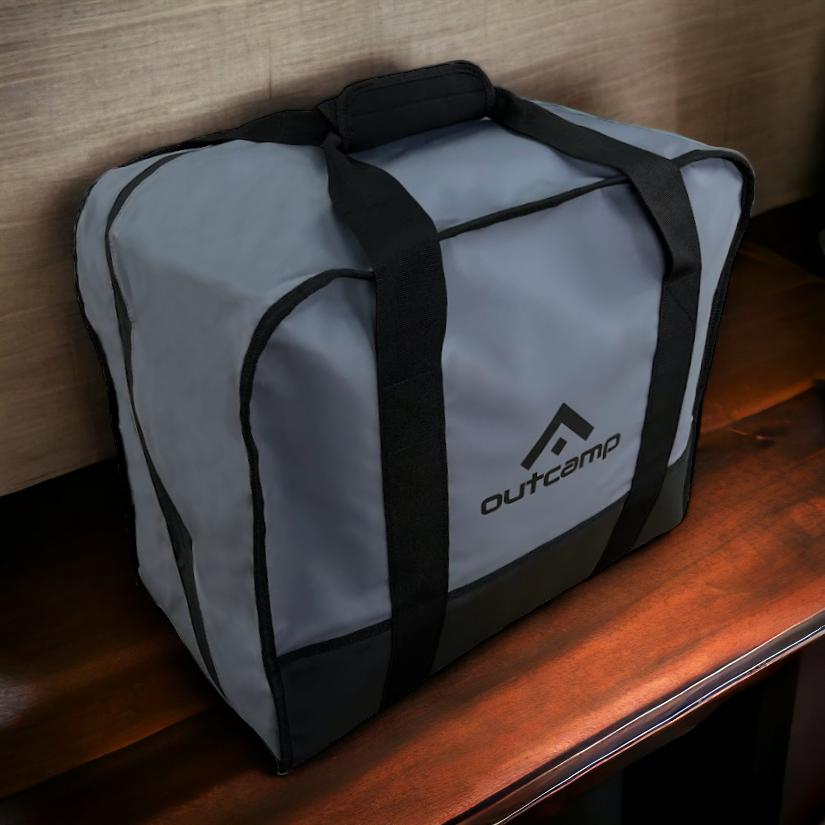
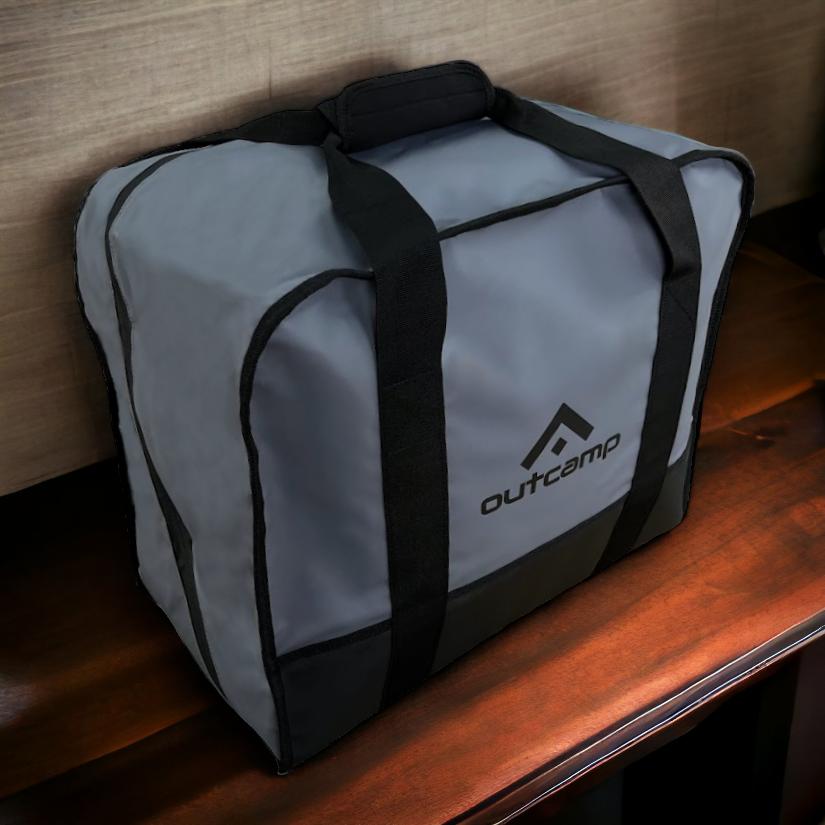
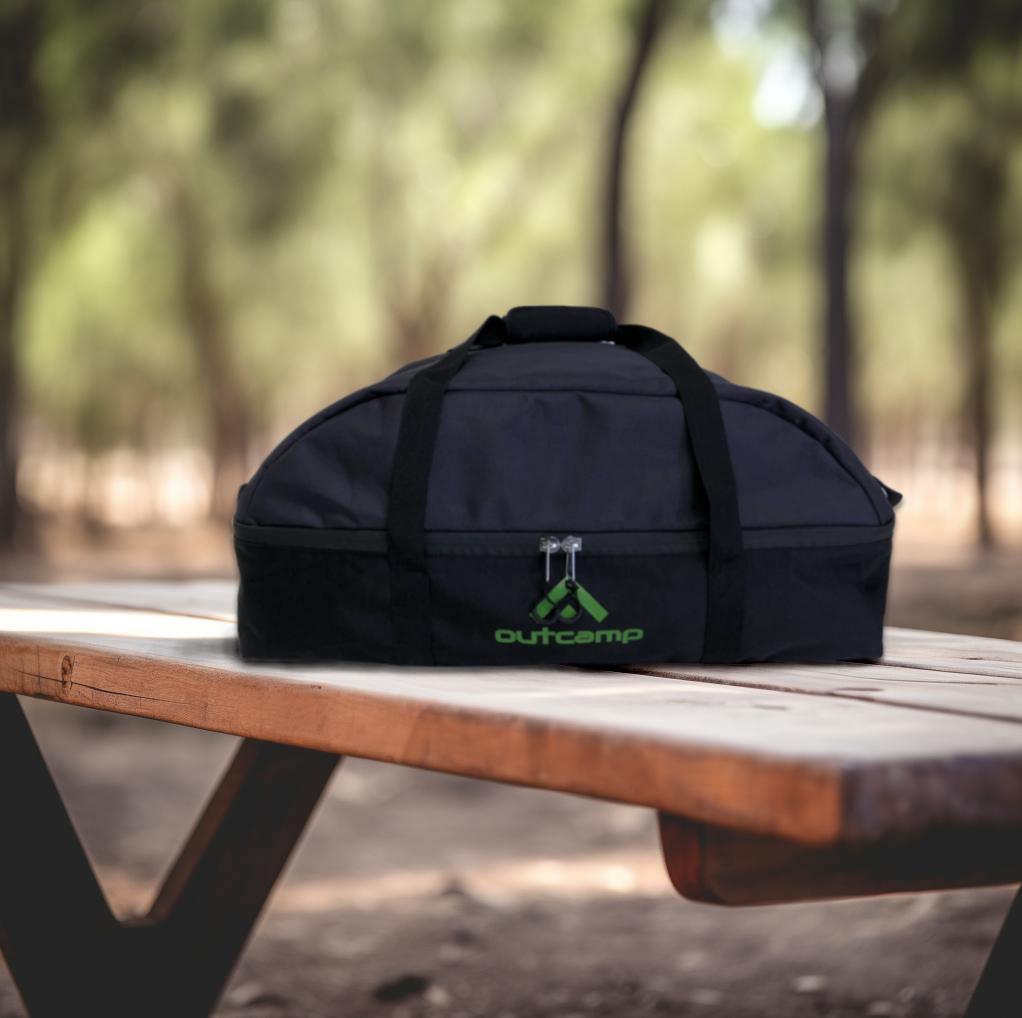
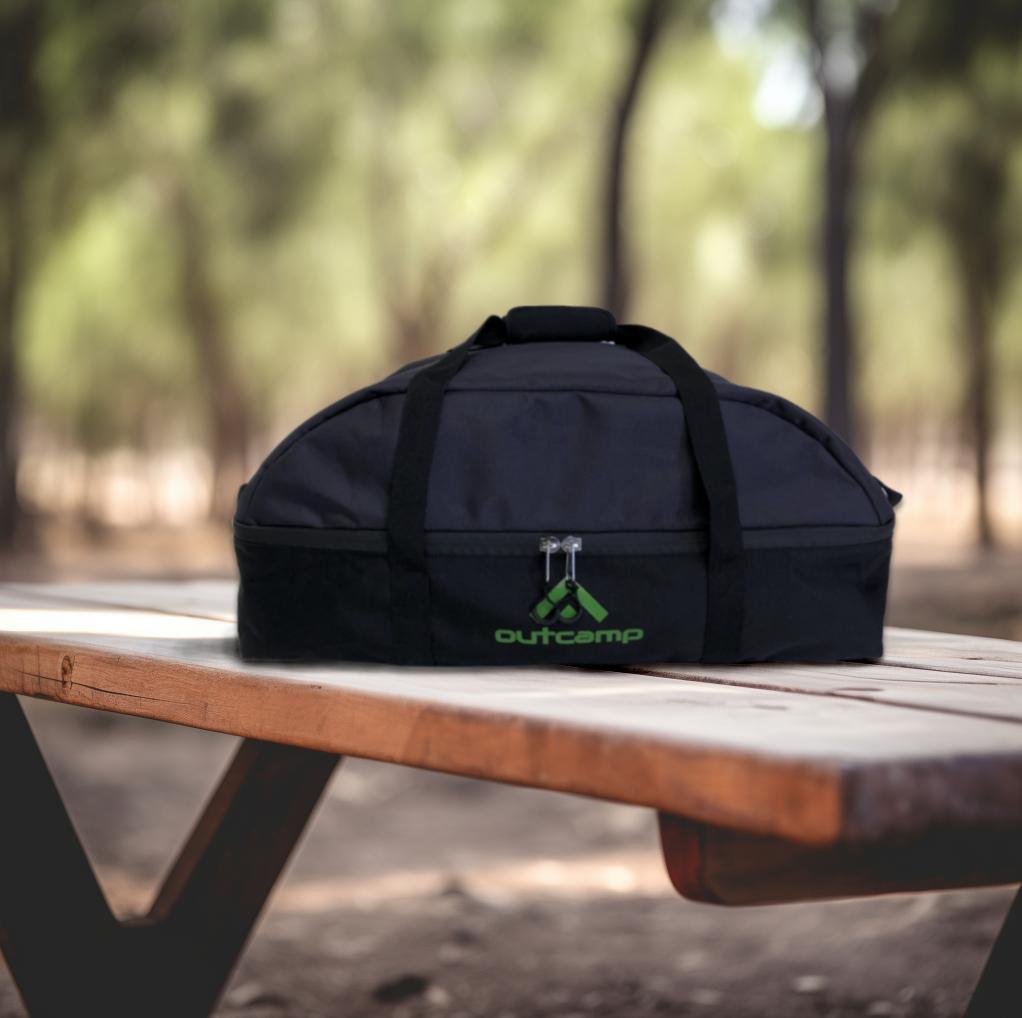
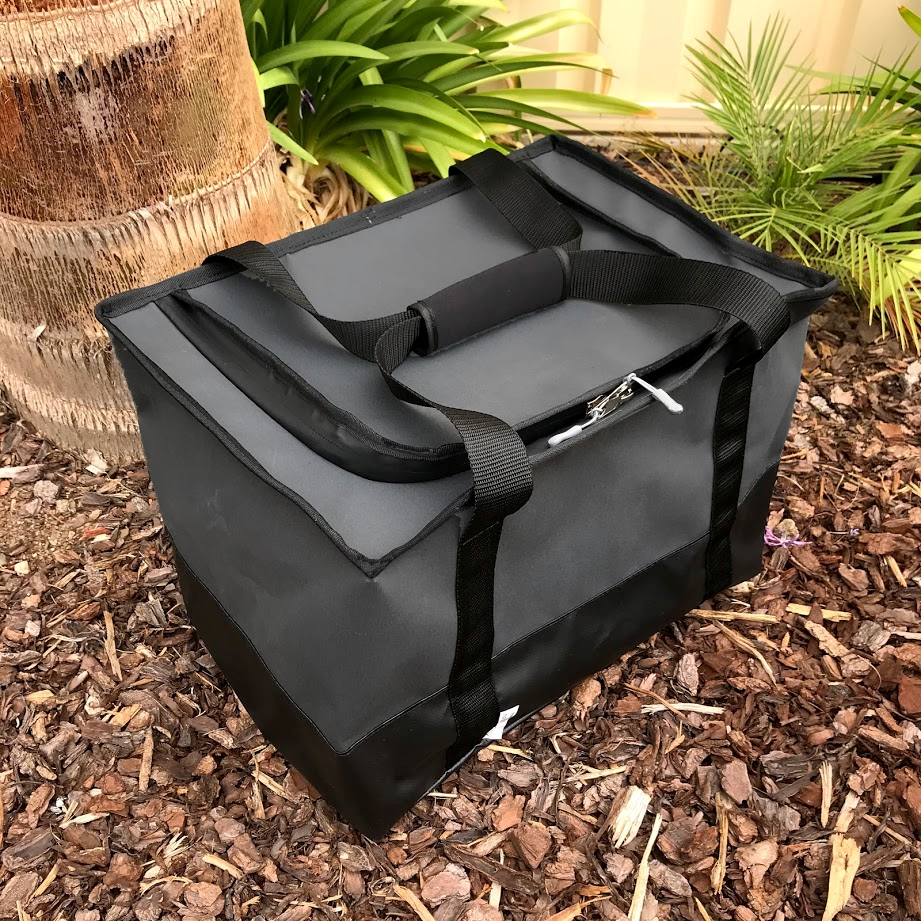
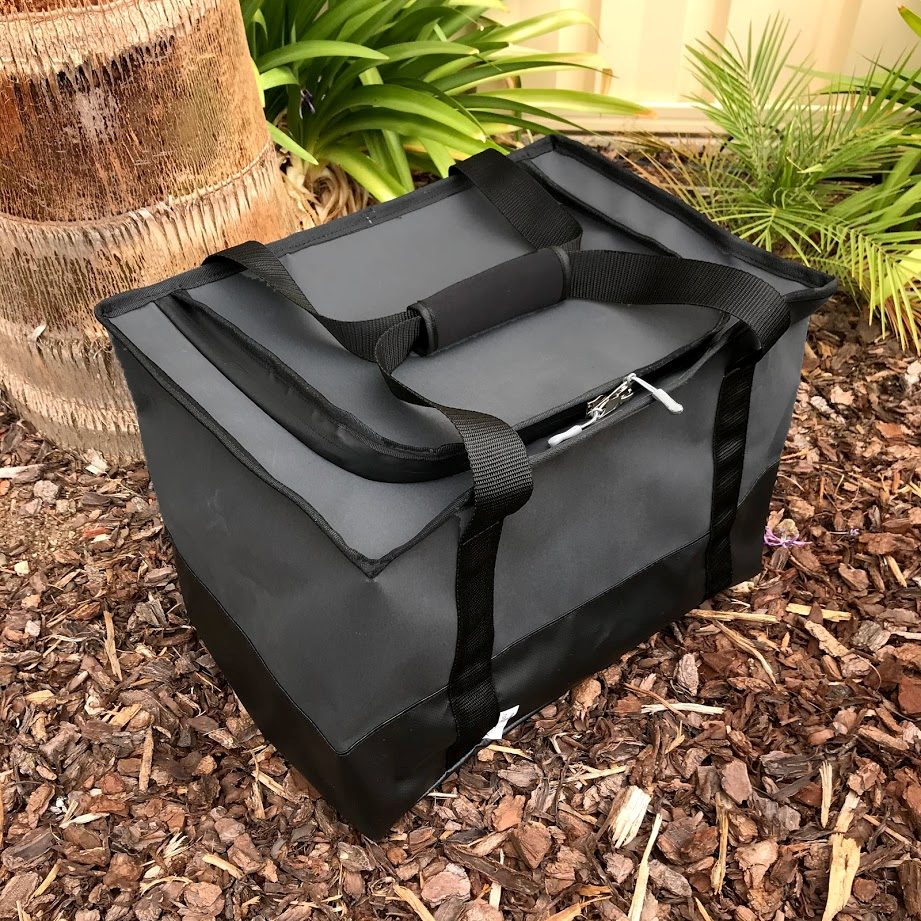
Connectivity is worth planning for if you're heading down for more than a weekend. The major towns have adequate mobile coverage, but the national park and the more remote coastal camping spots are largely out of range. A Starlink dish packed in its carry bag takes up minimal space in the back of a 4x4 and gives you reliable broadband from anywhere on the peninsula with a clear sky view. Whether you're working remotely, streaming content in the evening, or just staying in touch with family back home, having a reliable connection makes a longer trip significantly more comfortable. Outcamp carries a range of Starlink accessories designed to make setup and storage straightforward for travellers who are moving between sites regularly.
The Yorke Peninsula won't make every travel publication's list of Australia's top destinations — and that's a significant part of its appeal. It's a genuine working peninsula with a strong local character, fishing families who've been on the same stretch of coast for generations, and landscapes that reward the traveller who slows down and pays attention. It's close enough to Adelaide that a spontaneous long weekend is entirely feasible, and compelling enough to justify a much longer visit. Get the map out, book your national park campsite well in advance, and point the 4x4 south.