The Great Ocean Road: The Complete Camping, Caravan and Coastal Adventure Guide for Victoria
Few drives anywhere in the world can match the raw coastal drama of Victoria’s Great Ocean Road. Stretching 243 kilometres from Torquay to Allansford, this heritage-listed route traces some of the most spectacular shoreline on the Australian continent — towering limestone sea stacks, ancient rainforest gullies, empty surf beaches, and clifftop lookouts that drop straight into the Southern Ocean. For campers, caravanners, and anyone who prefers sleeping under canvas to booking a hotel, it is one of the finest touring routes in the country.
What makes the Great Ocean Road particularly rewarding for outdoor travellers is the sheer variety packed into a relatively short distance. You can wake to the sound of crashing waves at a beachside campground, spend the afternoon walking through towering mountain ash forest in the Otways, and finish the day watching the sunset paint the Twelve Apostles in burnt orange. With over 130 Parks Victoria campgrounds now available at half-price under the Victorian Government’s extended camping initiative (running until June 2027), there has never been a better time to load up the 4WD or hitch the caravan and head west from Melbourne.
Planning Your Great Ocean Road Camping Trip
A successful Great Ocean Road trip starts well before you leave the driveway. The route passes through several distinct regions — the Surf Coast, the Otway Ranges, the Shipwreck Coast, and the far western section towards Warrnambool — each with its own character, campgrounds, and conditions. Understanding the layout helps you choose the right stops and avoid the mistake of trying to rush the entire drive in a single day.
Most touring campers and caravanners find that four to seven days is the sweet spot. That gives you enough time to linger at the best spots without feeling rushed, and it lets you explore the hinterland detours that most day-trippers miss entirely. If you are towing a caravan, factor in the winding sections between Lorne and Apollo Bay — they are manageable but slow, and you will want to pull over regularly to let traffic pass.
Best Time to Visit
The Great Ocean Road is a year-round destination, but each season brings a different experience. Summer (December to February) delivers long daylight hours, warm swimming conditions at sheltered beaches, and peak whale-watching opportunities as southern right whales move along the coast. The trade-off is crowds — campgrounds book out months ahead, and the road itself can feel congested on weekends and public holidays.
Autumn (March to May) is arguably the best season for camping. The summer crowds thin out, temperatures remain comfortable in the mid-teens to low twenties, and the Otway forests take on rich golden tones. You will find it much easier to secure walk-up campsites, and the cooler evenings make for perfect campfire weather at sites where fires are permitted.
Winter brings dramatic storm swells that pound the coastline — spectacular to watch from the clifftop lookouts, and a magnet for experienced surfers. Campgrounds are quiet, but be prepared for cold, wet conditions and check that your chosen sites remain open through the off-season. Spring (September to November) sees wildflowers blooming across the coastal heathlands and the return of migratory birds, making it ideal for bushwalkers and wildlife enthusiasts.
What to Pack for Coastal Camping
Coastal camping along the Southern Ocean demands a different kit from an inland trip. Wind is the constant companion here — even in summer, afternoon sea breezes can be fierce enough to flatten a poorly staked tent. Bring heavy-duty pegs, guy ropes rated for wind, and a shelter or tarp that can handle sustained gusts. If you are in a swag, choose one with a solid frame that will not collapse in a crosswind.
Layered clothing is essential regardless of the season. Mornings can be surprisingly cold even in January, and conditions can shift from warm sunshine to driving rain within an hour. A quality waterproof jacket, merino base layers, and a warm beanie will see you through most conditions. For connectivity on the road, a Starlink unit with a portable mount keeps you online at remote campgrounds where mobile coverage drops out — particularly useful through the Otways and the western sections past Port Campbell.
Water and firewood supply varies by campground. Many Parks Victoria sites have tank water and firewood collection areas, but during summer fire season you will not be able to light fires at all. Carry a reliable camp stove as your primary cooking option and treat any campfire as a bonus. A 12V fridge running off your vehicle’s dual battery system is the most practical way to keep food fresh across a multi-day trip.
Caravan and Towing Considerations
The Great Ocean Road is caravan-friendly for the most part, but the 30-kilometre stretch between Lorne and Apollo Bay requires extra caution. The road narrows, winds tightly through the Otway foothills, and features several switchbacks with limited visibility. If you are towing anything longer than six metres, take it slow, use your mirrors constantly, and pull into every designated passing bay to let faster traffic through. Avoid this section on Friday afternoons and Sunday evenings when traffic is heaviest.
East of Lorne and west of Apollo Bay, the road opens up considerably. The Surf Coast section from Torquay to Anglesea is wide and well-maintained, and the Shipwreck Coast from Princetown to Warrnambool runs through flat, open farmland with generous road shoulders. Most caravan parks along the route can accommodate rigs up to 8 metres, though the more secluded bush campgrounds are generally tent and camper-trailer only.
Fuel stops are well-spaced but not cheap — fill up in Geelong or Colac where prices are more competitive, rather than relying on coastal town servos where you will pay a premium. LPG is harder to find west of Apollo Bay, so top up early if your setup relies on it.
The Best Campgrounds Along the Great Ocean Road
Campground selection can make or break your Great Ocean Road experience. The route offers everything from fully serviced caravan parks in seaside towns to remote bush sites deep in the Otway forest. The key is matching the campground to your setup and the experience you are after — whether that is hot showers and powered sites or complete solitude under a canopy of mountain ash.
Parks Victoria manages most of the bush and national park campgrounds along the route, and bookings can be made online through the Parks Victoria website. With the half-price camping initiative in effect until June 2027, a powered site that might normally cost $40 per night drops to $20 — genuine value for a coastal location. Private caravan parks in towns like Lorne, Apollo Bay, and Port Campbell offer more facilities but at higher rates, particularly during peak season.
Surf Coast: Torquay to Lorne
The eastern gateway to the Great Ocean Road delivers some of Victoria’s best surf beaches alongside well-positioned campgrounds. Anglesea Family Caravan Park sits right on the Anglesea River, walking distance from the main beach and the famous kangaroo-inhabited golf course. It is a solid base for families, with powered sites, a camp kitchen, and easy access to the Surf Coast Walk — a 44-kilometre trail that hugs the coastline from Torquay to Aireys Inlet.
For something wilder, the Moggs Creek campground in the Great Otway National Park sits tucked behind the sand dunes between Aireys Inlet and Lorne. No powered sites, no showers — just bush camping a short walk from the beach. It is first-come-first-served and fills quickly in summer, so arrive early on a Thursday to secure a weekend spot. The Split Point Lighthouse at Aireys Inlet is a short drive away and worth the visit at dawn when the light hits the cliff face.
Cumberland River Holiday Park, nestled in a valley between Lorne and Wye River, deserves special mention. Surrounded by tall eucalypt forest with a river running through the grounds, it feels completely removed from the coastal tourist strip despite being just minutes from Lorne. Sites range from unpowered bush spots to fully serviced caravan bays, and the park enforces a quiet, nature-focused atmosphere that sets it apart from larger commercial parks.
The Otways: Apollo Bay to Lavers Hill
The Great Otway National Park is the green heart of the Great Ocean Road and home to some of Victoria’s most atmospheric camping. Here the landscape shifts dramatically — the open coastal heathland gives way to dense temperate rainforest, towering mountain ash, and fern-lined gullies that feel prehistoric. If you have time for only one inland detour, make it the Otways.
Blanket Bay campground, accessed via a dirt road off the lighthouse track, is one of the most spectacular coastal campsites in Victoria. Set on a grassy clearing above a rocky cove, it offers walk-in tent sites with ocean views and the sound of waves as your soundtrack. Facilities are basic — pit toilets, no water — but the setting more than compensates. It is a favourite with bushwalkers tackling the Great Ocean Walk.
Further inland, the Stevensons Falls campground provides a completely different experience. Located deep in the Otway forest along a sealed road from Forrest, it puts you within walking distance of the 30-metre Stevensons Falls and several shorter forest walks. The campground is spacious enough for camper-trailers and small caravans, with fire pits at each site (seasonal restrictions apply). At night, the forest comes alive with possums, owls, and the distinctive call of the powerful owl — Australia’s largest.
Shipwreck Coast: Port Campbell to Warrnambool
The western section of the Great Ocean Road is where the coastline reaches its most dramatic. The Twelve Apostles, Loch Ard Gorge, London Bridge, and the Bay of Islands all sit within this stretch, and the campgrounds here put you within easy reach of these formations without the need to fight day-tripper traffic at peak times. The trick is to visit the major lookouts at dawn or dusk when the tour buses have gone and the light is at its best.
Port Campbell Recreation Reserve is a council-managed campground right in the centre of Port Campbell township. It is basic — unpowered grass sites, a toilet block, and not much else — but the location is unbeatable. You can walk to cafes, the town jetty, and the beach, and the Twelve Apostles are just a ten-minute drive east. At roughly $20 per night, it is one of the best-value coastal camping options on the entire route.
For a more secluded experience, the Princetown Recreation Reserve sits at the mouth of the Gellibrand River, surrounded by wetlands that attract a remarkable diversity of birdlife. It is quieter and less visited than Port Campbell, but only a short drive from the Twelve Apostles and Gibson Steps. The flat, sheltered sites suit caravans well, and the river mouth is ideal for kayaking and fishing. Further west, the Bay of Islands Coastal Park offers informal camping access for self-contained vehicles — check current regulations with Parks Victoria before relying on these spots.
Beyond the Coast: Exploring the Otway Hinterland by 4WD
Most visitors stick to the sealed Great Ocean Road, but some of the best experiences along this coast lie inland, accessible only by 4WD or high-clearance vehicle. The Otway Ranges conceal a network of forest tracks, hidden waterfalls, and remote camping areas that receive a fraction of the traffic seen on the main road. If you have a capable vehicle and a taste for exploration, these detours add a genuine wilderness dimension to the trip.
The roads through the Otway forest are managed by the Department of Energy, Environment and Climate Action (DEECA) and range from well-graded gravel to rough single-lane tracks with water crossings. Conditions change significantly after rain — what might be a pleasant forest cruise in dry weather can become a slippery, rutted challenge after a few days of heavy precipitation. Always check road conditions before heading in, carry recovery gear, and let someone know your planned route.
Turtons Track and the Otway Forest Loop
Turtons Track is the most popular forest drive in the Otways and a must-do even for those without a 4WD — it is sealed but narrow, winding through some of the tallest trees in the range. For a longer adventure, combine it with the unsealed forest roads that loop through Beech Forest, Fergusons, and back towards Forrest to create a half-day circuit that takes in waterfalls, forest lookouts, and some genuinely remote country.
The Aire Valley area, accessible from Beech Forest via gravel roads, is home to several hidden waterfalls including Hopetoun Falls and Beauchamp Falls. Both involve short walks from roadside car parks, but during the wet season the surrounding forest tracks offer more adventurous access for those willing to push further in. The canopy here is so dense that sunlight barely reaches the forest floor, creating an almost mystical atmosphere that photographs beautifully.
Camping in the forest is permitted at designated sites along several of the forest roads. These are typically simple clearings with a fire ring and no facilities — true bush camping at its most basic. They appeal to travellers who want silence, wildlife encounters, and the feeling of having the forest to themselves. If this sounds like your style, pair a couple of nights in the Otway forest with a few nights on the coast for the best of both worlds.
The Shipwreck Coast Hinterland
West of the Otways, the landscape opens into rolling volcanic plains punctuated by crater lakes and ancient lava flows. The area around Camperdown, Cobden, and Timboon offers a quieter alternative to the coastal strip, with farm-gate food trails, craft breweries, and some surprisingly good bush camping along the waterways that feed into the coast.
Lake Bullen Merri and Lake Gnotuk, twin crater lakes just outside Camperdown, are popular with anglers chasing Chinook salmon and brown trout. Both lakes have basic foreshore reserves suitable for day camping, and the surrounding farmland gives way to pockets of remnant bushland that support koalas, echidnas, and a healthy population of wedge-tailed eagles. It is a world away from the tourist bustle of the coastal lookouts, and well worth a detour if you are travelling with time on your side.
The Timboon Rail Trail, a 35-kilometre cycling and walking path that follows the old railway line from Timboon to Port Campbell, is another hinterland highlight. You can ride it in sections, stopping at the Timboon Distillery, Berry World, and several cheese producers along the way. It is flat, well-maintained, and accessible for all fitness levels — a perfect rest-day activity after a few days of driving and hiking.
Staying Connected on the Great Ocean Road
Mobile coverage along the Great Ocean Road is patchy at best. Telstra provides reasonable service in the coastal towns — Torquay, Lorne, Apollo Bay, Port Campbell, and Warrnambool all have solid 4G — but coverage drops away quickly once you leave the main road. The Otway forest is a virtual black hole for all carriers, and even along the coast, the stretches between towns can leave you without a signal for extended periods.
For travellers who need to stay connected — whether for work, safety, or simply keeping family updated — a portable satellite internet solution like Starlink changes the equation entirely. A Starlink Mini paired with a magnetic mount on your vehicle roof gives you reliable high-speed internet at any campground, regardless of how remote. It is particularly valuable in the Otways where the forest canopy blocks even the strongest mobile signals, and at coastal campgrounds west of Apollo Bay where tower infrastructure is sparse.
Power Management for Extended Trips
A multi-day Great Ocean Road trip with electronic devices, a 12V fridge, and a Starlink unit running demands a solid power setup. A dual battery system with a DC-DC charger is the most reliable foundation — your vehicle’s alternator tops up the auxiliary battery while you drive, giving you a full charge at each campground without needing to plug in. Pair it with a portable solar panel for rest days when the vehicle is parked, and you can run your camp setup indefinitely.
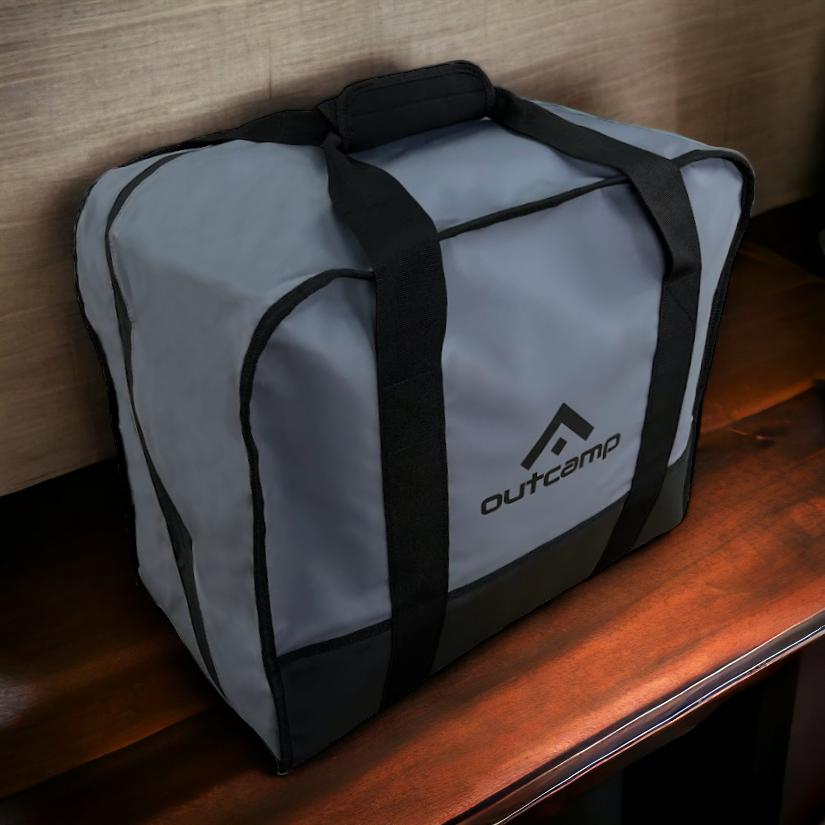
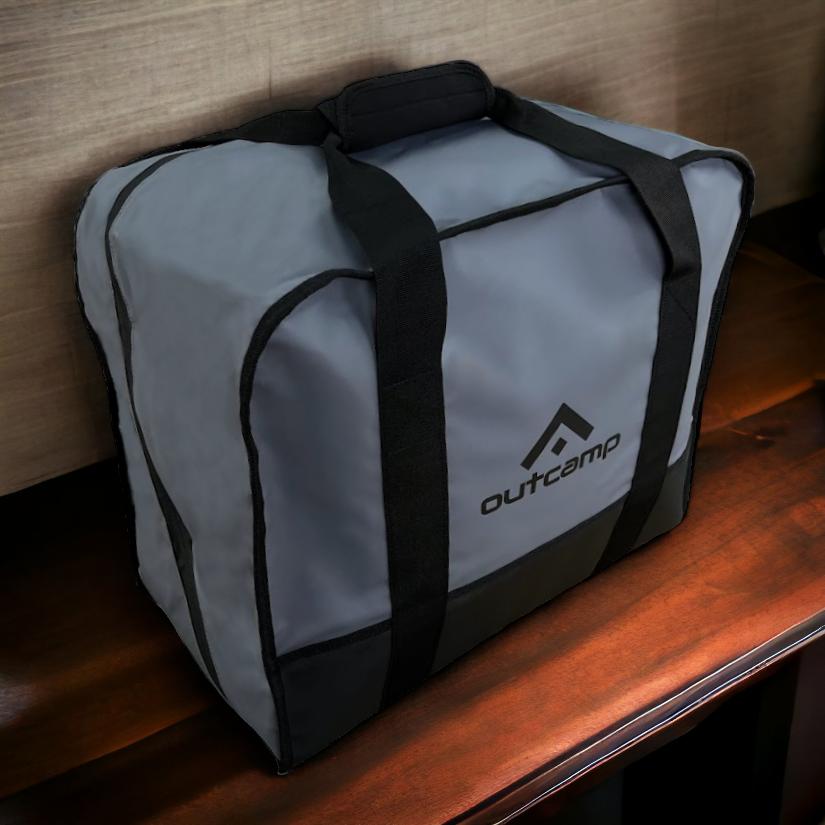
For caravan travellers, most commercial parks along the route offer powered sites, but the bush campgrounds do not. If you plan to split your time between both, a lithium battery bank in the 100–200Ah range gives you enough capacity to run lights, charge devices, and power a Starlink unit for two to three days between charges. Outcamp stocks a range of portable power solutions and carry bags designed specifically for this kind of touring setup — worth checking out before you leave.
Keep in mind that solar panel efficiency drops noticeably in the Otway forest due to the dense canopy, so plan your highest-power-consumption days for coastal campgrounds where panels get full sun exposure. A bit of planning around your power budget saves the frustration of a flat battery when you need it most.
Wildlife, Walks and Things to Do Beyond the Lookouts
The Great Ocean Road is rightly famous for its coastal scenery, but limiting your trip to the major lookouts means missing half the experience. The region supports an extraordinary diversity of wildlife, some of the best day walks in Victoria, and a growing food and drink scene that gives you a reason to slow down and explore beyond the standard tourist stops.
Koalas are perhaps the most reliably spotted wildlife along the route. The Kennett River area, between Lorne and Apollo Bay, is famous for its wild koala population — walk the Grey River Road in the late afternoon and you will almost certainly spot several dozing in the manna gum canopy overhead. Cape Otway Lightstation also has a resident population, and the woodland around the lighthouse car park is one of the most accessible viewing areas in Victoria.
The Great Ocean Walk
The Great Ocean Walk is a 110-kilometre trail running from Apollo Bay to the Twelve Apostles, following the cliff edges, beaches, and forest of the Great Otway National Park. You do not need to tackle the whole thing — the trail is divided into eight sections that work perfectly as day walks. The stretch from Johanna Beach to Castle Cove is widely regarded as the most dramatic, with cliff-edge paths overlooking sheer drops to the ocean below.
For overnight hikers, dedicated hiker campgrounds are spaced along the trail at roughly one-day intervals. These are basic but well-maintained, with tent platforms, pit toilets, and tank water at most sites. Bookings are essential and can be made through Parks Victoria. If you are camping along the Great Ocean Road and want a memorable day out, park at one trailhead, walk a section, and arrange a shuttle back — several local operators run hiker transport services between Apollo Bay and the Twelve Apostles.
The shorter walks are equally rewarding. The Mait’s Rest Rainforest Walk (30 minutes return) takes you through ancient myrtle beech forest on a boardwalk, the Triplet Falls walk (1.5 hours return) passes three separate cascades in the tall timber, and the Wreck Beach walk descends through coastal scrub to the remains of the Marie Gabrielle, wrecked in 1869. Each offers a completely different landscape and mood, reinforcing just how diverse this coastline really is.
Making the Most of Your Great Ocean Road Trip
The Great Ocean Road rewards patience. The temptation to rush from one iconic lookout to the next is strong, but the best memories tend to come from the unplanned moments — a quiet morning surf at an empty beach near Wye River, a platypus sighting in the Aire River at dusk, or a campfire conversation with fellow travellers at a bush campground deep in the Otways. Build slack into your itinerary, resist the urge to over-schedule, and let the road reveal itself at its own pace.
For the best experience, alternate between coastal and forest camping. Spend a night or two at a beachside campground on the Surf Coast, push inland to the Otways for a night of rainforest immersion, then finish with a few nights on the Shipwreck Coast for the iconic formations and wide-open skies. This rhythm gives you the full range of what the region offers without ever feeling like you are repeating the same landscape.
Before you set off, make sure your gear is sorted and your vehicle is ready for the mix of sealed highways, winding mountain roads, and forest tracks. Outcamp carries everything from Starlink carry bags and portable mounts to power management gear designed for exactly this kind of multi-day touring trip. Reliable connectivity and power mean you can stay as long as the road holds your attention — and on the Great Ocean Road, that tends to be longer than you planned.