

The Gibb River Road: The Complete Camping and 4WD Guide to the Kimberley
There are a handful of drives in Australia that genuinely earn the label "bucket list." The Gibb River Road is one of them. Stretching roughly 660 kilometres through the heart of the Kimberley in Western Australia's far north, the Gibb connects Derby in the west to Wyndham and Kununurra in the east — and every kilometre in between is a reminder of just how extraordinary this country is. Ancient sandstone ranges, cathedral gorges carved by millions of years of water, ochre floodplains stretching to the horizon, and some of the most rewarding remote camping in Australia: the Gibb has it all.
This is not a tarmac cruise. The Gibb River Road demands a capable 4WD, solid preparation, and a willingness to slow down and absorb the landscape around you. But for those who arrive prepared, it delivers an experience that is difficult to match anywhere in the world. This guide covers everything you need to know — when to go, what to bring, which gorges to prioritise, where to camp, and how to stay connected in one of the most remote regions on the planet.
Planning Your Gibb River Road 4WD Adventure
Getting the planning right before you leave home makes the difference between a trip that flows and one that constantly catches you off guard. The Gibb River Road is not the sort of place where you can improvise your way through fuel and water. Every decision — when to go, how long to allow, what vehicle to use — matters.
The dry season runs from May through to September, and this is when the Gibb River Road is at its best. Temperatures are cooler, creek crossings are manageable, and most stations and campgrounds along the route are open and operating. Outside the dry season, the Kimberley is subject to heavy monsoonal rainfall that renders large sections of the Gibb impassable for weeks at a time. Some years, sections of the road don't reopen until June. Always check current road conditions with Main Roads Western Australia before you leave.
How Long to Allow on the Gibb River Road
Two weeks is the realistic minimum if you want to explore the Gibb without rushing. Fourteen days gives you enough time to stop at the major gorges, spend a night or two at station stays, and take the occasional side trip without feeling like you're burning daylight just to make the next campsite. Many experienced travellers allow three weeks or more — and they rarely regret it.
The Gibb is approximately 660 kilometres from end to end, but don't let that number fool you. Corrugated dirt, creek crossings, and regular side tracks mean your average speed will be well below what you'd cover on sealed roads. On a good day you might average 60 kilometres per hour on smoother stretches. On rough sections, 40 kilometres per hour is more realistic. Factor in stops for gorges, photography, and simply staring at the landscape, and a full day on the Gibb often covers less distance than you'd expect.
Vehicle Requirements and Preparation
A genuine 4WD with high clearance is essential. The Gibb is not a road for lifted SUVs with limited clearance or two-wheel drives wearing all-terrain tyres. Creek crossings, rocky sections, and steep descent tracks to gorge carparks require proper 4WD capability in low range. Before you leave, have your vehicle serviced, check your tyres thoroughly, and carry at least two full-size spare tyres — not a space-saver. Blowouts from corrugations and sharp rocks are common, and being caught with only one spare on a remote section of the Gibb is a genuinely bad situation.
Recovery gear is non-negotiable: a quality snatch strap, shackles, a hi-lift jack, and traction boards for sandy or muddy creek crossings. A satellite communicator or PLB should be with you at all times — the Kimberley has no mobile coverage across most of the Gibb River Road corridor, and if something goes wrong in a remote gorge, your ability to call for help depends entirely on what you carry with you. Outcamp's range of satellite connectivity solutions is worth reviewing before you head north — staying connected in the Kimberley isn't just convenient, it's a safety consideration.
Fuel, Water and Supplies
Fuel stops along the Gibb are limited, expensive, and not always guaranteed to have stock. Derby and Kununurra are your reliable bookends, but between them you're relying on a small number of stations that sell fuel — including Imintji Roadhouse, Mount Barnett Roadhouse, and El Questro. Carry a minimum of 80 extra litres of fuel in approved Jerry cans, and call ahead to confirm availability before relying on any stop. Water is available at most station campgrounds but should never be taken for granted in the Kimberley. Carry a minimum of 10 litres per person per day as an emergency reserve, and use a quality water filter for any creek or bore water you collect along the route.
The Best Gorges Along the Gibb River Road
The gorges are the reason people drive the Gibb. Cut by ancient river systems through towering sandstone formations, each gorge has its own character — different rock colours, different pool depths, different levels of difficulty to reach. Spending time in the gorges rather than simply ticking them off is the right way to experience the Kimberley.
If you only have time for three or four gorge stops, focus on Bell Gorge, Manning Gorge, and El Questro Wilderness Park. These three offer the best combination of visual impact, swimming, and overall Kimberley experience. Galvans Gorge deserves a mention for being exceptionally easy to access and including one of the best examples of Aboriginal rock art you'll see on the route.
Bell Gorge and Silent Grove
Bell Gorge is the postcard image of the Gibb River Road, and it earns that reputation. Located roughly 30 kilometres off the main road via the Silent Grove turnoff, the drive in passes through classic Kimberley savanna woodland before the landscape opens to reveal the gorge. The main swimming hole sits at the base of a tiered waterfall that cascades down red and orange sandstone into a deep, clear pool below — one of the most beautiful natural swimming spots in Western Australia.
The walk from the Silent Grove campground to the gorge is around three kilometres return on a well-marked track. The campground itself is run by the Wunambal Gaambera Aboriginal Corporation and offers a basic but comfortable base for exploring the area. Sites fill quickly during peak season, so arrive early or book ahead where possible. A vehicle access permit for the Mowanjum region is required — purchase this before leaving Derby or Broome.
Manning Gorge and the Surrounding Country
Manning Gorge sits on the working cattle station of Mount Elizabeth, and the stop here typically combines gorge swimming with the genuine hospitality of a station stay. The gorge itself is a substantial hike — roughly seven kilometres return — but the route follows Manning Creek through some outstanding Kimberley scenery before arriving at the main swimming hole, a wide, tree-lined pool surrounded by towering cliffs. The Aboriginal rock art panels near the gorge are among the most accessible and significant on the Gibb.
Mount Elizabeth Station also offers access to the smaller Galvans and Adcock Gorges nearby, both of which reward visitors with quieter, less-visited swimming spots. The station's campground has powered and unpowered sites along with basic facilities — a welcome break from fully remote camping after a few nights of roughing it. If you're travelling with a caravan, check current road conditions to the station, as some creek crossings on the access track can be challenging after rain.
El Questro Wilderness Park
El Questro is in a category of its own. Covering more than 700,000 acres in the eastern Kimberley near Kununurra, El Questro is simultaneously one of the most rugged wilderness parks in the country and one of the most accessible. The thermal pools at Zebedee Springs are a must — warm freshwater springs set in a palm-lined gorge that feels unlike anywhere else in Australia. Chamberlain Gorge is best explored by boat tour, with the water's edge flanked by sheer red cliffs that reflect in the still water below.
Emma Gorge offers a rewarding walk through a narrow gorge to a permanent waterfall and pool — one of the finest swimming spots on the entire Gibb. For 4WD travellers, El Questro also provides access to remote tracks that push into the park's interior, with excellent barramundi fishing along the Pentecost River. Camping options range from powered caravan sites at the main station to remote bush camps well off the beaten track. Book accommodation well in advance if you're travelling in July or August — El Questro fills quickly during peak season.
Camping, Connectivity and Practical Logistics on the Gibb
One of the great strengths of the Gibb River Road for Australian travellers is the sheer variety of camping on offer. You're not locked into national park campgrounds with booking systems and allocated sites — there's a genuine mix of station stays, Aboriginal community-operated sites, wilderness camps, and free roadside camps that gives the trip a feeling of freedom that's increasingly rare in popular Australian destinations.
That said, the logistics of camping in the Kimberley require more thought than most Australian road trips. Distances between facilities are greater, the consequences of poor planning are more serious, and the environmental sensitivity of the region means Leave No Trace principles matter here more than ever. Camp on existing surfaces, carry your rubbish out, and use established fire rings where provided — or don't light fires at all during dry season when fire risk is high.
Station Stays and Campgrounds
The working cattle stations along the Gibb River Road have been welcoming travellers for decades, and station stays are one of the highlights of the trip. Mount Barnett Station, Imintji, Ellenbrae, Home Valley, and El Questro all offer camping with varying levels of facilities. Most have showers and toilets, some have meals available, and a few offer unpowered and powered sites for caravans. Prices are reasonable given the remoteness of the location, and the income from travellers is important to the viability of these stations.
For those who prefer more privacy, dispersed camping is available along many sections of the Gibb and on access tracks leading to gorges and rivers. The Kimberley's open landscapes make for extraordinary stargazing, and camping away from station lights gives you some of the clearest night skies in Australia. Keep fires small if conditions allow and never camp within 20 metres of a watercourse — Kimberley creek banks are surprisingly fragile.
Staying Connected and Safe in the Kimberley
Mobile coverage on the Gibb River Road is essentially non-existent for the vast majority of the route. Telstra provides a small amount of coverage in the immediate vicinity of Derby and Kununurra, and some stations may have their own communication infrastructure, but between these points you should plan as though you have no mobile signal at all. This makes a satellite communicator or a Starlink setup genuinely important rather than just a convenience.
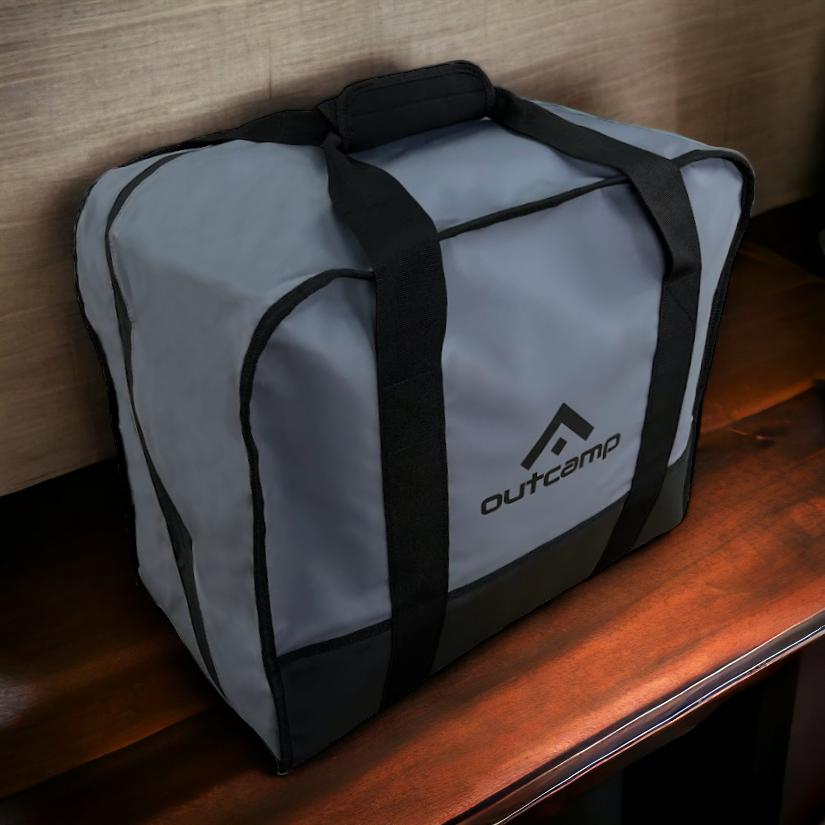
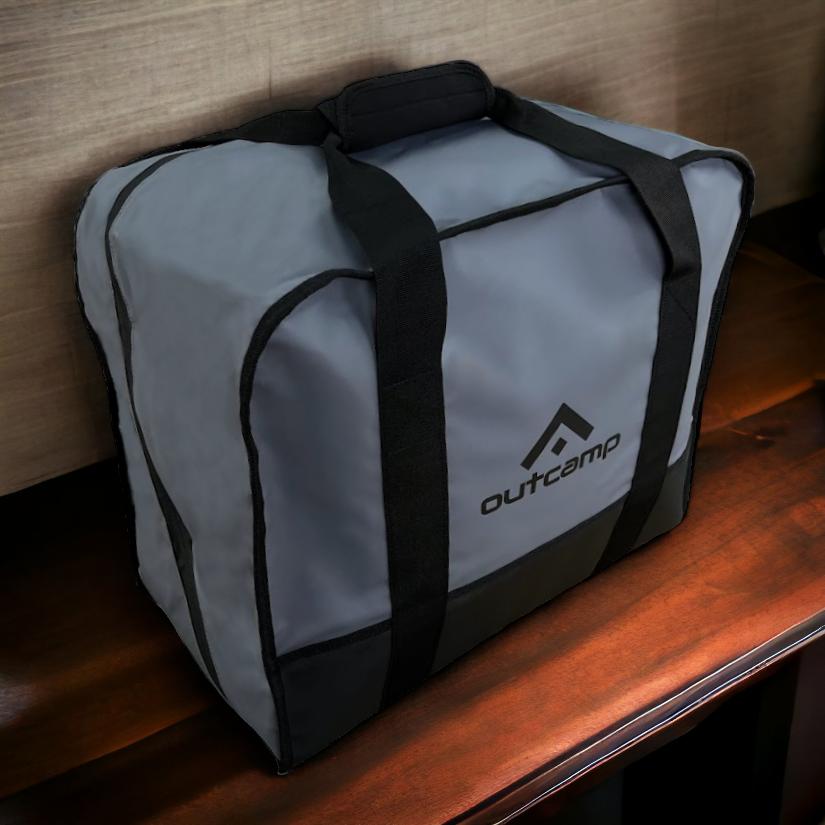
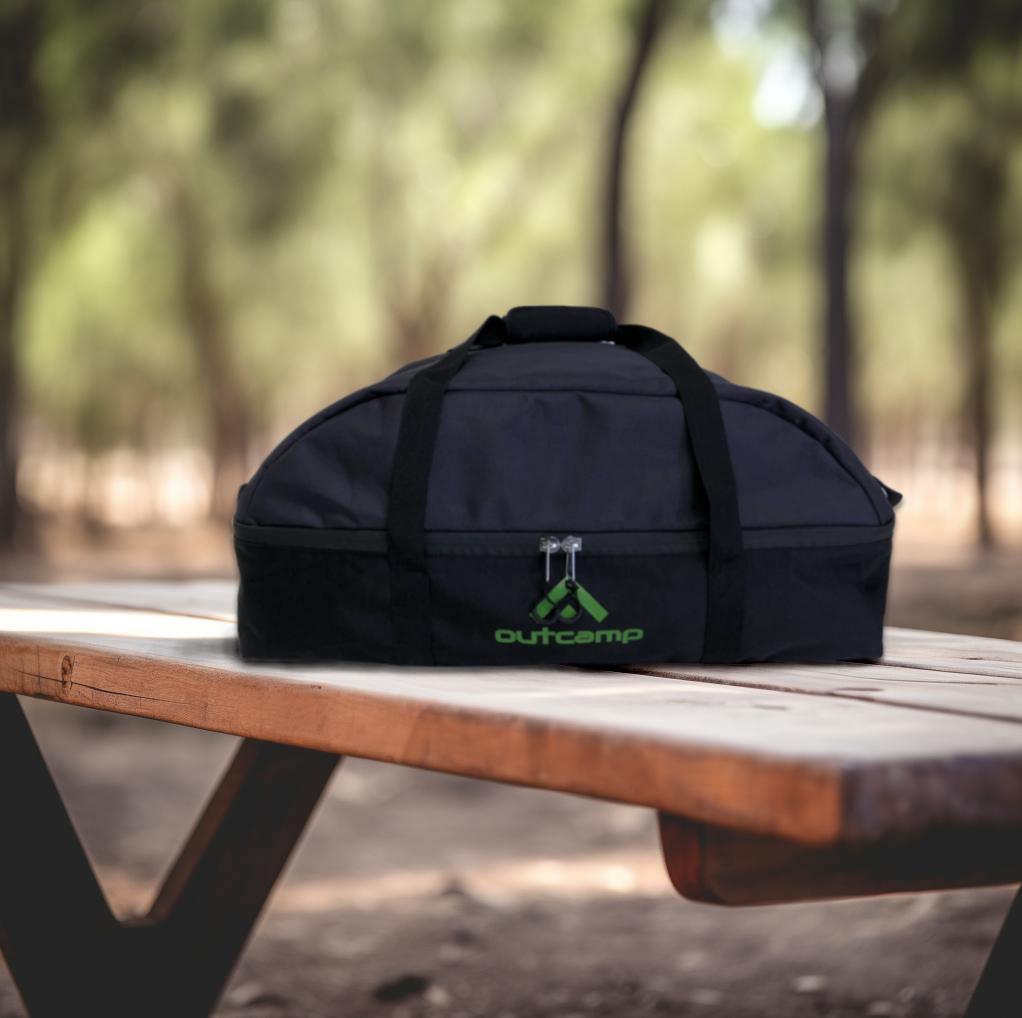
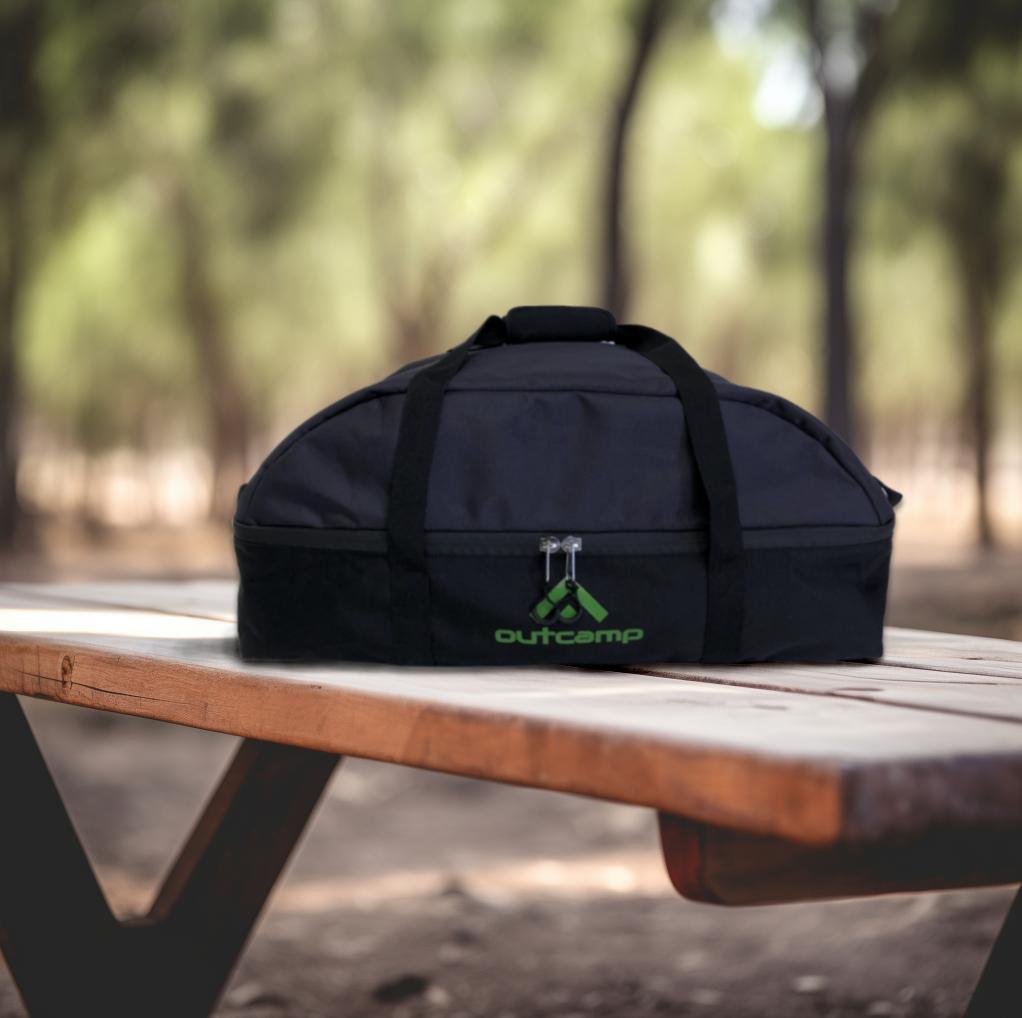
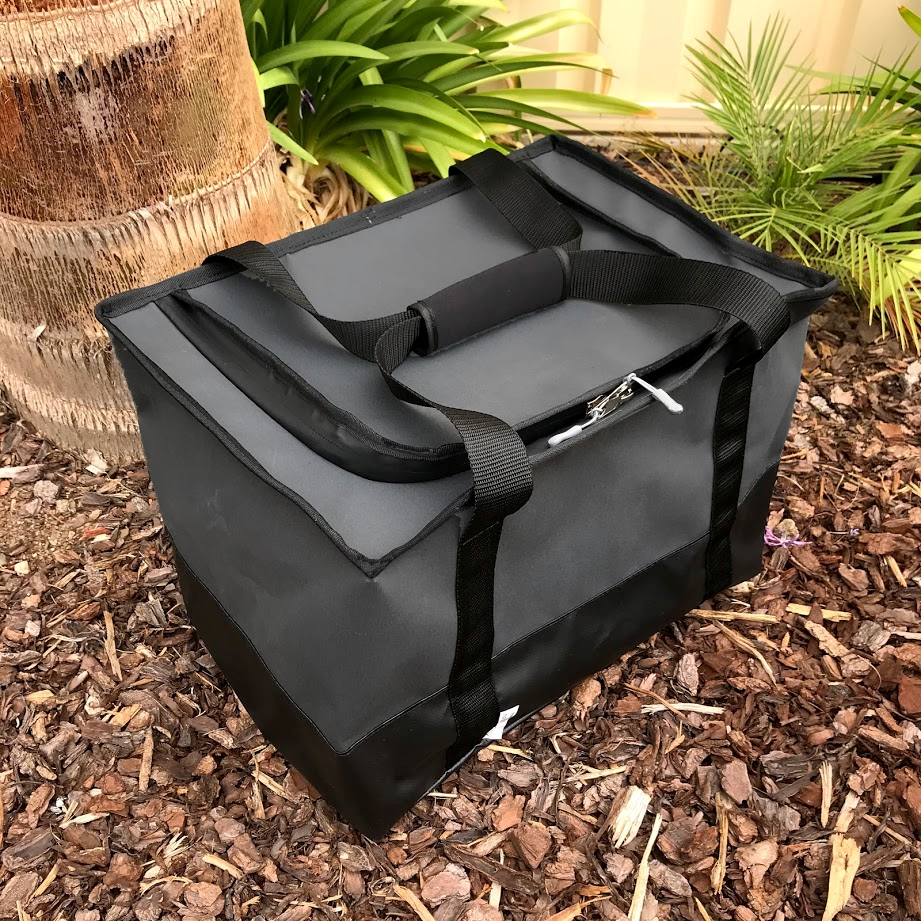
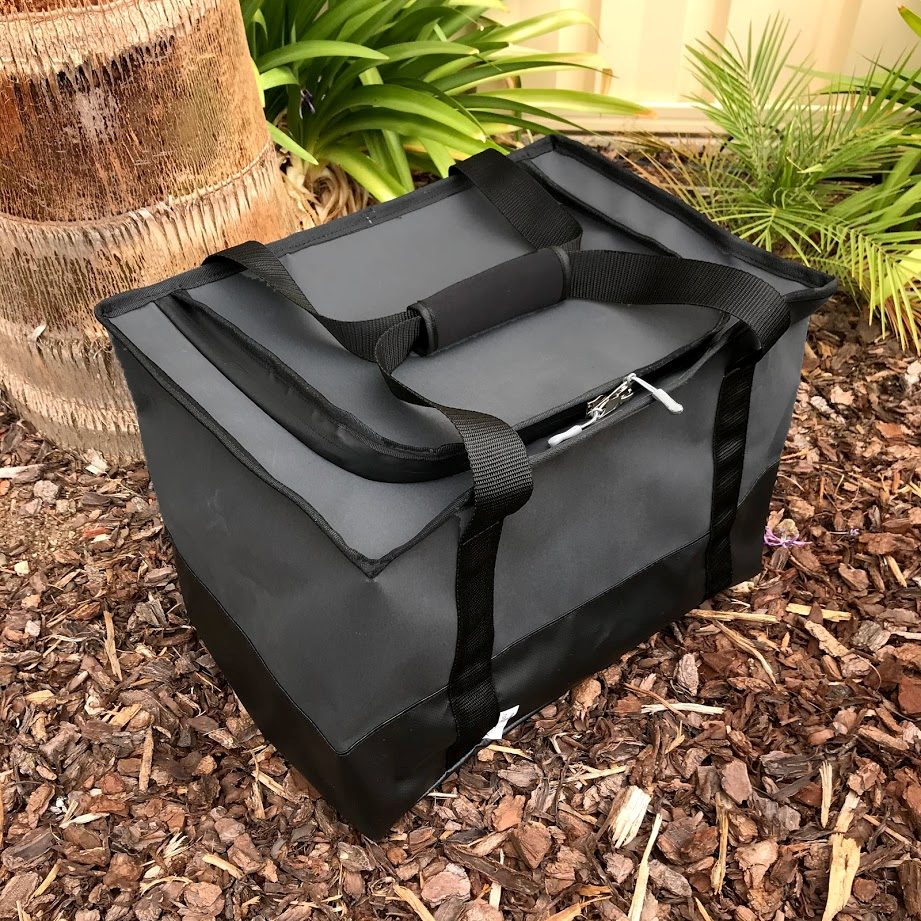
A Starlink satellite dish with a quality carry bag and mount allows you to access internet and voice connectivity from virtually anywhere in the Kimberley — useful both for safety check-ins and for those who are working remotely or travelling with family who need to stay in touch. Outcamp's Starlink accessories are designed specifically for the challenges of remote Australian travel: compact, protected, and built to handle the vibration and dust that come with extended 4WD touring. A PLB should also be on your person whenever you're hiking in gorges or moving away from your vehicle — the Kimberley's remote terrain means emergency services can take a long time to reach you, and a registered PLB is your fastest way to trigger a rescue if needed.
Tyres, Repairs and Being Self-Sufficient
The Gibb River Road will test your tyres. Corrugations, sharp rocks on gorge access tracks, and the occasional creek crossing with submerged rocks all take their toll. Run your tyres at a slightly lower pressure than usual to improve ride quality and traction — around 28 to 32 PSI on the main road is a common starting point, though the right pressure depends on your vehicle load and tyre specifications. Carry a quality 12V tyre inflator so you can re-inflate after a creek crossing or section of soft ground.
Beyond tyres, carry basic vehicle repair supplies: spare engine oil, coolant, a fan belt, radiator hose clamps, and basic hand tools. The Kimberley is not the place to discover that you don't have a spanner that fits your wheel nuts. Joining a vehicle-specific online community before you leave and downloading offline maps — including the Hema Explorer app with its detailed outback track data — will pay dividends when you're navigating side tracks to remote gorges with no phone signal to fall back on.
Making the Most of Your Gibb River Road Journey
The Gibb River Road rewards patience. The travellers who get the most from it are those who resist the temptation to tick gorges off a list and instead allow the landscape to set the pace. Spend an afternoon on a flat rock above a swimming hole watching the light change across the ranges. Wake before dawn at a remote bush camp and watch the sky shift through pink and orange and gold. Follow a side track on a whim and discover a creek crossing that isn't on any map. These are the moments that stay with you long after the corrugations have faded from memory.
If you're heading to the Kimberley in 2026, the dry season window is already filling up. July and August in particular see heavy traffic on the Gibb, and the most popular campsites and station stays book out weeks in advance. Start planning now — secure your permits where required, service your vehicle, stock up on recovery gear, and make sure your communications equipment is set up and tested before you leave home.
Outcamp carries a full range of accessories designed for exactly this kind of trip: Starlink carry bags, cable management solutions, mounts for rooftop and roof rack setups, and connectivity kit built for the demands of extended remote travel in Australia. Browse the full range at outcamp.com.au and head to the Kimberley knowing you're properly equipped for one of Australia's greatest road trips.