


4x4 Roof Racks, Canopies and Tray Systems: Building the Ultimate Touring Rig
If you spend serious time on dirt roads and remote tracks, how you configure your 4x4's load-carrying setup will shape every trip you take. A well-thought-out roof rack, canopy or tray system isn't just about strapping gear down — it's about maximising carrying capacity, protecting your equipment, and keeping your rig balanced and capable when the going gets rough. Get it wrong and you're fighting your vehicle on every corrugated kilometre. Get it right and you've essentially built a mobile base camp that goes wherever you do.
Whether you're running a dual-cab ute, a wagon, or a cab-chassis build, there are more options on the market in 2026 than ever before. This guide breaks down the key systems, how to choose between them, and what to look for when you're spending serious money on a touring setup that needs to last.
Choosing the Right Roof Rack for Your 4x4
A roof rack is often the first significant accessory a serious four-wheel driver adds to their vehicle. It's also one of the most consequential — a poorly chosen rack changes your vehicle's centre of gravity, affects fuel economy, and can create wind noise that grinds you down over long distances. The right rack, by contrast, gives you flexibility to carry everything from spare tyres and recovery boards to jerry cans, water tanks and rooftop tents.
The Australian market has matured considerably, with local manufacturers producing racks engineered specifically for the corrugated outback tracks and the loads Australians actually carry. Understanding the differences between rack types, mounting systems, and load ratings is essential before you buy.
Platform Racks vs Tube Racks
Platform racks feature a solid or semi-solid deck and are the go-to choice for tourers who want maximum versatility. You can mount lights, awnings, antennas, and load-carrying accessories in virtually any configuration. Brands like Rhino-Rack, Yakima, and Australian-made options from Tough Dog offer platform systems rated to carry 100–200 kg of dynamic load, though in practice you want to stay well under the rated limit when touring off-road.
Tube racks use a frame of steel or aluminium tubing without a solid deck. They're lighter, allow better roof access, and suit vehicles where clearance is critical — think tight scrub tracks or low-clearance crossings. The tradeoff is that mounting accessories requires more thought, and you'll often need aftermarket basket inserts to carry loose gear safely.
For most serious touring builds in Australia, a heavy-duty alloy platform rack is the practical choice. It handles the load, survives the corrugations, and gives you the mounting flexibility to configure the rack exactly as your trip demands. Look for full-length gutter mounts or vehicle-specific feet that distribute load across the roof structure rather than concentrating stress on a few points.
Load Management and Weight Distribution
How you load a roof rack matters as much as which rack you choose. The golden rule for 4x4 touring is to keep heavy items low and centred. That means water, fuel, and recovery gear belong on the floor and in drawers — not on the roof. The roof is for lighter, bulky items: rooftop tents, recovery boards, spare tyres (if your chassis won't accommodate them elsewhere), and awnings.
Exceeding the dynamic load rating — the weight limit applicable when the vehicle is moving — is a common mistake that accelerates roof damage and degrades handling. Dynamic limits are typically 40–60% lower than static limits, so a rack rated to 150 kg static may only permit 75–90 kg on the move. Check these figures carefully and weigh your gear before you buy.
Aerodynamic wind deflectors help reduce drag and noise at highway speeds, and they're worth the modest extra cost on any long-distance touring build. Adjustable deflectors let you optimise for different load configurations, which is a practical advantage when you're carrying different loads on different trips.
Roof Rack Lighting Mounts
Most serious touring racks include provisions for mounting driving lights, light bars, and antennas. Integrated light mounts — factory-designed positions on the forward crossbar or leading edge — are stronger and cleaner than aftermarket brackets bolted onto arbitrary positions. When speccing a rack, confirm that light mounting provisions match the light setup you intend to run, whether that's a full-width LED light bar or a pair of spot/spread combination lights.
Cable management is often overlooked at the buying stage. Look for racks that include cable channels or tie-off points that let you run wiring cleanly down to the A-pillar without rattles or exposed runs that abrade against the roof. It's a small detail that makes a significant difference to the finished result.
Ute Canopies: Security, Weather Protection and Storage
A canopy transforms a dual-cab ute from a work vehicle into a touring machine. Done properly, a canopy gives you a lockable, weatherproof storage system that rivals a dedicated touring wagon in terms of practicality. The quality of canopy design and materials varies enormously, and it pays to understand what you're actually buying before committing to a fitment that will likely stay on your ute for years.
The Australian canopy market has evolved significantly in recent years. Alloy canopies have largely replaced fibreglass as the premium option for serious 4x4 owners, while purpose-built modular systems with integrated drawer setups and sleeping platforms are increasingly common for those doing extended trips.
Alloy vs Fibreglass Canopies
Alloy canopies are the clear preference for serious four-wheel driving. They're stronger, more resistant to the knocks and dings that come with off-road travel, easier to repair, and generally better sealed against dust and water ingress. Quality alloy canopies from brands like Norweld, EVO Canisters, and 4x4 Accessories use checker-plate or brushed alloy with welded seams and quality door hardware that holds up to heavy daily use.
Fibreglass canopies are lighter and can be colour-matched to the vehicle's paint, which appeals to buyers who want a factory-integrated look. However, fibreglass is more susceptible to cracking under stress, and repairs are more involved. On corrugated outback tracks, fibreglass canopies are more prone to developing squeaks and rattles as fasteners loosen and panels flex. For casual weekend camping, fibreglass is perfectly adequate — for extended remote touring, alloy is the more sensible investment.
When comparing canopies, pay close attention to door seals, locking mechanisms, and ventilation systems. Side windows should be double-sealed with quality rubber gaskets. Door locks should use a cam or multi-point system rather than simple latches. Roof ventilation hatches help manage condensation and airflow when you're using the canopy as a sleeping space — a feature worth specifying if you're planning to sleep in the back.
Canopy Access and Door Configurations
How you access gear in a canopy is a practical consideration that affects daily use on every trip. Full-length rear barn doors give the best access to a complete drawer system and are the most popular configuration for touring builds. A rear single door with side-hinged opening is a strong choice if you regularly park where space behind the ute is limited — urban campsites, national park sites, or tight bush tracks.
Sliding side windows or pop-out side panels give quick access to specific sections of the load without opening the full rear. This is genuinely useful when you want to grab something from the front of the canopy without shifting everything behind it. Some canopy manufacturers offer configurator systems where you can specify window positions, side door locations, and even integrated roof racks over the canopy itself — a clean solution that avoids the need for a separate roof rack on the ute cab.
If you're planning to fit a drawer system inside the canopy — and for serious touring, you should — factor the drawer depth and height into your canopy height selection. Standard drawer systems require a canopy internal height of around 450–500 mm to accommodate dual-level draws while leaving adequate clearance above. Measure twice and confirm compatibility with your canopy supplier before you order.
Integrated Canopy Electrics
Modern touring canopies increasingly include provisions for electrical connections — 12V Anderson plug connections, USB ports, internal LED lighting, and in some cases integrated fuse blocks. These factory-fitted electrical provisions are far neater than retrofitting wiring after installation and are worth specifying if your build will include a fridge, lighting, or charging systems in the canopy space.
An Anderson plug input in the canopy bulkhead, connected to your vehicle's second battery, lets you run a fridge and lights without running cables through door jambs or window gaps. Pair this with a quality DC-DC charger in the engine bay and you have a clean, reliable 12V system that keeps everything charged from both the alternator while driving and solar when parked.
Tray Systems for Ute-Based Touring Builds
A tray conversion takes a dual-cab ute in a different direction entirely. Rather than enclosed storage, a tray setup prioritises load flexibility, ease of cleaning, and the ability to carry oversized items that would never fit in a canopy. Trays are the preferred platform for serious off-road builds, tradies who tour, and those carrying ATVs, motorbikes, or large water tanks.
The Australian market is well-served by both steel and alloy tray manufacturers, with purpose-built touring trays incorporating headboards, underbody toolboxes, fuel tank provisions, and full-length aluminium checker-plate floors that drain and clean easily after muddy trips.
Steel vs Aluminium Trays
Steel trays are heavier but more affordable and easier to repair in the field. A steel tray with a quality coating — powder coat over a zinc primer — will last for years in harsh Australian conditions. The main limitation is weight: a steel tray adds 80–120 kg to the ute's payload, which cuts into the weight you can legally and safely carry. For utes with generous payload ratings like the Ford Ranger Super Duty or Toyota HiLux, this is manageable. For lighter-rated utes, it can become a real constraint.
Aluminium trays reduce unloaded weight by 30–40% compared to steel equivalents, which translates directly to increased usable payload. Quality alloy trays — think Rhino Rack, Alu-Cab, or locally fabricated units from specialist tray builders — use 3–5 mm alloy plate with extruded alloy side rails and checkerplate floor inserts. They're resistant to corrosion without any coating, which matters if you're travelling through coastal areas or stream crossings regularly.
The best tray systems incorporate modular accessory rails along the headboard and sides, letting you add quick-release tie-down points, light mounts, awning brackets, and water tank cradles without drilling into the tray itself. This modularity is worth paying a premium for if you anticipate changing your touring setup over time — and most serious off-road tourers do exactly that as their needs evolve.
Underbody Storage and Toolboxes
One of the significant advantages of a tray setup over a canopy is the ability to incorporate underbody storage. Aluminium underbody toolboxes can be fitted between the tray rails and the chassis frame, giving you lockable, weather-resistant storage for recovery gear, tools, and trip essentials that you want separate from the main tray load. This keeps frequently needed items accessible without climbing over or shifting gear on the tray.
Quality underbody boxes include a full-length piano hinge, gas-strut assisted lid, and drain holes in the base. Look for boxes with foam-lined interiors for tool storage, or bare alloy for items like recovery straps, shackles, and traction boards that don't need protection from knocking around. Matching your underbody boxes to your tray — using the same alloy finish and hardware — gives the build a professional, integrated appearance that holds up over years of use.
For extended touring, consider incorporating a long-range auxiliary fuel tank into the underbody space. Specialist manufacturers like Fuel Safe, RCI Fuel Tanks, and Brown Davis produce vehicle-specific underbody fuel tanks for most popular Australian 4x4 utes. Combined with a quality tray setup, an auxiliary tank that extends your range to 1,500 km or more transforms what remote destinations you can realistically reach.
Load Management on Trays
Tray touring requires more thoughtful load management than canopy setups, because gear is more exposed and subject to movement on rough tracks. Quality tie-down systems — ratchet straps, cam buckles, and cargo nets in combination — are essential. Invest in rated tie-down rings welded or bolted to the tray floor at multiple points, rather than relying on side rails alone, which can fail under shock loads if gear shifts violently on corrugations or rocky terrain.
Water and fuel containers on a tray should be carried in purpose-built cradles bolted to the tray structure. A 20-litre jerry can sliding across a tray on a corrugated outback road is a safety hazard and a good way to crack a plastic container at the worst possible time. Alloy jerry can holders with independent locking mechanisms for each can are available from most 4x4 accessory retailers and are worth every cent.
Combining Systems: The Complete Touring Rig
Many of the most capable touring rigs in Australia combine multiple systems — a roof rack over the cab, a canopy or tray on the ute, and integrated recovery gear storage built into the overall design. The key to a successful combined build is planning the system holistically before you start spending money on individual components.
Consider your typical trip profile: how long are your trips, how remote, what terrain, how many people? This determines your water and fuel carrying requirements, your power system needs, and whether you need sleeping capacity in the vehicle. Map those requirements onto a load plan that places heavy items low and centred, frequently accessed items within easy reach, and trip-critical gear like recovery equipment in a dedicated, always-accessible location.
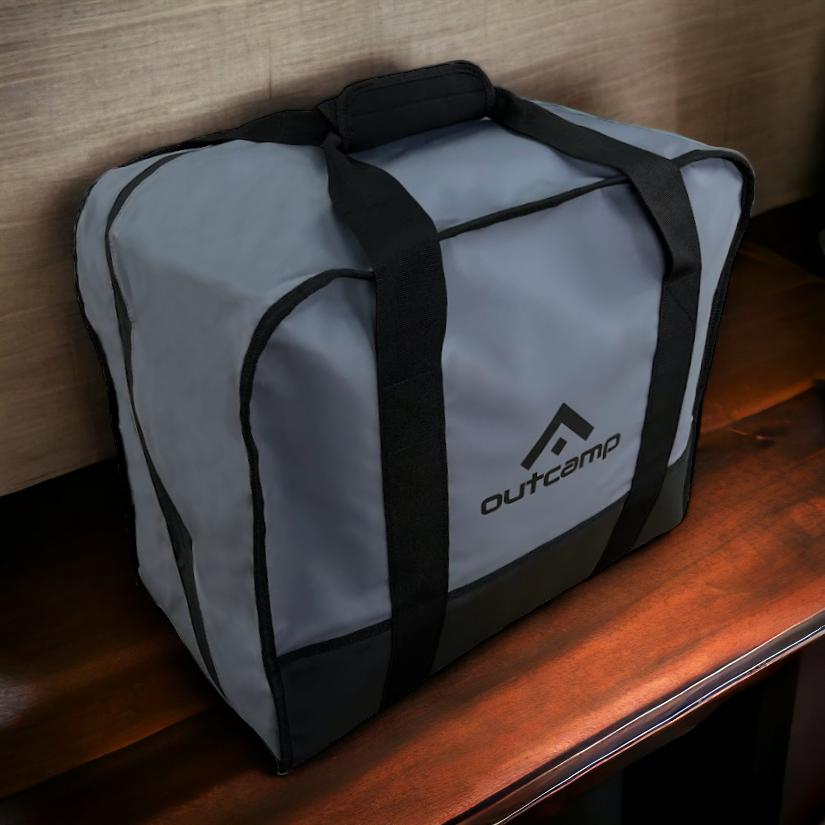
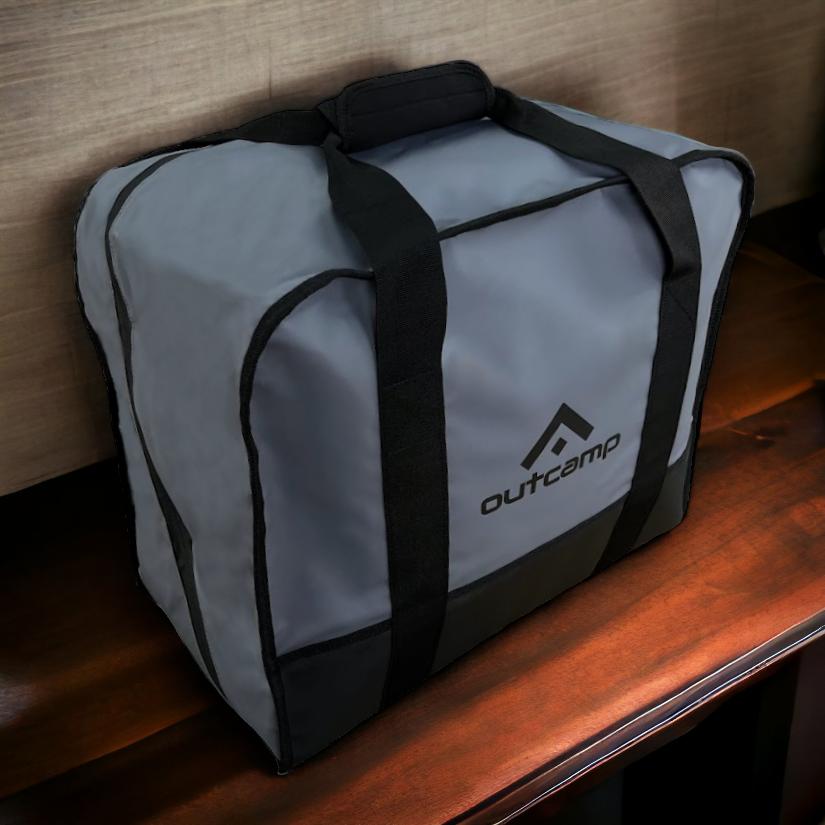
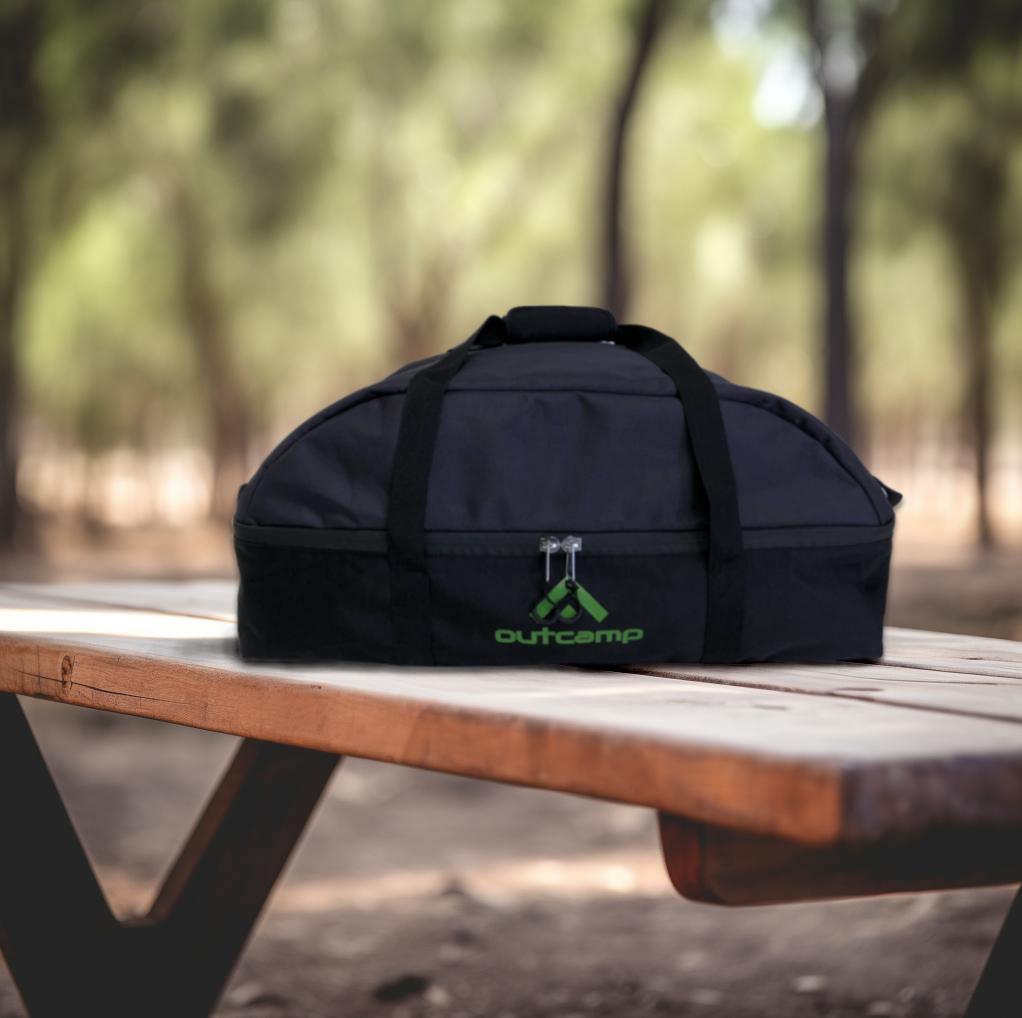
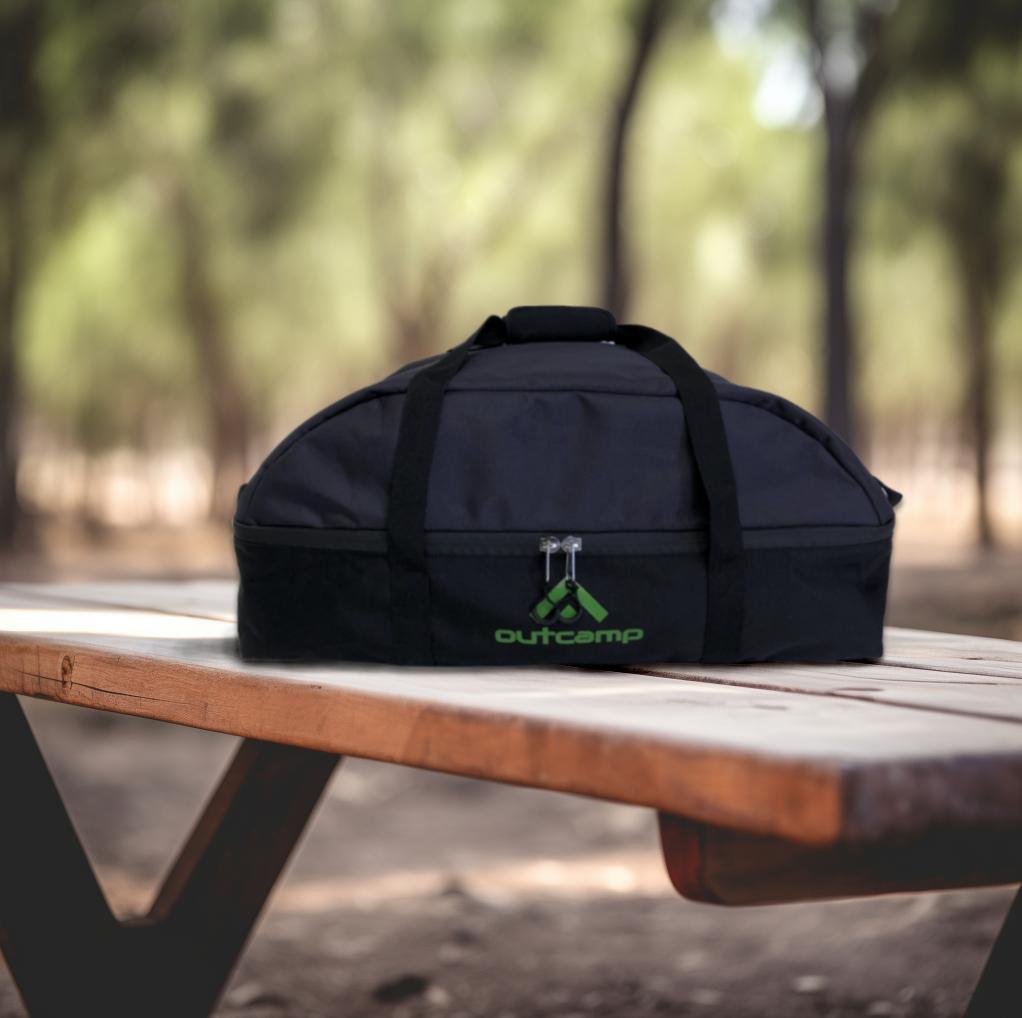
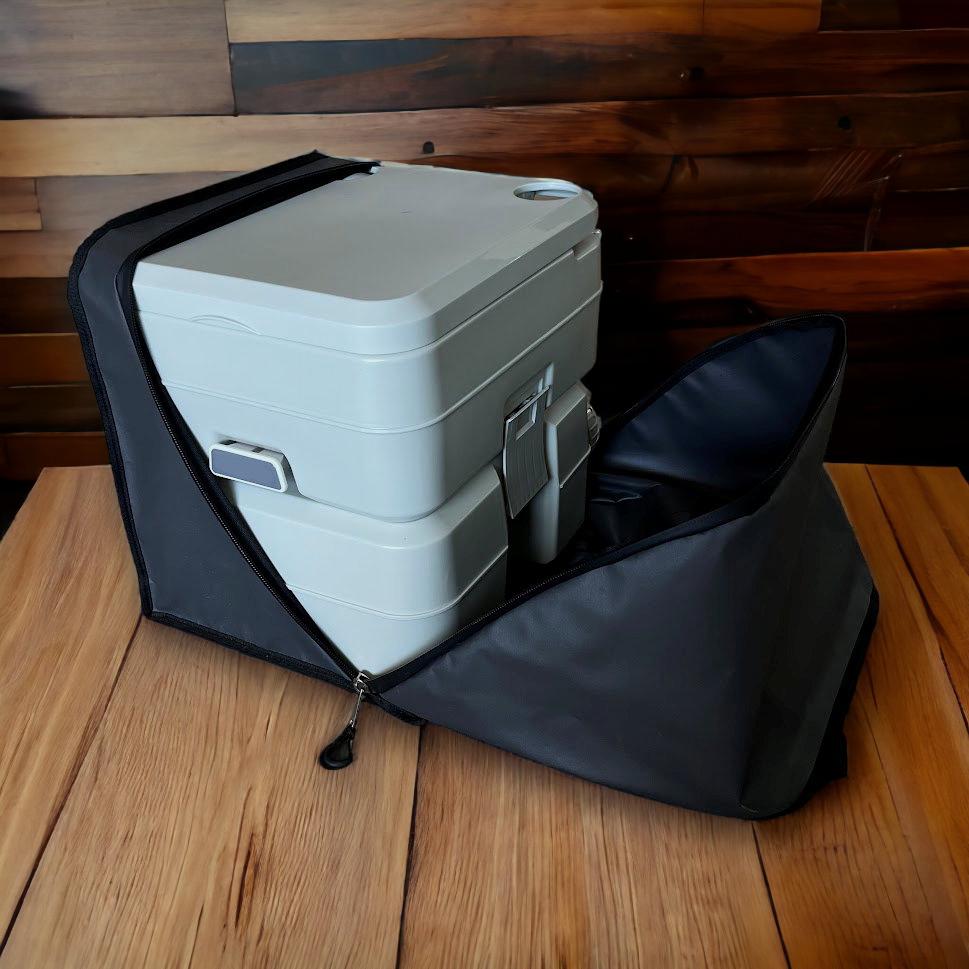
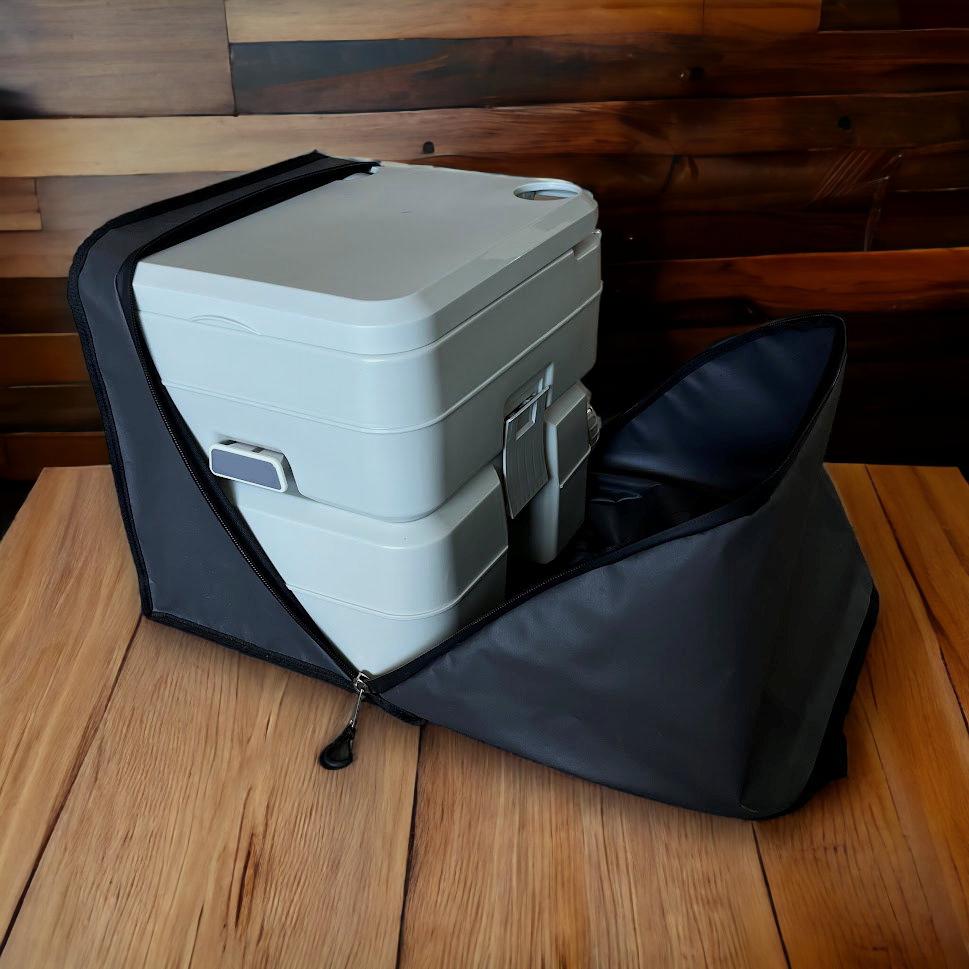
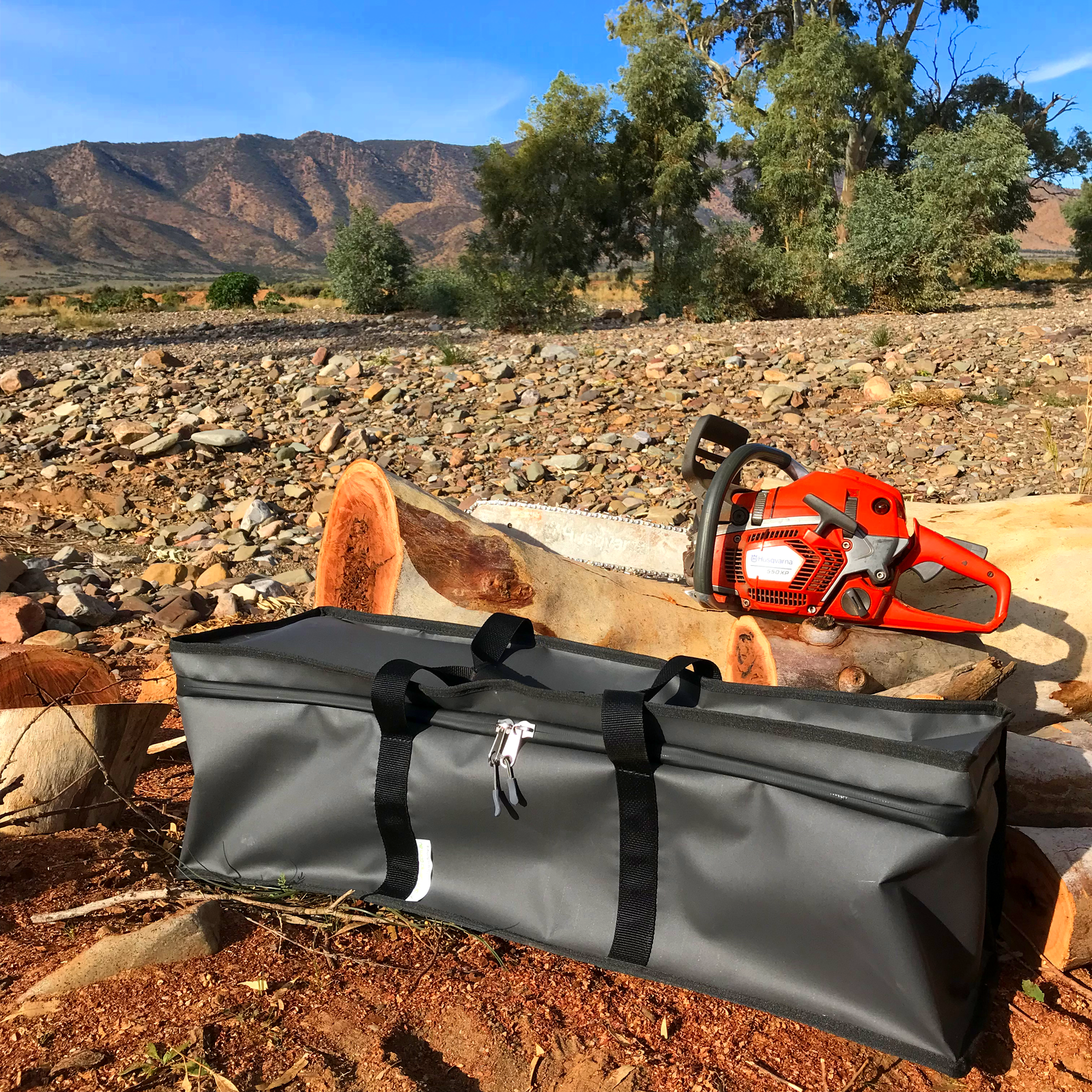
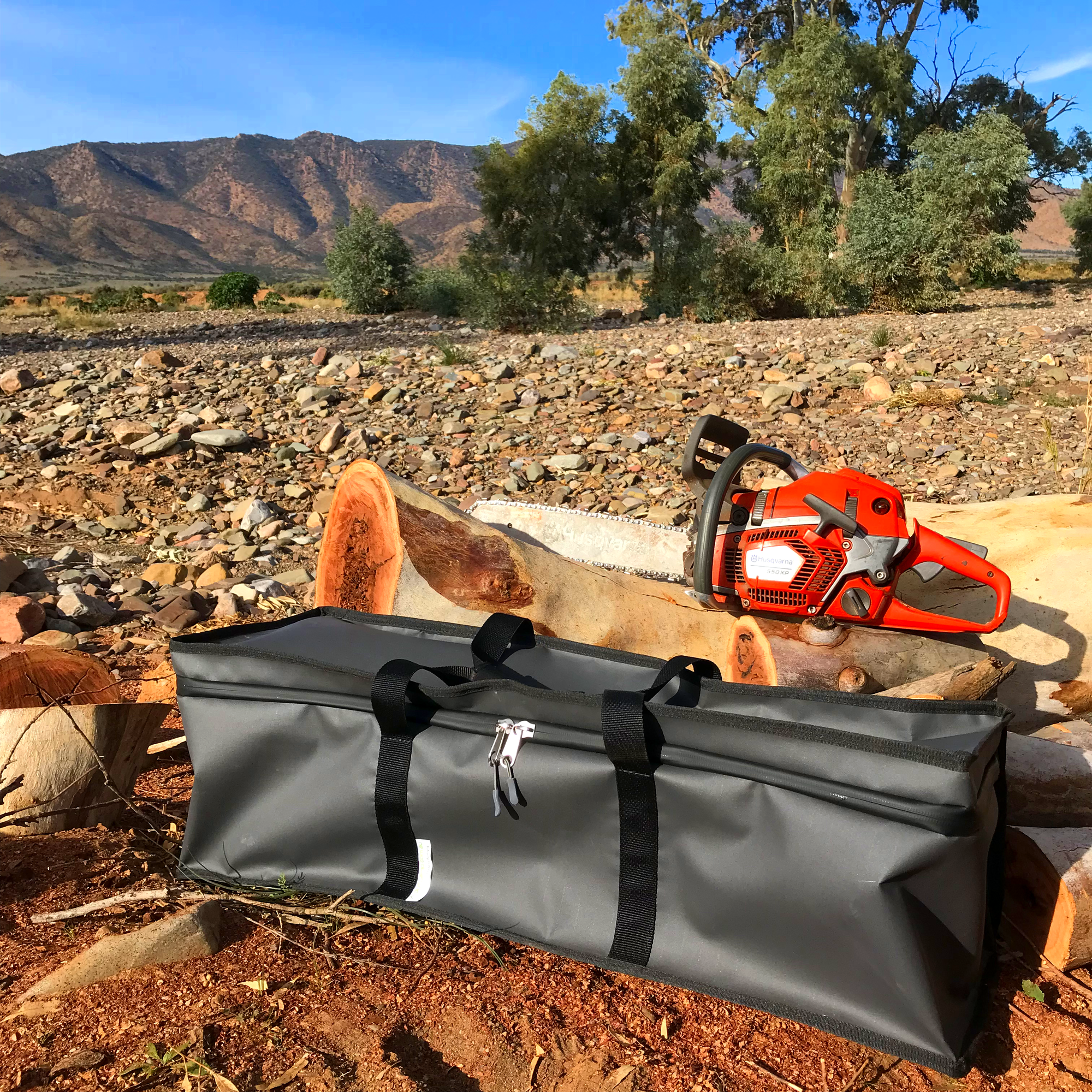
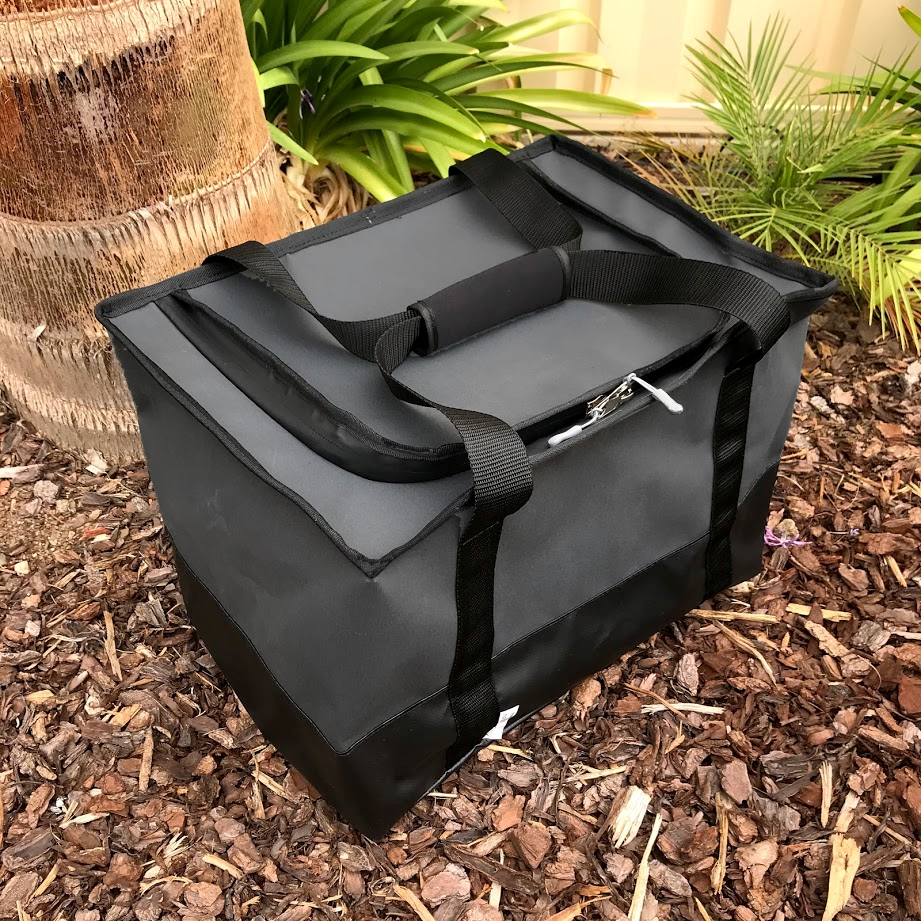
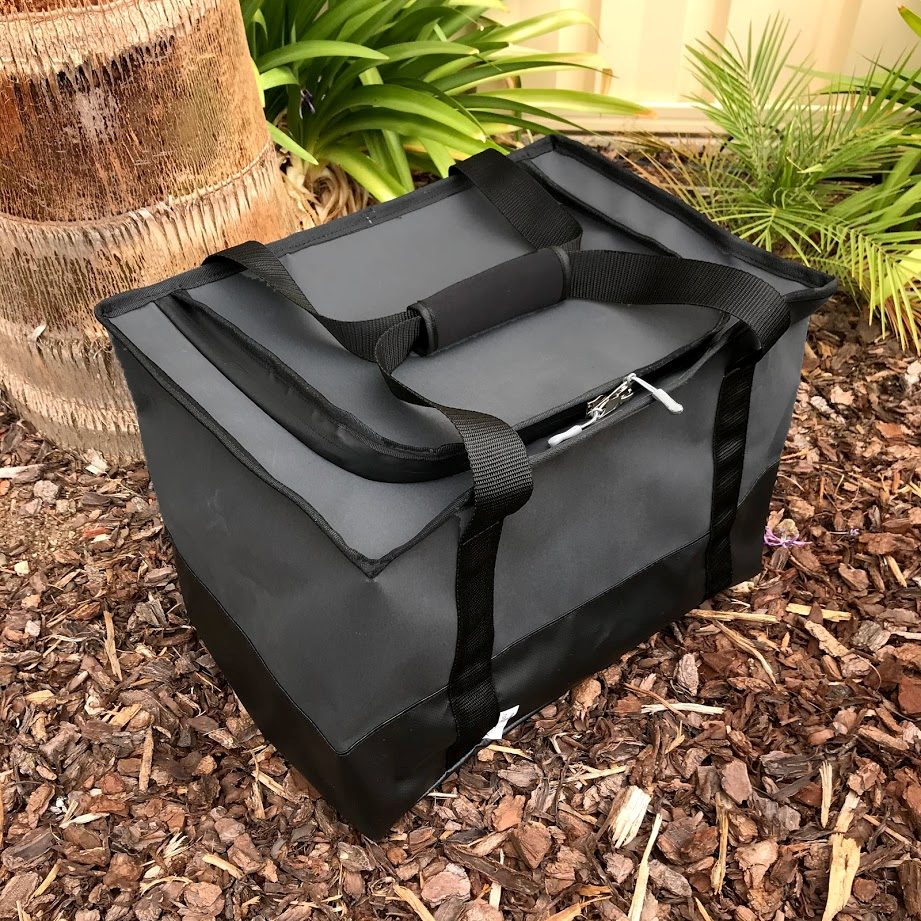
Outcamp stocks a range of accessories suited to exactly this kind of build — from storage solutions and carry bags through to power management accessories that work within a complete touring setup. If you're configuring a new rig or upgrading an existing one, the combination of quality hardware and thoughtful planning will reward you with years of reliable, enjoyable travel in some of Australia's most demanding and rewarding country.




Leave a comment (all fields required)