


Australia hands you some of the most demanding off-road terrain on the planet — from the red dirt corrugations of the Gibb River Road to the soft beach tracks of the Eyre Peninsula. If you're planning a serious trip into the bush, the standard factory spec on most four-wheel drives simply won't cut it. The right 4x4 upgrades Australia has available in 2026 have never been more capable, more accessible, or more precisely matched to the conditions you'll actually face out there.
Whether you're putting together your first touring rig or refining a setup you've been running for years, this guide walks you through the key upgrades and accessories worth your money. We're not talking about bolt-on cosmetics — every piece of kit covered here has a genuine job to do when the track turns difficult and you're a hundred kilometres from the nearest town.
Recovery Gear — The Equipment That Gets You Home
No matter how capable your four-wheel drive is, Australia has a way of finding the one soft patch or hidden rock ledge that will stop you cold. Recovery gear isn't pessimism — it's the equipment that turns a potentially trip-ending incident into a fifteen-minute inconvenience. The 2026 range of recovery equipment from Australian-focused brands has made meaningful jumps in safety, weight, and ease of use, and the investment pays for itself the first time you need it.
A well-put-together recovery kit doesn't need to be heavy or complicated. Modern materials like UHMWPE (ultra-high-molecular-weight polyethylene) have replaced steel in most critical components, giving you gear that's lighter, easier to store, and far safer when things go wrong under load.
Recovery Tracks — Your First Line of Defence
Recovery tracks like MAXTRAX are the single most practical recovery tool you can carry, and for good reason. When you're bogged in sand, mud, or loose gravel, a pair of quality recovery boards under the driven wheels gives immediate traction with minimal effort and no risk of the energy-snap dangers that come with snatch straps. Modern boards are engineered from high-grade polymer with aggressive traction teeth, and the better designs double as shovels for clearing material from around your tyres.
For Australian beach and dune driving, these are non-negotiable. The softer your tyres — which is exactly where you want them for sand traction — the faster you can lose momentum and sit the chassis. Two boards, stored on a rear bar or under a drawer system, weigh almost nothing against the hassle they prevent.
Store them somewhere accessible at the back of the vehicle rather than buried under gear. The whole point is that you can pull them out in under a minute when you need them.
Kinetic Recovery Ropes and Soft Shackles
A good kinetic recovery rope has changed the way two-vehicle recoveries work. Unlike older-style snatch straps, a kinetic rope stretches under load and then contracts, using that energy to pull the bogged vehicle free in a controlled, progressive motion. There's significantly less shock load on both vehicles, which means less chance of damage to towpoints, hitches, or the drivetrain.
Pair your kinetic rope with soft shackles — made from the same UHMWPE braid — rather than traditional steel D-shackles. If a soft shackle fails under load, it falls to the ground. A steel shackle becomes a projectile. Most serious off-road clubs in Australia now mandate soft shackles for recovery work, and the weight saving across your whole kit is meaningful.
Make sure your recovery points are rated for the task. A factory tow ball is not a recovery point. If your vehicle doesn't have rated recovery hooks welded to the chassis, that's the first accessory to fit before you leave the bitumen.
Winches — When You're Travelling Solo
Solo travel through remote country changes your recovery options considerably. Without a second vehicle, you rely on your winch, your anchor points, and your ability to think clearly under stress. A quality electric winch mounted to a bullbar gives you a genuine self-recovery option, provided you know how to use it safely.
Current front-mounted winches in the 9,500–12,000 lb range are well-suited to most touring vehicles in the 2,500–3,500 kg GVM bracket. Synthetic rope is the standard choice — it's safer than steel cable, easier to handle with gloves, and doesn't kink or develop dangerous burrs over time.
Carry a snatch block to double your pulling power when the line pull exceeds the winch rating, and a tree trunk protector strap so you're not damaging vegetation at your anchor point.
Suspension and Performance Upgrades That Actually Matter
A standard factory suspension setup is engineered for an average load on average roads. The moment you start adding gear weight — recovery kit, water, food, camping equipment, a full drawer system — you're outside the design brief. Suspension upgrades for the serious four-wheel drive tourer aren't about looks; they're about keeping the vehicle safe, comfortable, and predictable under a realistic touring load.
Australian terrain is also unforgiving on stock suspension components. Corrugated outback tracks hammer through standard shock absorbers at a rate that leaves many rigs wallowing on the return leg of a long trip. The aftermarket response from brands like Dobinsons, Old Man Emu, and Pedders has been excellent, and the current crop of remote reservoir shocks and coilovers are a genuine upgrade over what came standard.
Lift Kits and GVM Upgrades
A lift kit does two things: gives you additional ground clearance for obstacles and rock steps, and in most cases allows fitment of larger tyres. For a touring rig, a 40–50mm lift using quality springs and shocks is the practical sweet spot. More than that and you start affecting handling geometry and centre of gravity in ways that require additional corrective work.
A GVM (Gross Vehicle Mass) upgrade is worth serious consideration if you're running a heavy setup. Manufacturers like Pedders offer certified GVM+ kits that legally increase your vehicle's rated payload — critical for those running full drawer systems, a rooftop tent, a dual battery setup, and recovery gear, all of which add up faster than most people expect.
Exceeding your GVM isn't just a roadworthiness issue; it affects your insurance and your ability to legally cross certain tracks in national parks. Get it right from the start.
Tyres and Tyre Management
All-terrain tyres are the baseline for serious off-road use in Australia. A quality AT tyre gives you the grip you need on dirt and rock while still performing acceptably on the highway sections between adventures. Mud terrain tyres are appropriate for specific conditions — heavy mud and severe rock — but wear faster on bitumen and can be noisier than many tourers want over long distances.
Tyre pressure management is as important as the tyres themselves. Airing down to 20–22 PSI for dirt roads and as low as 15 PSI for beach or sand is standard practice — it increases the tyre's footprint, absorbs corrugation, and dramatically improves traction in soft conditions.
The flip side is that you need a reliable way to reinflate. A quality 12V air compressor and a TPMS (Tyre Pressure Monitoring System) are worthwhile additions to any serious touring setup.
Snorkels and Underbody Protection
A snorkel is one of the most practical protection upgrades you can fit, even if you never intentionally cross deep water. Relocating the engine's air intake to roof height gives you a significant safety margin at unexpected creek crossings, but it also keeps your air filter out of the dust, sand, and moisture that settles low near the ground on outback tracks.
Diesel engines in particular benefit from consistently clean, dry air — the fuel consumption and longevity gains are real. Underbody protection — bash plates covering your sump, gearbox, and fuel tank — is less glamorous but equally important.
One good rock strike in the wrong place on an unprotected sump is a trip-ender. Quality steel or aluminium bash plates from ARB, TJM, or the vehicle-specific aftermarket are a set-and-forget investment that pays off the moment you need it.
Power and Electrical Systems for the Modern 4x4 Touring Setup
The modern four-wheel drive tourer runs on power. A 12V fridge, phone and GPS charging, lighting, a CPAP machine for campers who need them, and increasingly, satellite internet via Starlink — all of it draws on your electrical system. Factory alternators and single-battery setups aren't designed to carry this load overnight. Getting your power sorted before a remote trip is one of the highest-value upgrades you can make.
The shift toward lithium iron phosphate (LiFePO4) batteries in 2026 has been significant. Their ability to deliver consistent power at lower states of charge — unlike AGM batteries, which drop voltage as they discharge — makes them considerably more effective for serious off-grid use.
Dual Battery Systems and Lithium Upgrades
A dual battery system separates your start battery from your accessories battery, meaning you can run your fridge, lights, and devices overnight without the risk of a flat battery in the morning. A DC-DC charger ensures your auxiliary battery charges correctly from the alternator regardless of the voltage differences between them — a critical point if you're running lithium.
A 100Ah lithium battery weighs roughly a third of an equivalent AGM, and practically all of that capacity is usable. For a fridge running 24/7, LED lighting, and moderate device charging, a 100Ah–150Ah lithium setup covers most two-to-three night remote stays comfortably.
Pair your battery system with a quality battery management system (BMS) and a solar input — even a 120W–200W folding solar panel dramatically extends your off-grid capability on longer trips.
Satellite Connectivity and Communication
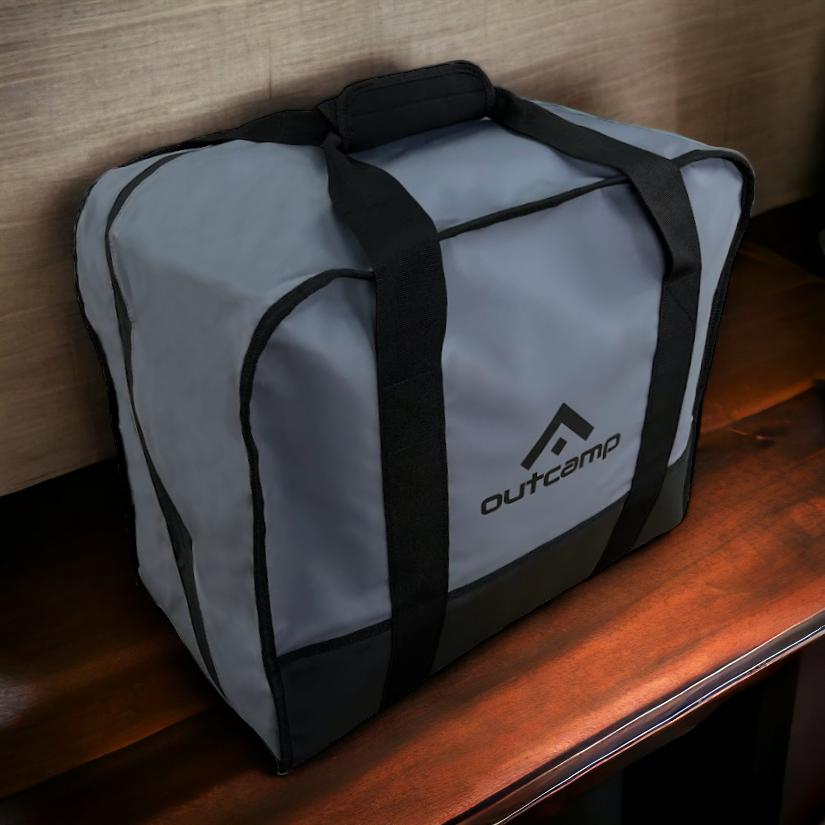
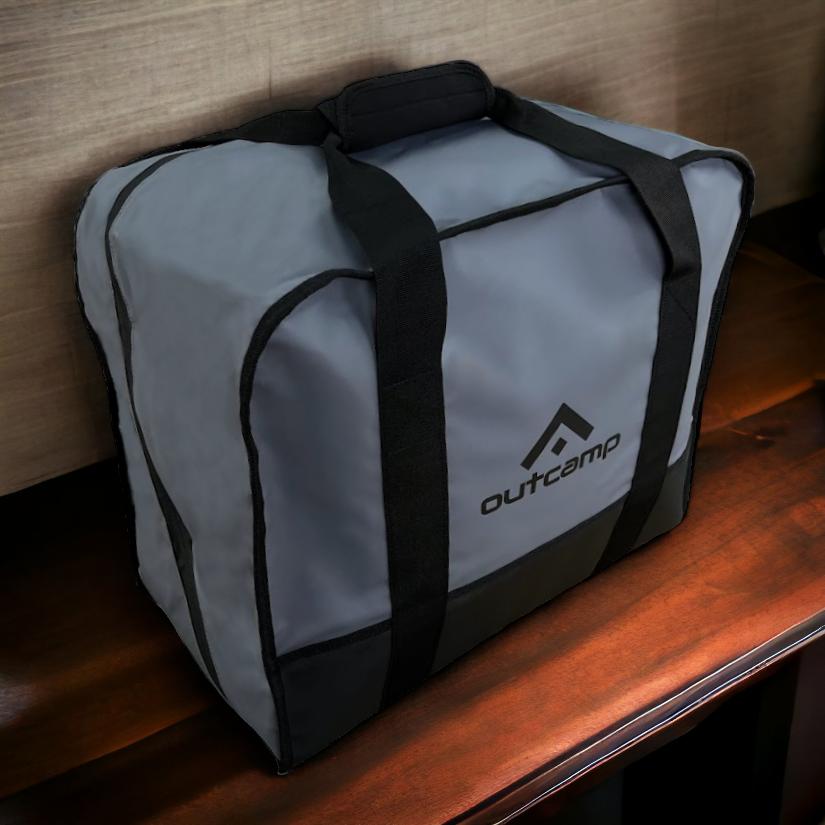
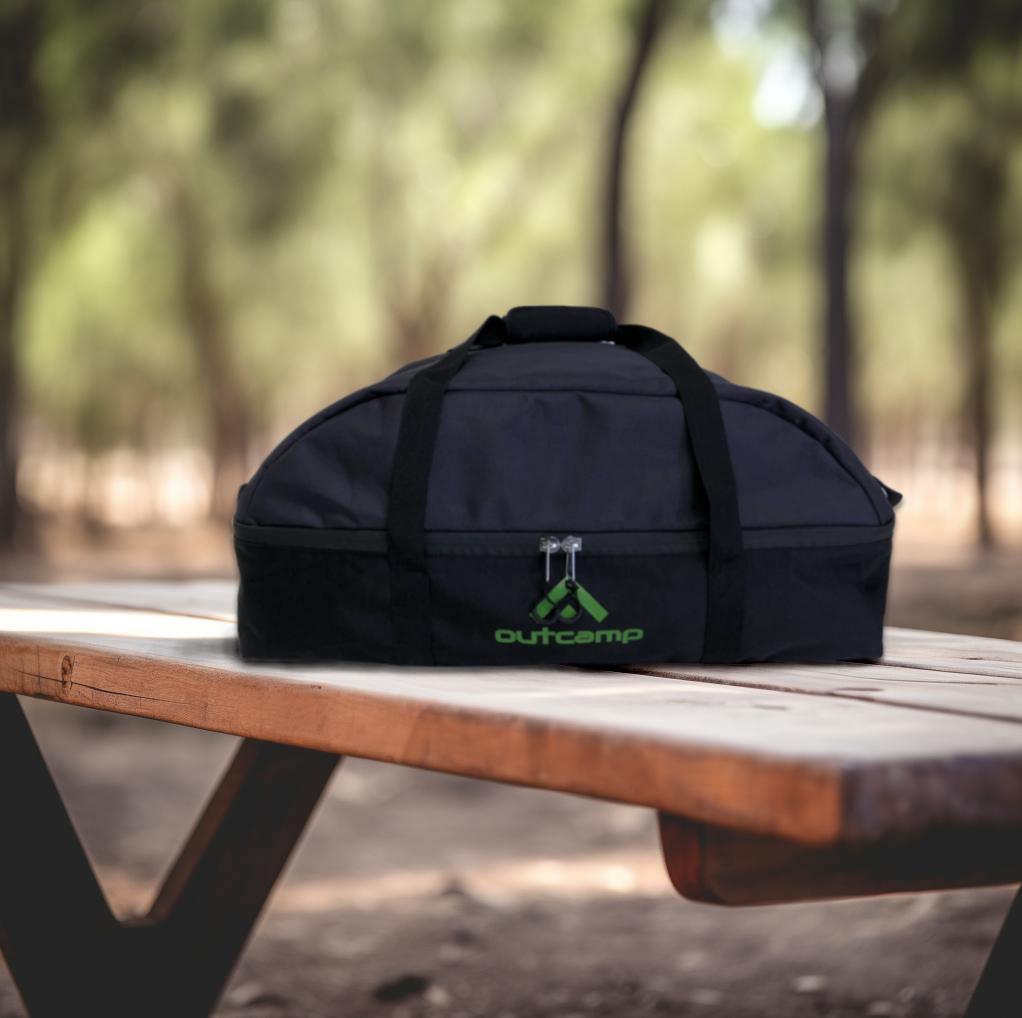
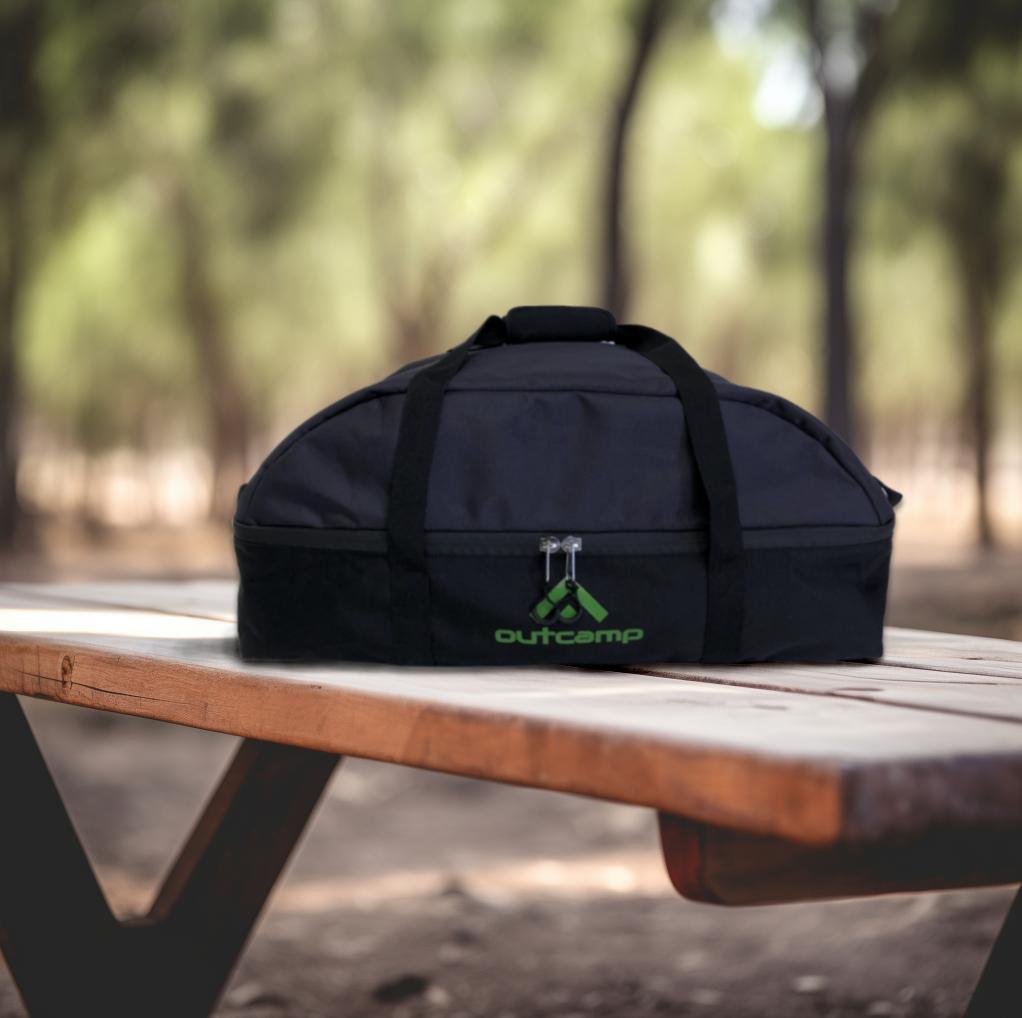
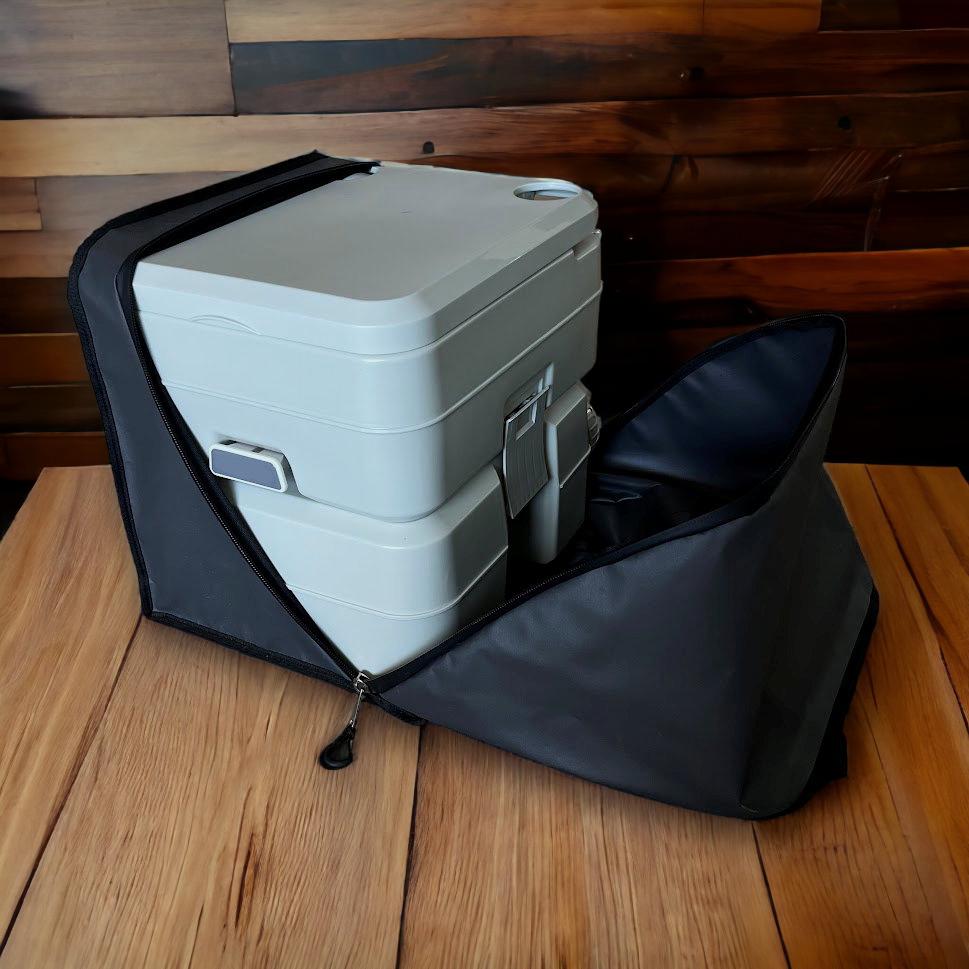
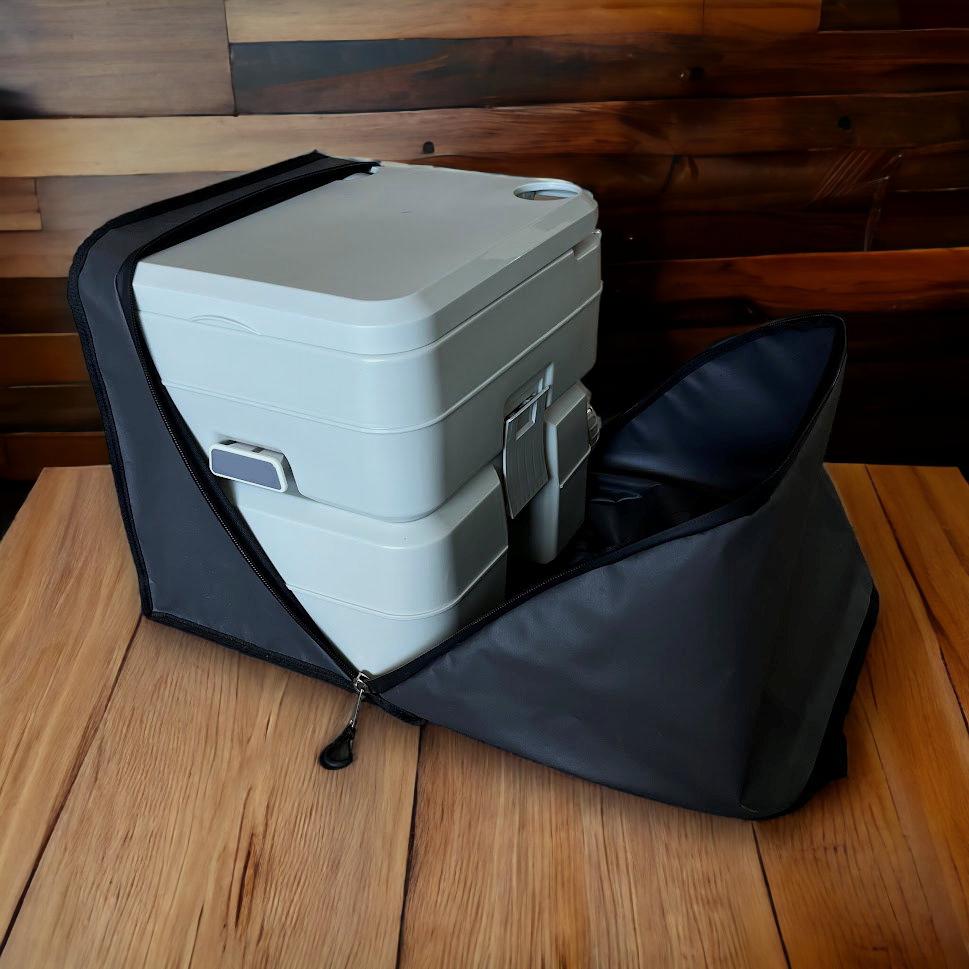
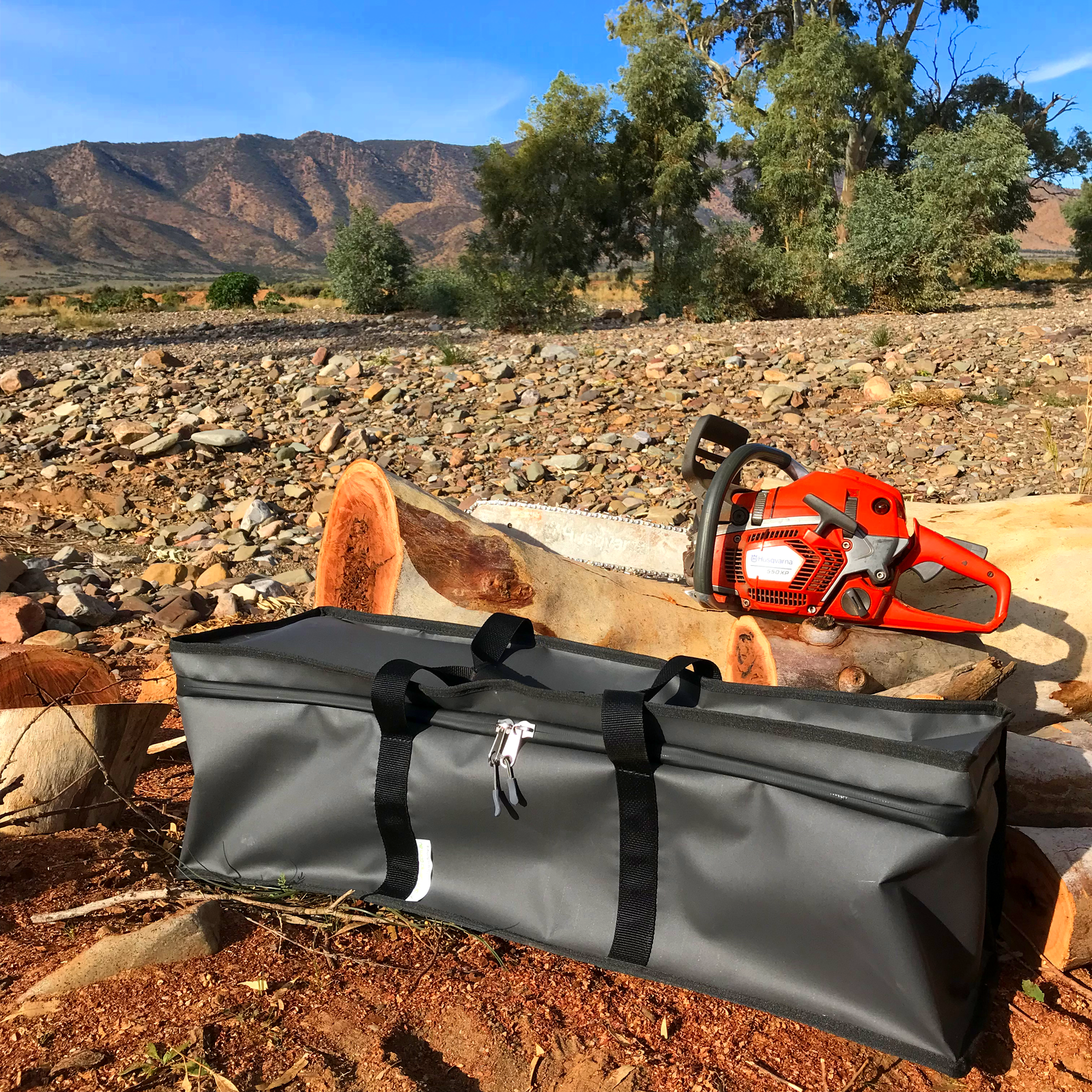
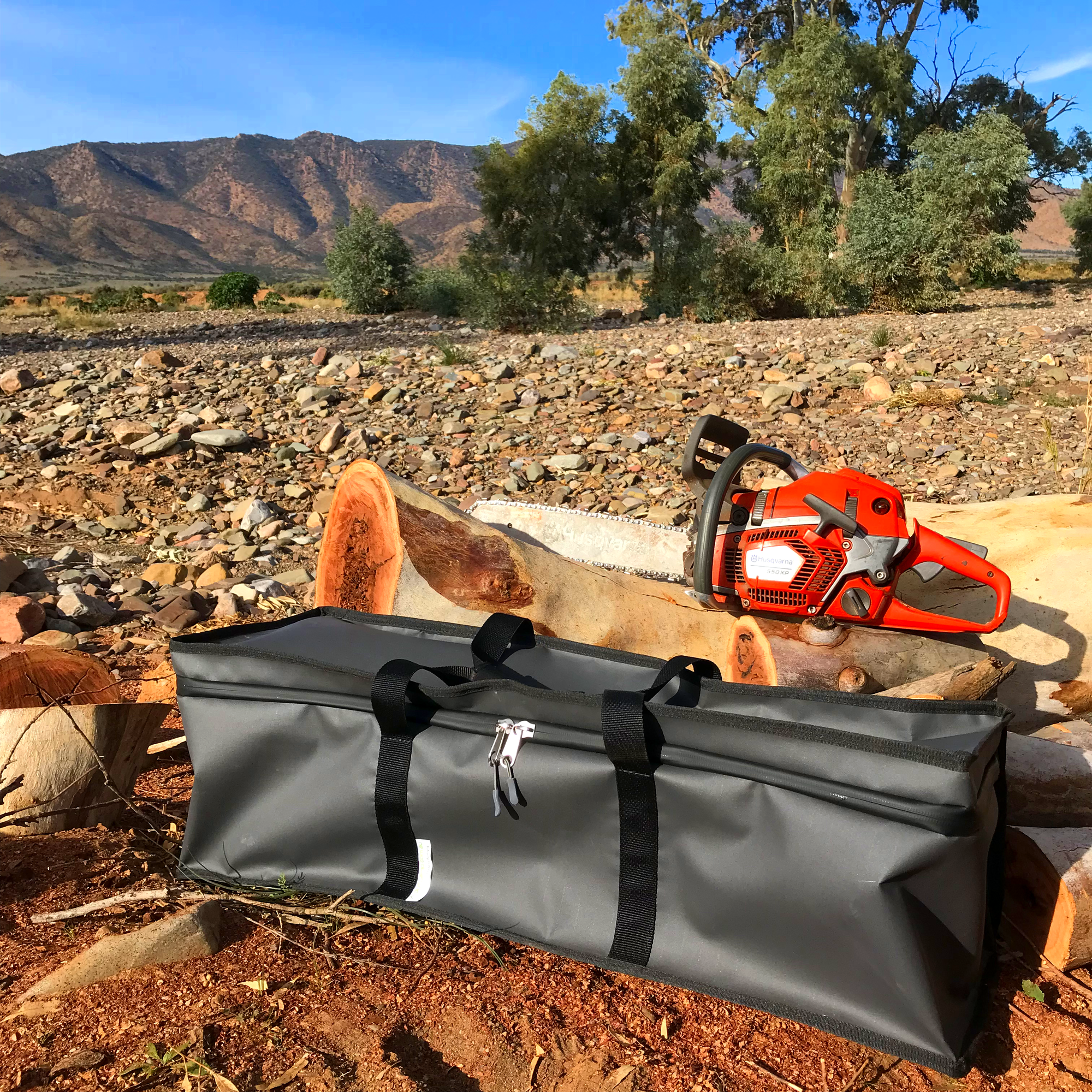
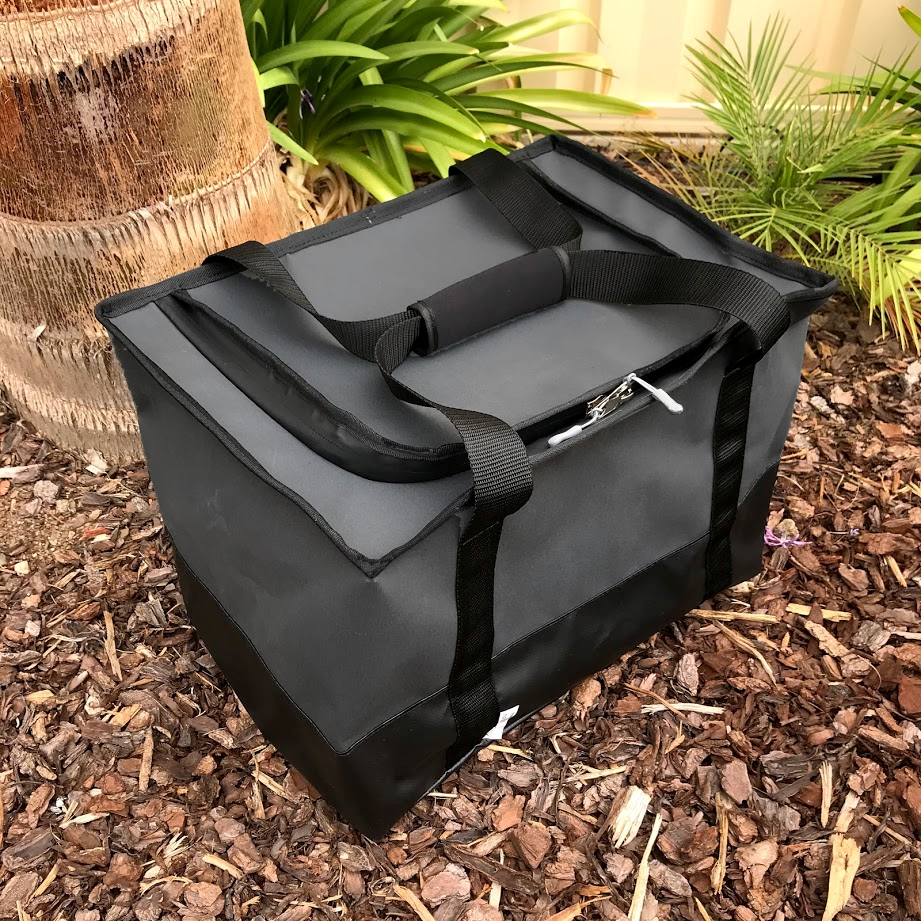
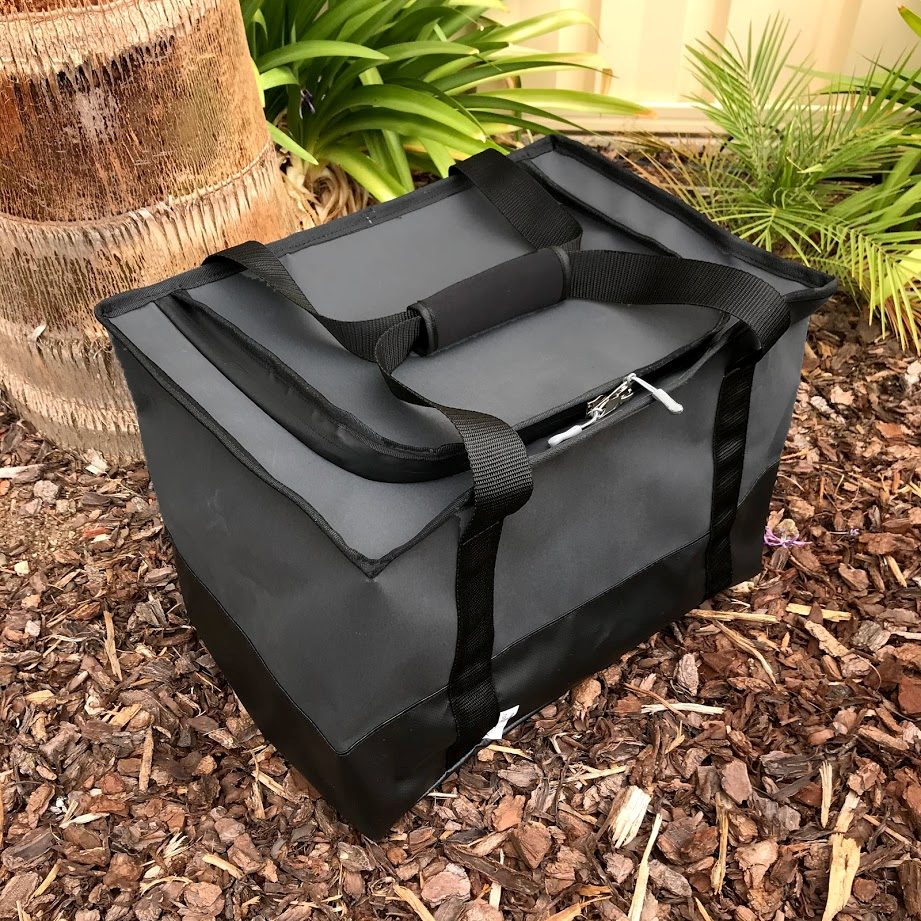
For remote touring in 2026, staying connected has moved from luxury to practical safety consideration. Starlink's satellite internet service — and Outcamp's range of mounting solutions and carry bags designed specifically for touring rigs — gives you reliable high-speed internet in places where mobile coverage disappears entirely. The ability to check weather, send location updates, or access emergency services information from a remote campsite is a genuine change to what off-road travel looks like.
For emergency communication when satellite internet isn't needed, a Personal Locator Beacon (PLB) is mandatory for serious remote travel. Australian law requires all wilderness travellers to carry one in certain parks, but the requirement reflects sound judgement regardless of legal obligation.
UHF CB radio remains essential for communicating with other vehicles in convoy and for logging in with stations on recognised outback routes. A quality dual-band UHF/VHF setup is worth the investment for anyone regularly travelling remote Australia.
Camping Gear Designed for the 4x4 Touring Life
The way you configure your vehicle's camping setup directly affects how enjoyable and sustainable your trips are. A well-organised rig means less time setting up and packing down, more time actually using the country you've driven to reach, and a lower risk of forgetting something critical at the wrong moment.
The current generation of 4x4 camping accessories — rooftop tents, awnings, drawer systems, and camp kitchens — is better engineered and better suited to Australian conditions than anything available five years ago.
Rooftop Tents and Awnings
Rooftop tents have become a standard choice for Australian four-wheel drive tourers. Hard-shell models fold flat on the roof rack and open in under two minutes. They keep you off the ground — away from insects, moisture, and the occasional curious snake — and eliminate the need to find a flat, clear campsite on the ground.
Awnings are equally essential for Australian conditions. A 2.5m–3m side awning provides immediate shade and shelter at camp, and the batwing style gives you wraparound coverage for larger groups. In the Australian summer, having reliable shade isn't comfort — it's a health requirement.
Quality awning arms with built-in LED strips are now widely available and add functional camp lighting without the need for a separate lighting setup. It's a small detail that makes a meaningful difference at the end of a long day's driving.
Drawer Systems and Storage Organisation
A quality drawer system installed in your rear cargo area transforms how you travel. Everything has a place, gear is accessible without unpacking the entire load, and the system keeps heavy items low and centred in the vehicle. Aluminium systems from Australian manufacturers are built specifically for the load and vibration of outback touring, and they're significantly more durable than cheaper imported options.
Pair your drawer system with a well-organised camp kitchen — a side-opening drop-down unit or a pull-out slide is far more ergonomic than hunting through a flat storage tray. Access from the rear of the vehicle while parked means you're not climbing over gear or unpacking and repacking at every stop.
Think carefully about weight distribution when you design your storage layout. Heavy items — water containers, battery, tools — should sit as low and as close to the axles as possible. This makes a measurable difference to how the vehicle handles on corrugated tracks.
Camp Lighting
LED light bars and driving lights have reached a level of reliability and brightness that makes a genuine difference on unlit outback tracks. A quality set of LED spot lights on your bullbar significantly extends your safe driving window at dusk and dawn — the times when animals are most active and visibility is most dangerous.
Internal LED strip lighting in your sleeping area and around your campsite setup is low-draw, compact, and a significant quality-of-life improvement over camping lanterns. Bluetooth-controlled strip lighting that ties into your vehicle's 12V system is now affordable and genuinely useful.
Consider a portable work light for mechanical work and campsite tasks — a quality rechargeable LED flood with magnetic mount is one of those pieces of kit that earns its place every single trip.
Building Your 4x4 Setup the Right Way
Building a capable 4x4 touring rig is an iterative process — few people buy everything at once, and the best setups develop over multiple trips as you learn what the terrain actually demands and where your current kit is falling short. The upgrades covered in this guide represent the foundations that experienced Australian tourers consistently rely on: solid recovery gear, appropriate suspension, a reliable power system, and a well-organised camping setup.
The most important thing is not to compromise on the equipment that keeps you safe. Recovery gear, rated recovery points, communication devices, and a known-good electrical system aren't places to cut corners. Everything else — the rooftop tent, the drawers, the awning — improves the experience once the fundamentals are solid.
For carry bags, mounting solutions, and connectivity accessories to complement your touring setup, the Outcamp range is built for Australian conditions and the kinds of trips that put kit to the test. Browse the full Outcamp collection at outcamp.com.au and gear up for wherever the next track takes you.








Leave a comment (all fields required)