There is something about pulling off a dirt track, popping up an OzTent in thirty seconds flat, and settling in beside a campfire with nothing but bush in every direction. No powered sites. No camp kitchen queues. No neighbours three metres away. Just you, the fire, and a sky full of stars. Free camping in the NSW bush is one of the last great affordable adventures in this country, and if you have not tried it yet, you are missing out.
New South Wales is home to an enormous spread of national parks, state forests, and reserves that offer free or low-cost bush camping. From the sandstone gorges of the Blue Mountains hinterland to the red dirt of the far west, there are spots where you can set up your 30-second OzTent, crack open a cold one, and not see another soul for days. This guide covers some of the best free bush camping locations across NSW, with practical tips for making the most of your OzTent setup in the Australian outback.
Why an OzTent Is Perfect for Bush Camping in NSW
When you are bush camping in NSW, conditions can change quickly. Afternoon storms roll in off the ranges, temperatures drop sharply after sunset, and the last thing you want is to be wrestling with a fiddly tent in failing light after a long day on corrugated dirt roads. This is exactly where a 30-second OzTent earns its keep.
The beauty of an OzTent for bush camping is the combination of speed, durability, and comfort. You pull up to a clearing, swing the tent off the roof rack or out of the tray, and you are set up before the billy has boiled. The heavy-duty canvas handles the kind of wind and dust you cop out west, and the integrated floor keeps the crawlies at bay. For anyone running a 4WD touring setup through the NSW bush, it is hard to beat.
Setup That Works on Any Surface
One of the biggest advantages of an OzTent in the bush is that it does not need perfectly flat, manicured ground to work. The sturdy frame and weighted base mean you can pitch on red dirt, rocky clearings, or dried creek beds without drama. Most of the free camping spots across NSW are exactly these kinds of surfaces — raw, unimproved bush clearings where a flimsy dome tent would be a nightmare.
Pair your OzTent with a good quality swag mat or self-inflating mattress and you have a setup that rivals any paid campground. Add a simple awning off the side for shade during the day and rain protection at night, and your bush camp becomes genuinely comfortable for extended stays.
The quick pack-down is just as valuable as the quick setup. When you are touring through multiple locations across NSW, being able to break camp in minutes rather than half an hour means more time on the track and less time faffing about with poles and pegs.
Built for Australian Conditions
The canvas construction on an OzTent breathes far better than synthetic alternatives, which matters enormously during those warm inland NSW nights. The ripstop poly-cotton handles UV exposure without degrading the way cheaper materials do, and it sheds rain reliably when those summer thunderstorms hit without warning.
Ventilation panels and mesh windows are designed for Australian conditions — keeping airflow moving while blocking mosquitoes and flies. Anyone who has tried sleeping in a sealed synthetic tent on a 30-degree night near the Darling River will appreciate why canvas is king in the bush.
The overall footprint of a 30-second OzTent is compact enough to fit most bush clearings, but generous enough inside that you are not sleeping with your knees against the walls. For couples or solo travellers doing extended bush tours through NSW, this balance of space and packability is exactly right.
Top Free Bush Camping Spots in NSW
NSW has hundreds of free camping spots scattered across national parks, state forests, and crown land reserves. Some require 4WD access, others are reachable by any vehicle with reasonable clearance. The common thread is that they all offer genuine bush camping experiences without the price tag of commercial caravan parks.
Here are some of the standout locations worth adding to your next NSW bush camping trip. Each one is well-suited to an OzTent or swag setup and delivers the kind of remote, peaceful camping that keeps you coming back.
Ganguddy-Dunns Swamp, Wollemi National Park
Tucked away near Rylstone in central NSW, Ganguddy-Dunns Swamp is one of those spots that feels far more remote than it actually is. The campground sits on the Cudgegong River surrounded by dramatic pagoda rock formations that glow orange at sunset. It is a World Heritage location with open grassy areas that are perfect for popping up an OzTent, and the fishing, canoeing, and swimming right on your doorstep make it easy to fill a few days here.
There is no drinking water on site, so bring everything you need. Wood barbecues are available, and the Pagoda Lookout walking track gives you expansive views across the river and surrounding bushland. It is one of those rare spots that offers genuine beauty and solitude without needing a full day of 4WD travel to reach.
The campground is free, though bookings through NSW National Parks are now required for most sites. Check the website before heading out, as popular weekends can fill up. Midweek visits are the way to go if you want the place to yourself.
Nymboida River Campground, Nymboida National Park
If you want truly remote bush camping and you have a capable 4WD, Nymboida River campground on the north coast hinterland is hard to top. The access road passes through a historic hand-cut tunnel carved into the rock, which sets the tone for what lies ahead — a wild, unspoilt river campground where you are likely to be the only ones there.
The setting is dramatic, with steep landforms rising from the river and dense bush pressing in on all sides. Non-flush toilets and basic BBQ areas are the extent of the facilities, and there is no drinking water, so come fully self-sufficient. The river offers excellent swimming and canoeing, and the surrounding bush is home to a rich variety of birdlife.
One important note: camp well away from the river itself. Flash flooding from the Dorrigo Plateau can send water levels rising quickly, and you do not want your OzTent in the path of a surge. Set up on higher ground, enjoy the river during the day, and sleep safely above the waterline at night.
Brushy Mountain Campground, Werrikimbe National Park
For something different, Brushy Mountain campground in the mid-north coast hinterland puts you among ancient Gondwana rainforests and tall ribbon gum and blackbutt forest. The campground itself is a hard-packed clearing — basic but functional — with no water, no firewood supplied, and no rubbish bins. You carry everything in and everything out.
What you get in return is access to genuinely special bushland. The Brushy Mountain loop walk is an easy stroll through the forest canopy, while the 9-kilometre trail to Spokes Lookout rewards the effort with commanding views across the ranges. Birdwatchers will be in their element here, with rare species including the spotted-tailed quoll and rufous scrub-bird calling this park home.
A 4WD is recommended, particularly after rain when the access road can become boggy. Your OzTent will handle the conditions well on the hard-packed surface, and the forest canopy provides natural shelter from sun and light rain. No generators are allowed, which means the only sounds you will hear are birds, wind, and the occasional rustle of a wallaby through the undergrowth.
Cathedral Reserve, Mount Wilson
For those who want a bush camping experience without a massive drive from Sydney, Cathedral Reserve near Mount Wilson in the Blue Mountains is a solid option. It is the largest free campground in the Blue Mountains area, with open grassy flats and tree-sheltered spots to choose from. The adjacent Cathedral of Ferns walking track is a ten-minute stroll through some of the most impressive temperate rainforest in the region.
Facilities include composting toilets, fireplaces, picnic tables, and tank water — though you should still bring your own drinking supply or boil what is available. Dogs are allowed here, which is a rarity among NSW national park campgrounds and a genuine bonus for those who travel with their four-legged mates.
The flat, grassy surface is ideal for an OzTent setup, and the surrounding trees provide welcome shade during warmer months. It does get busy on weekends and school holidays, so aim for midweek visits if you prefer a quieter experience. The three-hour drive from Sydney makes it accessible enough for a long weekend without feeling like you have barely left the city.
Abercrombie River National Park
South-west of Bathurst, Abercrombie River National Park offers genuinely remote bush camping along the banks of the Abercrombie River. The campground at Silent Creek is basic — pit toilets and fire rings are about all you will find — but the setting more than compensates. Towering river red gums line the banks, and the surrounding dry eucalypt woodland is classic central western NSW bush.
This is excellent country for an OzTent setup. The clearings along the river are flat and firm, with enough space to spread out your camp properly. Fishing in the river is popular, and there are several walking tracks through the surrounding woodland that give you a real sense of the landscape. The park is also home to platypus, so keep your eyes on the river at dawn and dusk.
Access is via unsealed roads that are generally manageable in a high-clearance vehicle, though 4WD is recommended after rain. The isolation here is genuine — mobile coverage is patchy at best, which is either a drawback or the whole point, depending on your perspective.
Essential Gear for Free Bush Camping in NSW
Free bush camping means no facilities beyond the basics. The trade-off for not paying campground fees is that you need to be entirely self-sufficient. Your vehicle and your gear are your lifeline, and getting the setup right before you leave makes all the difference between a great trip and a miserable one.
Beyond your OzTent, there are a few items that turn a basic bush camp into a comfortable one. Planning your gear list around the specific conditions you will face in the NSW bush — heat, dust, limited water, and remote locations — is essential.
Water and Cooking
Water is the number one priority at every free campsite in NSW. Most have no drinking water whatsoever, and those that have tank or bore water recommend treating it before consumption. Carry a minimum of 10 litres per person per day, and more if you are heading to remote western NSW where the nearest town might be hours away.
A good camp stove or fire setup paired with cast iron cookware will cover your cooking needs. Check fire restrictions before you go — total fire bans are common across NSW during summer, and fines for non-compliance are severe. A compact gas stove is essential backup even if you plan to cook over coals.
Investing in a quality water filtration system makes river and creek water usable in an emergency. Several of the campgrounds mentioned above sit beside rivers where water can be sourced and treated. A gravity filter weighs almost nothing and could be genuinely valuable if your primary supply runs low.
Power and Connectivity
Remote bush camping in NSW means limited or zero mobile coverage at most locations. A quality portable solar panel and battery setup keeps your essentials charged — phone, GPS, camp lights, and any 12-volt accessories running off your vehicle system. For those who need to stay connected for work or safety, a portable Starlink setup changes the game entirely, giving you reliable internet access even in the most remote corners of the state.
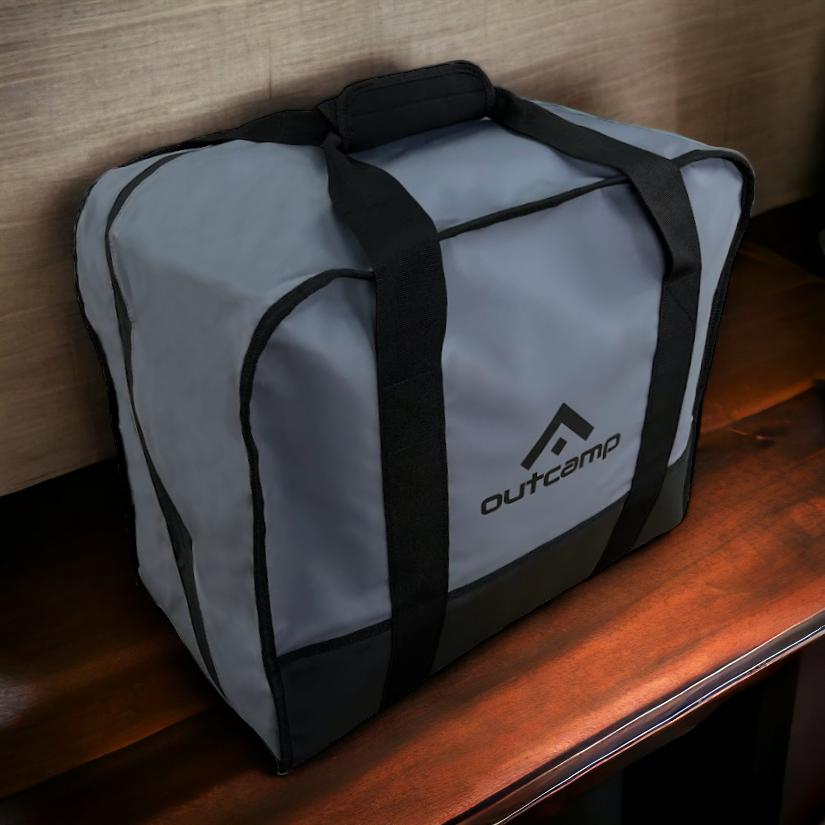
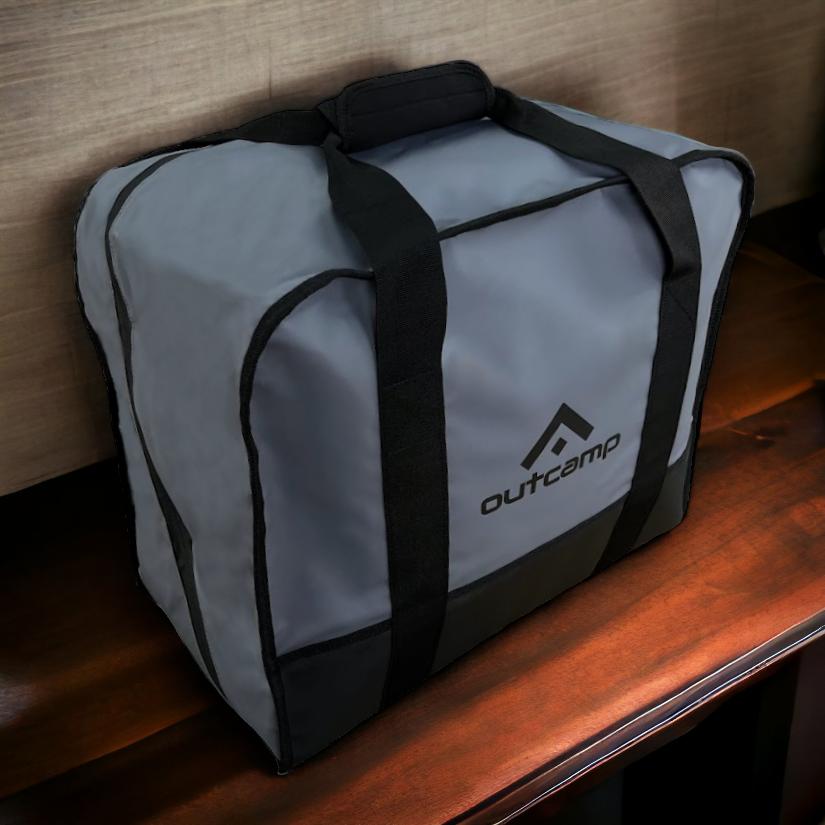
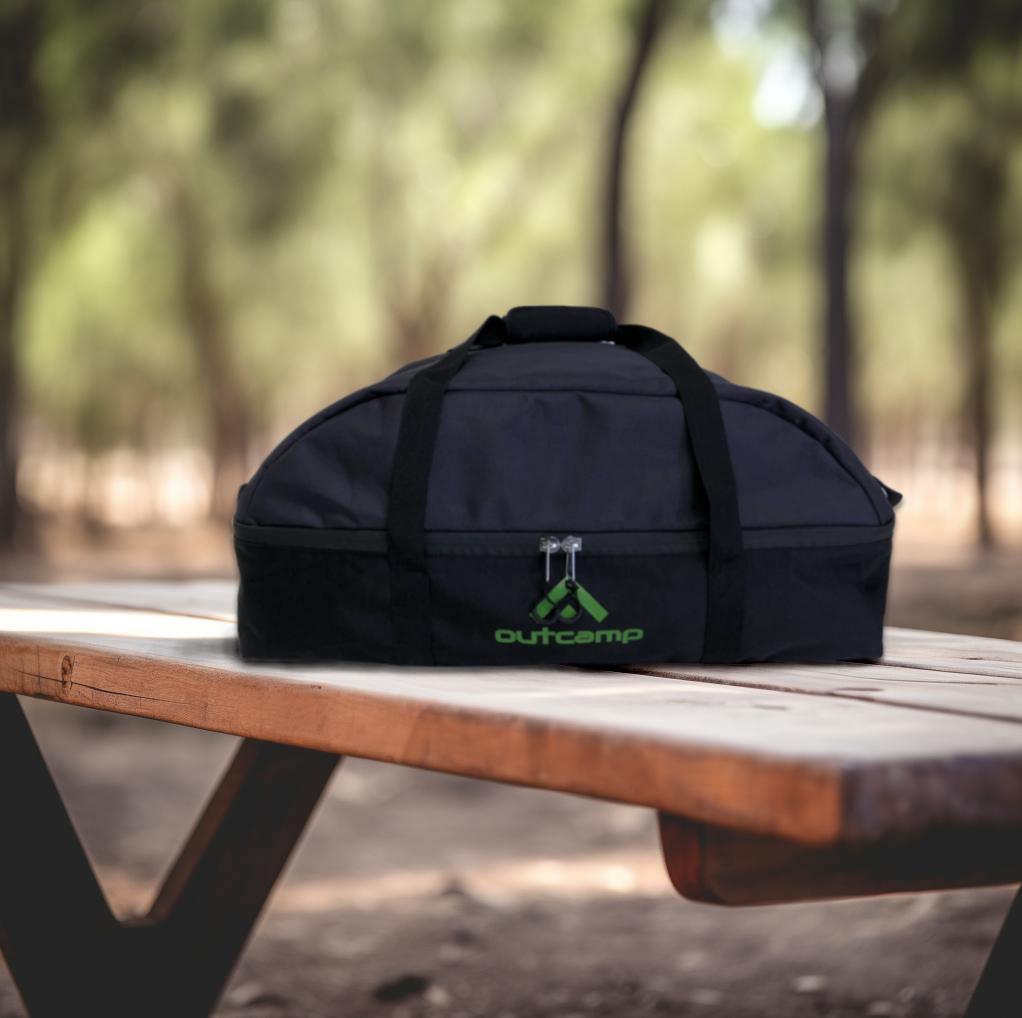
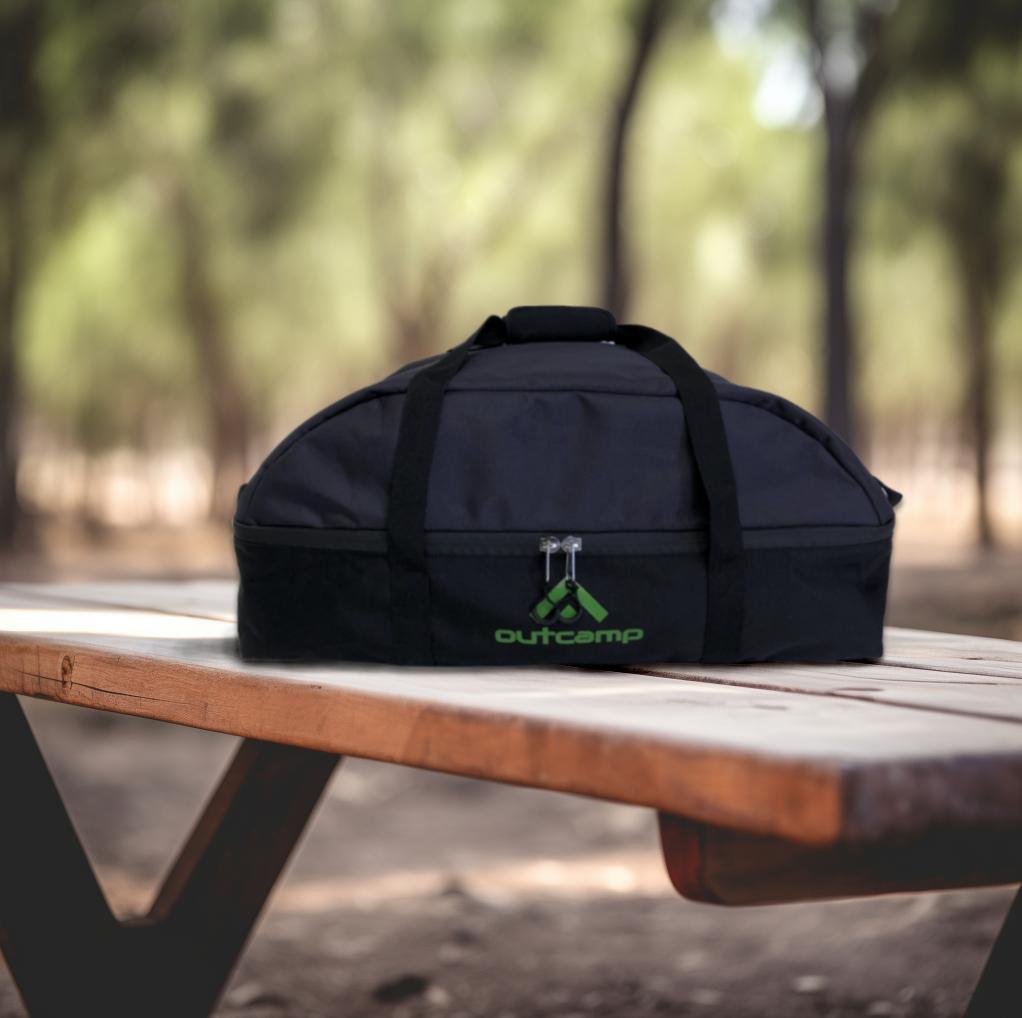
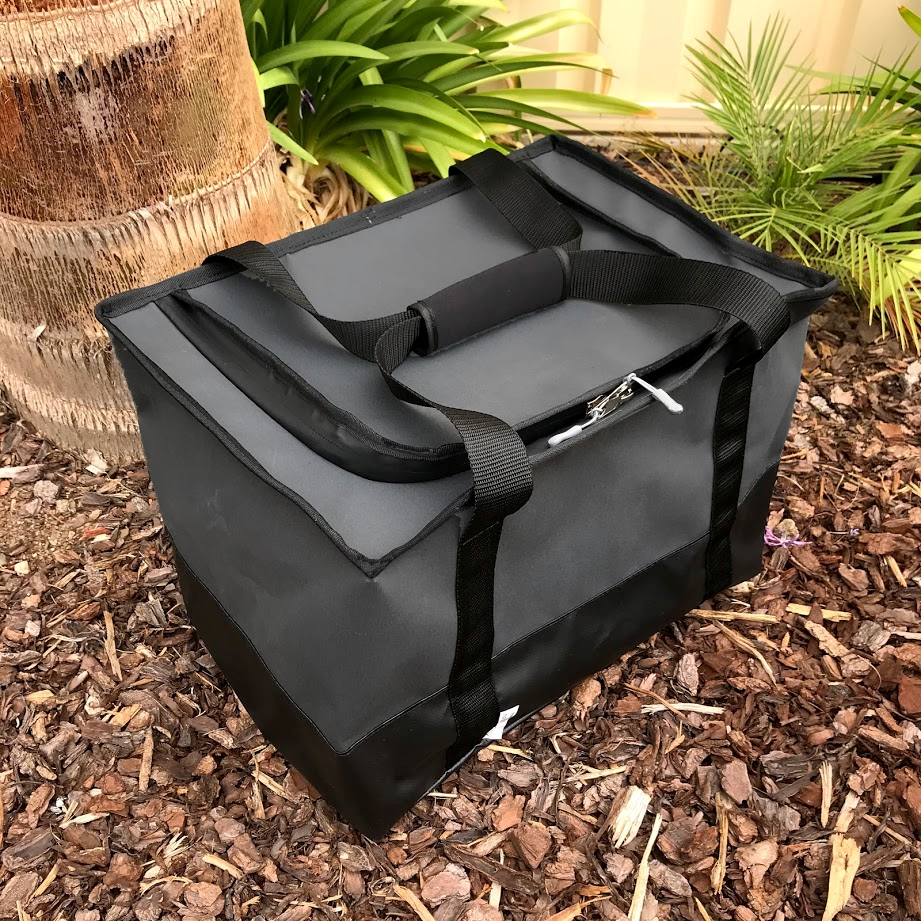
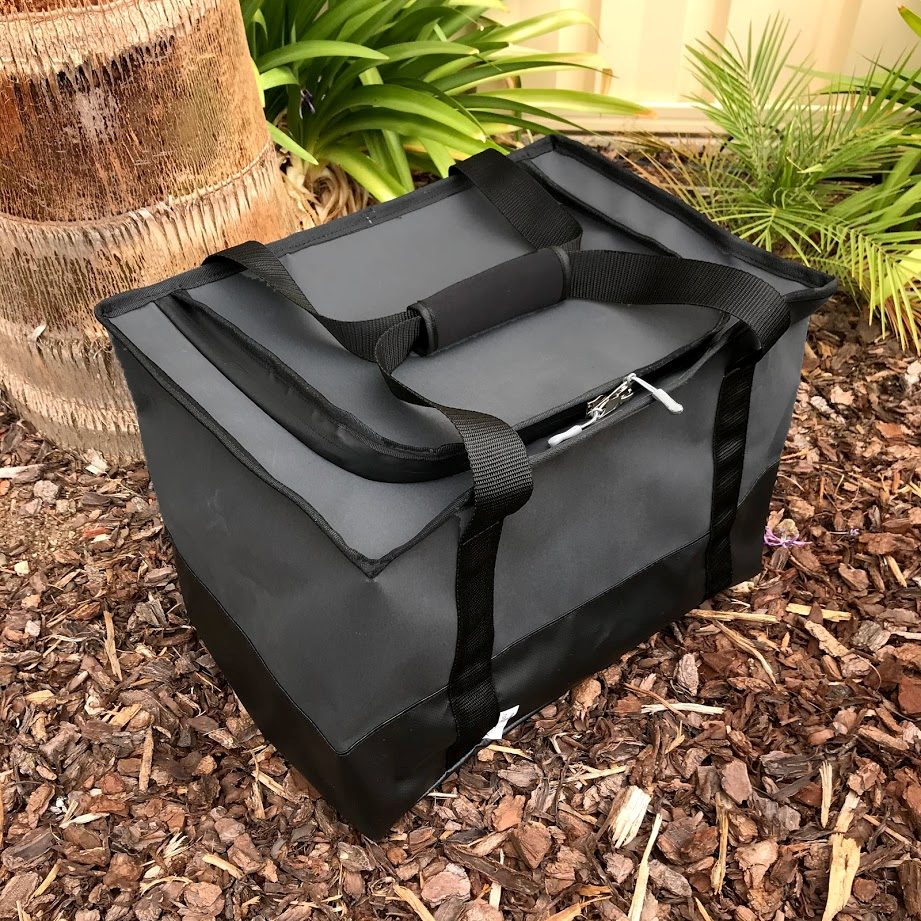
Outcamp carries a range of Starlink accessories designed specifically for touring and camping setups, including carry bags, mounts, and cables that make deploying your Starlink unit at camp quick and hassle-free. If staying connected while bush camping matters to you, it is worth checking out what is available to make your setup as streamlined as possible.
A good quality UHF radio is also worth carrying for safety, particularly if you are travelling solo or heading into areas with no mobile coverage. Channel 40 is the standard road channel, and emergency channels are monitored across most of NSW.
Tips for Getting the Most Out of Free Camping in NSW
Free camping works best when you approach it with the right mindset and preparation. These spots remain free and open because campers treat them with respect. A few practical habits will ensure they stay that way for the next person.
The golden rule is simple: leave no trace. Carry all your rubbish out, do not cut live trees for firewood, and leave the campsite cleaner than you found it. This is not just good ethics — it is what keeps these places free and accessible to everyone.
Planning and Booking
NSW National Parks now requires bookings for most campgrounds, including many free sites. This is a relatively recent change and catches people out regularly. Check the NSW National Parks website before you travel and book your dates, even if the site is free. Arriving without a booking can result in being turned away or fined.
Apps like WikiCamps and CamperMate are invaluable for finding free and low-cost camping across NSW. They include user reviews, photos, and up-to-date information on facilities and access conditions. Cross-reference with the official NSW National Parks site for the most current details on closures, fire bans, and booking requirements.
Plan your fuel stops carefully when heading to remote areas. Some of the western NSW locations can be 200 kilometres or more from the nearest fuel, and running dry on a remote dirt track is a situation nobody wants to be in. Carry a jerry can as insurance and top up at every opportunity.