
What Is Starlink and How Does It Work? A Plain-English Guide for Australians
If you have spent any time in Australian camping forums, caravan groups, or off-grid communities over the last couple of years, you have almost certainly heard someone mention Starlink. It has become one of the most talked-about upgrades for anyone who spends time beyond the reach of mobile towers — and for good reason.
But between the hype, the jargon, and the rapidly changing product lineup, it can be hard to get a straight answer about what Starlink actually is, how it works, and whether it is worth your attention. This guide breaks it all down in plain English, specifically for Australians who want reliable internet where traditional options fall short.
What Starlink Actually Is
Starlink is a satellite internet service built and operated by SpaceX, the aerospace company founded by Elon Musk. Unlike traditional satellite internet providers that rely on a small number of large satellites sitting far from Earth, Starlink uses a massive constellation of smaller satellites orbiting much closer to the surface. The result is faster speeds, lower latency, and coverage that reaches almost everywhere — including vast stretches of the Australian outback where no other internet option exists.
The service launched in Australia in 2021 and has expanded rapidly since. As of 2026, Starlink is available to order across the entire country with no waitlisted areas. It has found enthusiastic adoption among rural property owners, travelling caravanners, remote workers, farmers, miners, and — most relevant to the Outcamp community — campers and outdoor adventurers who want to stay connected in the bush.
How It Differs from Traditional Satellite Internet
To understand why Starlink matters, it helps to know what came before it. Traditional satellite internet in Australia — most notably the NBN Sky Muster service — uses geostationary satellites. These sit roughly 36,000 kilometres above the Earth in a fixed position. Because the signal has to travel such an enormous distance (up and back, twice per request), latency is extremely high — typically 600 milliseconds or more. That makes video calls choppy, online gaming impossible, and even basic web browsing feel sluggish.
Starlink takes an entirely different approach. Its satellites orbit at roughly 550 kilometres altitude in what is called Low Earth Orbit, or LEO. That is about 65 times closer than a geostationary satellite. The shorter distance means the signal round-trip is dramatically faster, bringing latency down to around 20 to 40 milliseconds — comparable to many fixed-line broadband connections.
The other major difference is scale. Sky Muster has a handful of satellites serving the entire country. Starlink has thousands — over 6,000 in orbit as of early 2026 — with more launching regularly. This constellation approach means there are always multiple satellites overhead, handing off your connection seamlessly as they pass across the sky. It also means the network can handle far more users without grinding to a halt.
The Satellite Constellation Explained
Each Starlink satellite weighs roughly 300 kilograms and is about the size of a table. They are launched in batches of 20 to 60 at a time aboard SpaceX Falcon 9 rockets, which land and are reused to keep costs down. Once in orbit, each satellite uses onboard ion thrusters to maintain its position and eventually deorbit at end of life, burning up in the atmosphere to avoid contributing to space debris.
The satellites communicate with ground stations — large antenna installations that connect to the terrestrial internet backbone. In Australia, Starlink has ground stations in several locations, linking the satellite network to local and international internet infrastructure. When you open a webpage or join a video call, your data travels from your Starlink dish up to a satellite, across to a ground station, and into the wider internet — all in a fraction of a second.
SpaceX has been steadily upgrading the constellation. The newest V3 satellites, which began launching in 2025, carry significantly more capacity than earlier versions. For Australian users, this means improved speeds, better performance during peak hours, and more reliable connectivity even in areas with growing numbers of Starlink subscribers.
How the Starlink Hardware Works
Getting online with Starlink requires a kit that includes a satellite dish (often called "Dishy" by the community), a router, a power supply, and cables. SpaceX currently offers two main consumer hardware options: the Starlink Standard (Gen 3) and the Starlink Mini. Both achieve the same fundamental task — connecting to the satellite constellation — but they differ significantly in size, power consumption, and portability.
Regardless of which model you choose, the basic operating principle is the same. The dish uses a phased-array antenna to electronically steer its beam toward passing satellites. There are no moving parts in the Mini, and the Gen 3 Standard also uses a flat, non-motorised design. You place the dish where it has a clear view of the sky, power it on, and it automatically finds and tracks satellites as they pass overhead.
What You Need to Get Started
Setting up Starlink is remarkably straightforward. You need the Starlink hardware kit (either Standard or Mini), a Starlink subscription plan, and a clear view of the sky. There is no professional installation required — the system is designed for self-setup, and most people are online within 5 to 10 minutes of unboxing.
The Starlink app, available for iOS and Android, guides you through the setup process. It includes an augmented reality tool that lets you scan the sky from your intended dish location to check for obstructions like trees, buildings, or terrain that might block the satellite signal. This is particularly useful at campsites where tree cover varies.
You will also need a power source. At home or in a powered caravan park, the included power supply plugs into a standard wall outlet. For off-grid use — which is where many Outcamp customers operate — you can run the Mini directly from a 12-volt battery or portable power station, drawing just 25 to 40 watts. The Standard kit draws more power at 50 to 75 watts but can also be run from battery with the right setup.
Clear Sky View — The One Real Requirement
The single most important factor for Starlink performance is having an unobstructed view of the sky. The dish needs to see a wide arc of sky to maintain contact with satellites as they pass overhead. Trees, buildings, mountains, and even a caravan awning directly above the dish can cause signal dropouts.
This does not mean you need a perfectly clear horizon in every direction. In practice, most open campsites, caravan parks, and rural properties provide adequate sky view. The Starlink app shows you exactly what percentage of sky is obstructed from any given position, making it easy to find the best spot before you commit to a mounting location.
For Australian campers and travellers, this is both the biggest advantage and the occasional challenge of Starlink. Open outback campsites with vast skies deliver excellent performance. Heavily wooded coastal campsites or dense bush can be trickier — though elevating the dish on a mount, tripod, or vehicle roof usually solves the problem.
Starlink Coverage Across Australia
One of the most common questions from Australian buyers is simply: does it work where I go? The short answer is yes, almost everywhere. Starlink provides coverage across the entire Australian continent, including remote outback regions, coastal areas, and offshore waters.
As of mid-2025, there are no waitlisted areas in Australia, meaning you can order and activate Starlink from any location in the country. This is a significant change from the early days of the service when regional waitlists could delay activation by months.
Where It Works Best
Starlink performs strongest in open areas away from major population centres. This might seem counterintuitive, but it is a function of how the network manages capacity. In busy metro areas, more users share the same satellite capacity overhead, which can lead to congestion during peak hours. In regional and remote areas — exactly where most campers and travellers operate — there are fewer competing users, and performance tends to be excellent.
Mining operations, cattle stations, Aboriginal communities, and off-grid properties across the outback have been among the most enthusiastic adopters of Starlink in Australia. Real-world reports from these users consistently show reliable connectivity in places where the previous best option was a satellite phone or a painfully slow Sky Muster connection.
For travellers, Starlink now supports in-motion use at speeds up to 160 kilometres per hour, meaning you can maintain a connection while driving between campsites. The Starlink Mini, in particular, has become popular for this — mounted magnetically to a vehicle roof, it can deliver usable internet on the move along highways and outback tracks.
Weather and Environmental Considerations
Starlink works in most weather conditions, but heavy rain can temporarily reduce speeds or cause brief dropouts — a phenomenon known as rain fade. This is common to all satellite internet systems and is generally short-lived. Light to moderate rain has minimal impact.
Australian heat can also affect the dish. In extreme temperatures above 40 degrees Celsius, the dish may throttle its performance to manage internal temperatures. In practice, this is a minor issue for most users. If you are camping in the height of a Northern Territory summer, positioning the dish where it gets some airflow rather than sitting on a sun-baked metal roof can help.
Dust, which is an ever-present companion in outback Australia, does not significantly affect performance. The flat dish surface is easy to wipe clean, and the IP67-rated Mini is fully sealed against dust ingress. The Gen 3 Standard carries an IP56 rating, which is still robust for Australian conditions.
Who Starlink Is For — And Who Should Look Elsewhere
Starlink has become a genuine game-changer for several groups of Australians. If you fall into any of these categories, it is worth serious consideration: campers and caravanners who travel beyond mobile coverage, remote workers who need reliable internet on the road, rural and off-grid property owners with no fixed broadband, boaters and fishers who want connectivity at sea, and anyone who relies on satellite internet and is frustrated with Sky Muster's performance.
Where Starlink may not be the best fit is in metro areas with reliable NBN or 5G coverage. The monthly cost is higher than most fixed broadband plans, and speeds in congested urban areas may not outperform a good NBN connection. It is also not ideal if you need guaranteed uptime for mission-critical applications — brief dropouts during satellite handoffs or heavy weather are normal and expected.
Common Misconceptions
A few myths persist around Starlink that are worth clearing up. First, you do not need a professional installer. The system is entirely self-install and takes minutes. Second, Starlink is not locked to your home address — the Roam plans are specifically designed for portable, mobile use. Third, it does work in remote Australia. The satellite constellation covers the entire country, and some of the best performance reports come from the most remote locations. Finally, the dish does not need to be perfectly level or pointed in a specific direction. The phased-array antenna electronically steers itself — you just need to place it somewhere with a clear sky view and it handles the rest.
For the Australian outdoor community, Starlink has removed one of the last major barriers to extended off-grid travel and remote living. Whether you are crossing the Nullarbor, setting up camp in the Kimberley, or working from a cabin in the Tasmanian highlands, reliable internet is now something you can genuinely take with you.
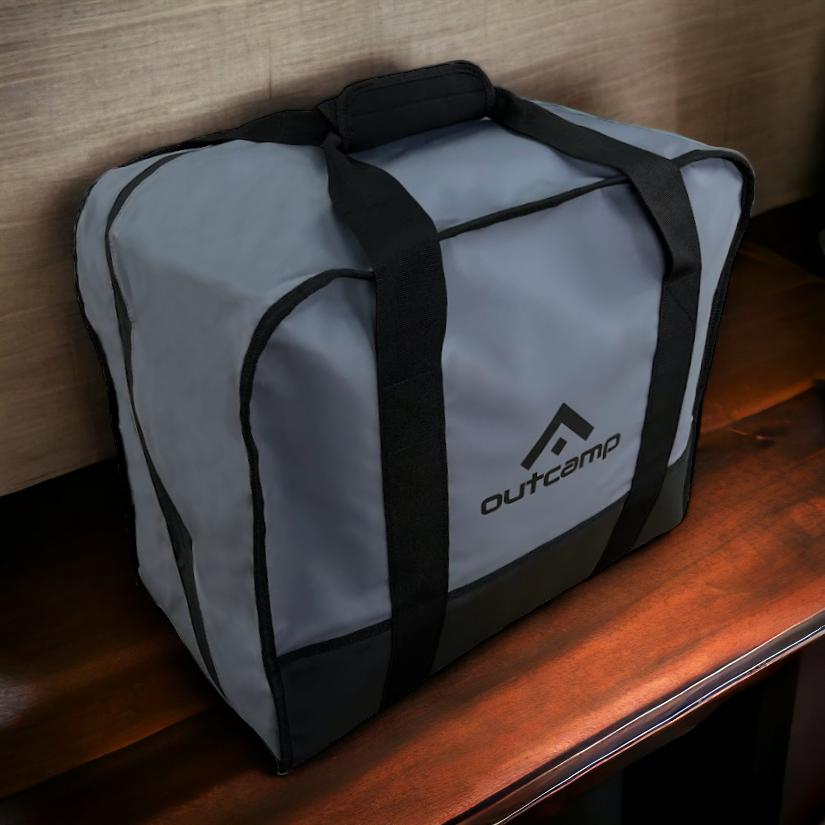
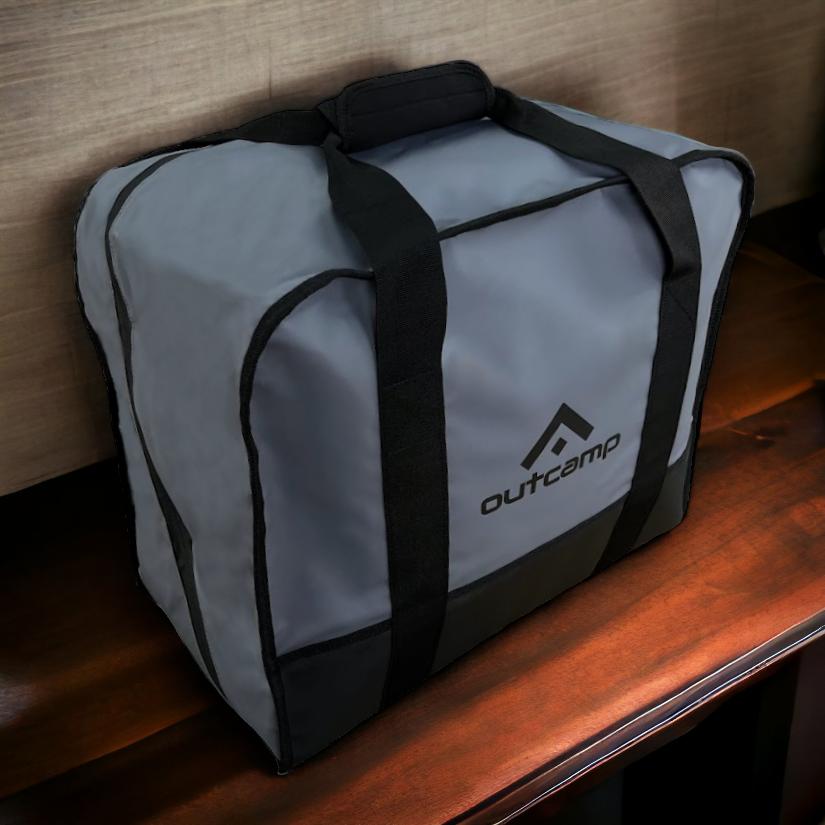
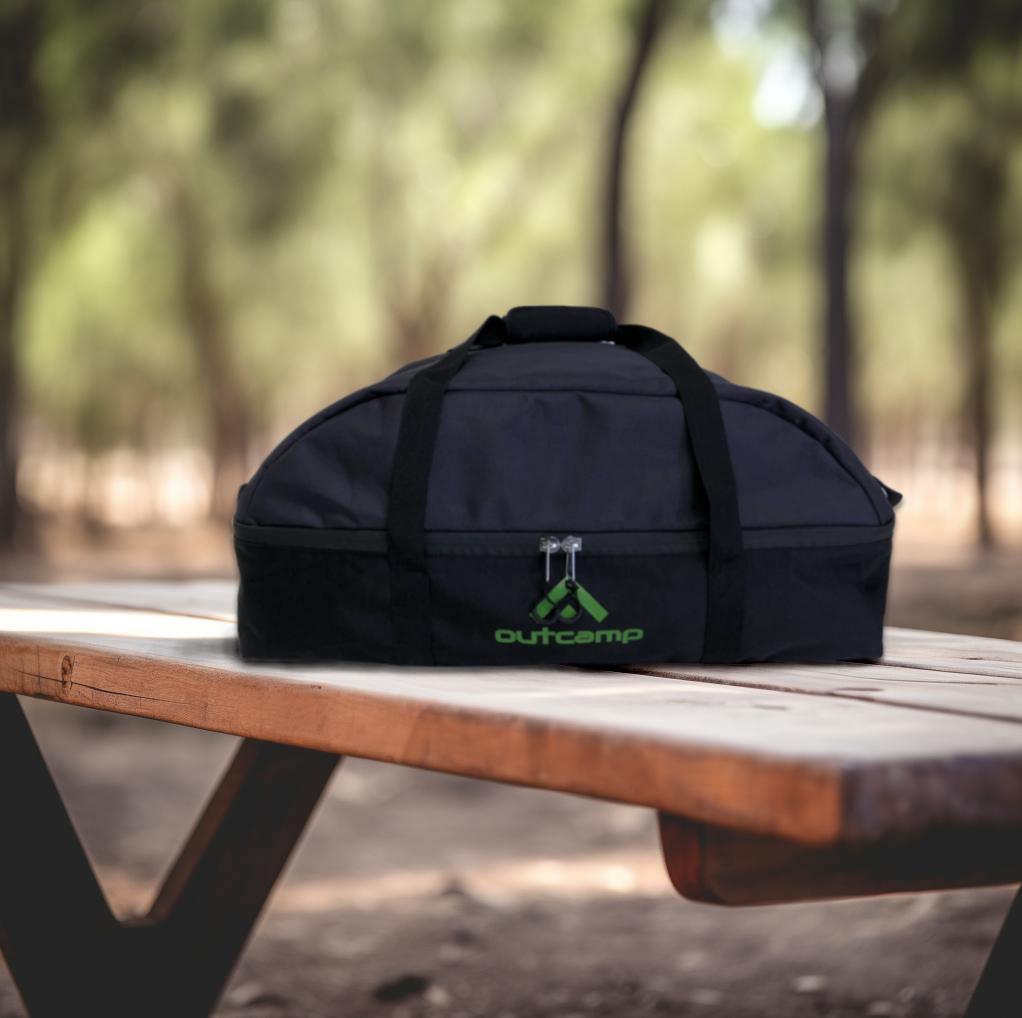
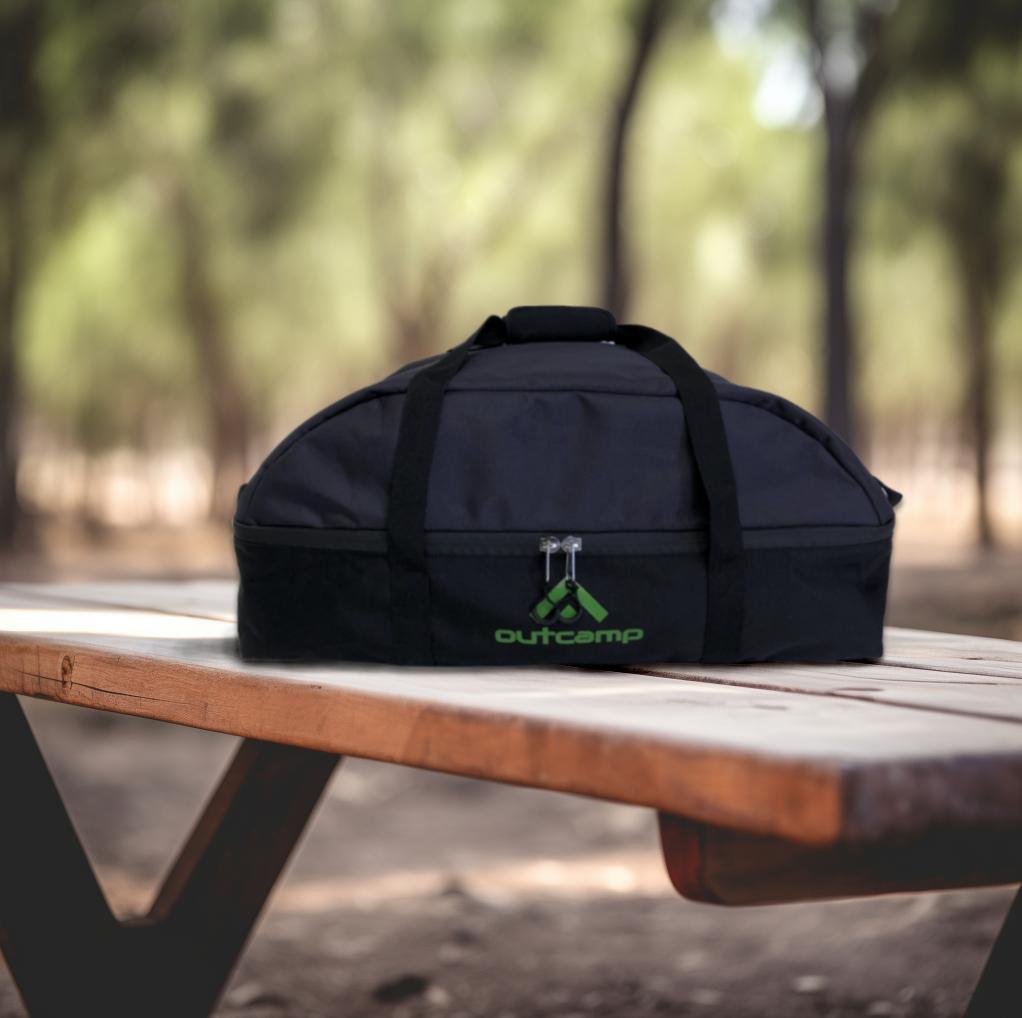
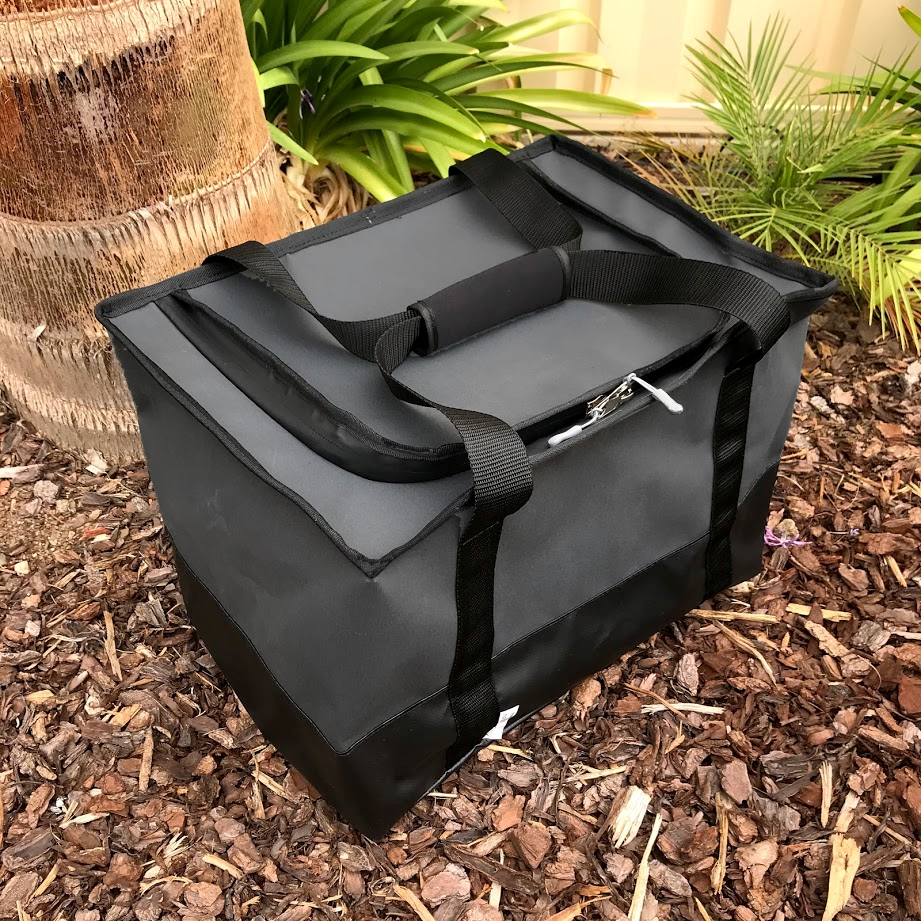
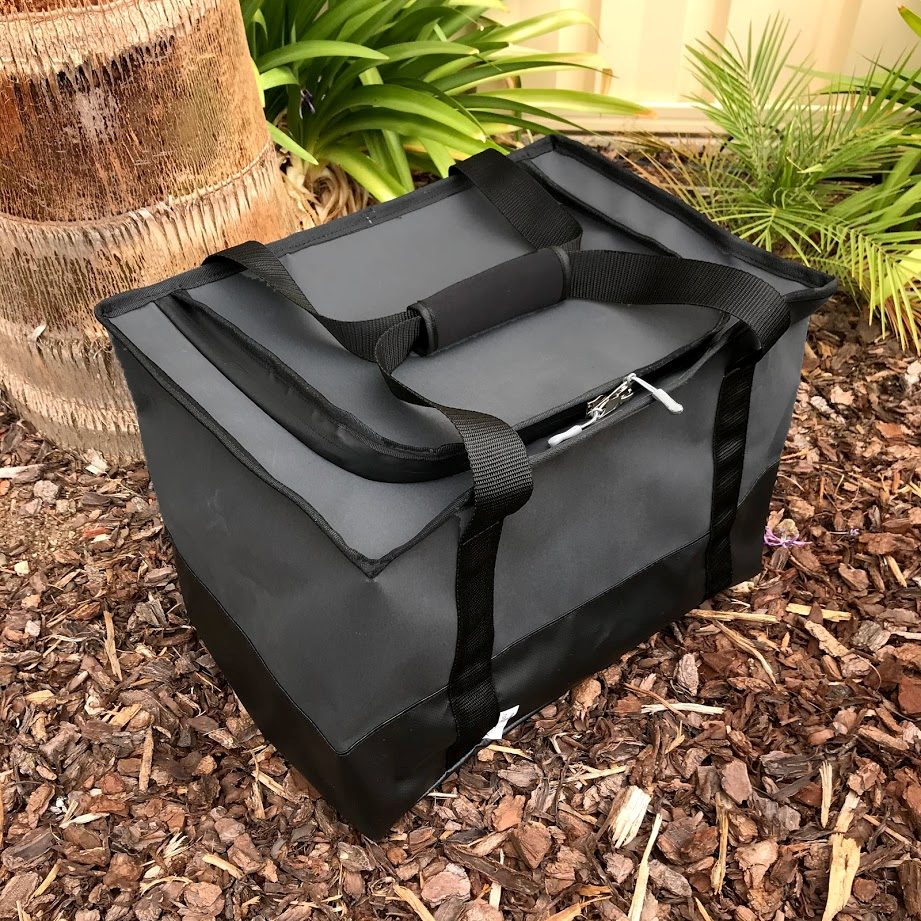
If you are ready to get set up, browse the Outcamp range of Starlink mounts, power accessories, and protective carry bags designed specifically for Australians who use Starlink in the field.