10 Best Remote Camping Spots in Australia for 2026 (And How to Stay Connected)
Australia's best remote camping spots are no longer off-limits just because you need to stay connected — Starlink Mini has quietly changed everything. Whether you're working remotely from the bush, streaming a movie in the outback, or just want to keep the kids entertained at a free camp in far-west Queensland, reliable satellite internet is now a genuine option for Australian campers heading deep into the scrub.
This guide profiles ten of the most spectacular, accessible, and underrated remote camping destinations across QLD, NSW, WA, SA, and the NT for 2026 — with practical notes on 4WD access, facilities, best season, and how Starlink Mini performs at each one. If you've been hesitant to venture further from the highway, this is the guide that changes that.
How Starlink Mini Changed Remote Camping in Australia
For years, the compromise of remote camping was simple: the further you went, the less connected you were. Mobile networks drop off fast once you leave sealed roads, and satellite phone plans were expensive and limited to calls or basic data. The release of Starlink Mini shifted that equation dramatically for Australian campers, caravanners, and 4x4 travellers.
Starlink Mini is the compact, portable version of SpaceX's low-earth orbit satellite internet dish. It weighs just 1.2 kg, folds to roughly the size of a laptop, and delivers real-world download speeds of 30–100 Mbps in most regional and remote Australian locations — fast enough for video calls, streaming, and remote work. For anyone who's spent time waiting for a buffering YouTube video in a caravan park on the edge of town, it's a genuinely impressive piece of kit.
What You Need to Run It Off-Grid
Running Starlink Mini away from powered sites requires a portable power solution. Most experienced campers pair it with a LiFePO4 battery system — the PeakDo LinkPower range, available at Outcamp, is a popular choice because it's compact enough for a 4WD setup and robust enough for extended trips. The Mini draws around 25–40 watts, so a 100Ah lithium battery comfortably runs it for 12–15 hours between charges alongside your fridge and lighting.
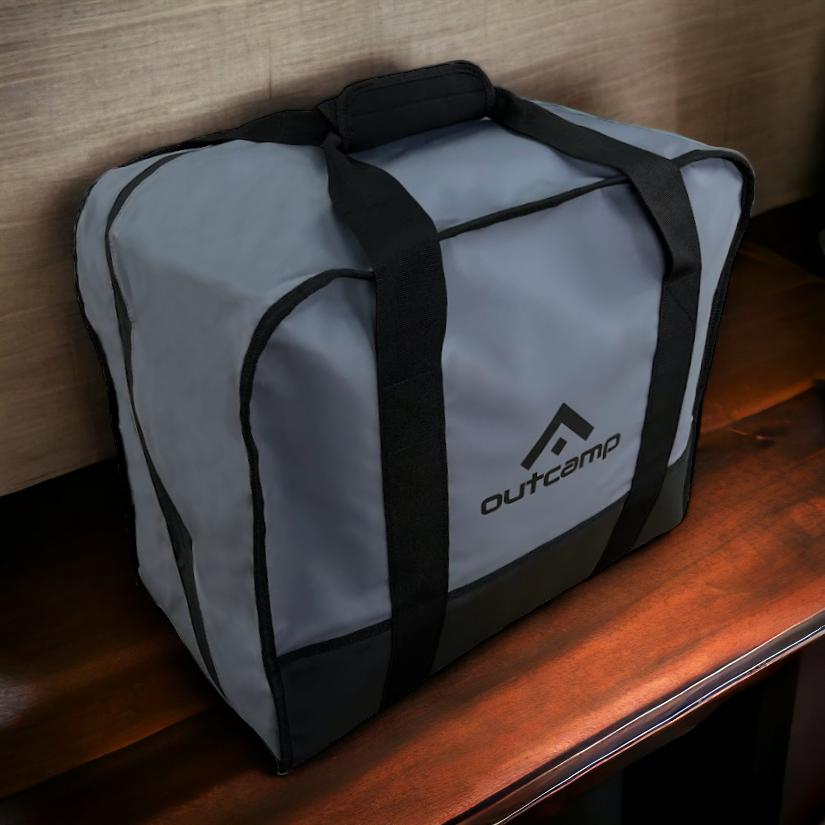
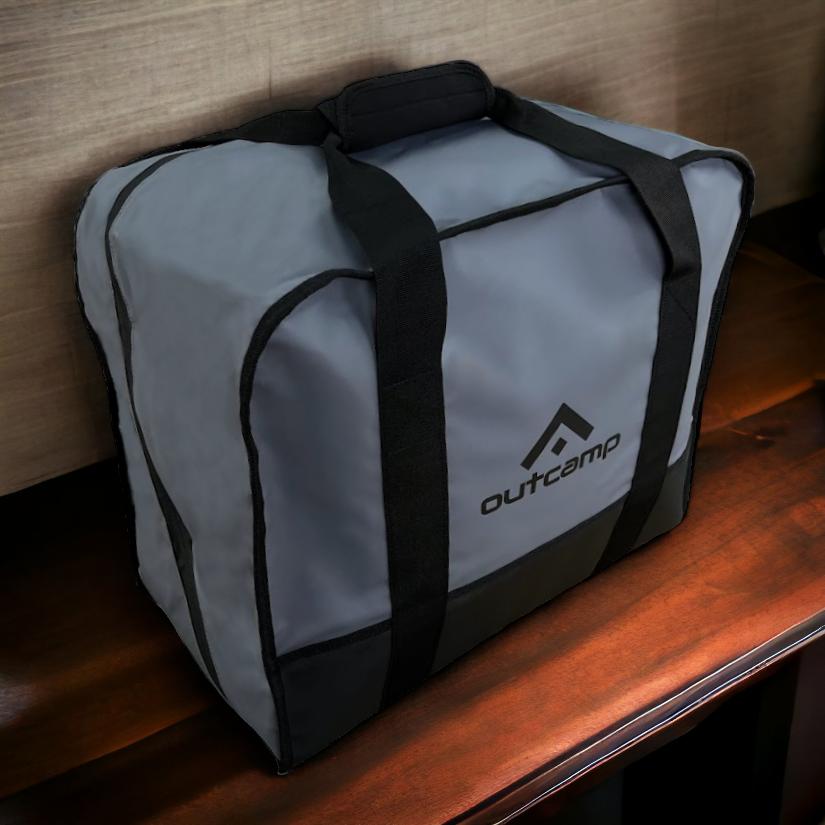
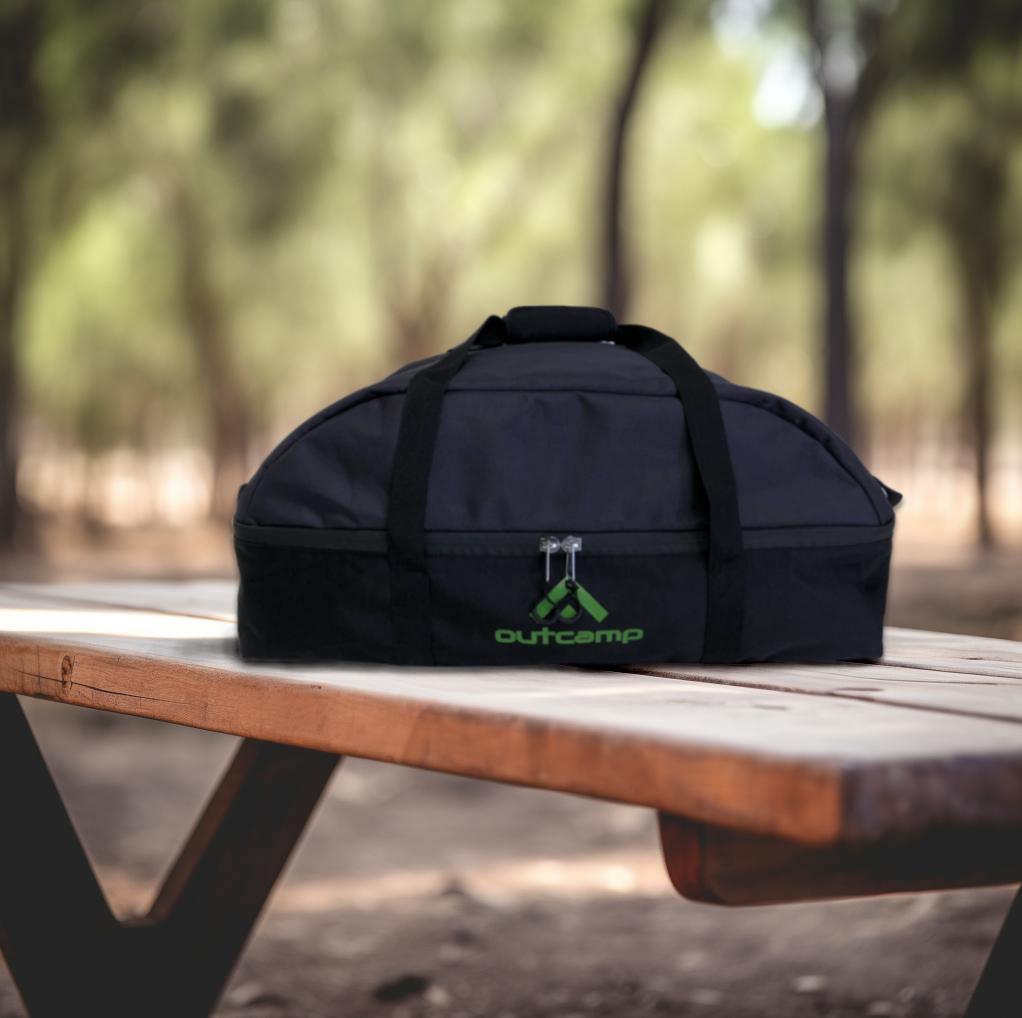
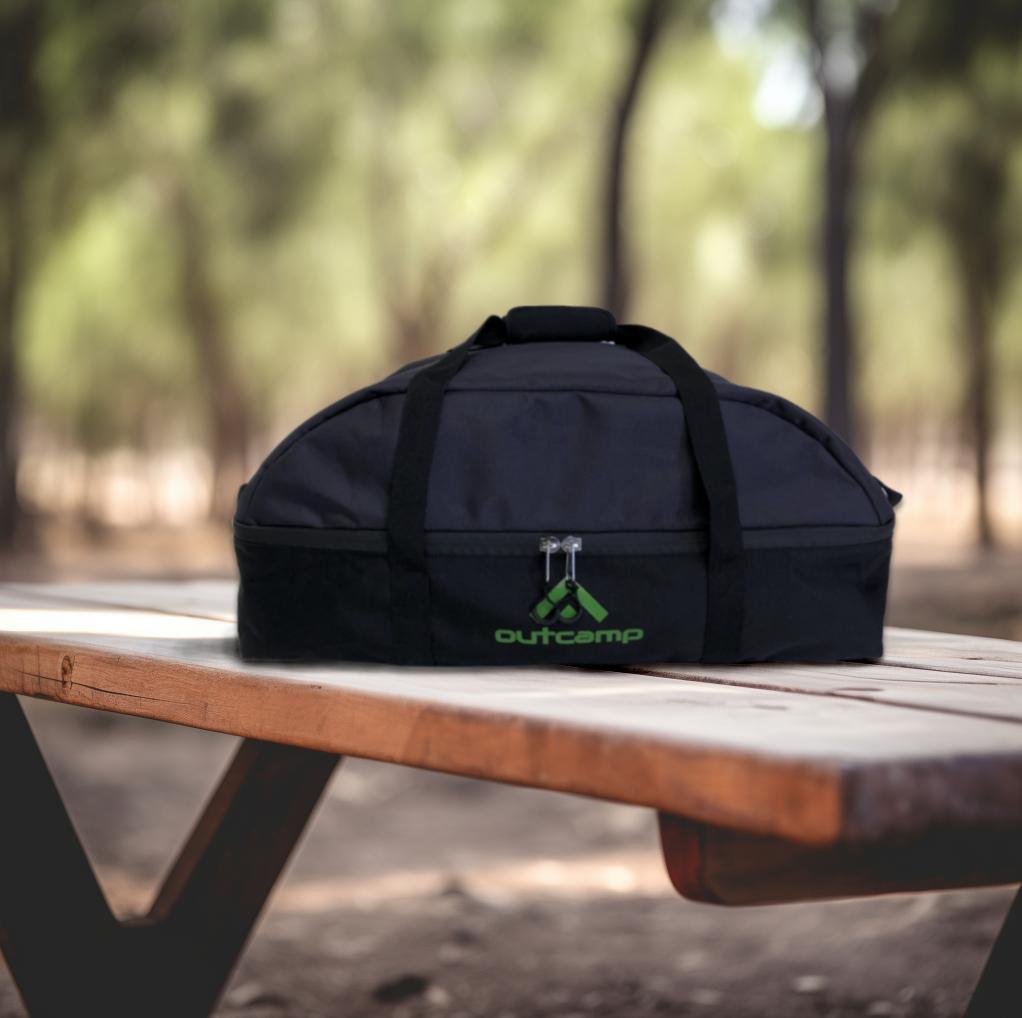
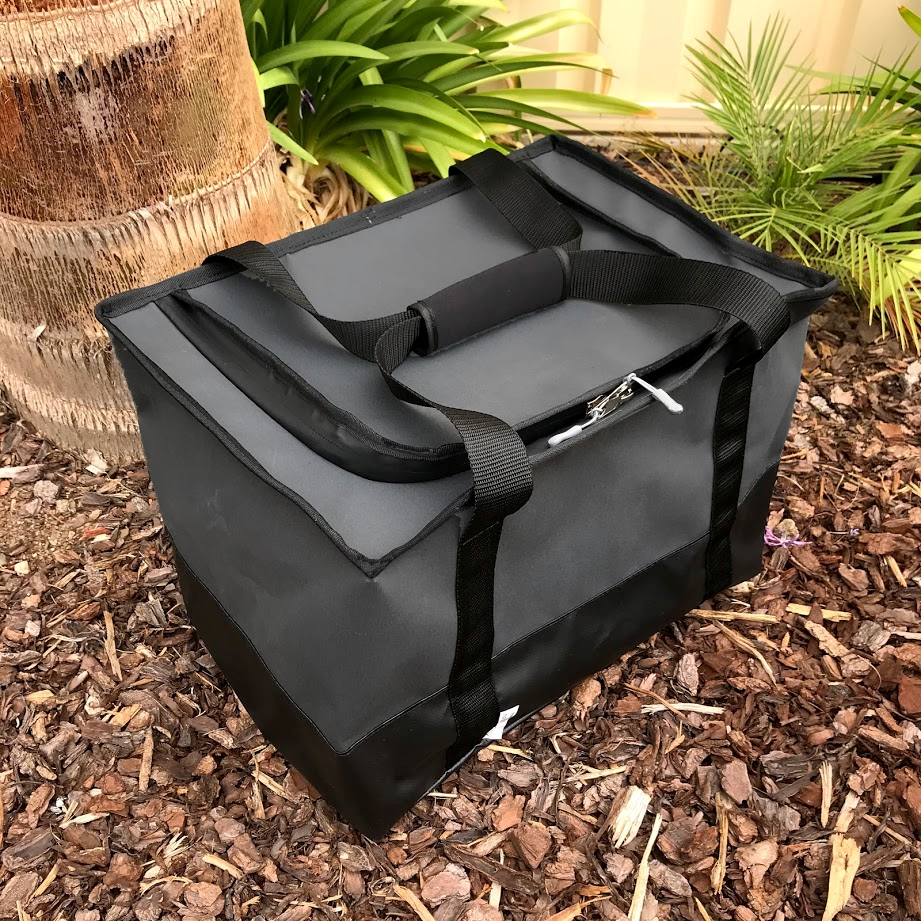
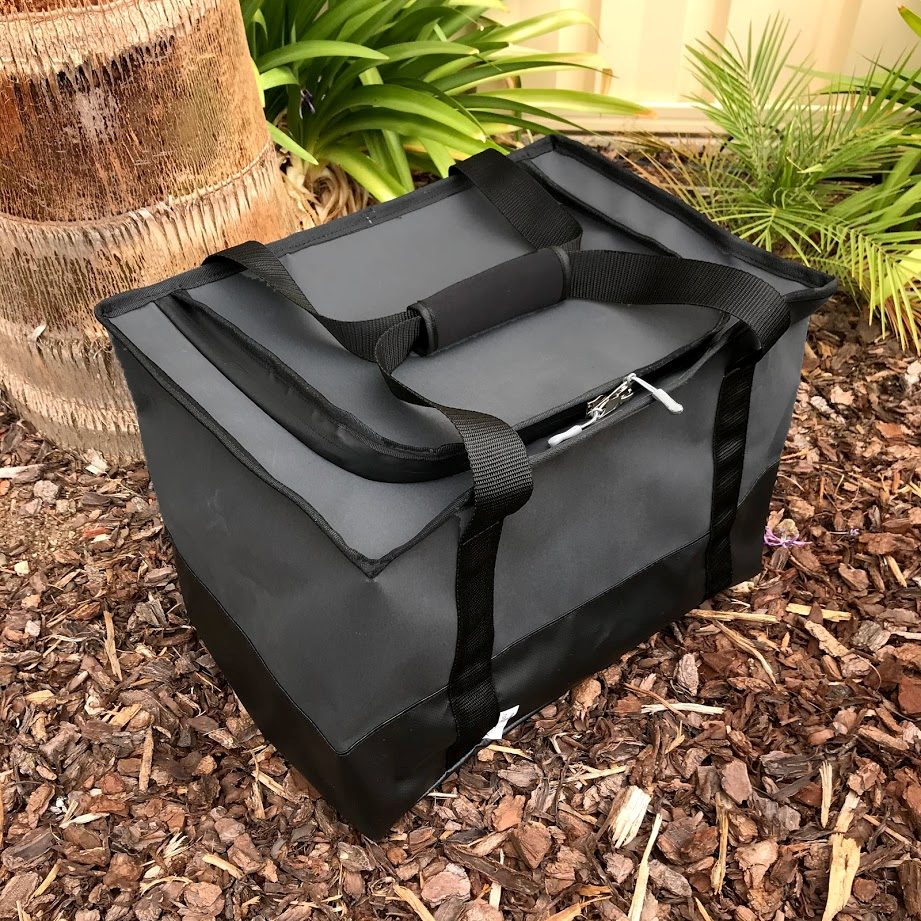
You'll also want to think about how you mount the dish at camp. A flat, stable surface with a clear view of the sky is essential. Outcamp's range of Starlink Mini mounts — including pole mounts, roof rack mounts, and magnetic dash options — makes it straightforward to set up quickly, whether you're in a swag camp, a rooftop tent, or a full caravan. A carry bag that protects the dish in transit is non-negotiable on corrugated outback roads.
Pairing Starlink With Solar
Most serious remote campers run their Starlink Mini off a solar and battery combination. A 200W panel paired with a quality MPPT controller and a 100–200Ah lithium bank is a solid starting point for a trip of three days or more without shore power. The beauty of the Mini's low power draw is that even a modest solar setup keeps it running comfortably through an overcast day in winter. If you're running a dual-battery setup in your four-wheel drive, the Starlink can be wired directly to your auxiliary battery through a DC-DC charger for seamless operation at camp.
10 Remote Camping Spots Worth the Drive in 2026
1. Bladensburg National Park — QLD
GPS: -23.1833° S, 142.5167° E Best Season: April to September 4WD Required: Recommended (some tracks need it) Facilities: Basic pit toilets, no showers, no power Facilities Rating: 2/5
Located on the Mitchell Grass Downs west of Winton in outback Queensland, Bladensburg is one of those places that resets your perspective on scale. Red-rock jump-ups, deep gorges, and open Mitchell grass plains stretch as far as you can see. It's a genuinely remote camping experience — you're unlikely to share the park with more than a handful of other campers, even in peak season.
Starlink Mini performs well here. The flat, unobstructed outback horizon means excellent satellite visibility, and on a clear night you'll catch the Starlink constellation moving across a sky that shows more stars than most Australians ever see. Fees are low via the Queensland Parks app; book ahead in winter as sites fill quickly.
2. Innes National Park — SA
GPS: -35.2333° S, 136.9833° E Best Season: September to May 4WD Required: No (2WD accessible to most sites) Facilities: Flush toilets, cold showers at Browns Beach Facilities Rating: 3/5
The southern tip of the Yorke Peninsula on the Investigator Strait is coastal camping at its rugged best. Innes has a surprising mix of sheltered coves, surf breaks, historic ruins, and excellent fishing — and it's one of the more accessible parks in this list, with a mix of 2WD and 4WD sites. Browns Beach and Pondalowie Bay are the standouts, and the campfire restrictions are less strict here than many SA parks.
Connectivity is solid. Being relatively close to Spencer Gulf means some Telstra mobile coverage in spots, but Starlink Mini provides consistent speeds regardless of where you set up. If you're doing a Yorke Peninsula caravan loop, Innes is a natural anchor point and a great place to catch up on remote work before pushing further afield.
3. Munga-Thirri (Simpson Desert) — QLD/SA/NT
GPS (Big Red): -24.9000° S, 137.9333° E Best Season: May to August only 4WD Required: Yes — experience essential Facilities: Nil Facilities Rating: 0/5 (self-sufficient only)
You don't come to the Simpson for facilities — you come for one of the most raw, demanding, and rewarding four-wheel drive experiences on the continent. Crossing over 1,000 dunes from east to west (or vice versa) is a bucket-list trip for serious 4x4 campers and caravanners. Full self-sufficiency is mandatory: carry all water, all fuel, all food, and the recovery gear to back it up.
Starlink Mini genuinely shines in remote locations like the Simpson. With zero mobile coverage for hundreds of kilometres, it's not just about convenience — it's about safety and peace of mind for families. Being able to make a video call, check weather, or contact emergency services via messaging apps is a material upgrade over the old standard of an EPIRB and radio. Mount the dish on a pole above your swag camp and you've got a remarkable basecamp in one of Australia's most isolated landscapes.
4. Purnululu National Park — WA
GPS: -17.5000° S, 128.3833° E Best Season: April to October 4WD Required: Yes — high clearance essential Facilities: Composting toilets, no power, limited water Facilities Rating: 2/5
The Bungle Bungles in the East Kimberley are one of Australia's most photographed natural wonders — striped beehive domes rising from ancient sandstone country. The 53 km unsealed track into the park from the Great Northern Highway is rough enough to deter the underprepared, which keeps the campgrounds relatively uncrowded by Kimberley standards. Walardi and Kurrajong are the two main camp areas.
Connectivity here is surprisingly good via Starlink despite the remote location. The Kimberley's flat topography and minimal tree cover at the campgrounds give the dish a clear sky view. Pair your Mini with a reliable dust cover or carry bag — the corrugated roads on the way in are the most likely point of damage to any gear not properly secured.
5. Mutawintji National Park — NSW
GPS: -31.2667° S, 142.3333° E Best Season: April to September 4WD Required: Recommended Facilities: Pit toilets, no power, no showers Facilities Rating: 2/5
Deep in the far west of New South Wales, Mutawintji sits in the Bynguano Ranges about 130 km northeast of Broken Hill. It protects one of the most significant collections of rock art in Australia, alongside red-walled gorges, permanent waterholes, and rich birdlife. The Homestead Creek campground is excellent — well-shaded, uncrowded, and run by the local Aboriginal community.
This is classic remote NSW camping country — long drives on dirt roads, no mobile signal, and nights of absolute silence. Starlink Mini users report good performance here, helped by the open semi-arid landscape. If you're making the trip from Broken Hill, fill up with fuel and water before you leave — services between Broken Hill and the park are limited.
6. Lawn Hill (Boodjamulla) National Park — QLD
GPS: -18.6833° S, 138.5500° E Best Season: April to September 4WD Required: Yes — especially in or after rain Facilities: Flush toilets, cold showers, picnic tables Facilities Rating: 3/5
One of Queensland's best-kept remote camping secrets, Lawn Hill sits in the Gulf Country near the NT border and centres on the spectacular Lawn Hill Gorge — a ribbon of green palms, red gorge walls, and clear freshwater in the middle of dry savanna country. Canoeing the gorge at dawn or dusk is an experience that doesn't leave you.
The drive in is long from anywhere — plan for a full day from Mount Isa. Facilities are better than most parks at this remoteness level, and the campground is genuinely beautiful. Starlink works consistently here. For families taking the kids on a remote holiday, Lawn Hill is a compelling mix of genuine wilderness and a facility level that doesn't require complete self-sufficiency.
7. Cape Le Grand National Park — WA
GPS: -33.9667° S, 122.1500° E Best Season: September to April (avoid school holidays if possible) 4WD Required: No (2WD to Lucky Bay) Facilities: Flush toilets, cold showers, pay station Facilities Rating: 3.5/5
Lucky Bay at Cape Le Grand might be the most photographed beach in Western Australia — white quartz sand, turquoise water, and kangaroos on the beach most mornings. It's not as remote as some spots on this list, but it earns its place here because it's genuinely spectacular and a great introduction to WA coastal camping for families.
Starlink is a popular addition at Lucky Bay because mobile coverage from Esperance is patchy at best, and if you're staying a week (as many do) the ability to work remotely or stream in the evenings makes the trip viable for people who can't fully disconnect. A Starlink Mini roof rack mount suits this kind of beach camp perfectly — quick to deploy, stable in the sea breeze, and packable in minutes.
8. Arkaroola Wilderness Sanctuary — SA
GPS: -30.3167° S, 139.3333° E Best Season: April to October 4WD Required: Yes for most tracks; 2WD to the main camp Facilities: Basic powered and unpowered sites, kiosk, fuel Facilities Rating: 3/5
Arkaroola is a private wilderness sanctuary in the northern Flinders Ranges — geologically one of the most complex and ancient landscapes on earth. The Ridge Top Tour (booked through the sanctuary) is widely considered one of the best 4WD experiences in South Australia. Camping is well-managed, and the dark skies here are exceptional.
One of the few places on this list with some limited camp facilities and fuel on-site, Arkaroola is a great base for exploring the northern Flinders over several days. Starlink Mini supplements the sanctuary's own Wi-Fi, which is limited and often congested. If you're doing remote work from camp, bring your own connection.
9. Finke Gorge National Park — NT
GPS: -24.0667° S, 132.7000° E Best Season: May to September 4WD Required: Yes — sandy creek crossings essential Facilities: Pit toilets, no power, no showers Facilities Rating: 2/5
Palm Valley inside Finke Gorge is one of the Northern Territory's most remarkable landscapes — a relict rainforest of ancient Livistona palms growing in a red desert gorge. The Finke River itself is one of the oldest watercourses on earth. Getting in requires crossing the sandy Finke riverbed multiple times, which is part of the experience.
The campground at Palm Valley is small and well-shaded. It's a legitimate off-grid setup — no power, no phone signal, and the nearest town is Hermannsburg. Starlink Mini handles the NT's open skies with ease. If you're combining a Palm Valley stay with a visit to Kings Canyon or Uluru, it fits naturally into a classic Red Centre four-wheel drive loop.
10. Walpole–Nornalup National Park — WA
GPS: -34.9833° S, 116.7333° E Best Season: October to April 4WD Required: Some tracks; main campgrounds are 2WD accessible Facilities: Flush toilets, cold showers, fire rings at some sites Facilities Rating: 3/5
The southwest of WA is underrated as a remote camping destination. Walpole–Nornalup covers over 180,000 hectares of karri and tingle forest, coastal inlets, and remote beaches. The Valley of the Giants walk is famous, but the real draw for campers is the network of quiet campgrounds on the Walpole Inlet and Deep River. Crystal Springs is a standout — shaded, peaceful, and close to the water.
Mobile coverage around Walpole is inconsistent, and many campgrounds are fully out of range. Starlink Mini fills that gap comfortably. If you're travelling the South Coast Highway between Albany and Pemberton, Walpole is worth a two- or three-night stop — it's often overlooked in favour of the better-known spots to the east, which means you'll likely have the campground largely to yourself outside peak season.
Essential Gear Checklist for Remote Camping in 2026
Running a comfortable, connected camp in remote Australia in 2026 doesn't require a truck full of gear — but it does require the right gear, chosen deliberately.
Every trip should start with the same core list: a quality 4WD-specific recovery kit (MaxTrax, snatch strap, shackles), a dual-battery setup with a DC-DC charger, and a water capacity that exceeds your estimated needs by at least 50%. Food for two more days than planned, a comprehensive first aid kit, and a UHF radio for fire and track conditions are baseline safety items that no one should leave without.
Connectivity Essentials
For a connected camp, your Starlink Mini kit should include the dish and power brick, a suitable carry bag that protects it on rough tracks (Outcamp's padded carry cases are purpose-built for the Mini and worth the investment), a mount that suits your setup — pole mount for swag camps, roof rack mount for rooftop tents, or a caravan mount for full-time travellers — and enough cabling to position the dish clear of obstructions at camp.
Power Management for Extended Stays
Power management is where most new remote campers underestimate their needs. Starlink Mini, a 40L fridge, lighting, phone and device charging, and incidental use can push a camp's daily draw to 80–120Ah without much effort. A PeakDo LinkPower 200Ah LiFePO4 battery paired with 400W of solar is a solid baseline for a 4x4 setup planning stays of four or more days without sun. For longer trips, a dual-panel setup with a quality MPPT controller removes most of the anxiety around power budgeting.
Stay Connected, Camp Further
Australia's remote camping boom is showing no signs of slowing down. More families, couples, and solo travellers are heading further from the bitumen each year — and the gear available to support those trips has never been better. Starlink Mini has removed one of the last genuine barriers to deep remote travel for people who can't or don't want to fully disconnect.
Every destination on this list is better with the right setup. Picking the right carry bag for your Starlink Mini means it survives the corrugations into Purnululu. Choosing the right mount means you spend two minutes setting up instead of twenty. Running a properly sized battery bank means the dish stays on all night without anxiety about tomorrow's solar forecast.
Head to outcamp.com.au to browse Australia's most comprehensive range of Starlink Mini accessories — carry bags, mounts, cables, and power solutions designed for the way Australians actually camp. If you're planning a remote trip in 2026, make sure your connectivity setup is sorted before you leave the driveway.