You have been on the corrugations since sunrise. The track has been rough enough that the Engel slid sideways an hour ago, the kettle in the back is not coming out for love nor money, and you would rather not hear the gas bottle clink against the chassis again until you have pulled up at camp tonight. You need a feed. You need it fast. You need it without unpacking a single drawer, lighting a single burner, or pulling out the camp table.
That is exactly the kind of moment a no-cook wrap was made for. These smoky tuna and avocado wraps are built for travel days — the kind where lunch is not the destination, it is just a quick pause between long stretches of dirt. Everything goes from fridge to plate in five minutes, with no fire, no stove, and no washing-up. Whether you are punching across the Hay Plains, working your way up the Tanami, or just stopping at a roadside rest area between caravan parks, this is the kind of meal that keeps the day moving.
Why No-Cook Wraps Belong in Every 4WD Lunch Box
Outdoor cooking is half the joy of camping, but not every meal needs to be a production. Plenty of travelling Australians have wasted a midday hour fighting with a single-burner stove in a stiff breeze just to heat soup, when a chilled, prepped wrap would have done the job in a fraction of the time. On long touring days, the goal is to refuel without losing momentum — and no-cook lunches do exactly that.
The other thing wraps have going for them is forgiveness. They survive being squashed under a fridge. They handle a bit of heat. They can be assembled standing up, leaning against the bull bar, or balanced on a closed Engel lid. For 4WD drivers, caravanners, and overlanders crossing big distances, that practical, no-fuss factor is worth its weight in fuel savings.
Saving Fuel, Gas, and Time on Long Touring Days
When you are crossing the country on holiday — Sydney to Broome, Brisbane to Birdsville, Melbourne to the Top End — every minute spent stationary is a minute the sun gets lower. Stopping for a cooked lunch costs you somewhere between thirty and forty-five minutes by the time you have set up the camp stove, found the matches, boiled water, eaten, and packed it all up again. Multiply that across a multi-week trip and you have given up serious daylight.
A no-cook lunch caps that whole process at about ten minutes. Pull off into a rest stop, swing the back door open, grab the tuna and avocado already prepared in the Engel, and you are back on the road before the kettle would have even whistled. That is genuinely useful when you need to make Threeways before the kangaroos come out, or when you want to crack the next set of dunes while the sand is still cool.
There is also the gas factor. A 9 kg gas bottle is precious when you are off-grid for a fortnight, and torching half a litre of LPG to heat a tin of soup feels like waste when a chilled wrap will fill you up just as well. Save the gas for the slow-cooked feeds at camp tonight, and treat lunchtimes on travel days as a no-cook discipline. Your bottle, your wallet, and your touring schedule will all thank you.
How Well Wraps Travel in an Engel or 12V Fridge
A 12V fridge is the single most useful piece of camping kit most touring Australians have ever bought, and it makes wraps almost too easy. You can prep an entire week of tuna and avocado lunches in advance, label them, stack them flat in the bottom of the fridge, and forget about them until lunchtime. Compared to bread and meat that goes off, prepped wraps in tightly sealed containers will hold for two or three days without losing their crunch.
Tuna is one of the few proteins that genuinely thrives in a portable fridge. You can buy it in tins, store the unopened tins anywhere — in a drawer, behind the spare wheel, under the seat — and only refrigerate after opening. That makes it ideal for off-grid trips where fridge space is at a premium and every centimetre of cold storage is reserved for fresh produce, dairy, and your mid-afternoon beer.
Avocado does require a bit more thinking. It bruises if it gets pressed against the fridge wall, and it browns once cut. The trick is to keep it whole and in its skin until the morning of the trip, store it in the door pocket or near the top where vibration is dampened, and only mash it once you are ready to assemble. With those small habits, even a long red dust day is no match for a properly stored avo.
Pulling Over Without Breaking Out the Camp Kitchen
Anyone who has set up an awning, table, and chairs for a five-minute lunch knows it is rarely worth the effort. The whole appeal of a no-cook wrap is that you can eat it standing up, perched on the rear step of the caravan, or sitting on a folded swag in the shade of the four-wheel drive. The kit list is just a chopping board, a knife, and a set of paper towels — everything else is already in the wrap.
This matters more on big days than people give it credit for. When you have been bouncing across washouts since dawn, the absolute last thing you want is to undo straps, drop the awning, and dig out the fold-out table. A wrap-based lunch lets you keep the rig packed and ready to roll. As soon as the bottle is finished, you are off — no repacking, no chasing a chair across the campsite in the wind.
It also keeps the workspace clean. There is no oil to wipe up, no pan to scrub, no plate to rinse. For caravanners on a long-term trip, that means less load on your grey water tank and less time at the dump point. For 4WD travellers, it means fewer dishes rattling in the wash-up tub through the next stretch of corrugations.
The Recipe — Smoky Tuna and Avocado Wraps
This is the kind of recipe that makes you wonder why you ever bothered with anything else for travel-day lunches. It is fast, filling, packed with flavour, and forgiving of whatever you have got rolling around in the bottom of the camp pantry. It works just as well rolled up at home before you leave, or assembled on the side of the road with the back door of the 4x4 open.
The flavour is built around quality tinned tuna, ripe avocado, smoked paprika, and a squeeze of lemon. Everything else is interchangeable — what is in the fridge, what survived the corrugations, what your kids will actually eat. Treat the recipe below as the spine, and let the cab pantry and the Engel decide the rest.
Ingredients You Can Stash in Your Camper or 4x4
For two solid lunch wraps, you will need: two large flour tortillas or wraps (pita bread or lavash work too), one 185 g tin of tuna in olive oil or springwater (drained), one ripe avocado, half a small red onion finely sliced, a small handful of rocket or baby spinach, a generous pinch of smoked paprika, a squeeze of lemon, salt and pepper, and a dollop of mayo or Greek yoghurt. Optional but excellent: a few capers, a slice of tasty cheese, or a handful of corn kernels.
Tinned tuna keeps in any cupboard for years, so it is the perfect long-haul protein. Buy a flat of six or twelve before you leave home, slot them into a corner of the camper or under the rear seat, and you will be set for a fortnight of lunches without thinking about it. Springwater tuna is lighter and more travel-friendly than oil-packed tuna, but the olive oil versions add richness when you are running low on mayo.
Avocados handle the road well if you choose them slightly under-ripe at the supermarket and let them ripen in the camper over a couple of days. Pop them in a paper bag with a banana to speed things up, or stash them in the Engel once they are perfect to slow them down. Red onion, rocket, and lemons all keep for over a week in a 12V fridge — pack them once at the start of a trip and you will have the makings of these wraps every day.
The Five-Minute Build
Start by draining the tuna and tipping it into a small bowl or onto a chopping board. Break it up with a fork until it is flaky but not mushy — the texture matters here. Add the smoked paprika, a generous squeeze of lemon, a pinch of salt and pepper, and a tablespoon of mayo or Greek yoghurt. Mix it all together until the tuna has that slightly creamy, slightly smoky character that makes the wrap sing.
Halve the avocado, scoop the flesh out, and mash it directly onto the wrap with the back of a fork. Spread it edge to edge — it acts as the glue that holds everything else in. Sprinkle on the sliced red onion, then pile on the smoky tuna mix down the centre of the wrap. Finish with a small handful of rocket or spinach, an extra squeeze of lemon, and another pinch of smoked paprika if you want to push the flavour harder.
Roll it up tight. The trick is to fold the bottom inwards first to stop the filling from falling out the end, then roll firmly from one side to the other. If you are eating immediately, slice it on the diagonal so the filling shows. If you are wrapping it for later, roll the whole thing in a sheet of baking paper and twist the ends — it will hold for hours in the fridge or up to four hours in a soft cooler bag.
Variations and Additions
If you have got fresh chilli and coriander in the Engel, finely chop both and stir them through the tuna mix. The hit of heat and the herbal lift turn this into more of a Mexican-style wrap, and it pairs perfectly with a few drops of hot sauce or a spoonful of corn salsa. This version is brilliant for caravanners who run a small herb pot on the front A-frame — cut your own coriander straight off the bench.
For something more Mediterranean, swap the smoked paprika for dried oregano, add a few sliced kalamata olives, and crumble in some feta. A drizzle of good olive oil over the top, a fold of cucumber slices, and you have effectively made a Greek-style tuna wrap that holds up brilliantly on the road. This variation is excellent if you are travelling through summer and want something that feels lighter and brighter.
For the kids, dial the onion right back, swap rocket for shredded iceberg lettuce, and add a slice of tasty cheese. The tuna becomes the carrier for whatever they are willing to eat that day, and the smoked paprika gives it just enough of a savoury edge that it does not taste like school lunches. Cut the wraps into pinwheels with a sharp knife and pack them in a small lidded container for older kids who want to eat in the back seat.
Packing, Storing and Travelling Smart
How long these wraps last on the road is mostly a function of temperature, not time. With a properly running 12V fridge and a bit of care during prep, you can have lunch ready to grab for two or three days of touring. The key is treating tuna and avocado with the respect they deserve, and getting your packing system sorted before the bitumen turns to dirt.
Consistency is also worth thinking about. The mistake most people make is wrapping these things at home, throwing them in the fridge, and finding three days later that they have gone soft. The fix is simple — wrap dry, wrap tight, and add the wet ingredients last. Done well, these can sit at the bottom of an Engel for the better part of a week without complaint.
Cool Chain — Keeping Tuna and Avo Safe on the Road
Tinned tuna once opened is highly perishable, so once you mix it with mayo or yoghurt it needs to stay below 5°C until lunchtime. A 12V fridge running on a properly sized dual battery setup will hold that easily — but if you are hopping between camps and not running the fridge during the drive, lay a small ice pack on top of the wraps in a separate insulated bag while you are mobile. It buys you four to six hours of safe travel without a fridge.
Avocado is more forgiving in terms of food safety, but it browns when exposed to air. The lemon juice in this recipe is doing double duty — flavouring the wrap and slowing oxidation. If you are prepping wraps the night before, layer the avocado tightly against the tuna mix and keep the wrap rolled up with no gaps. The lack of oxygen is what protects the colour, not the lemon alone.
If you are off-grid for more than three or four days and your fridge is borderline, consider sticking to the tuna-only version of this wrap and skipping the avocado until the day of. Tuna mix with onion, lemon, and paprika will hold for a full day at fridge temperature without losing texture. Add the avocado fresh in the morning and the wrap will be just as good as the first one.
Rolling, Wrapping, and Stopping the Soggy-Wrap Problem
The number one reason wraps go soggy is moisture migrating from the filling into the bread. To stop that, build a barrier of avocado on the wrap first — it acts like a waterproof layer that keeps everything else off the tortilla. Then add the dry ingredients (onion, rocket) before the wet ones (tuna mix). Counter-intuitively, this creates a small drainage gap that keeps the bread crisp.
Once rolled, wrap each one tightly in baking paper rather than cling film. Cling film traps too much moisture and softens the bread within hours, while baking paper breathes just enough to keep the outside firm. Twist the ends like a giant lolly wrapper to stop them from unrolling in the fridge or a soft cooler.
If you are pre-wrapping for several days, rotate the order in which you stack them so the older ones sit on top and get eaten first. Mark them with a permanent marker on the baking paper if you are bringing kids — knowing which wrap is theirs takes the edge off the lunchtime stop. Stack flat, never on the side, and keep them away from anything sharp in the fridge.
Pairing With Caravan and 4WD Lunch Routines
These wraps slot into virtually any caravanning or 4WD touring routine without disruption. For the slow caravan crowd, prep them the night before once camp is set, and they are ready to grab on tomorrow morning's drive. For the 4WD overlanders pushing hard between camps, they are even better — five minutes at a roadhouse, a stretch of the legs, a wrap eaten standing up next to the bull bar, and you are gone.
If you are travelling with a partner or a group, a single batch of tuna mix made in the morning is enough to assemble four or five wraps on demand throughout the day. Keep the mix in a small lidded container in the fridge and pull out the bread, avo, and rocket when everyone is hungry. It is a nicer, faster system than committing to pre-wrapped lunches three days out.
For the truly long-haul folks crossing the Nullarbor or hauling up the Stuart Highway, alternate these wraps with a second variety so you do not get sick of them. A simple ham and cheese wrap, a salad and chicken wrap, or a leftover-camp-roast wrap on the second day will keep things interesting for a week of mid-day stops. The smoky tuna version remains the most versatile starting point — every other variation builds off the same kit.
Staying Sharp on Long Touring Days
The whole point of a no-cook 4WD lunch is that it gives you back time, energy, and gas — three things you can never get back once they are spent. A few minutes of prep at the start of a touring day pays you back tenfold in flexibility on the road. Whether you are racing a sunset to camp, stopping for a quick photo on a remote track, or just trying to get the kids fed before they melt down, smoky tuna wraps are the kind of meal that lets you keep moving without skipping a step.
That same principle — moving smart, keeping kit lean, and not lighting a flame when you do not have to — runs through the whole way most experienced 4WD and caravan travellers operate. It is also why staying connected on the road matters. A quick weather check, a road condition update, or just a message home during a lunch stop is the difference between a smooth touring day and an avoidable surprise. Off-grid satellite internet through a Starlink Mini or Standard, mounted on the roof rack or pulled out at lunch, makes that effortless wherever the dirt takes you.
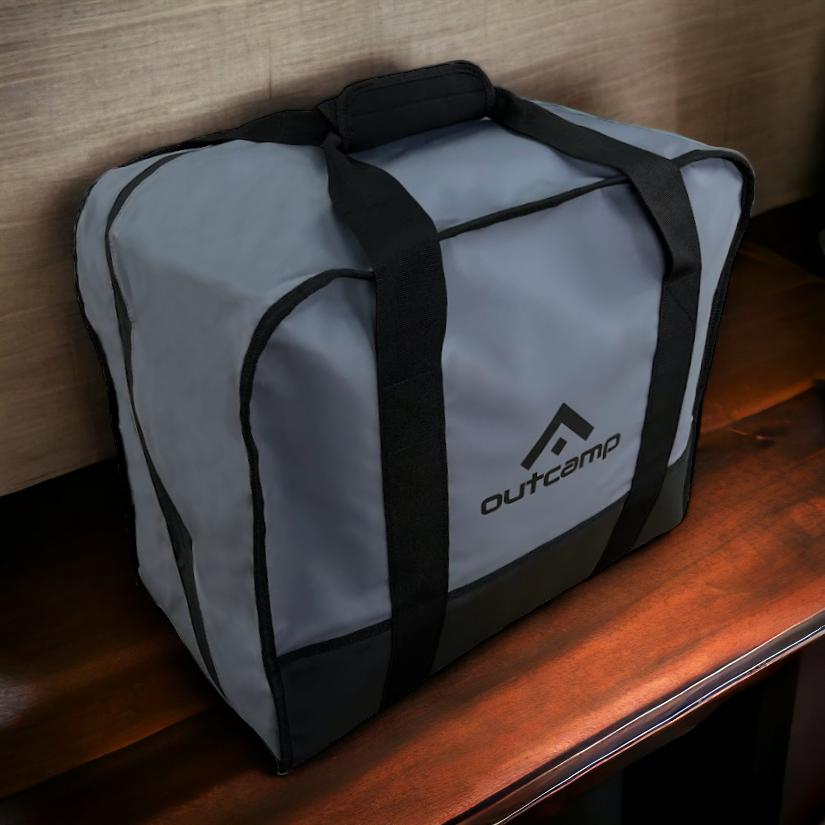
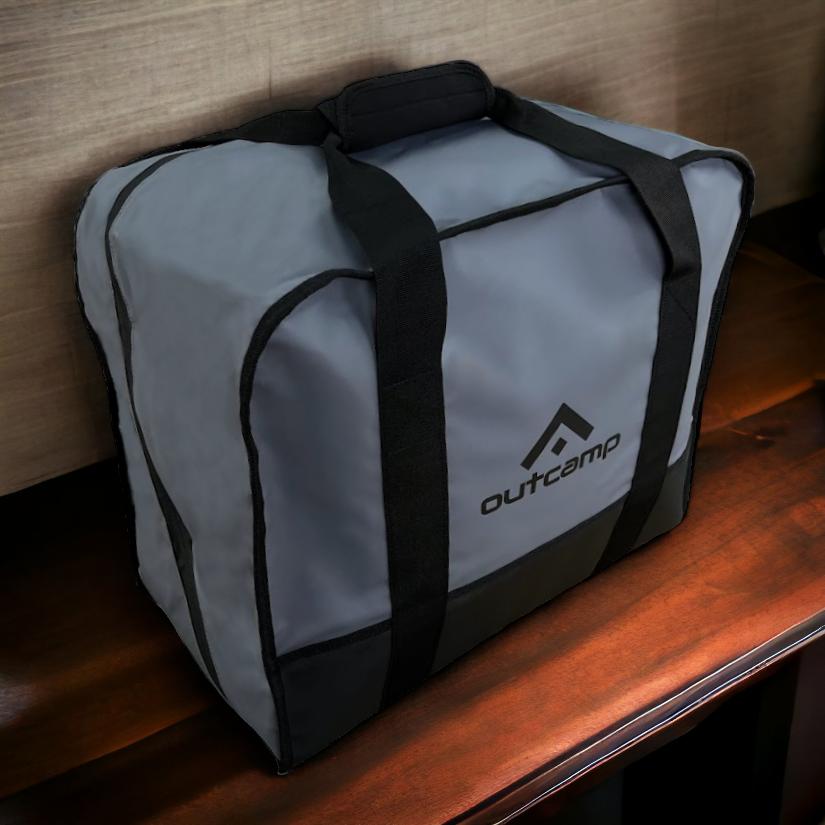
If you are setting up your touring rig for long drives like this, take a look at the Outcamp range of Starlink carry bags, mounts, and cables. They are built specifically for travelling Australians who want their connectivity to keep up with the rest of their kit — sturdy enough for corrugations, fast to deploy at a lunch stop, and small enough not to steal Engel space from the next batch of wraps you have ready to roll.