If you have spent any time scrolling through Australian travel feeds, you have already seen Cape Le Grand National Park even if you did not know its name. The white sand so bright it hurts your eyes, the kangaroos sprawled out on the beach like they own it, the granite peaks rising straight out of the Southern Ocean — that is Cape Le Grand. And it is one of the few places in Western Australia where the photos genuinely undersell what it is like to be there.
This is a Cape Le Grand National Park camping guide written for travellers who actually plan to go — campers, caravanners, and 4x4 drivers heading to Esperance with a setup behind them or a swag in the back. We will cover where to base yourself, how to drive the beach without getting stuck, what to pack, where to walk, and how to stay connected when you are off-grid for a week. By the end you should have everything you need to plan a proper trip rather than a quick day visit.
Getting to Cape Le Grand National Park
Cape Le Grand sits 56 kilometres east of Esperance on the south coast of Western Australia, and the drive from town is sealed the whole way. That makes it one of the most accessible flagship national parks in WA — you do not need a 4x4 just to reach the campgrounds, which is part of why it gets busy in peak season. Where the four-wheel drive comes into its own is once you are inside the park, on the beaches, and on the back tracks down to the more remote bays.
Most travellers come in from Perth, which is a 720-kilometre run down the Coolgardie–Esperance Highway. Plenty of caravanners break that up over two or three days through the Wheatbelt, and the route gives you the option of detouring through Wave Rock at Hyden if you have not been before. Coming the other way, from Norseman or out of the Nullarbor, Esperance is a logical stop before turning north toward Kalgoorlie or pushing on to Albany along the south coast.
When to visit
The shoulder seasons — March to May, and September to November — are the sweet spot. Daytime temperatures sit in a comfortable range, the wind drops away, and the campgrounds are not booked out months in advance. Summer brings heat and serious crowds, particularly through January when school holidays collide with peak Esperance tourism. Winter is workable but cold and often wet, with the Southern Ocean kicking up enough swell to make beach driving risky.
If you are chasing the kangaroos-on-the-beach photo, early morning is your best window any time of year. The roos drift down to Lucky Bay in the cool of the morning, doze through the middle of the day in the dunes, and wander back as the heat lifts. By 10am the campers are out and the wildlife retreats. Set an alarm.
Park entry and camping fees
Cape Le Grand is managed by the Department of Biodiversity, Conservation and Attractions and a park entry fee applies per vehicle per day. If you are planning a longer trip across multiple WA national parks, the annual or four-week Park Pass works out cheaper after about four days of entry. Both campgrounds — Lucky Bay and Le Grand Beach — require pre-booking online before you arrive, especially during school holidays and long weekends. Walk-up sites are not guaranteed and the rangers do enforce it.
Generators are allowed inside fixed time windows (generally 8am–1pm and 5pm–9pm), no pets are permitted anywhere in the park, and campfires are banned year-round. That last one catches a lot of campers out, so plan your cooking around a gas stove or BBQ. The good news is the campgrounds have communal camp kitchens with gas cooktops, sinks, and BBQs — they are clean, well maintained, and a fair upgrade on what you find in many state parks.
Fuel, food, and last-minute supplies
Esperance is your last serious stop for groceries, fuel, and gas refills. There is no service inside the park and no shop, so do your big shop in town before heading east. The exception is the Lucky Bay food van, which operates seasonally during peak periods and serves coffee, pies, and the occasional surprisingly good fish and chips — but treat it as a bonus rather than a dinner plan. Diesel and petrol are both available in Esperance at standard regional pricing. If you are running a dual-battery or lithium setup, top everything up before you leave town because solar in the campgrounds can be hit and miss depending on tree cover.
Camping at Cape Le Grand
There are two campgrounds inside the park and they have very different personalities. Lucky Bay is the famous one — beachfront, busy, photogenic, and the social hub of the park. Le Grand Beach is quieter, more spread out, and tends to suit travellers who want space rather than scenery on tap. Most people coming for the first time stay at Lucky Bay; people who come back tend to migrate to Le Grand Beach for the second visit.
Both campgrounds suit caravan and camper trailer setups, although access varies and the sites at Lucky Bay are tighter. Big rigs over about 7.5 metres should look carefully at the booking diagrams before committing — manoeuvring a 22-foot van into a sand-floored bay site at dusk is not the relaxing welcome you were hoping for.
Lucky Bay Campsite
Lucky Bay is the campground everyone has seen on Instagram. There are around 30 sites set back behind the dunes, with a short sandy walk to the beach itself. Facilities include long-drop toilets, solar-heated showers, the camp kitchen, and a covered communal area. Sites are unpowered, so you will be running off your own batteries and solar. The beach here is the headline act — a 5-kilometre crescent of impossibly white sand, turquoise water, and granite headlands at either end. The kangaroos, the food van, and the beach driving access all pull people to Lucky Bay.
Bookings open up to six months ahead and the prime sites — the ones closest to the beach with the best afternoon shade — go within minutes for school holidays. If you are flexible on dates, target a Monday-to-Thursday stretch in shoulder season and you will usually find availability without the early-morning booking ritual. The campground host is on-site through peak periods and worth talking to for tips on tides and weather.
One thing to flag: Lucky Bay is a working beach with vehicles, dogs from outside the park (occasionally, despite the rules), and surprisingly cold water. The kangaroos are friendly enough but they are still wild animals — keep your food locked away, do not feed them, and do not assume the joey hopping past your awning is a photo opportunity in waiting. Treat them as you would any native wildlife.
Le Grand Beach Campsite
Le Grand Beach sits at the western end of the park and is the quieter of the two campgrounds. There are 14 sites, a flushing-toilet ablution block, hot showers, and the same standard of camp kitchen you get at Lucky Bay. The beach here is just as stunning but stretches further with fewer people on it, and the headland at the end gives you a natural windbreak if the easterly is up.
This is the campground for travellers who want a base for a week of exploring rather than a one-night photo stop. It is more spaced out, the sites are larger, and the trees give you genuine afternoon shade. Caravan setups slot in more comfortably, and there is enough room between bays that you do not feel like you are sharing your morning coffee with the family next door.
The trade-off is distance. To get to Frenchman Peak, Hellfire Bay, or Thistle Cove you are looking at a 15-to-20 minute drive each way. Most people stay at Le Grand Beach for the peace and accept the driving as part of the deal.
Bookings and what to bring
Both sites are pre-booked through the WA Parks and Wildlife online booking system. Cancellation policies are reasonable but the demand is real — book as soon as your dates are firm. For gear, the essentials beyond your standard camping kit are sun protection (the UV down here is brutal even in spring), a decent water container as the only potable water is at the camp kitchens, mozzie protection for dawn and dusk, and warm layers. The wind off the Southern Ocean turns sharp at sunset even on hot days.
If you are running a 12v fridge, plan for around 35–45Ah a day in summer and pack enough solar or lithium to cover it. There is no power for charging at either campground. A good camping setup pays for itself here — this is not a one-night stop and you want to be comfortable for the duration.
4WD adventures and beach driving
This is where Cape Le Grand earns its reputation among the four-wheel drive community. Beach driving is permitted on the long arc of sand at Lucky Bay and across to Cape Le Grand Bay, and there is a network of sandy back tracks connecting some of the more remote spots. Done well, it is some of the most spectacular beach driving in the country. Done badly, it is also some of the most expensive — recoveries down here are not cheap and the soft sand does not forgive complacency.
Before you drop tyres, walk the entry point. The entry from the Lucky Bay car park is the easiest, but the sand at the high-tide line softens out fast in summer. Watch where the locals are coming up the beach and follow their lines. Aim for firm sand, stay above the wet zone where you can, and never park on the soft stuff at the back of the beach unless you are happy to dig later.
Beach driving Wyllie Bay to Cape Le Grand
The classic 4WD run is the beach drive from Wyllie Bay on the Esperance side all the way to Cape Le Grand Bay — roughly 22 kilometres along the sand and a serious time-saver compared with the 45-kilometre road route. Done at the right tide, with the right tyre pressures, and at the right time of year, it is one of those drives you will remember for a long time. Done at high tide in winter swell, it is a non-starter and you will be turned back at the soft sections.
Tide is the variable that matters most. Aim to start within an hour or two of the low and you give yourself a window of firm, wide beach. Check the Bureau of Meteorology tide tables for Esperance before you leave town, and add a buffer if there has been recent onshore swell. The middle section between Eleven Mile and Cape Le Grand is the trickiest — soft, narrow, and with a couple of rock obstacles to navigate around.
Drop tyres before you commit. Most touring 4x4s want to be running 16–20psi for the deep stuff, less if you are loaded heavy or running narrow tyres. Carry MaxTrax or recovery boards, a long-handled shovel, and a snatch strap with rated points front and rear. Travelling solo on the beach is fine if you are experienced; travelling with another vehicle is smarter.
Back tracks and inland routes
Beyond the beach, there is a network of sandy 4WD tracks that loop around the inland sections of the park. The track up to Mississippi Hill, the back run through to Hellfire Bay, and the older fire trails along the eastern boundary all give you reasons to keep exploring once you have done the main drag. Some of these tracks are corrugated, some are soft, and a few are technical enough to wreck a poorly-prepared vehicle. Stick to marked routes — the rangers actively close unauthorised tracks to protect dune systems.
The eastern end of the park has limited mobile coverage and the granite headlands play havoc with reception even where it exists. If you are venturing onto the back tracks alone, leave a trip plan with someone in town and carry either a PLB or a satellite communicator. Self-rescue is your default — there is no quick way for help to reach you on the inland tracks and a tow off the beach is hours away.
Staying connected off-grid
Telstra coverage at the Lucky Bay campground is patchy — you will get a signal in some bays and nothing in others, depending on where the granite walls fall. Le Grand Beach is similar. If you actually need internet — for work, for navigation, for kids on a long trip — a Starlink Mini or roof-mounted Starlink is now the standard fix for the south coast of WA. The clear southern sky from both campgrounds gives you a strong, low-latency connection from the moment you set up.
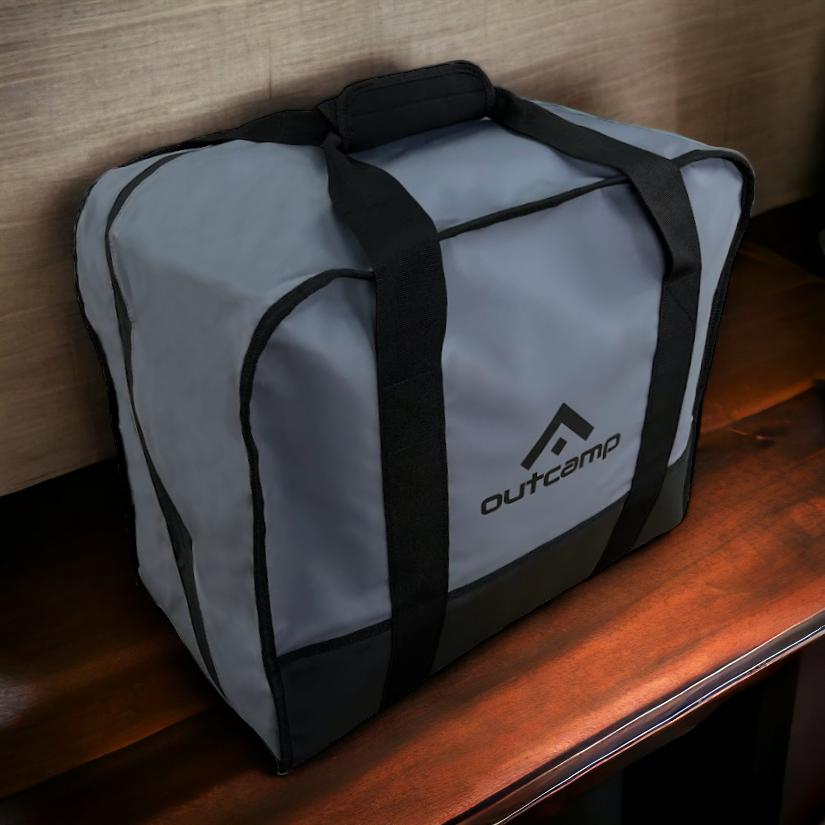
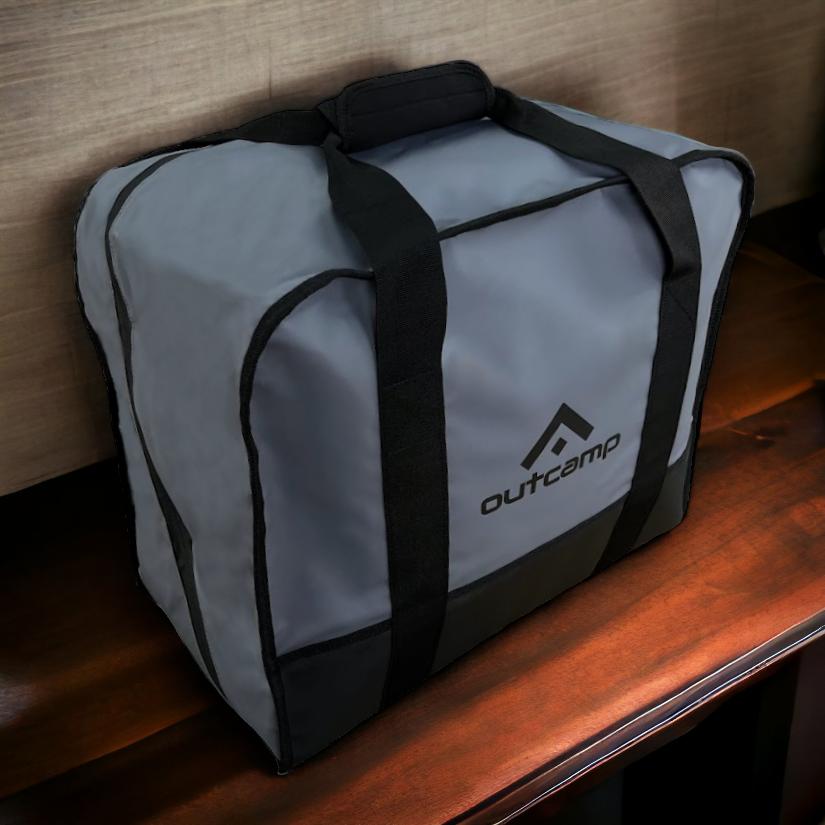
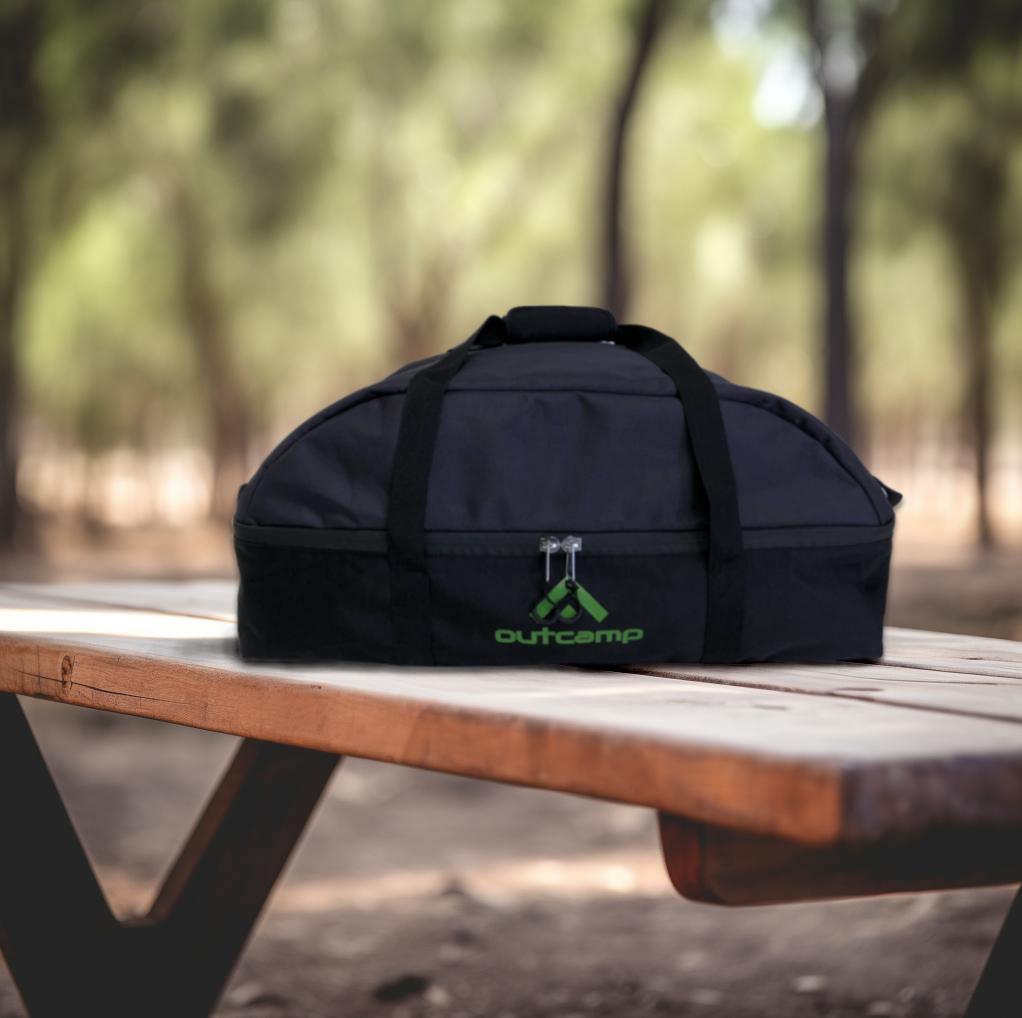
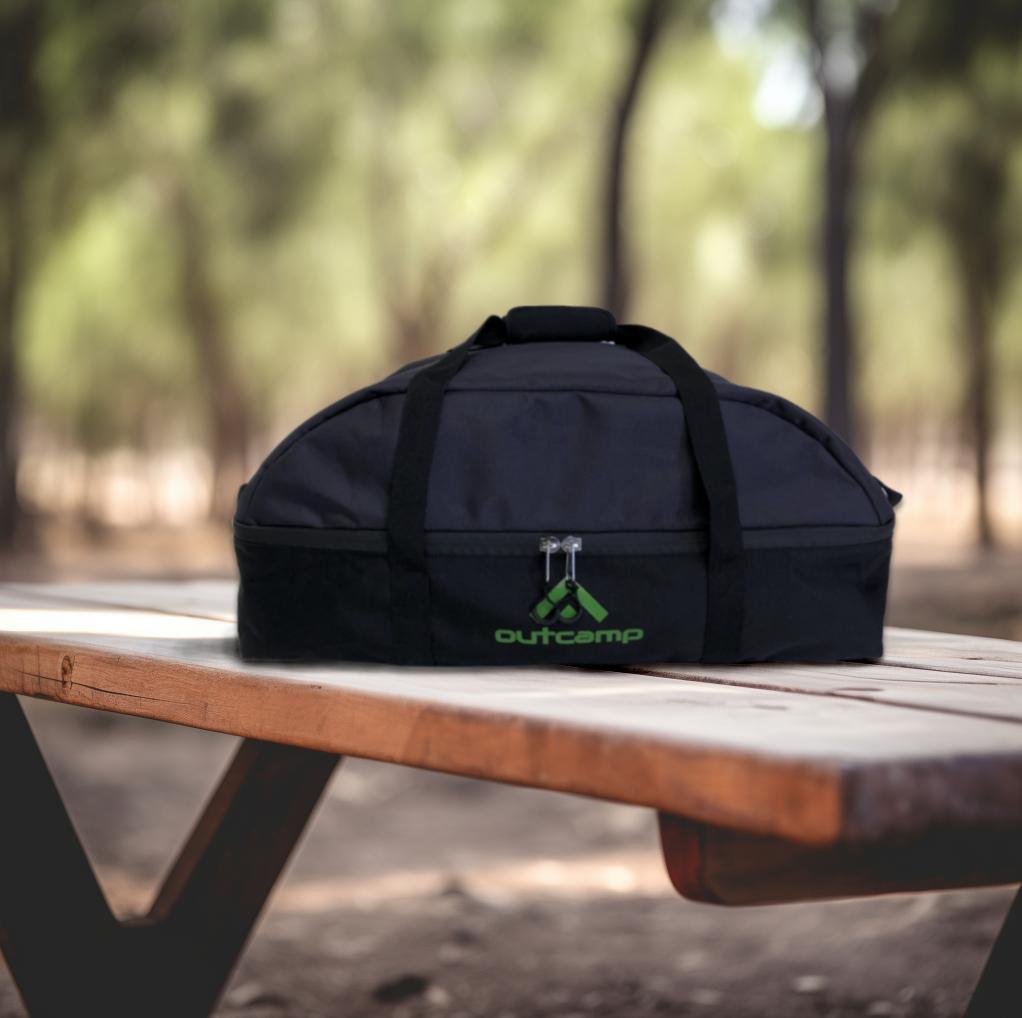
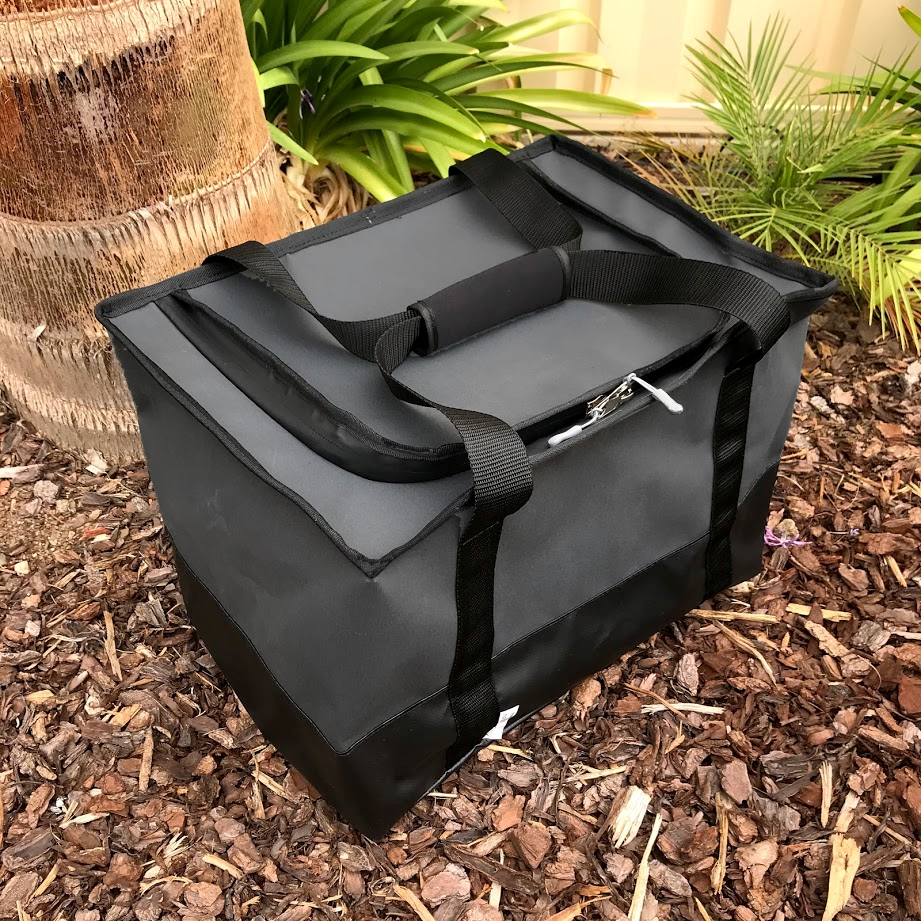
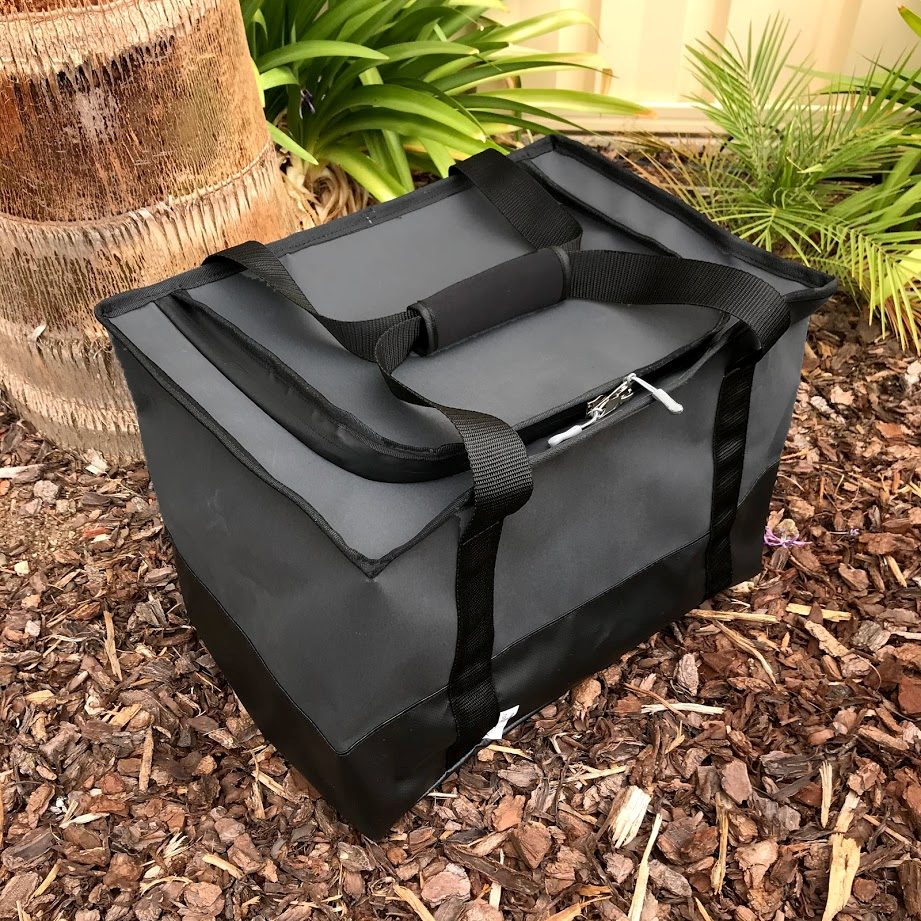
For Starlink users, the cape's exposed location is both a blessing and a curse. Connectivity is excellent, but the wind can be punishing and unsecured dishes have ended up in the dunes. A solid mount is non-negotiable — whether that is a tripod weighted down with sandbags or a permanent caravan mount, treat it as part of your wind preparation. Outcamp's Starlink accessories were designed exactly for this kind of trip — purpose-built carry bags, mounts, and cables that travel well and hold up to the salt and grit.
Walks, swims and lookouts
Most people come to Cape Le Grand for the beaches and find themselves hiking by the second day. The walking inside the park is some of the best in WA — short enough to be doable on a day off, varied enough that you do not repeat yourself, and with payoffs that justify every metre of climb. Pack proper shoes; thongs and granite do not mix.
The signature walk is the Le Grand Coastal Trail, but the shorter side trips up Frenchman Peak and around Hellfire Bay are arguably better value if your time is limited. Plan to do at least one of them at sunrise or sunset — the light on the granite turns gold and the photos are next-level.
Frenchman Peak
Frenchman Peak is the distinctive 262-metre granite dome that you can see from anywhere in the park. The walk is 3 kilometres return, takes most people 90 minutes to two hours, and includes some genuinely steep sections of bare rock with chain hand-rails for the scrambly bits. It is not technical but it is not flat either — if you are not confident on slopes, this one will challenge you.
The summit gives you a 360-degree view that is hard to beat anywhere in WA. The granite cap has natural caves underneath worth ducking into, and the panoramic wash of beaches and offshore islands is what most people come back to remember. Go early to beat the heat — there is no shade above the tree line and the rock holds heat well into the evening.
Wear proper shoes. The granite is grippy when dry and lethal when wet — if there has been rain in the last 12 hours, save Frenchman Peak for another day.
Le Grand Coastal Trail
The full trail runs 17 kilometres one-way from Le Grand Beach to Rossiter Bay, taking in every major beach and headland in the park along the way. Done as a through-walk it is a serious day — most people allow eight to ten hours and arrange a vehicle shuffle at the other end. Done as section walks from each campground, it is much more manageable and arguably more rewarding.
The Lucky Bay-to-Thistle Cove section is the standout — a 4-kilometre return walk that crosses a granite saddle with views straight down into both bays. Hellfire Bay-to-Little Hellfire is another easy one-hour loop with a chance of dolphins offshore. Take water — there are no taps along the trail and the south coast sun does not mess around.
Hellfire Bay and Thistle Cove
If Lucky Bay is the headline act, Hellfire Bay and Thistle Cove are the supporting cast that quietly steal the show. Hellfire Bay is a tight crescent of white sand bookended by granite headlands, with a single car park, a walking track down to the sand, and almost no infrastructure. The water is calm enough for a swim on the right day and the rock pools at the western end are worth an hour with a coffee and a book.
Thistle Cove is similar in feel but smaller and quieter still. The walk down from the car park takes 10 minutes, the sand is fine and white, and you will often have it to yourself even in peak season. Bring everything you need — there are no toilets, no bins, no shade beyond the headland. Take everything you brought back out with you.
Both bays sit on the road that loops through the eastern half of the park, between Lucky Bay and the eastern entry. You can drive the loop in 90 minutes, but you will want longer. Plan a full day with a packed lunch and a swim at each.
Why Cape Le Grand belongs on your list
Cape Le Grand National Park is one of those places that lives up to the photos and then some. The combination of accessible camping, world-class beaches, proper 4WD adventure, and walks that pay off without breaking you is rare anywhere in the country, and almost unheard of in a single park you can drive into without preparation. It is a destination that rewards a week-long stay and makes a strong case for any 4x4 or caravan trip through Western Australia.
Plan it well, book early, and respect the wind, the wildlife, and the tides — and you will leave with the kind of holiday that becomes the benchmark for every Esperance trip after it. If you are putting together your Cape Le Grand kit, take the time to sort your power, communications, and shade before you leave town. A week off-grid down here is the trip you want to do right.
For the connectivity side of your setup, have a look at Outcamp's range of Starlink mounts and carry bags built specifically for caravan, 4x4 and remote camping. The south coast of WA is exactly the kind of country we designed them for — long stays, tough conditions, and the kind of weather that punishes anything not properly anchored.